
 Yuyun Lusiyani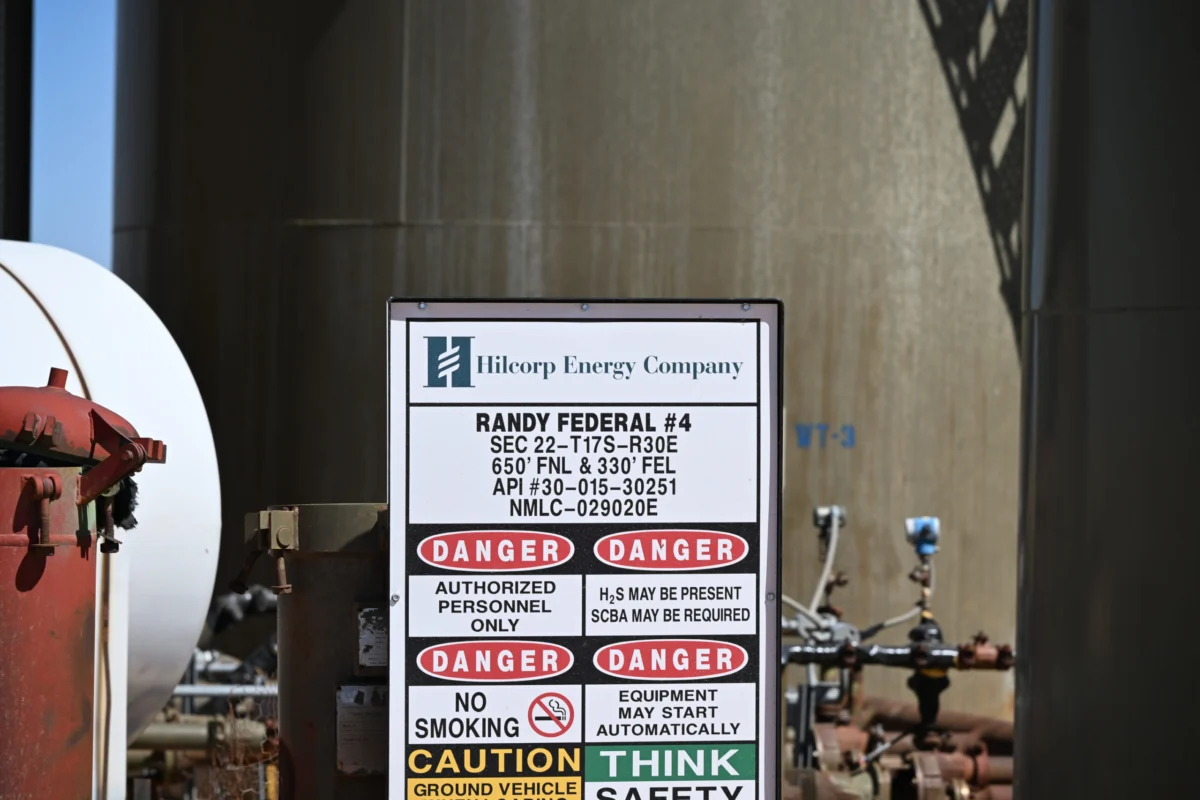
The Trump administration is advancing a significant environmental policy shift, moving to loosen stringent environmental restrictions on a vast number of oil and gas wells. This proposed rollback specifically targets wells that yield minimal energy output but are disproportionately responsible for releasing substantial amounts of methane, a potent greenhouse gas. The Environmental Protection Agency (EPA) is reportedly proposing a drastic reduction in requirements for leak inspections and equipment upgrades at over 700,000 low-producing wells, often referred to as "stripper wells." This draft rule, currently under review by the White House, signals a profound reorientation of federal environmental policy, prioritizing industry economic relief over aggressive climate action.
The Proposed Rollback: A Deep Dive into "Stripper Wells"
At the heart of the proposed regulatory changes are the approximately 700,000 "stripper wells" operating across the United States. These wells are defined as those producing up to 15 barrels of oil equivalent per day. While they collectively account for only about 6% of the nation’s total oil and natural gas production, studies have consistently shown they are responsible for a staggering half of the entire oil and gas sector’s methane pollution. This disproportionate contribution stems from their age and often poor state of maintenance, making them inherently prone to leaks from pipes, valves, and other infrastructure. The EPA’s draft rule, as seen by ProPublica, acknowledges these significant figures regarding methane emissions. However, the agency contends that the existing regulations impose an "unreasonable" financial burden on these lowest-producing wells, arguing that compliance costs would compel many to shut down. The EPA’s rationale is further supported by an industry estimate cited in the proposed rule, which suggests that the closure of these wells would only eliminate a mere 0.4% of overall U.S. oil and gas production. This argument underscores a central tension between economic viability for marginal operations and environmental protection.
Beyond stripper wells, the proposal also seeks to weaken methane controls across the broader oil industry. The financial implications for energy companies are substantial, with the proposed changes expected to save them an estimated $42 billion through 2050. This financial incentive is presented by the administration as a means to "unleash" American energy, a phrase frequently invoked by President Donald Trump to describe his administration’s energy policy agenda. Environmental advocacy groups, however, vehemently dispute the notion that deregulating stripper wells will meaningfully boost energy output. Instead, they warn that the primary consequence will be a significant escalation in climate pollution, with society ultimately bearing the environmental and health costs. Darin Schroeder of the Clean Air Task Force, a prominent climate advocacy organization, articulated this concern, stating, "This is not about energy dominance. It’s about padding the pockets of oil and gas operators and saddling society with the costs." His statement encapsulates the deep division and ideological battle lines drawn by this policy proposal.
Methane: A Potent Greenhouse Gas and Its Climate Stakes
To fully grasp the gravity of this proposed regulatory rollback, it is crucial to understand the scientific context of methane. Methane (CH4) is the second most abundant anthropogenic greenhouse gas after carbon dioxide (CO2), but its impact on global warming is far more potent in the short term. While it persists in the atmosphere for a shorter duration—approximately a dozen years compared to centuries for CO2—its warming potential is significantly higher. Over a 20-year period, methane is estimated to be more than 80 times more effective at trapping heat than carbon dioxide. Over a 100-year period, its potency is still around 25 to 30 times that of CO2. This makes rapid reductions in methane emissions one of the most effective immediate strategies for mitigating global warming in our lifetimes, as highlighted by climate scientists and international bodies like the United Nations Environment Programme (UNEP). UNEP data indicates that methane accounts for approximately one-third of the rise in global temperatures since the Industrial Revolution.
The oil and gas industry is one of the largest anthropogenic sources of methane emissions. Leaks, venting, and flaring from drilling operations, pipelines, storage tanks, and processing facilities release substantial quantities of this powerful greenhouse gas directly into the atmosphere. These emissions represent not only a significant environmental hazard but also a waste of a valuable energy resource, as methane is the primary component of natural gas. By preventing these leaks, the Biden-era regulations aimed to achieve a dual benefit: protecting the climate and conserving a valuable commodity. The current proposal to weaken these controls thus represents a direct challenge to internationally recognized climate mitigation strategies and raises serious questions about the U.S. commitment to addressing global warming.
Unraveling the Biden-Era Methane Safeguards
The regulations now targeted for rollback were a cornerstone of former President Joe Biden’s ambitious climate agenda. These rules, finalized by the EPA in 2024, were designed to achieve an 80% reduction in methane pollution from the oil and gas industry compared to 2005 levels. The EPA, under the Biden administration, had extensively calculated the comprehensive benefits of these rules, valuing their climate, health, and energy advantages at more than $7 billion annually. This figure accounted for both the environmental improvements and the economic benefits of capturing otherwise wasted natural gas, even after factoring in the increased compliance costs for industry. The regulations mandated rigorous leak detection and repair programs, required the use of more efficient equipment, and established performance standards for new and existing sources of methane emissions. They represented a significant step forward in the U.S. effort to curb greenhouse gas emissions and align with global climate goals.
The swift move by the current administration to dismantle these recently established safeguards underscores a dramatic policy reversal. The Trump EPA, in its current draft proposal, notably departs from established precedent by omitting calculations of the environmental and health impacts of the new, weakened regulations. This omission stands in stark contrast to the transparent cost-benefit analyses typically conducted for such significant policy changes, particularly those with profound environmental implications. Should the new proposal take effect, it is projected that much of the public benefit—in terms of climate protection, improved air quality, and energy conservation—that was envisioned by the Biden-era rules will effectively "evaporate," while oil and gas producers simultaneously realize increased profits through reduced operational expenses.
The Industry’s Push: Lobbying and Influence
The proposed changes are not merely a spontaneous policy initiative but rather the culmination of a sustained and influential campaign by specific factions within the oil and gas industry. These groups, previously operating with a relatively low public profile, have reportedly gained unprecedented access and sway within the second Trump administration. The EPA’s draft rule explicitly states that it is deregulating stripper wells in direct response to petitions from influential industry organizations, including the Independent Petroleum Association of America (IPAA) and the National Stripper Well Association (NSWA), among other advocacy groups. These associations primarily represent smaller, independent producers who often manage older wells and argue that the compliance costs of strict methane regulations are disproportionately burdensome and threaten their economic viability. Their lobbying efforts have consistently focused on securing exemptions or less stringent requirements for low-production and marginal wells, citing the potential for widespread job losses and reduced domestic energy production if regulations are too onerous.
Key Figures and the Deregulatory Blueprint
A closer examination of the political landscape reveals significant connections between the industry’s lobbying efforts and the administration’s policy direction. As previously reported by ProPublica in June, the IPAA has long benefited from the support of Jeffery Hildebrand, a prominent oil billionaire and the founder and owner of Hilcorp. Hilcorp is a privately held company known for its business model of acquiring and operating older, often poorly maintained, stripper wells. This particular business strategy faced substantial challenges when the Biden administration introduced its aggressive methane pollution restrictions in 2024, directly impacting Hilcorp’s operational economics.
In response to these perceived threats, Hildebrand reportedly emerged as one of the oil industry’s most significant donors to Donald Trump’s political campaigns. Upon returning to office, President Trump promptly appointed Aaron Szabo, a former Hilcorp lobbyist, to a critical leadership position within the EPA. Szabo was specifically tasked with overseeing the effort to dismantle the very methane rules that had previously concerned his former employer. This appointment immediately raised questions about potential conflicts of interest and the undue influence of industry on regulatory policy.
Szabo’s prior activities further underscore these concerns. He had previously played a role in drafting a letter on behalf of the American Exploration and Production Council (AXPC), an organization whose board includes Hilcorp’s CEO, to oppose the Biden-era methane regulations. Furthermore, Szabo contributed advice on climate regulations for Project 2025, a comprehensive conservative roadmap for the current administration’s deregulatory agenda. Project 2025’s recommendations include the elimination of an EPA program designed to track "super-emitter" events—massive, uncontrolled methane releases that have historically plagued the oil industry—and to oblige companies to respond to them. Both the AXPC and the IPAA have also advocated for the termination of this "super-emitter" program. Coincidentally, the current proposal from the Trump EPA aims to implement precisely these recommendations, effectively eliminating the program and its associated obligations.

The IPAA, when contacted for comment, declined to elaborate on its specific influence within the Trump administration but asserted in an emailed statement that its lobbying efforts have consistently aimed at ensuring "regulations are workable for low-production and marginal wells." Representatives from the NSWA had previously informed ProPublica that their requests to the EPA for softened restrictions stemmed from the financial inability of many of their members to afford compliance costs. AXPC CEO Anne Bradbury had previously stated to ProPublica that her group’s members were "committed to building on a legacy of world-leading methane emission reductions," despite their advocacy against specific regulations. Hilcorp spokesperson Nick Piatek also refrained from direct comment on the current proposal but had previously expressed the company’s "pride" in its recent emissions reduction efforts.
Aaron Szabo himself did not respond to ProPublica’s emails. However, the EPA’s press office issued a statement asserting that Szabo "had not done any work for AXPC for well over a year before he started working for the federal government" and that he had thoroughly reviewed federal ethics rules with the agency’s ethics staff upon joining. The agency declined to comment on the specifics of the methane rule revisions, confirming only that they were undergoing review by the White House Office of Management and Budget (OMB). The OMB’s press office also did not respond to requests for comment.
Environmental Alarm Bells and Economic Debates
The proposed weakening of methane regulations has triggered a torrent of criticism from environmental organizations, climate scientists, and public health advocates. These groups argue that the administration’s claims of boosting energy dominance or preventing minor production losses are fundamentally outweighed by the severe and irreversible costs to the environment and public health. They point out that the relatively small contribution of stripper wells to the nation’s energy supply (6%) stands in stark contrast to their outsized role in methane pollution (50%), making them a prime target for emissions reduction. Deregulating these wells, they contend, is a backward step that undermines global efforts to combat climate change.
Critics are likely to highlight that the stated $42 billion in savings for companies through 2050 represents a transfer of costs from industry to society. These costs manifest as increased frequency and intensity of extreme weather events, health impacts from air pollution, and long-term economic damage due to climate change. The absence of environmental and health impact calculations in the Trump EPA’s proposal is seen by these groups as a deliberate attempt to obscure the true cost-benefit analysis and minimize public scrutiny. They would also likely emphasize that technological advancements in leak detection and repair have made compliance more feasible and cost-effective than often portrayed by industry, particularly for larger, more profitable companies.
On the other hand, industry proponents and the administration maintain that the regulations, as previously implemented, placed an undue burden on smaller operators, threatening the livelihoods of those in rural energy communities and potentially leading to a decline in domestic production. They argue that excessive regulation stifles innovation and investment, ultimately harming the broader economy. For these groups, the proposed changes are about finding a balance that ensures energy security and economic vitality without compromising environmental stewardship, even if that stewardship takes a less aggressive form. The debate centers on how to quantify and weigh these competing priorities, with vastly different interpretations of what constitutes a reasonable trade-off.
Broader Ramifications for Climate Policy and Energy Future
The implications of this proposed policy shift extend far beyond the immediate economic benefits for a segment of the oil and gas industry. If enacted, the rollback would represent a significant setback for U.S. climate policy, undermining the nation’s commitments under international agreements like the Paris Agreement. By weakening methane regulations, the U.S. would be moving in the opposite direction of many industrialized nations that are intensifying efforts to reduce greenhouse gas emissions. This could damage the country’s credibility on the global stage and hinder international cooperation on climate action.
Furthermore, the policy signals a broader philosophical approach to environmental governance—one that prioritizes deregulation and industry self-management over prescriptive federal oversight. This approach could set a precedent for future environmental policy decisions, potentially impacting regulations across various sectors. For the energy future of the United States, it suggests a continued reliance on fossil fuels, including those extracted from older, less efficient sources, rather than an accelerated transition towards renewable energy and more sustainable practices.
The focus on "unleashing" American energy, while appealing to a specific political base, is viewed by critics as short-sighted. They argue that true energy independence and security lie in diversifying energy sources and investing heavily in clean technologies, which also create new jobs and stimulate economic growth. The decision to forgo significant methane reductions, especially from sources that offer minimal energy return, is portrayed as a missed opportunity to simultaneously address climate change, improve public health, and modernize the energy infrastructure.
Official Responses and Ethical Questions
The official responses to inquiries about the proposed rule and the ethical dimensions of key appointments have been largely circumspect. The EPA’s general statement regarding Szabo’s ethics review, without commenting on the substance of the rule, leaves many questions unanswered. The lack of detailed environmental and health impact assessments in the new proposal is a departure from standard practice and has drawn sharp criticism, suggesting a deliberate attempt to sidestep a comprehensive public accounting of the policy’s full ramifications.
The interplay between political donations, industry lobbying, and high-level appointments creates a perception of a regulatory capture, where private interests unduly influence public policy. While such connections are often complex and difficult to prove definitively, the chronology of events—Hildebrand’s donations, Szabo’s appointment, and the subsequent proposed rollback mirroring industry demands—paints a clear picture for critics. This perceived lack of transparency and potential conflict of interest further erodes public trust in regulatory processes and raises fundamental questions about the integrity of environmental policymaking.
In conclusion, the Trump administration’s proposed weakening of methane regulations for stripper wells is a multifaceted issue with profound implications. It pits the economic concerns of a specific segment of the oil and gas industry against critical environmental protection goals. The debate over its merits involves complex scientific data, economic analyses, ethical considerations, and differing visions for the nation’s energy future and its role in addressing global climate change. As the draft rule moves through the final stages of White House review, it remains a focal point for intense scrutiny and a harbinger of potential shifts in environmental policy for years to come.




 Joko Widodo
 Eva Lovia
 Pevita Pearce
 admin
admin
 Lina Irawan