
 Yuyun Lusiyani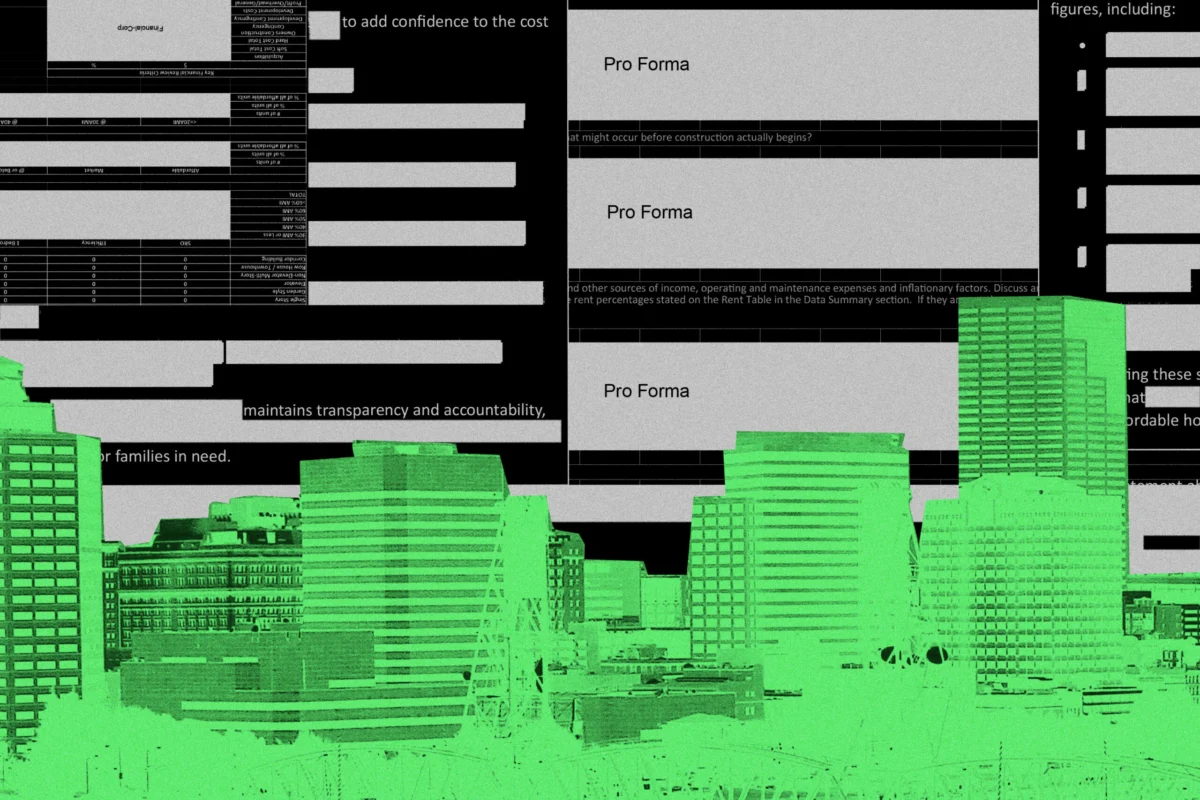
Two prominent Oregon lawmakers are spearheading an initiative to dismantle a unique exemption within the state’s public records law, a provision that has, for decades, obscured public access to how hundreds of millions of taxpayer dollars are allocated for subsidized housing projects. This bipartisan-backed effort, which has surprisingly garnered crucial support from a key industry lobbying group, signals a significant shift towards greater transparency in the state’s burgeoning affordable housing sector. The proposed legislative changes, slated for the upcoming session, aim to shed light on the financial intricacies of projects receiving substantial public investment, a move prompted by recent investigative journalism highlighting the escalating costs and lack of oversight in Oregon’s housing initiatives.
The Call for Transparency: A Legislative Imperative
Rep. Pam Marsh, a Democrat representing Southern Oregon and the influential chair of Oregon’s House Committee on Housing and Homelessness, has publicly committed to introducing legislation next year designed to eliminate the long-standing legal shield that has kept critical financial details of state-funded low-income housing projects out of public view. Marsh disclosed that her awareness of this exemption was sparked by a recent investigative report from ProPublica, indicating that previous leaders of her committee were similarly unaware of its existence and implications. "I think this is an issue that will have very broad interest," Marsh stated, underscoring the potential for widespread support across the political spectrum and among the public.
Echoing Rep. Marsh’s resolve, State Sen. Khanh Pham, a Portland Democrat who chairs the Senate Committee on Housing and Development, has also affirmed her intention to prioritize this issue during the next legislative session. Their unified front in both chambers of the Oregon Legislature signals a robust push to reform a system that has, until now, operated with a notable lack of public accountability regarding the expenditure of substantial public funds.
Industry Shifts Stance: Housing Oregon Supports Repeal
In a development that surprised many observers, Housing Oregon, a prominent lobbying organization representing a diverse array of low-income housing developers, lenders, and associated businesses, has unequivocally declared its strong support for repealing the secrecy provision. This endorsement from a sector directly impacted by the proposed changes lends significant weight to the legislative effort. Kevin Cronin, a spokesperson for Housing Oregon, articulated the group’s position, stating, "Oregon’s affordable housing providers share the public’s interest in ensuring that public investments in housing are used effectively, responsibly, and with visibility." Cronin further acknowledged the gravity of the concerns raised by the ProPublica investigation, asserting, "The questions raised in your recent ProPublica article regarding development costs deserve serious attention."
Housing Oregon’s support, however, comes with a nuanced caveat. Cronin emphasized the need to balance transparency with the protection of sensitive business information. "Oregon can increase transparency around development costs while still protecting genuinely proprietary or competitively sensitive information," he noted. The organization believes that "more consistent reporting of costs and outcomes will help policymakers, providers, researchers, and the public understand where the system is working and where it needs improvement," suggesting a desire for data-driven policy enhancements rather than an outright rejection of disclosure. In the interim, Housing Oregon has proactively urged the state to disclose more information about the projects it funds, demonstrating a proactive step towards greater openness even before legislative action.
The Financial Stakes: A Billion-Dollar Question
The urgency surrounding this legislative push is underscored by the staggering financial figures involved. ProPublica’s investigation, which brought Oregon’s unique secrecy provision to national attention in August, revealed a significant escalation in public investment and project costs. Since 2021, Oregon has allocated an unprecedented $1.4 billion to developers for affordable housing initiatives. Concurrently, the cost of developing each low-income apartment unit has nearly doubled, reaching an alarming $540,000. This figure far exceeds national averages for similar projects in many regions, raising serious questions about cost efficiency and the drivers behind such rapid inflation. With dozens of additional projects already slated to receive another $850 million in future state funding, and costs projected to continue their upward trajectory, the financial magnitude of the issue is immense.
Rep. Marsh articulated the core concern: "We are spending, as you said, a lot of money on the development of affordable housing. We really need to understand what it is that we’re funding, how much it costs, why it costs that much, and be able to justify the investments that we’re making." This sentiment highlights a fundamental principle of public finance: accountability for taxpayer funds. The inability to scrutinize these expenditures prevents a comprehensive understanding of where money is going and whether it is being spent optimally to address Oregon’s pressing housing crisis.
Background and Historical Context of the Exemption
The controversial public records exemption that has shielded these financial details from public view dates back to 1997. It was at the behest of Oregon Housing and Community Services (OHCS), the state’s primary housing agency, that lawmakers enacted this provision. While the precise legislative intent behind its creation nearly three decades ago is subject to historical interpretation, common arguments for such exemptions often revolve around fostering competition among developers, protecting proprietary financial models, and streamlining the development process by avoiding public scrutiny that might deter private sector involvement. The agency likely argued that full disclosure of development costs could put Oregon-based developers at a disadvantage, reveal sensitive business strategies, or complicate negotiations for land acquisition and financing.
However, the current context of Oregon’s housing market is vastly different from 1997. The state is grappling with one of the most severe affordable housing crises in the nation, characterized by rapidly rising rents, a significant shortage of housing units, and a growing population experiencing homelessness. This crisis has placed immense pressure on state resources, making the efficient and transparent allocation of housing funds more critical than ever. The argument that such an exemption is necessary to facilitate housing development now appears to conflict with the public’s right to ensure effective use of funds in a crisis.
The Catalyst: ProPublica’s Investigative Reporting
The momentum for change largely stems from the investigative work of ProPublica. Their August report meticulously detailed how Oregon’s unique public records law effectively concealed critical financial information related to state-subsidized housing projects. The report highlighted the stark contrast with other states where such data is readily available, allowing journalists and researchers to analyze spiraling costs and identify underlying drivers of price increases.
ProPublica’s efforts to obtain these records themselves encountered significant roadblocks. In May, their requests for developers’ cost reports were met with heavy redactions by OHCS, with the agency explicitly citing the 1997 exemption as justification for withholding major sections of the documents. This direct experience with the legal barrier underscored the severity of the transparency gap. The article’s findings resonated deeply with lawmakers like Rep. Marsh, who recounted looking up the specific provision in Oregon public records law "pretty much immediately" after reading the report. She advocates for these financial documents, detailing project funding sources and expenditures, to be made public and easily accessible, ideally posted online as part of the public materials provided to Oregon’s Housing Stability Council before subsidies are awarded.
Lessons from Other States: A Path Forward
The debate over transparency in housing funding is not unique to Oregon. However, the state’s specific exemption places it in a minority compared to other states with robust affordable housing programs. Officials in Washington and California, two states also grappling with significant housing challenges, have confirmed that the public availability of detailed state spending on subsidized housing has not hindered their low-income housing efforts. This crucial comparative data directly refutes any potential arguments that increased transparency would impede development or deter private investment. Instead, in these states, public access to financial records has enabled researchers and journalists to conduct valuable analyses, identify inefficiencies, and ultimately contribute to more informed policy decisions regarding housing investments. This precedent from neighboring, similarly complex housing markets provides a strong practical argument for Oregon to adopt a more transparent approach.
Official Responses and Committee Review
Oregon Housing and Community Services (OHCS), the agency that initially championed the exemption, finds itself in a delicate position. Andrea Bell, the agency’s current executive director, told ProPublica in July that she is committed to transparency but is bound to follow the law as it currently stands. When pressed recently about whether the agency would support efforts to change the law, an OHCS spokesperson provided a standard institutional response via email: state agencies typically do not take positions on proposed legislation. The spokesperson added that "OHCS appreciates the opportunity to review the legislation" that will be introduced next year, indicating a neutral stance for now, while acknowledging the legislative process.
Beyond the legislative chambers, Oregon’s Sunshine Committee is also actively engaged in reviewing the exemption. This committee, specifically tasked with examining public records exemptions and recommending which ones could be rolled back to enhance governmental transparency, initiated its review of the housing financials exemption directly as a result of ProPublica’s coverage. Co-chair Charlie Fisher confirmed the committee’s focus, adding another layer of official scrutiny to the long-standing secrecy provision. The Sunshine Committee’s recommendations often carry significant weight with the Legislature, providing an additional avenue for the exemption to be repealed or significantly modified.
Broader Implications: Accountability, Trust, and Effective Policy
The implications of this legislative push extend far beyond mere administrative adjustments. At its core, the initiative addresses fundamental questions of public accountability and trust. When hundreds of millions of taxpayer dollars are allocated to address a critical social need like affordable housing, the public has an inherent right to understand how those funds are being utilized. Secrecy breeds suspicion and can erode public confidence in government institutions and the effectiveness of their programs. Conversely, transparency fosters trust, allowing citizens to hold their elected officials and public agencies accountable for the wise stewardship of public resources.
For policymakers, the lack of granular financial data has hindered their ability to conduct thorough analyses of program effectiveness. Without detailed cost breakdowns, it becomes exceedingly difficult to identify best practices, pinpoint inefficiencies, understand the drivers of escalating costs, or accurately assess the return on investment for various housing strategies. This informational vacuum can lead to less effective policy decisions and a slower, more costly response to the housing crisis. Access to this data would empower legislators and researchers to develop more targeted, evidence-based interventions, potentially leading to more units built for the same investment, or greater impact on reducing homelessness.
Furthermore, the involvement of industry groups like Housing Oregon in advocating for transparency signals a maturation of the sector. It suggests a recognition that long-term public support for affordable housing initiatives hinges on demonstrated efficiency and accountability. While concerns about proprietary information are valid, the examples from Washington and California illustrate that a balance can be struck, allowing for public oversight without stifling innovation or competition. This collaborative approach between lawmakers and industry stakeholders could pave the way for a more robust and publicly supported affordable housing framework in Oregon.
Looking Ahead: A Defining Legislative Session
As the next legislative session approaches, the proposed repeal of Oregon’s housing finance secrecy provision stands as a defining issue. The confluence of legislative leadership, robust investigative journalism, and now, even industry support, creates a powerful impetus for change. While it remains unclear if any significant opposition will emerge, the broad consensus for greater transparency suggests a strong likelihood of legislative success. The potential for a more transparent, accountable, and ultimately more effective approach to addressing Oregon’s housing crisis hinges on the outcome of this legislative endeavor. The efforts of Rep. Marsh and Sen. Pham, backed by a growing chorus of advocates, aim to ensure that the monumental investments in affordable housing truly serve the public interest, fostering both homes for Oregonians and confidence in the state’s financial stewardship.




 Joko Widodo
 Eva Lovia
 Pevita Pearce
 admin
admin
 Lina Irawan