
 Ana Megawati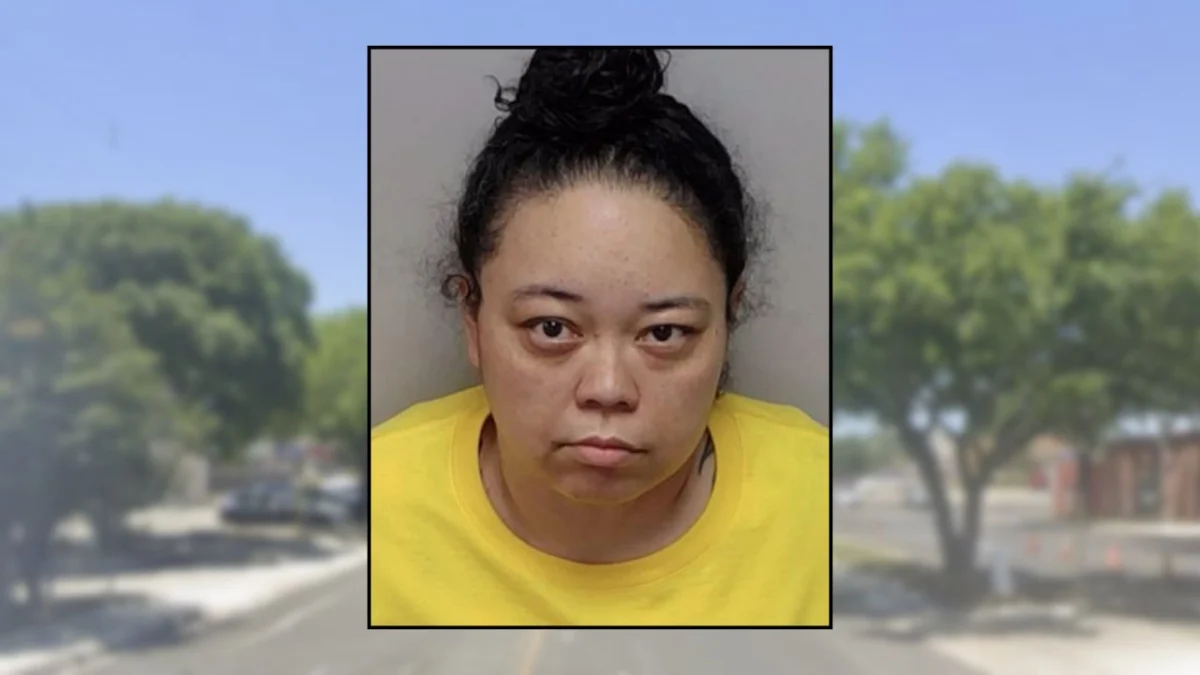
San Antonio, Texas – A San Antonio woman, Dionisiah Edwards-Carpeal, 36, has been charged with murder and aggravated assault after she allegedly intentionally drove her SUV into her former boyfriend and his new girlfriend in a parking lot on Datapoint Drive, resulting in the death of the new girlfriend. The incident, which unfolded on a recent Monday, is believed to have stemmed from an escalating conflict following the termination of Edwards-Carpeal’s six-year relationship with the male victim and his subsequent new romance. This tragic event casts a harsh spotlight on the perilous potential for violence inherent in relationship disputes, particularly when boundaries are challenged and emotions run unchecked.
The shocking confrontation culminated in a fatal outcome, leaving the community grappling with the ramifications of such a public and violent act. Edwards-Carpeal was arrested and subsequently released after posting a substantial $400,000 bond, with strict conditions including house arrest and mandatory GPS monitoring, underscoring the gravity of the charges and the court’s assessment of potential flight risk or danger to the community. Her next court appearance is scheduled for February 11, 2027, setting the stage for a protracted legal battle in a case that has already drawn significant attention.
Unfolding the Tragic Sequence of Events
The incident began to unravel on a Monday evening when authorities from the San Antonio Police Department were dispatched to a parking lot located on Datapoint Drive in the city’s northwest side. Reports had indicated a disturbance, escalating into a violent confrontation involving multiple individuals. Upon arrival, officers discovered a female victim suffering from grievous, life-threatening injuries. Despite immediate medical intervention and her swift transport to a local hospital, she tragically succumbed to her wounds. The victim’s identity has not been publicly released, honoring the privacy of her family during this devastating time.
Initial investigations at the scene quickly pointed towards a vehicular assault. Witnesses present during the incident provided critical accounts to law enforcement, describing a silver SUV deliberately striking the female victim. Further forensic examination of the scene by police revealed chilling evidence: blood patterns consistent with a person being dragged across the pavement, paint a stark picture of the brutal force involved in the attack.
A central figure in the immediate aftermath was Edwards-Carpeal’s former boyfriend, who was also allegedly struck by the SUV but, fortunately, rolled off the hood, sustaining no serious injuries. His testimony proved crucial in piecing together the events leading up to the fatality. He informed investigators that his relationship with Edwards-Carpeal had spanned six years before their separation. Despite the breakup, a line of communication had initially been maintained between them. However, this changed abruptly when he embarked on a new relationship with the deceased victim, leading him to cease contact with Edwards-Carpeal. This shift in communication appears to have been a significant catalyst for the subsequent events.
On the fateful Monday, the ex-boyfriend and his new girlfriend had been walking home after a visit to a nearby Wendy’s restaurant when they unexpectedly encountered Edwards-Carpeal. According to the affidavit, Edwards-Carpeal began to follow the couple in her SUV, attempting to engage her former boyfriend in conversation. The situation quickly escalated, drawing the attention of a security guard working in the vicinity. The ex-boyfriend, visibly distressed, reportedly informed the security guard that Edwards-Carpeal was "following and harassing them," indicating a pre-existing pattern of unwanted pursuit.
The confrontation reached its peak when, according to witness accounts, Edwards-Carpeal and the victim exchanged "derogatory remarks." As the new couple attempted to disengage and walk away, positioning themselves in front of Edwards-Carpeal’s SUV, the situation turned deadly. Police reports allege that Edwards-Carpeal then "hit the gas," accelerating her vehicle directly into both her ex-boyfriend and the victim. The force of the impact was such that the victim was briefly dragged underneath the SUV before being run over, a detail corroborated by the blood evidence found at the scene. In a chilling detail, witnesses further recounted that Edwards-Carpeal momentarily stopped her vehicle to observe the victim lying on the ground before making her escape from the scene.
The quick thinking of the security guard proved instrumental in the investigation. He managed to capture a photograph of Edwards-Carpeal’s SUV as it fled, providing law enforcement with a critical piece of evidence that facilitated her identification and subsequent arrest. The vehicle’s make, model, and license plate information, coupled with the witness testimonies and the ex-boyfriend’s account, allowed detectives to swiftly identify Edwards-Carpeal as the primary suspect.
Legal Ramifications and Judicial Oversight
Following her identification and arrest, Dionisiah Edwards-Carpeal was booked into the Bexar County Jail. She faces charges of murder, a first-degree felony in Texas, and aggravated assault, which is typically a second-degree felony. The charge of murder carries severe penalties, potentially ranging from five to 99 years or life imprisonment in state prison, along with substantial fines. Aggravated assault, given the use of a deadly weapon (the SUV) and serious bodily injury, can result in imprisonment for two to 20 years. These charges reflect the extreme gravity of the alleged actions and the tragic loss of life.
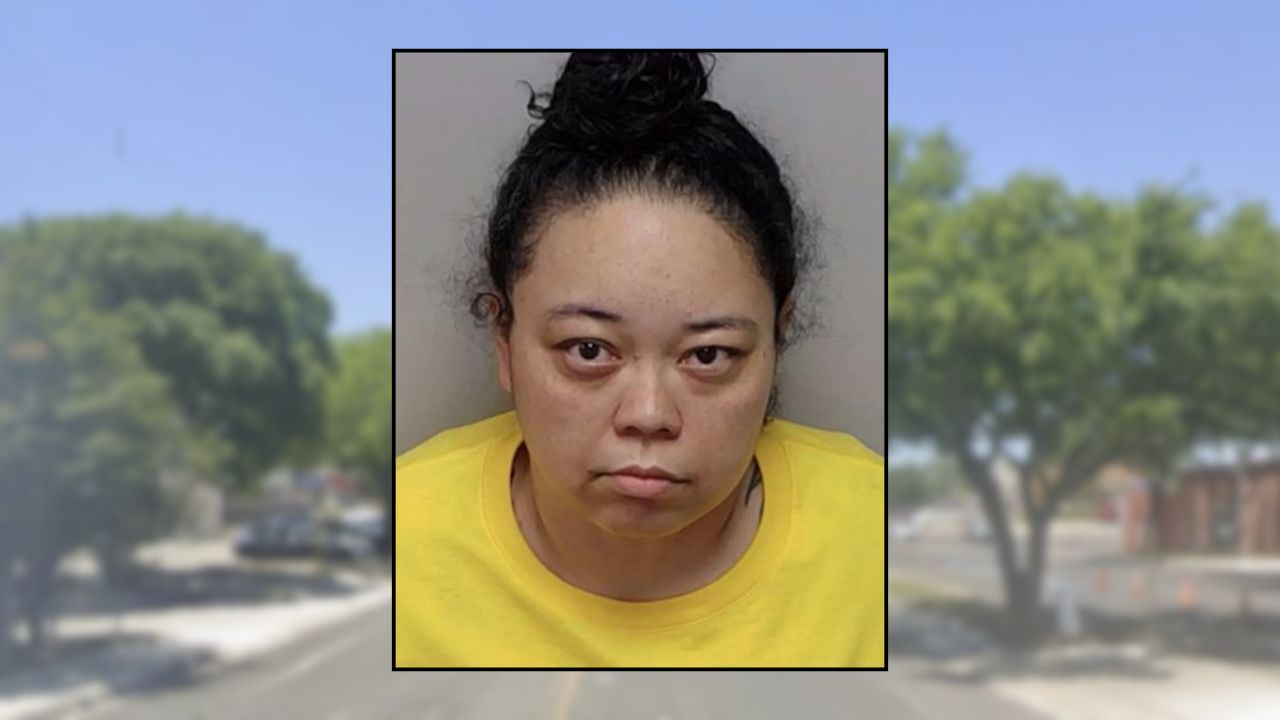
The decision by a magistrate judge to set Edwards-Carpeal’s bond at $400,000 speaks volumes about the perceived flight risk and danger she might pose. While the high bond amount indicates the serious nature of the charges, her ability to post it allowed for her release from custody. However, her freedom is not without significant restrictions. As part of her bond conditions, she has been ordered to remain under house arrest, meaning she is largely confined to her residence, with exceptions only for court appearances, medical emergencies, or approved meetings with her legal counsel. Furthermore, she is required to wear a GPS monitor, a technology designed to track her movements continuously and ensure compliance with her release conditions. These stringent measures are standard in cases involving violent felonies to protect public safety and ensure the defendant’s presence at future court proceedings.
The extended timeline for her next court date, scheduled for February 11, 2027, is not uncommon in complex felony cases, especially those involving murder charges. This duration allows ample time for both the prosecution and the defense to conduct thorough investigations, gather evidence, interview witnesses, prepare motions, and engage in plea negotiations if appropriate. It also reflects the overburdened nature of many judicial systems, where serious cases can take years to move through the various stages of trial and appeals.
Broader Context: The Shadow of Relationship Violence
This incident serves as a stark and tragic reminder of the potential for extreme violence within the context of interpersonal relationships, particularly during and after breakups. Data from organizations such as the National Coalition Against Domestic Violence (NCADV) consistently highlights that relationship termination is a high-risk period for domestic violence, including stalking, harassment, and even homicide. Studies indicate that a significant percentage of intimate partner homicides occur when one partner attempts to leave or has recently left the relationship. The feeling of loss of control, rejection, and intense emotional distress can, in some cases, lead individuals to commit desperate and violent acts.
The alleged actions of Dionisiah Edwards-Carpeal, as detailed in the arrest affidavit, appear to follow a pattern observed in cases of relationship-related violence: initial harassment and following, an inability to accept the ex-partner’s new relationship, and an eventual physical confrontation that tragically escalates. The exchange of "derogatory remarks" preceding the vehicular assault underscores the emotional volatility and heightened tension that characterized the encounter.
San Antonio, like many urban centers, faces ongoing challenges related to domestic violence. Local law enforcement agencies and community organizations continually work to provide resources for victims and to prevent such tragedies. However, incidents like this demonstrate the persistent and sometimes unpredictable nature of interpersonal violence, particularly when mental health issues, jealousy, or unresolved conflicts intersect.
Official Responses and Community Implications
While specific statements from the San Antonio Police Department and the Bexar County District Attorney’s Office regarding the ongoing investigation are limited due to the active nature of the case, it can be inferred that authorities are committed to a thorough and impartial legal process. Police spokespersons would typically emphasize the department’s dedication to bringing justice for the victim and ensuring the safety of the community. The District Attorney’s office would likely reiterate its commitment to prosecuting violent crimes to the fullest extent of the law, upholding public trust in the justice system.
On the defense side, Edwards-Carpeal’s legal team would likely focus on challenging the prosecution’s evidence, potentially arguing for a lesser charge, or raising questions about intent, premeditation, or the sequence of events. They might also explore mitigating factors during the sentencing phase if a conviction occurs. It is standard practice for defense attorneys to advocate vigorously for their clients’ rights and ensure due process.
The incident has undoubtedly sent ripples through the San Antonio community, particularly among those who frequent the Datapoint Drive area. Such public acts of violence can erode a sense of safety and prompt discussions about community vigilance and the need for accessible mental health and domestic violence intervention resources. It also highlights the critical role of bystanders, like the security guard in this case, whose actions can be pivotal in aiding law enforcement and potentially preventing further harm.
This case will proceed through the Texas legal system, with each phase scrutinizing the evidence, witness testimonies, and legal arguments presented by both the prosecution and the defense. The outcome will not only determine the fate of Dionisiah Edwards-Carpeal but will also serve as a somber reminder of the devastating consequences of unchecked anger and violence within relationships, underscoring the ongoing need for greater awareness, intervention, and support systems to prevent such tragedies in the future. As the legal proceedings unfold over the coming years, the community will watch closely, hoping for justice for the victim and a resolution to this harrowing event.




 Yuyun Lusiyani
 Joko Widodo
 Eva Lovia
 Pevita Pearce
 admin
admin
 Lina Irawan