
 Ana Megawati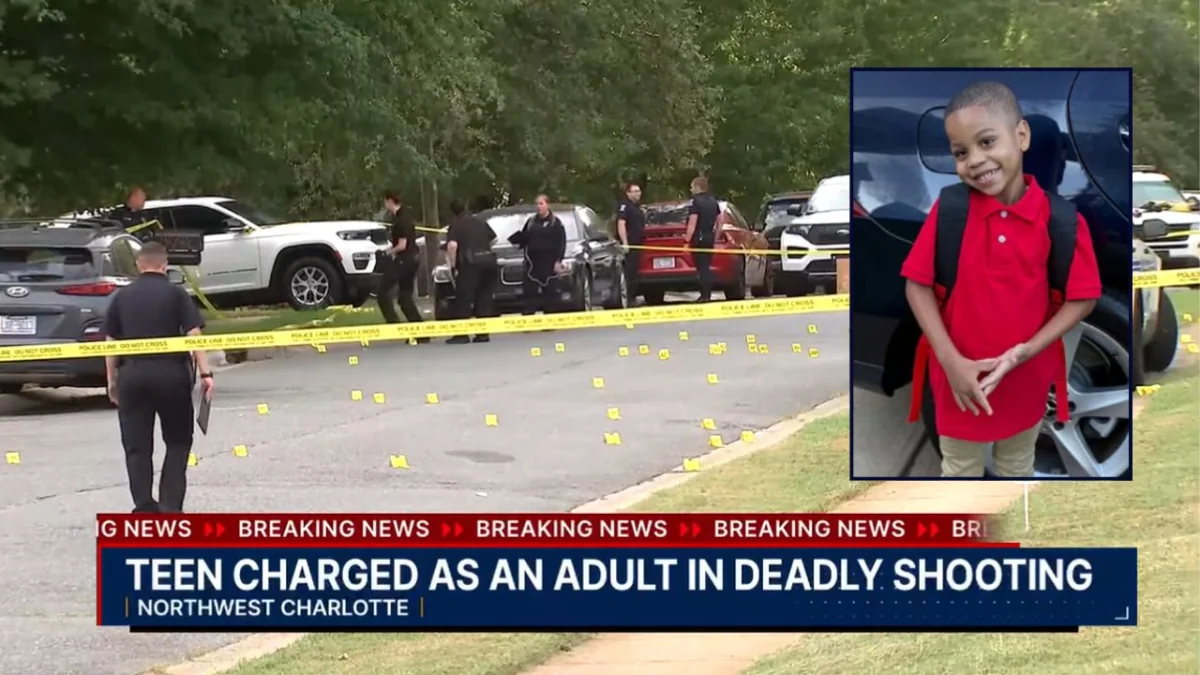
In a tragic incident that has shaken the community of Charlotte, North Carolina, a four-year-old boy, Caleb Flax, was senselessly killed in his own bed when a hail of over 80 bullets pierced through his home and three others in the dead of night. The devastating attack, described by authorities as an act of "unthinkable violence," has led to the arrest of four teenagers on murder charges, with a fifth adult suspect facing an accessory charge, as law enforcement continues its relentless pursuit of justice for the innocent child and his grieving family. The brazen Sept. 20 shooting, which targeted residential properties on Grassy Patch Lane, underscores the profound and indiscriminate nature of retaliatory gun violence, leaving a community grappling with questions of safety and accountability.
The Pre-Dawn Horror on Grassy Patch Lane
The tranquility of the 900 block of Grassy Patch Lane was shattered around 3 a.m. on Sunday, September 20, when what residents could only describe as an explosion of gunfire erupted. What began as a seemingly ordinary night for the families residing in the quiet Charlotte neighborhood quickly devolved into a scene of unimaginable terror. Surveillance footage later revealed a chilling sequence of events: two vehicles, their headlights deliberately extinguished to conceal their approach, silently navigated the residential streets before stopping near their intended targets. From these vehicles, seven individuals emerged, heavily armed and with a singular, destructive purpose.
Within moments, the night air was filled with the deafening sound of rapid gunfire. Detectives would later confirm that an astonishing total of 84 bullets were unleashed, indiscriminately striking four different homes. The sheer volume of fire painted a grim picture of a coordinated and brutal assault, leaving a trail of destruction and fear in its wake. Among the targeted residences was the home where four-year-old Caleb Flax lay sleeping, tucked safely in his bed, oblivious to the impending horror. The barrage of gunfire ripped through the walls, turning a place of sanctuary into a scene of unspeakable tragedy.
Charlotte-Mecklenburg Police Department (CMPD) officers, responding to frantic 911 calls reporting a shooting, arrived at a chaotic scene. They discovered two victims suffering from gunshot wounds: Caleb Flax and an adult in a separate residence. Paramedics immediately rushed both to a nearby hospital. Despite the valiant efforts of medical personnel, little Caleb succumbed to his injuries, his young life tragically cut short by the violence that invaded his sanctuary. The adult victim, though seriously wounded, survived the attack, a testament to the random brutality of the incident. In total, there were 14 people, including five children, present in the four homes that were riddled with bullets, highlighting the immense potential for an even greater catastrophe. The sight of bullet-riddled homes, shattered windows, and the palpable fear in the eyes of residents underscored the severe trauma inflicted upon the entire neighborhood.
A Relentless Pursuit of Justice: The Investigation Unfolds
From the moment CMPD officers secured the crime scene on Grassy Patch Lane, the investigation into Caleb Flax’s murder became a top priority. Chief Estella D. Patterson publicly vowed that her department would be "relentless in their pursuit of justice," a promise that has been visibly upheld through the methodical and dedicated work of homicide detectives. The initial phase of the investigation involved meticulous evidence collection, a painstaking process given the extensive damage and the sheer number of spent shell casings scattered across the scene. Every bullet fragment, every casing, and every impact point on the homes provided crucial clues for forensic analysis, painting a detailed picture of the attack. Ballistic experts were brought in to analyze the trajectory of the bullets and identify the types of firearms used, while crime scene technicians painstakingly documented every piece of evidence, no matter how small.
A critical piece of evidence emerged from surveillance video, which not only captured the brutal attack but also provided descriptions of the two vehicles used by the assailants. The footage depicted seven individuals exiting two cars with their headlights off, firing a volley of shots, and then quickly fleeing the scene. This visual evidence, combined with witness statements, formed the bedrock of the early investigation, allowing detectives to begin constructing a timeline and identifying potential suspects. The careful analysis of security camera footage from neighboring properties and businesses along potential escape routes became instrumental in tracking the movements of the vehicles.
Within a short period, investigators located one of the vehicles, a Mercedes-Benz, abandoned approximately a quarter-mile from the shooting site. Its discovery offered a significant breakthrough. Inside the vehicle, officers found a handgun magazine, further linking the car to the crime. Upon contacting the registered owner, police learned the Mercedes had been reported stolen just days prior, underscoring a common tactic used by criminals to obscure their identities and avoid direct links to the vehicles. Soon after, the second vehicle, a 2018 Infiniti, was also identified as stolen, reinforcing the premeditated nature of the crime and the efforts made by the perpetrators to avoid detection. The recovery of these vehicles provided tangible evidence and new leads for detectives to pursue.
Suspect Identification and Chilling Confessions
The investigation rapidly progressed, leveraging a combination of surveillance footage, vehicle tracking data, and diligent detective work. Ar’montae Johnson, a 16-year-old, was identified as a key suspect. Following his apprehension and after being read his Miranda rights, Johnson reportedly provided a chilling account of the events leading up to the shooting. He admitted to stealing both the Mercedes-Benz and the Infiniti, indicating a deliberate plan to acquire vehicles for illicit purposes, a practice increasingly common in serious criminal enterprises.
Johnson told investigators that on the evening of September 19, he attended a party where he engaged in conversations with several individuals who expressed a desire to "shoot at windows as retaliation for another shooting." This statement provided a crucial insight into the motive behind the indiscriminate attack – a cycle of vengeance that tragically claimed an innocent life. The casual discussion of such a violent act at a social gathering highlights a disturbing normalization of aggression among certain youth circles. Johnson further confessed to giving the keys to the Mercedes to several people at the party, fully aware that they possessed firearms. This admission highlights the alarming ease with which firearms fell into the hands of young individuals intent on violence, and Johnson’s apparent complicity in facilitating the crime.
After the shooting, Johnson stated that the assailants returned to the party in a Jeep, having abandoned the stolen Mercedes and Infiniti. His involvement didn’t end there. Police allege that Johnson then contacted 22-year-old Terrance Jackson to retrieve the abandoned Infiniti. The two then reportedly drove the stolen vehicle to South Carolina, where they sold it for $1,200, splitting the cash. This act of disposing of a key piece of evidence and profiting from a stolen vehicle used in a murder led to Jackson being charged with accessory after the fact, further cementing the conspiratorial nature of the crime and the efforts to obstruct justice.
Arrests and Ongoing Search for Justice
Over the course of ten days following the tragic shooting, CMPD detectives worked tirelessly, piecing together the complex puzzle of the Grassy Patch Lane massacre. Their efforts culminated in a series of arrests, bringing some measure of initial closure to the Flax family and the community. The swift action by law enforcement, often working behind the scenes for long hours, was crucial in preventing further potential violence and ensuring accountability.
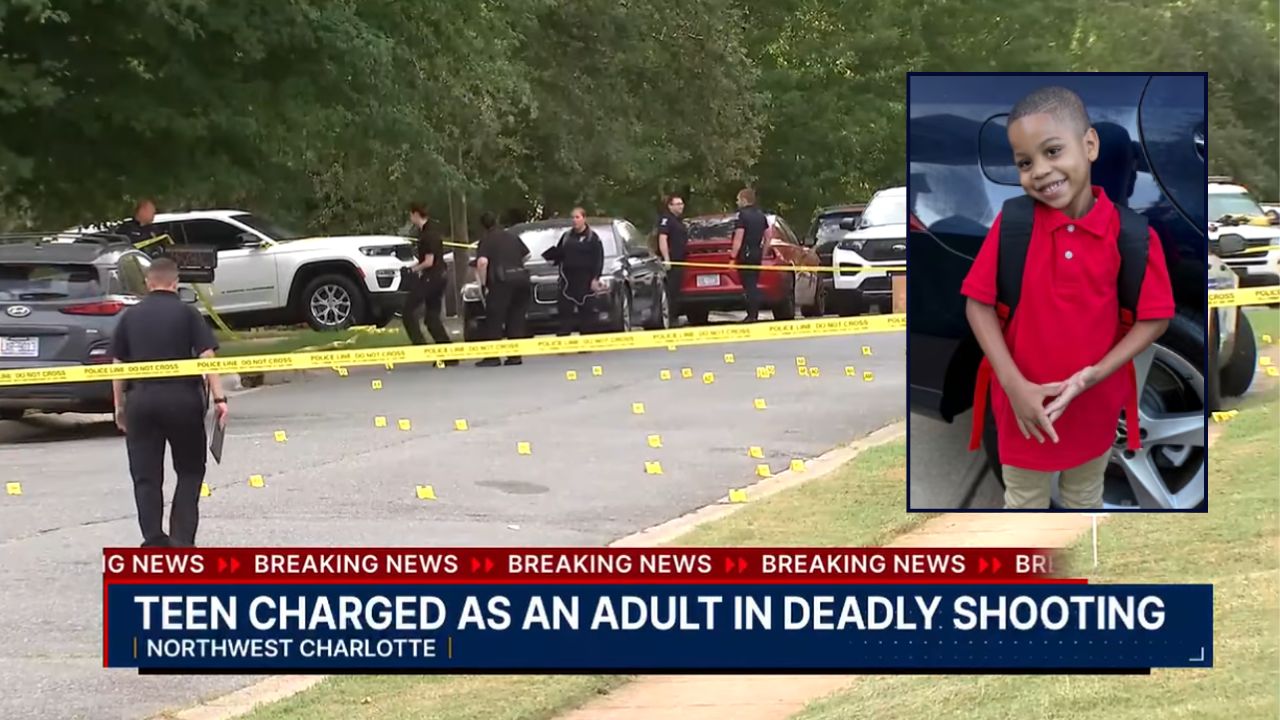
The following individuals have been charged in connection with Caleb Flax’s death:
- Ar’montae Johnson (16): Charged with murder, attempted murder, conspiracy to commit a felony, and four counts of shooting into an occupied dwelling.
- Jaylen Vontae Barber (16): Charged with murder, attempted murder, conspiracy to commit a felony, and four counts of shooting into an occupied dwelling.
- Antonio Kahron Ladson (17): Charged with murder, attempted murder, conspiracy to commit a felony, and four counts of shooting into an occupied dwelling.
- Ian Garland (17): Charged with murder, attempted murder, conspiracy to commit a felony, and four counts of shooting into an occupied dwelling.
- Terrance Jackson (22): Charged with accessory after the fact for his role in the disposal of the stolen Infiniti.
The fact that the majority of the suspects are juveniles – teenagers as young as 16 – has sent a ripple of concern through Charlotte, prompting difficult conversations about youth violence and accountability. These young ages underscore a worrying trend of increasing involvement of minors in serious, often deadly, criminal acts. While these arrests represent significant progress, Chief Patterson reiterated that the investigation remains active, and there are still outstanding suspects believed to be involved in the deadly shooting. "Much of that work happens behind the scenes. It is the methodical, persistent work of detectives putting the pieces of a case together, following every lead, examining evidence, conducting interviews and working to identify everyone responsible," Patterson stated. "We will not rest until every person responsible for this tragedy is brought to justice," she affirmed, emphasizing the department’s unwavering commitment to the full extent of the law.
Charlotte’s Ongoing Struggle with Gun Violence
The murder of Caleb Flax is a stark and painful reminder of the persistent challenge of gun violence plaguing urban communities across the United States, including Charlotte. While specific year-over-year statistics can fluctuate, major cities like Charlotte consistently grapple with elevated rates of homicides and non-fatal shootings. For instance, like many growing metropolitan areas, Charlotte has seen periods of increased gun violence, with statistics from recent years often showing dozens of homicides annually, many of which involve firearms. A significant portion of these incidents are often linked to gang-related activities, drug disputes, or, as in Caleb’s case, cycles of retaliatory violence that frequently spill over into innocent neighborhoods, causing collateral damage.
The indiscriminate nature of such attacks, where dozens of bullets are fired into residential areas, highlights a terrifying trend. These acts not only claim lives but also instill deep-seated fear, eroding the sense of security that residents, especially children, should feel within their own homes. The use of stolen vehicles in the commission of serious crimes is also a recurring issue for law enforcement, complicating investigations and demonstrating a level of calculated planning by perpetrators. These vehicles are often used to facilitate quick escapes and provide anonymity, making them attractive tools for criminal enterprises seeking to evade capture.
Moreover, the involvement of juveniles in such severe crimes points to broader societal issues, including potential lack of opportunities, exposure to violent environments, and the alarming ease of access to firearms. Experts often cite a complex interplay of socioeconomic factors, mental health challenges, and the influence of peer groups as contributing elements to the rising tide of youth involvement in violent offenses. The tragedy of Caleb Flax forces a critical examination of these underlying causes and the effectiveness of current prevention and intervention strategies. It highlights the urgent need for community-wide initiatives aimed at diverting youth from crime and providing them with pathways to constructive futures.
Official Responses and Community Outcry
The Charlotte-Mecklenburg Police Department, under Chief Patterson’s leadership, has been vocal in its condemnation of the violence and its commitment to public safety. In her public statements, Chief Patterson underscored the profound breach of trust and safety represented by Caleb’s death. "Caleb should have been safe in his own bed," she stated, her words echoing the outrage and sorrow felt throughout the community. "Instead, his life was ended in an act of unthinkable violence, and another victim was wounded." Her emphasis on the "methodical, persistent work of detectives putting the pieces of a case together, following every lead, examining evidence, conducting interviews and working to identify everyone responsible" aimed to reassure a shaken public that justice was being diligently pursued and that no stone would be left unturned.
The tragedy has also elicited a strong reaction from the wider Charlotte community, prompting renewed calls for action against gun violence. Local leaders, community activists, and concerned citizens have voiced their shock and sorrow, demanding accountability for those responsible and advocating for more robust preventative measures. Neighborhood watch groups have reported heightened anxiety, and community forums have been convened to discuss safety concerns. The senseless loss of a child is a universal trigger for grief and a catalyst for collective introspection on how such events can be prevented in the future, often leading to calls for increased police presence, youth mentorship programs, and greater investment in struggling communities.
A Family’s Unbreakable Bond and Quest for Justice
For Caleb Flax’s family, the grief is immeasurable. Frank Abdul, Caleb’s grandfather, spoke to local ABC affiliate WSOC, expressing a mixture of profound sorrow and gratitude for the progress made by law enforcement. "When the chief came out here, she said they were gonna do their job, and we are thankful for that," he said, reflecting the family’s reliance on the justice system to provide answers and consequences. His words conveyed the family’s determination to remain engaged in the legal process, promising to "be ready for every court date they put out there." This commitment underscores the long and arduous journey ahead for the family, as they navigate the complexities of the judicial system while simultaneously mourning their devastating loss.
Caleb was his mother’s only child, and their bond was described as "unbreakable" in a GoFundMe campaign established to assist the family. The description paints a heartbreaking picture of a mother’s unimaginable pain: "She is deeply hurt and going through an unimaginable traumatic process as she faces the loss of her son." The campaign also highlights Caleb’s vibrant spirit and the joy he brought to his family, making his premature death even more poignant. The outpouring of support from the community, both financial and emotional, garnered through such initiatives often becomes a lifeline for families shattered by such sudden and violent tragedies, allowing them to focus on healing and seeking justice rather than the immediate financial burdens. The family’s resolve to seek justice is a powerful testament to their love for Caleb and their desire to see those responsible held fully accountable.
Implications and the Path Forward
The murder of Caleb Flax serves as a somber reminder of the far-reaching implications of unchecked violence. Beyond the immediate loss of life and the grief of a family, such incidents erode the fabric of community safety, foster distrust, and underscore the urgent need for comprehensive solutions. The involvement of multiple young suspects in a premeditated act of extreme violence presents a significant challenge for the justice system, which must balance accountability with considerations for juvenile rehabilitation and the prevention of future offenses. Depending on North Carolina law, these teenage suspects could potentially be tried as adults given the severity of the charges, facing the possibility of life imprisonment.
The ongoing legal proceedings will undoubtedly be complex, involving multiple defendants and severe charges that could see the teenage suspects tried as adults, facing potentially lengthy prison sentences. The outcome of these trials will be closely watched by the Flax family and the broader community, as it will signal the legal system’s response to such egregious acts and set a precedent for similar cases of youth violence.
Looking ahead, the tragedy calls for a multi-faceted approach to addressing the root causes of violence. This includes strengthening community-based intervention programs that offer alternatives to crime for at-risk youth, enhancing efforts to curb illegal gun trafficking, and fostering greater collaboration between law enforcement, schools, and social services. Addressing the socioeconomic disparities that often fuel despair and violence, alongside robust mental health support for young people, is paramount. While arrests bring a degree of accountability, the ultimate goal must be to prevent such horrors from ever happening again, ensuring that every child, like Caleb Flax, can sleep safely in their own bed, free from the shadow of violence. The memory of Caleb Flax will undoubtedly serve as a potent symbol in Charlotte’s ongoing fight for a safer future, demanding sustained attention and concerted efforts from all sectors of society.


 Yuyun Lusiyani
 Joko Widodo
 Eva Lovia
 Pevita Pearce
 admin
admin
 Lina Irawan