
 Ana Megawati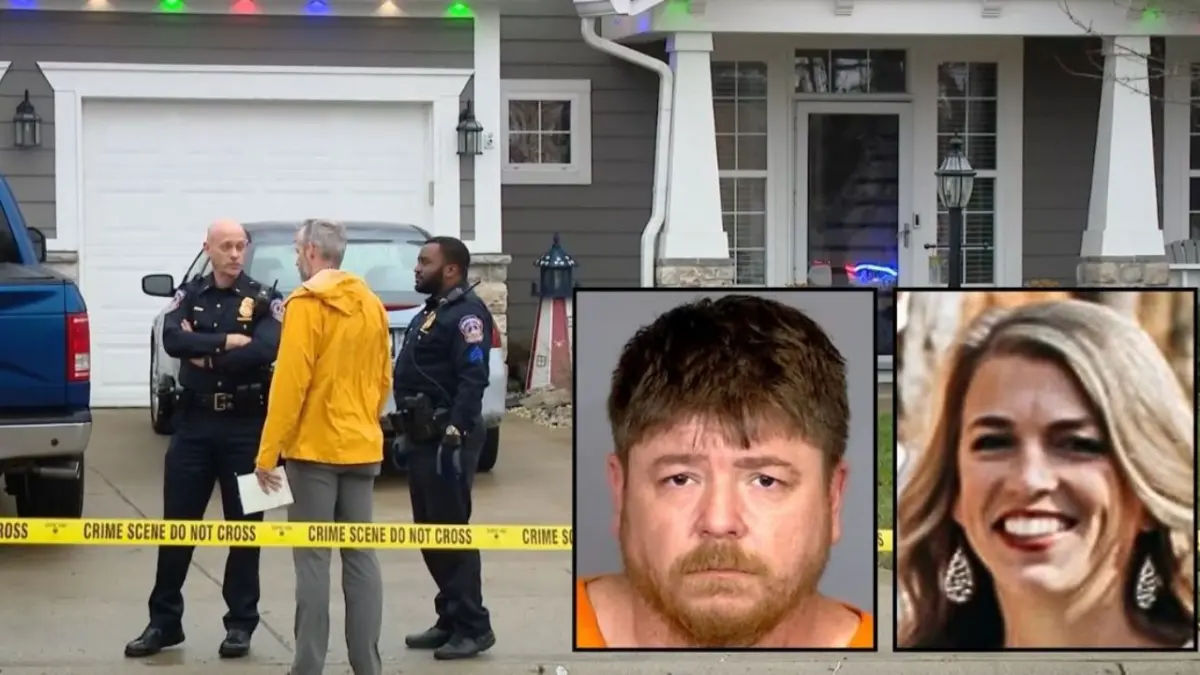
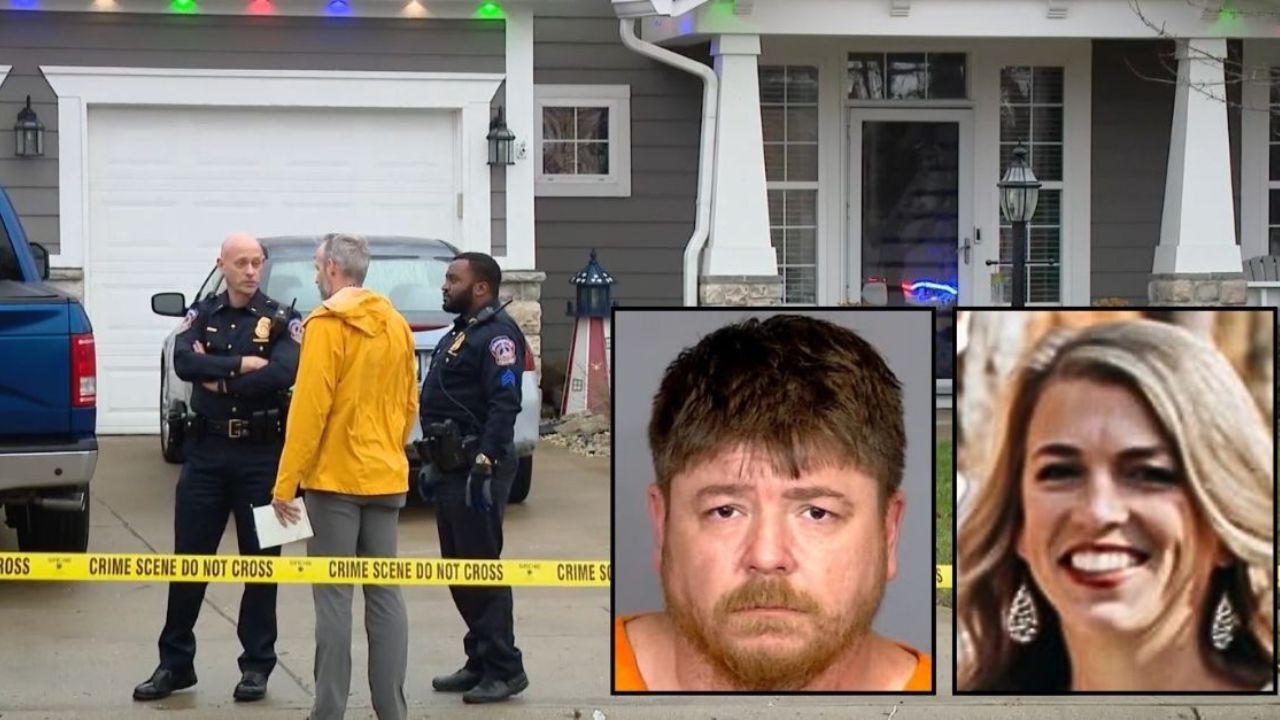
Indianapolis, Indiana – Cecil Mains, 47, of Indianapolis, has been sentenced to 45 years in state prison, followed by five years of probation, for the murder of his wife, Jeri Mains, 44, in December 2025. The devastating incident, which saw Jeri Mains shot and killed in front of their four children, has drawn sharp attention to the systemic challenges within the domestic violence protection framework, particularly the tragic delay in processing a protective order filed by the victim just days before her death due to a holiday court closure.
The Legal Outcome and Restrictive Orders
The sentencing, handed down on Monday, marks a somber conclusion to a case that deeply impacted the Indianapolis community and underscored the urgent need for accessible legal protection for victims of domestic abuse. Mains, who pleaded guilty to murder on August 26, received a sentence that also includes a strict no-contact order with the couple’s children for the entire duration of his incarceration. Court minutes from the sentencing hearing specify that "After age 18, protected persons can petition the court to lift no contact orders," a provision that acknowledges the children’s future autonomy while prioritizing their immediate safety and healing from profound trauma.
The gravity of Mains’ actions was reflected in the court’s decision, which recognized the severe and lasting impact on his now motherless children. This ruling sends a clear message about the consequences of domestic violence, particularly when it escalates to homicide.
A Scene of Unspeakable Horror: The December 2025 Shooting
The murder of Jeri Mains unfolded on December 28, 2025, in a brutal act witnessed by the couple’s four children, aged 10, 14, 16, and 19. According to a probable cause affidavit obtained by Law&Crime, Cecil Mains used a .380 handgun, striking Jeri Mains in vital organs, including her heart, liver, and spine. The horror of the event was immediately communicated to emergency services through a series of frantic 911 calls made by the children.
"My dad is shooting my mom!" the youngest, a 10-year-old, reported to a 911 dispatcher, the terror palpable in their voice. "I’m hiding," the child continued, adding a heartbreaking plea, "My mom has a restraining order against him. … I can’t live without her." These words painted a vivid picture of the sheer terror and confusion that gripped the household.
Police records indicate that the 14-year-old was the first to dial 911, quickly followed by their 19-year-old and 16-year-old siblings. Dispatchers noted "a lot of commotion in the background" during these calls, testament to the chaos erupting within the home. The 19-year-old provided additional chilling details, stating, "My dad just shot my mom. He shot her in the house and in the driveway!" The sequence of events described by the children painted a picture of a relentless assault that tragically concluded with Jeri Mains’ body left in the driveway as Cecil Mains fled the scene in his Toyota Tundra. He was apprehended the following day after authorities located his vehicle and initiated a traffic stop.
A Cry for Help Unanswered: The Protective Order Delay
The tragic circumstances surrounding Jeri Mains’ death are compounded by the revelation that she had actively sought legal protection against her husband just days before the shooting. Court records show that Jeri Mains filed for a protective order on Christmas Day, December 25, 2025. However, due to the Christmas holiday and subsequent weekend, court offices were closed, preventing a judge from reviewing and signing off on the urgent petition. This critical delay, reported by local ABC affiliate WRTV and The Indianapolis Star, meant that the legal shield Jeri Mains desperately sought was not in place when she needed it most.
In her court petition, Jeri Mains explicitly described herself as a victim of domestic violence, detailing a recent assault on Christmas Eve where Cecil Mains allegedly used kitchen tongs, causing a laceration and bruising. Court officials, while confirming the existence of the "confidential" document to Law&Crime, acknowledged the procedural hurdle that left Jeri Mains vulnerable during a period of escalating abuse.
This incident has ignited a broader discussion about the accessibility of justice and protection for victims during non-business hours or holidays, prompting questions about the need for emergency judicial review mechanisms to prevent similar tragedies.
A History of Escalating Abuse
The probable cause affidavit and Jeri Mains’ protective order petition reveal a disturbing pattern of domestic abuse preceding the fatal shooting. Investigators spoke with Jeri Mains’ brother, who disclosed that his sister had "caught Cecil cheating on her" and subsequently "had Cecil move out of their residence," though the exact timeline for this separation remains unclear. Cecil Mains had reportedly begun living with his brother.
Jeri Mains’ brother further informed investigators about Cecil Mains’ history of physical abuse towards her, corroborating the incidents detailed in her protection order filing. The IndyStar elaborated on these past instances, painting a grim picture of escalating violence:
- December 10, 2025: During an argument, Cecil Mains allegedly punched a computer, causing a cup of hot chocolate to spill onto Jeri Mains.
- November 2025: Cecil Mains reportedly punched his wife in the face during another altercation, resulting in a nosebleed and facial bruising.
- Early 2025: Mains allegedly punched out the driver’s side window of his wife’s truck.
- Numerous Occasions: Jeri Mains’ petition also stated that Cecil Mains had repeatedly threatened to murder their four children and pets. The affidavit further supported this, noting that "[The 14-year-old child] stated in a previous disturbance she heard her father say he was going to kill them."
The protective order petition also recounted a chilling encounter on Christmas Eve, just prior to the shooting. Jeri Mains met Cecil Mains in a court parking lot after informing him of her intent to file for divorce. During this meeting, Jeri Mains recorded a conversation in which her husband allegedly threatened to kill himself in front of her and their children. These threats, combined with the history of physical violence, painted a clear picture of a highly volatile and dangerous situation, making the inability to secure the protective order even more tragic.
The Broader Context: Domestic Violence in Indiana and Beyond
The case of Jeri Mains is a stark reminder of the pervasive issue of domestic violence and the critical importance of effective protective measures. According to the National Coalition Against Domestic Violence (NCADV), an average of 20 people are physically abused by intimate partners per minute in the United States. Annually, this equates to more than 10 million women and men. In Indiana specifically, statistics from the Indiana Coalition Against Domestic Violence (ICADV) consistently show thousands of protective orders filed each year, highlighting the widespread nature of the problem. However, obtaining a protective order is often just one step; its effectiveness relies heavily on timely processing and consistent enforcement.
Protective orders, also known as restraining orders, are civil court orders designed to protect victims of domestic violence, stalking, sexual assault, or harassment. They prohibit the abuser from contacting or coming near the victim and can include provisions for temporary custody of children, exclusive use of a residence, and surrender of firearms. While generally effective in deterring further violence, their utility is compromised if they cannot be issued swiftly, especially in urgent situations.
Legal experts and victim advocates often emphasize that the period immediately following a victim’s decision to leave or file for divorce is often the most dangerous. This is when abusers may feel a loss of control, leading to an escalation of violence. Jeri Mains’ actions—filing for divorce and a protective order—placed her in this heightened risk category, underscoring the critical need for an always-on, responsive justice system for such emergent cases.
Impact on the Children: A Legacy of Trauma
The most profound and lasting impact of this tragedy falls upon Jeri Mains’ four children, who not only lost their mother but were forced to witness her brutal murder at the hands of their father. The GoFundMe description set up for the family poignantly states, "These kids have… endured more than any child should. All their lives have changed."
Witnessing domestic violence, particularly a parent’s murder, can inflict severe and long-lasting psychological trauma on children. Experts in child psychology and trauma indicate that children exposed to such extreme violence often suffer from Post-Traumatic Stress Disorder (PTSD), anxiety, depression, and behavioral issues. They may struggle with trust, develop attachment disorders, and experience difficulties in their own relationships later in life. The no-contact order for Cecil Mains, while necessary for their immediate safety, also highlights the irreparable rupture of their family unit and the complex grief they face. Support systems, including specialized counseling and a stable environment, will be crucial for these children as they navigate their recovery.
Systemic Implications and Calls for Reform
The tragic death of Jeri Mains has ignited a crucial conversation about the procedural gaps within the legal system designed to protect victims of domestic violence. The fact that a protective order could not be processed due to a holiday closure reveals a critical vulnerability that may exist in various jurisdictions across the country.
Advocacy groups for domestic violence victims have long pushed for continuous access to emergency legal services. "Victims of domestic violence don’t get holidays off from abuse," stated a representative from a national domestic violence advocacy organization, speaking generally about systemic issues. "The legal system must evolve to provide 24/7 access to critical protections, especially when lives are on the line." This sentiment resonates strongly with the circumstances of Jeri Mains’ case.
The incident serves as a poignant case study for judicial administrators and lawmakers to review and potentially revise policies regarding emergency protective orders. Options could include on-call judges during holidays and weekends, streamlined digital filing systems with immediate judicial review capabilities, or designated emergency court personnel. The goal is to ensure that no victim is left without legal recourse simply because of a calendar date.
Conclusion: A Community Reflects on Loss and Lessons
The sentencing of Cecil Mains brings a measure of legal closure to a profoundly painful chapter for the Mains family and the Indianapolis community. However, the emotional scars on Jeri Mains’ children and the broader questions raised about systemic failures in domestic violence protection will undoubtedly persist.
Jeri Mains’ story is a powerful testament to the courage of victims who seek to escape abusive relationships, and a tragic reminder of the dangers they face. Her case underscores the urgent need for a society that not only supports victims in coming forward but also provides an unequivocally robust and accessible system of protection, ensuring that no plea for help goes unheard, regardless of the day on the calendar. As the community moves forward, the hope remains that lessons learned from this devastating loss will lead to meaningful reforms, preventing similar tragedies in the future.




 Yuyun Lusiyani
 Joko Widodo
 Eva Lovia
 Pevita Pearce
 admin
admin
 Lina Irawan