
 Ana Megawati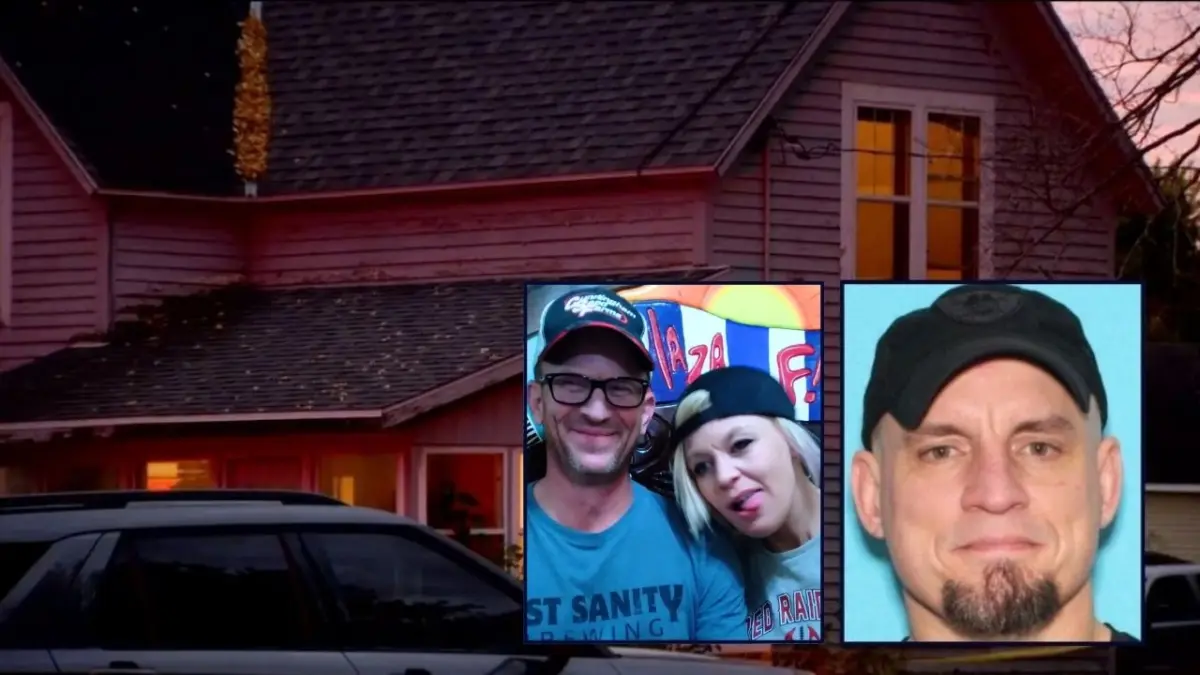
A Minnesota man, Randy Zimmerman, 46, has been sentenced to two consecutive life terms in prison for the premeditated and brutal murders of his ex-girlfriend, Tabitha Trescott, 32, and her new boyfriend, Justin Reinarts, 50. The heinous crime, which occurred in November 2025, involved a home invasion in Hanska, Minnesota, where Zimmerman used a shotgun to gun down the couple while Trescott’s children were present in the home. The sentencing, which took place on Monday, October 5, 2026, marks a significant closure for the victims’ families, though the deep scars of such violence will undoubtedly endure.
"I truly am sorry," Zimmerman stated during his sentencing, as reported by local CBS affiliate KEYC. However, his words offered little solace to the grieving families, who have borne the immense weight of the tragedy for nearly a year. The gravity of his actions, including a subsequent flight from justice that involved a high-speed chase and a confrontation with law enforcement in Iowa, underscores the profound disturbance and danger he posed.
The Horrific Night: A Home Invasion and Double Homicide
The events unfolded in the early morning hours of November 2, 2025, shattering the peace of a quiet Hanska neighborhood in Brown County, Minnesota. At approximately 4:20 a.m., Randy Zimmerman, driven by what authorities described as a pattern of domestic abuse and a vengeful possessiveness, illegally entered Tabitha Trescott’s home. Trescott was asleep in her upstairs bedroom with her new partner, Justin Reinarts.
The tranquility was violently broken when Zimmerman confronted the couple. One of Trescott’s two children, awakened by the commotion, bore witness to fragments of the terrifying ordeal. The child later recounted to authorities a chilling statement uttered by Zimmerman to Trescott just moments before the fatal shots were fired: "I gave you a chance." This phrase, chillingly devoid of remorse and laden with a sense of twisted entitlement, provides a harrowing glimpse into the perpetrator’s mindset.
Upon hearing the commotion and profanities, the child had ventured into the hallway to investigate, only to be met by Zimmerman, who was allegedly pointing a shotgun directly at him. The child was ordered back into his room, a command that likely saved his life but forced him to endure the sounds of the murders from behind a closed door. It was this courageous child who, despite the terror, managed to call 911, informing Brown County authorities that "his mom’s ex-boyfriend broke into their house and shot his mom," as detailed in a press release from the sheriff’s office.
Responding officers arrived to a scene of unimaginable horror. Inside the upstairs bedroom, they discovered the lifeless bodies of Tabitha Trescott and Justin Reinarts. Both victims had sustained fatal gunshot wounds to the head, and two spent shotgun shells were recovered from the scene, grim evidence of the brutal efficiency of the attack. The presence of multiple children in the home during the shooting amplifies the tragedy, highlighting the profound psychological trauma inflicted not just on the direct victims but also on their innocent dependents.
The Pursuit and Apprehension: A Multi-State Manhunt
Following the murders, Randy Zimmerman fled the scene, initiating a multi-state manhunt that highlighted his desperation and continued threat to public safety. He drove south, crossing state lines into Iowa. His flight was short-lived, however, as law enforcement agencies were quickly mobilized based on the 911 call and initial investigations.
Zimmerman’s attempt to evade justice culminated in Louisa County, Iowa, where he was spotted by local authorities. A high-speed car chase ensued, escalating the already dangerous situation. During the pursuit, Zimmerman reportedly fired a shotgun backwards at a Louisa County sheriff’s deputy from his vehicle, further demonstrating his disregard for human life and his willingness to engage in violence against law enforcement. Fortunately, the deputy was not injured.
Louisa County Sheriff Brandon Marquardt recounted the tense chase to Law&Crime, stating that Zimmerman "pulled a shotgun out of the window during the chase and fired one shot backwards at our deputy." The pursuit ended when police "pitted" Zimmerman’s vehicle, forcing it into a ditch. Even after his vehicle was disabled, Zimmerman resisted arrest, attempting to flee on foot into a nearby field. Officers quickly apprehended him after a brief foot chase, during which he was "tasered," as confirmed by Sheriff Marquardt.
Zimmerman was on the run for approximately 12 hours before his capture in Louisa County, Iowa. His apprehension brought an end to the immediate threat he posed, allowing communities in Minnesota and Iowa to breathe a collective sigh of relief.
The Legal Process: Plea Deal and Sentencing
The legal journey following Zimmerman’s capture was a meticulous process aimed at ensuring justice for Tabitha Trescott and Justin Reinarts. Zimmerman was extradited back to Minnesota to face charges in Brown County.
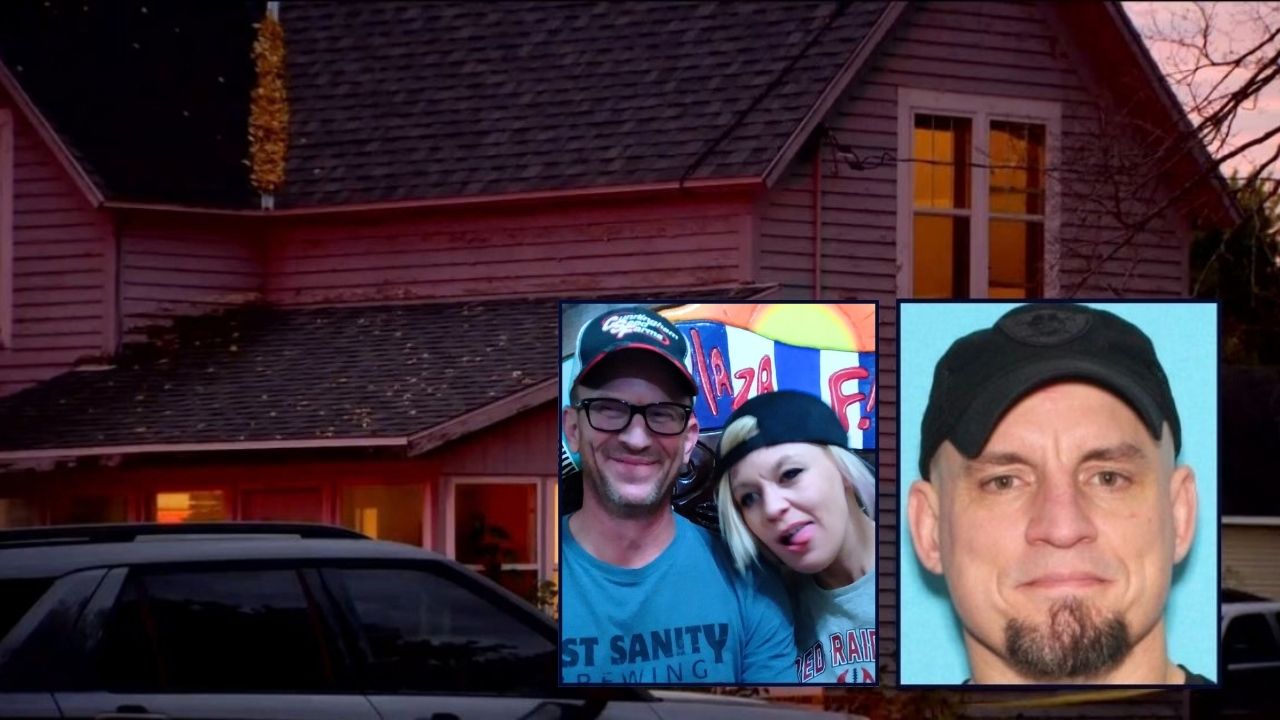
In August 2026, Randy Zimmerman pleaded guilty to two counts of first-degree murder. Specifically, he admitted to murder with intent while committing a felony and murder while committing domestic abuse with a past pattern of abuse. As part of a plea agreement with prosecutors, counts of premeditated murder were dismissed. This strategic legal maneuver often occurs when the prosecution aims to secure a conviction and avoid the uncertainties and lengthy appeals associated with a jury trial, especially when the evidence for premeditation might be complex to prove beyond all doubt, despite the obvious intent to kill. The guilty plea spared the victims’ families the ordeal of a protracted and emotionally draining trial, allowing them to begin the healing process sooner.
On Monday, October 5, 2026, Randy Zimmerman stood before the court for sentencing. He received two consecutive life terms, a crucial distinction in Minnesota law. Consecutive sentences mean that one prison term begins only after the other has been completed. In contrast, concurrent sentences would allow the terms to be served simultaneously. The imposition of consecutive life sentences ensures that Zimmerman will spend the remainder of his natural life incarcerated, reflecting the severe nature of the double homicide and the distinct loss of two lives. He was granted credit for 345 days already served, accounting for his time in custody since his arrest.
Victim Impact and Family Statements
The sentencing hearing provided a platform for the victims’ families to articulate the profound and irreparable damage inflicted by Zimmerman’s actions. Terri Smith, Tabitha Trescott’s mother, spoke emotionally to KEYC following the sentencing, expressing a sense of closure mixed with enduring grief. "A lot of weight is off of our family’s shoulders, we can sleep knowing that justice has been served," Smith stated, articulating the collective relief that Zimmerman would no longer pose a threat.
However, Smith’s words also carried a poignant warning, born from the bitter experience of losing her daughter to domestic violence. She urged others trapped in similar situations to recognize the insidious nature of abusive relationships. "If you’re in this kind of situation, please don’t think you can ever change that person, because you cannot," Smith implored. "No matter how many times they say I’m sorry it will never happen again. That I’m sorry it will never happen again is their way of saying it will be worse the next time around." Her statement underscores a critical message for public awareness regarding the cycle of abuse and the dangers of believing false promises of change from perpetrators.
The long-term psychological impact on Trescott’s children, who were present during the horrific events, is immeasurable. Witnessing such violence, particularly against a parent, can lead to severe and lasting trauma, including post-traumatic stress disorder, anxiety, depression, and difficulties in forming healthy relationships later in life. Their bravery in calling 911 undoubtedly saved their lives and initiated the process of holding their mother’s killer accountable, but it came at an unfathomable cost.
Broader Context: The Scourge of Domestic Violence
The tragic case of Tabitha Trescott and Justin Reinarts serves as a stark reminder of the pervasive and often deadly threat of domestic violence. Intimate partner violence (IPV) remains a critical public health issue across the United States, with grim statistics illustrating its widespread impact.
According to the National Coalition Against Domestic Violence (NCADV), nearly 1 in 4 women and 1 in 7 men have experienced severe physical violence by an intimate partner in their lifetime. Homicide by an intimate partner is a leading cause of death for women, and ex-partners are often the perpetrators. Studies show that a significant percentage of homicides involving female victims are committed by an intimate partner. In Minnesota alone, domestic violence consistently accounts for a substantial portion of violent crime reports and tragically, fatalities.
The "past pattern of abuse" cited in Zimmerman’s charges is a common red flag. Escalation is a hallmark of domestic violence, often progressing from emotional abuse to physical violence, and in the most extreme cases, to homicide, particularly when a victim attempts to leave the relationship. The moment a victim decides to leave an abusive relationship is statistically the most dangerous time, as perpetrators often feel a loss of control and may resort to extreme violence to regain it or punish the departing partner.
Resources and support systems are crucial for individuals experiencing domestic violence. Organizations like the National Domestic Violence Hotline, local women’s shelters, and victim advocacy groups provide confidential support, safety planning, and resources for those seeking to escape abusive situations. Public awareness campaigns aim to educate communities on recognizing the signs of abuse and offering help.
Implications and Community Response
The double murder profoundly impacted the small community of Hanska, a town that, like many rural areas, prides itself on its close-knit relationships and relative safety. Such an act of extreme violence shatters that sense of security and leaves residents grappling with grief, fear, and a renewed understanding of the vulnerabilities that can exist even in seemingly peaceful environments.
The case also highlights the critical role of law enforcement across jurisdictions. The seamless cooperation between Brown County, Minnesota, and Louisa County, Iowa, authorities was instrumental in the swift apprehension of Randy Zimmerman. This multi-state collaboration underscores the importance of inter-agency communication and resource sharing in tracking and capturing dangerous fugitives.
The justice system, through the plea agreement and the subsequent consecutive life sentences, has delivered a measure of accountability. While no legal outcome can ever truly compensate for the loss of life, it provides a sense of finality for the victims’ families and ensures that a dangerous individual will no longer threaten society. The focus now shifts to supporting the surviving children and the broader community in their long journey of healing and recovery. The tragic events in Hanska serve as a somber reminder of the enduring fight against domestic violence and the imperative to protect vulnerable individuals from its devastating consequences.


 Yuyun Lusiyani
 Joko Widodo
 Eva Lovia
 Pevita Pearce
 admin
admin
 Lina Irawan