
 Ana Megawati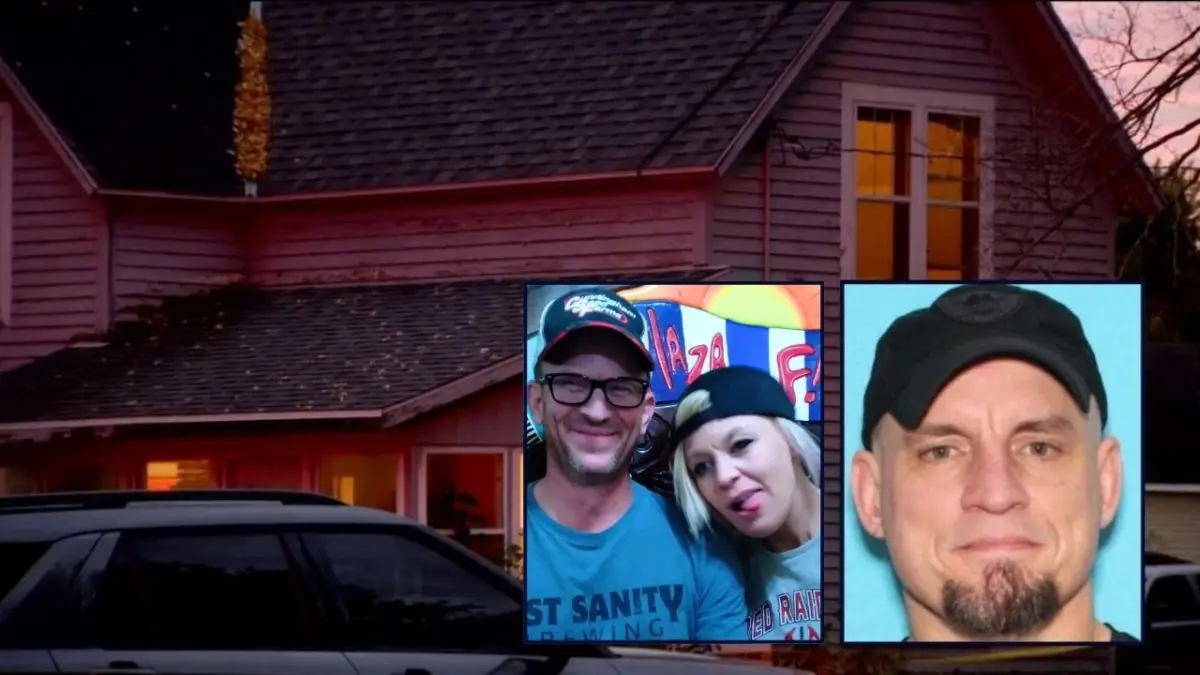
Randy Zimmerman, a 46-year-old Minnesota resident, has been sentenced to two consecutive life terms in prison for the brutal murders of his ex-girlfriend, Tabitha Trescott, 32, and her new boyfriend, Justin Reinarts, 50. The tragic incident, which occurred in the early morning hours of November 2, 2025, involved Zimmerman breaking into Trescott’s Hanska home and gunning down the couple with a shotgun while multiple children were present. The sentencing, handed down on Monday, October 5, 2026, in Brown County District Court, brings a measure of closure to the victims’ grieving families, as reported by local CBS affiliate KEYC. Zimmerman, addressing the court, offered a brief "I truly am sorry" before the judge delivered the stringent sentence, reflecting the heinous nature of his crimes.
The legal proceedings culminated in August 2026 when Zimmerman pleaded guilty to two counts of first-degree murder. These charges encompassed murder with intent while committing a felony and murder while committing domestic abuse with a past pattern of abuse. As part of a plea agreement with prosecutors, counts of premeditated murder were dismissed, a common strategy employed by the prosecution to ensure a conviction and spare victims’ families the emotional toll of a prolonged trial. The consecutive nature of the life sentences signifies that Zimmerman must complete the first life term before beginning the second, effectively ensuring he will spend the remainder of his natural life incarcerated, with no possibility of parole. This outcome was met with relief by the victims’ loved ones, particularly Tabitha Trescott’s mother, Terri Smith, who expressed to KEYC, "A lot of weight is off of our family’s shoulders, we can sleep knowing that justice has been served."
A Night of Terror: The Crime Unfolds
The horrifying events that led to the deaths of Trescott and Reinarts began in the pre-dawn hours of November 2, 2025. At approximately 4:20 a.m., Brown County authorities received a chilling 911 call from one of Tabitha Trescott’s two children. The child, displaying incredible bravery under duress, reported that his mother’s ex-boyfriend had forcibly entered their home and shot his mother. This urgent call immediately dispatched law enforcement to the residence in Hanska, a small, close-knit community in Brown County, Minnesota, that was suddenly gripped by unimaginable violence.
Upon arrival, deputies discovered a scene of profound tragedy. Tabitha Trescott and Justin Reinarts were found deceased in an upstairs bedroom, both having sustained fatal gunshot wounds to the head. Investigators located two spent shotgun shells in the room, corroborating the child’s account and the weapon used in the brutal attack. The presence of multiple children within the home during the shooting added another layer of trauma to an already horrific crime. These young witnesses not only endured the terrifying sounds of the invasion and gunfire but also the immediate aftermath of their mother’s murder and the confrontation with the perpetrator.
Further details from the criminal complaint, obtained by Minnesota NBC affiliate KARE, painted a grim picture of the moments leading up to the murders. One of Trescott’s children recounted waking to the sound of yelling and profanities emanating from within the home. Upon investigating, the child encountered Randy Zimmerman in the hallway outside their bedroom. In a moment that would forever scar the young witness, Zimmerman allegedly pointed the shotgun directly at the child and ordered them back into their room. The child also recalled a chilling statement Zimmerman made to Tabitha Trescott just before opening fire: "I gave you a chance." This phrase strongly suggests a motive rooted in possessiveness, control, and a vengeful response to Trescott moving on with her life, highlighting the tragic culmination of a volatile domestic situation. The terror experienced by the children, forced to confront an armed and enraged assailant in their own home, underscores the profound and lasting psychological impact such an event leaves on young survivors.
The Desperate Manhunt Across State Lines
Following the horrific double homicide, Randy Zimmerman immediately fled the scene, initiating an extensive manhunt that spanned state lines. His escape from the Brown County home led him eastward, eventually crossing into Iowa. The flight, however, was not without further acts of violence and defiance against law enforcement.
Approximately 12 hours after the murders in Hanska, Zimmerman’s vehicle was spotted by authorities in Louisa County, Iowa. What ensued was a high-speed car chase, a perilous pursuit across rural Iowa roads. During this dangerous chase, Zimmerman further escalated his criminal actions by allegedly opening fire on a sheriff’s deputy. Louisa County Sheriff Brandon Marquardt detailed the harrowing incident, stating, "He pulled a shotgun out of the window during the chase and fired one shot backwards at our deputy." Miraculously, the deputy was unharmed, but the act underscored Zimmerman’s desperate and dangerous state of mind, demonstrating his willingness to harm anyone who stood in his path.
The chase ultimately concluded when Iowa law enforcement officers successfully employed a "pitting" maneuver, forcing Zimmerman’s vehicle into a ditch. Even after his vehicle was disabled, Zimmerman resisted arrest, attempting to flee on foot into a nearby field. Officers quickly pursued him, eventually apprehending him after a physical struggle that involved the deployment of a taser. Sheriff Marquardt confirmed the details of the capture: "He was chased… and tasered." The 12-hour period Zimmerman spent on the run, marked by a cross-state flight and an armed confrontation with law enforcement, brought a temporary sense of fear and uncertainty to the communities involved, until his eventual capture in Louisa County brought relief and marked the end of his brief but violent flight from justice.
The Weight of Domestic Violence: A Premeditated Pattern
A critical element in Randy Zimmerman’s conviction was the specific charge of "murder while committing domestic abuse with a past pattern of abuse." This legal designation is not merely a formality; it reflects a documented history of abusive behavior by Zimmerman towards Tabitha Trescott. Such charges are often brought when there is evidence of ongoing physical, emotional, or psychological abuse, establishing a dangerous dynamic that predated the final, fatal act. The inclusion of this charge in the plea agreement underscores the prosecution’s understanding of the context surrounding the murders: this was not an isolated incident of rage, but rather the tragic culmination of a pattern of domestic violence.
The statement by Tabitha Trescott’s mother, Terri Smith, following the sentencing, resonates deeply with the realities of domestic abuse. Her poignant warning, "If you’re in this kind of situation, please don’t think you can ever change that person, because you cannot… No matter how many times they say I’m sorry it will never happen again. That I’m sorry it will never happen again is their way of saying it will be worse the next time around," serves as a stark reminder of the manipulative cycle inherent in abusive relationships. This insight is tragically validated by numerous studies on domestic violence, which consistently show that the period when a victim attempts to leave an abusive relationship is often the most dangerous. Abusers, driven by a desire for control and a sense of entitlement, frequently escalate violence when faced with the perceived loss of their partner.
Statistics from organizations dedicated to combating domestic violence reinforce the gravity of such situations. According to the National Coalition Against Domestic Violence (NCADV), domestic violence accounts for a significant portion of all violent crime. Moreover, studies indicate that 72% of all murder-suicides involve an intimate partner, and 94% of the victims in these crimes are female. The presence of a past pattern of abuse in Zimmerman’s case aligns with these grim statistics, illustrating how controlling behaviors can tragically escalate to fatal outcomes, especially when a partner seeks independence and new relationships. The phrase "I gave you a chance" uttered by Zimmerman before the murders, further exemplifies the abuser’s twisted sense of ownership and retribution, viewing the victim’s agency as a personal affront.
Victims Remembered: Tabitha Trescott and Justin Reinarts
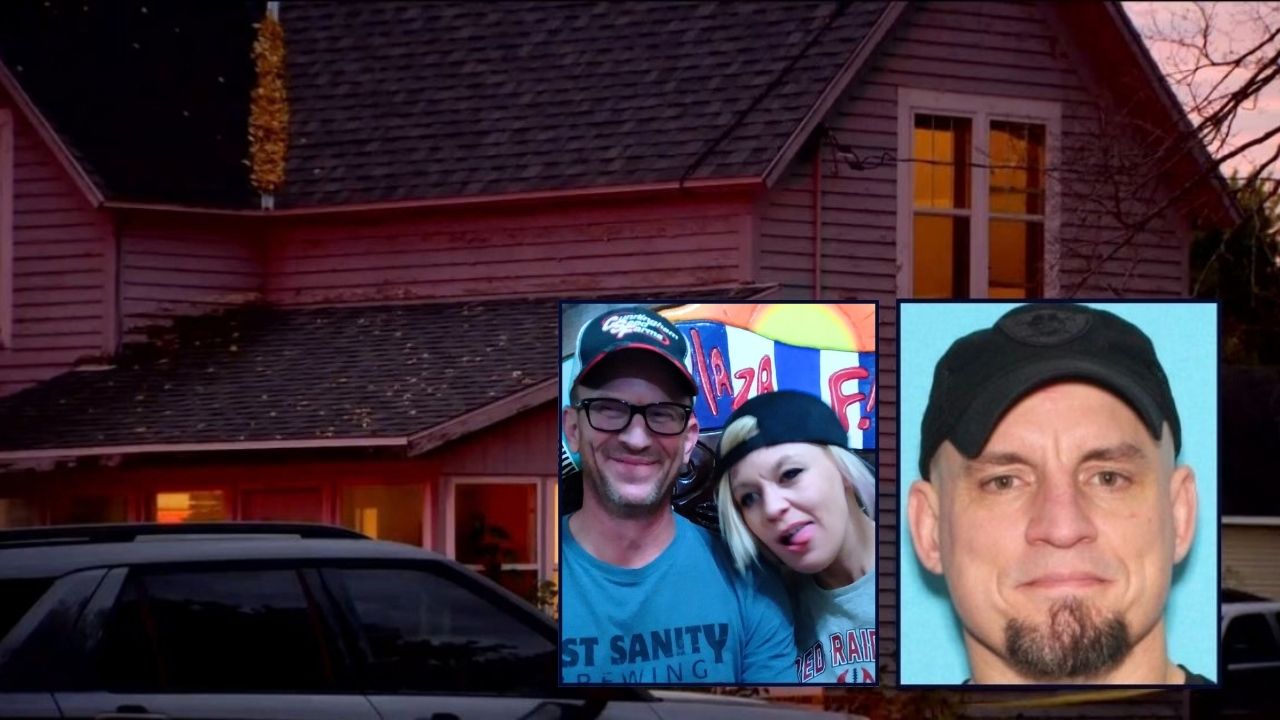
While the legal proceedings focused on Randy Zimmerman’s culpability, it is imperative to remember the lives tragically cut short: Tabitha Trescott and Justin Reinarts. Tabitha, at 32 years old, was a mother of two children who were present during the horrific events. Her decision to move forward with her life and pursue a new relationship with Justin Reinarts ultimately cost her dearly, a testament to the extreme dangers faced by individuals attempting to escape abusive situations. While specific details of her life are not extensively provided in the initial reports, the outpouring of support often seen in such cases, including the GoFundMe mentioned in the image caption, suggests she was a cherished member of her community, loved by her family and friends. Her children now face a future without their mother, bearing the indelible scars of witnessing such profound violence.
Justin Reinarts, 50, was Tabitha’s new boyfriend. His relationship with Tabitha, though tragically brief, represented a new chapter for both of them. Reinarts, too, was an individual with a life, family, and connections within the community. His presence in Trescott’s home symbolized a hopeful future that was brutally extinguished by Zimmerman’s actions. The loss of Reinarts not only impacted his own loved ones but also compounded the tragedy for Tabitha’s family, as they mourned two lives taken by senseless violence. Both Tabitha and Justin were innocent victims of domestic violence’s most extreme manifestation, their lives cut short due to an abuser’s inability to accept the end of a relationship. The sorrow and grief left in their wake are immeasurable, and their memory serves as a stark reminder of the devastating consequences of unchecked violence and control.
Legal Ramifications and the Plea Agreement
Randy Zimmerman’s guilty plea to two counts of first-degree murder, encompassing both murder with intent while committing a felony and murder while committing domestic abuse with a past pattern of abuse, was a significant development in the case. In Minnesota, first-degree murder is among the most serious criminal offenses, often carrying a mandatory sentence of life imprisonment. The decision by prosecutors to dismiss the premeditated murder counts, while seemingly a concession, is a calculated legal strategy. By securing a guilty plea on charges that still carry consecutive life sentences, the prosecution ensured a definitive conviction without the uncertainties and extensive resources required for a full trial. This approach also spared the victims’ families from enduring the traumatic recounting of events in open court, which can be a painful and drawn-out process.
The specific charges to which Zimmerman pleaded guilty are crucial. "Murder with intent while committing a felony" likely refers to the felony of breaking and entering or assault, underscoring the unlawful entry into Trescott’s home as an integral part of the murder. The "murder while committing domestic abuse with a past pattern of abuse" charge, as discussed, establishes the history of violence and control that underpinned Zimmerman’s actions. This demonstrates that the legal system recognized the domestic violence context, which is vital for understanding the motive and the systemic issues at play. The consecutive nature of the life sentences means that the legal system has imposed the maximum possible penalty short of the death penalty (which Minnesota does not have), ensuring that Zimmerman will never again pose a threat to society. The 345 days credit for time served, a standard practice in criminal sentencing, accounts for the period Zimmerman spent in custody awaiting trial and sentencing.
Broader Implications and the Call for Awareness
The Randy Zimmerman case, while a specific instance of extreme violence, carries broader implications for society, particularly concerning domestic violence and community safety. The tragic deaths of Tabitha Trescott and Justin Reinarts serve as a grim reminder of the pervasive and often deadly nature of domestic abuse. For small communities like Hanska, such an event can shatter a sense of security and leave lasting scars. The involvement of children as witnesses and indirect victims highlights the intergenerational trauma that domestic violence perpetuates.
This case underscores the urgent need for increased awareness, prevention, and intervention strategies for domestic violence. Law enforcement agencies, like the Brown County Sheriff’s Office and the Louisa County Sheriff’s Office, played a critical role in apprehending Zimmerman, but the focus must also be on preventing such tragedies from occurring in the first place. This includes supporting victims who are attempting to leave abusive relationships, providing safe housing options, and ensuring that abusers are held accountable for their patterns of control and violence before they escalate to fatal levels.
Organizations like the National Domestic Violence Hotline and local shelters offer vital resources for individuals experiencing abuse. The message from Terri Smith, Tabitha’s mother, is a powerful call to action for anyone in an abusive relationship: recognize the signs, seek help, and understand that an abuser’s promises to change are often empty and dangerous. The legal outcome in Zimmerman’s case, while providing justice for the victims, also serves as a societal warning about the devastating consequences when domestic violence is left unchecked. It reinforces the collective responsibility to protect vulnerable individuals, support survivors, and work towards a future where such senseless acts of violence are prevented. The memory of Tabitha Trescott and Justin Reinarts must endure not just as a tragedy, but as a catalyst for greater vigilance and compassion in addressing the silent epidemic of domestic abuse.




 Yuyun Lusiyani
 Joko Widodo
 Eva Lovia
 Pevita Pearce
 admin
admin
 Lina Irawan