
 Lina Irawan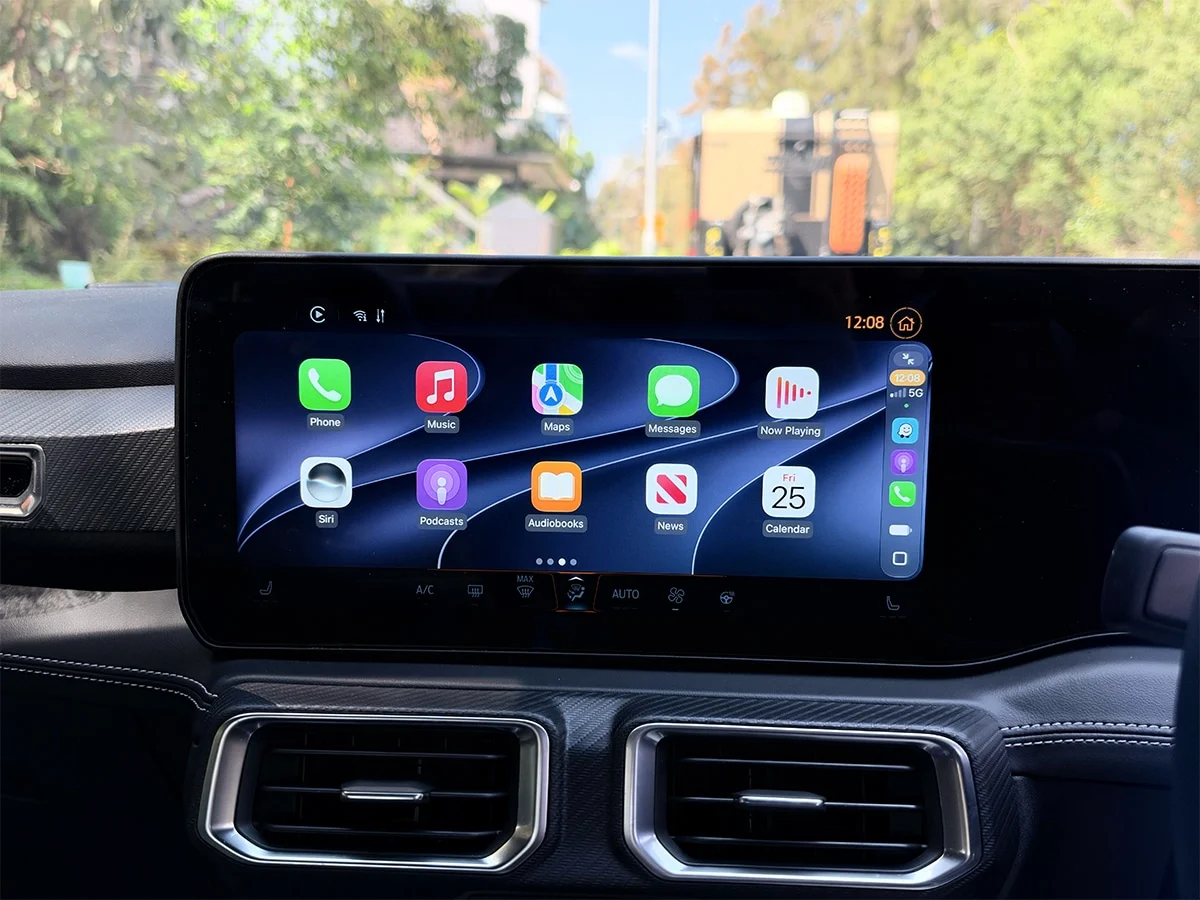
The release of iOS 27 marks a pivotal transformation in the relationship between mobile hardware and automotive software, introducing a suite of features that move Apple CarPlay from a secondary projection interface to a deeply integrated vehicle operating layer. This update focuses on three primary pillars: the infusion of generative artificial intelligence via Siri, the introduction of native video playback capabilities through AirPlay, and a sophisticated two-way telemetry exchange designed to optimize electric vehicle (EV) performance and navigation. While CarPlay has historically functioned as a simplified mirror of an iPhone’s core communication and audio apps, iOS 27 expands its functionality into the vehicle’s native hardware systems, allowing for unprecedented levels of customization and data sharing.
The Evolution of the Automotive Interface: Main Facts of iOS 27
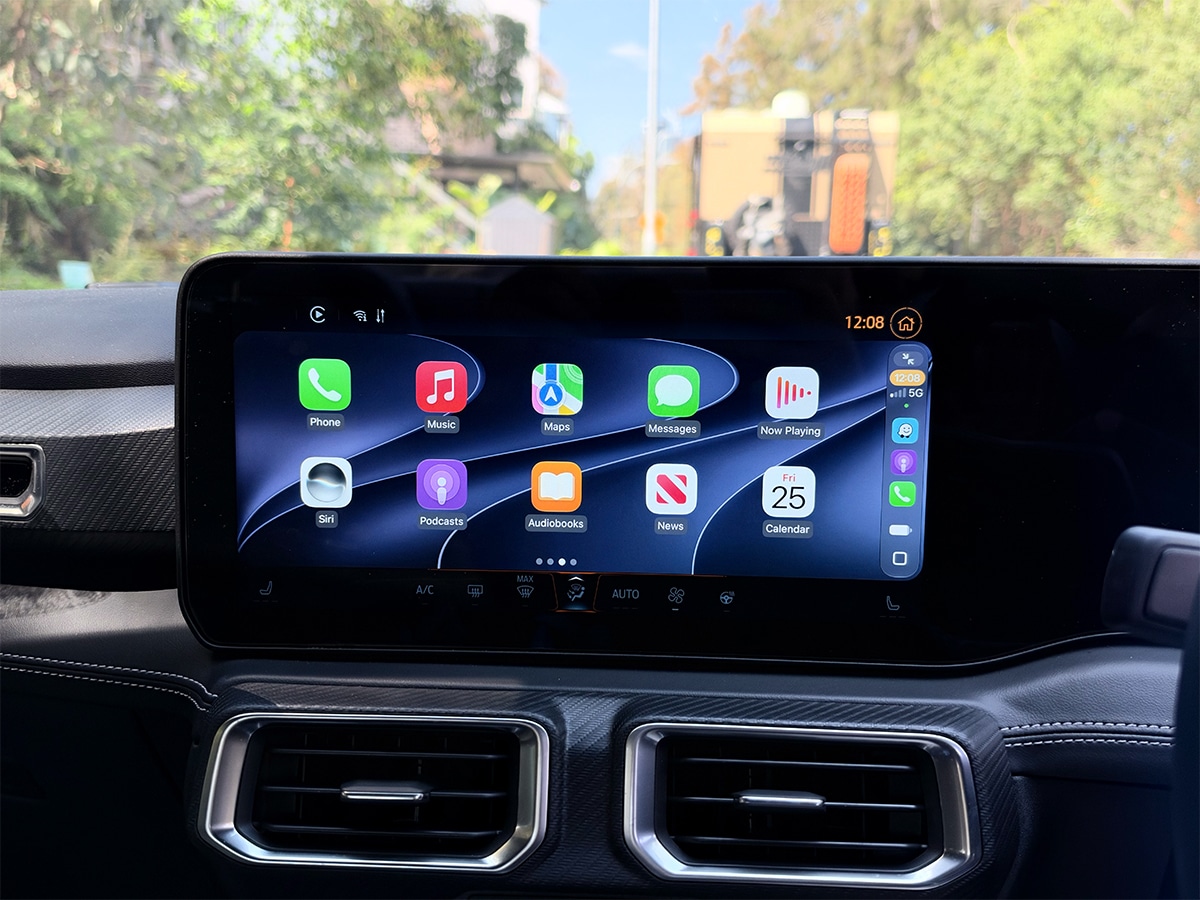
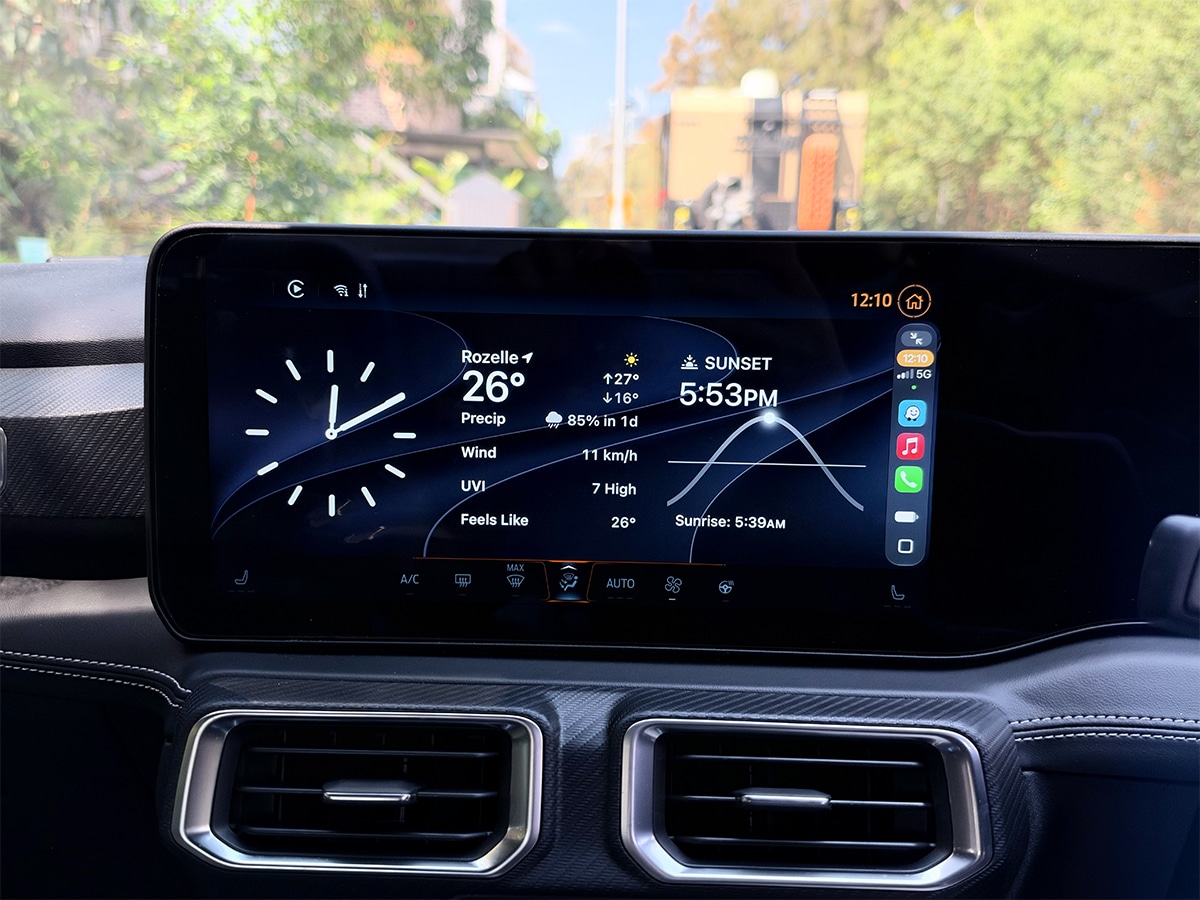
The most significant shift in iOS 27 is the transition from static application grids to a dynamic, widget-based dashboard. For the first time, Apple has opened the CarPlay dashboard to third-party developers, allowing users to pin widgets from any compatible iPhone application directly to their primary driving screen. This includes live sports scores, weather updates, and home automation controls, which were previously restricted to Apple’s first-party ecosystem.
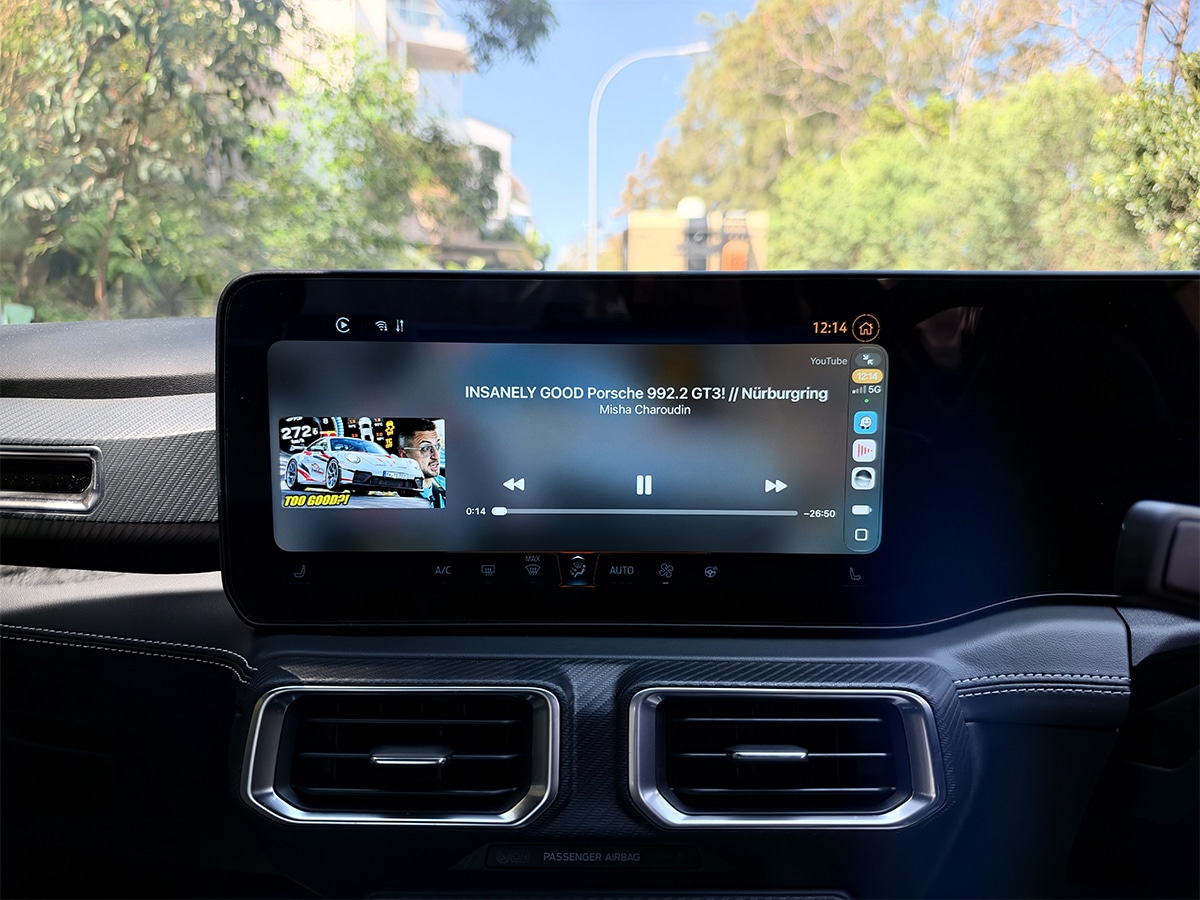
Complementing this visual overhaul is the introduction of a new MiniPlayer for the "Now Playing" template. This interface element allows for persistent audio control—including scrubbing, skipping, and pausing—without requiring the user to exit their navigation or dashboard view. Furthermore, the system now supports high-resolution list items with variable aspect ratios, enabling media apps to display more immersive album art, podcast thumbnails, and even live-status badges for sports and news events.
Generative Siri AI and Conversational Control
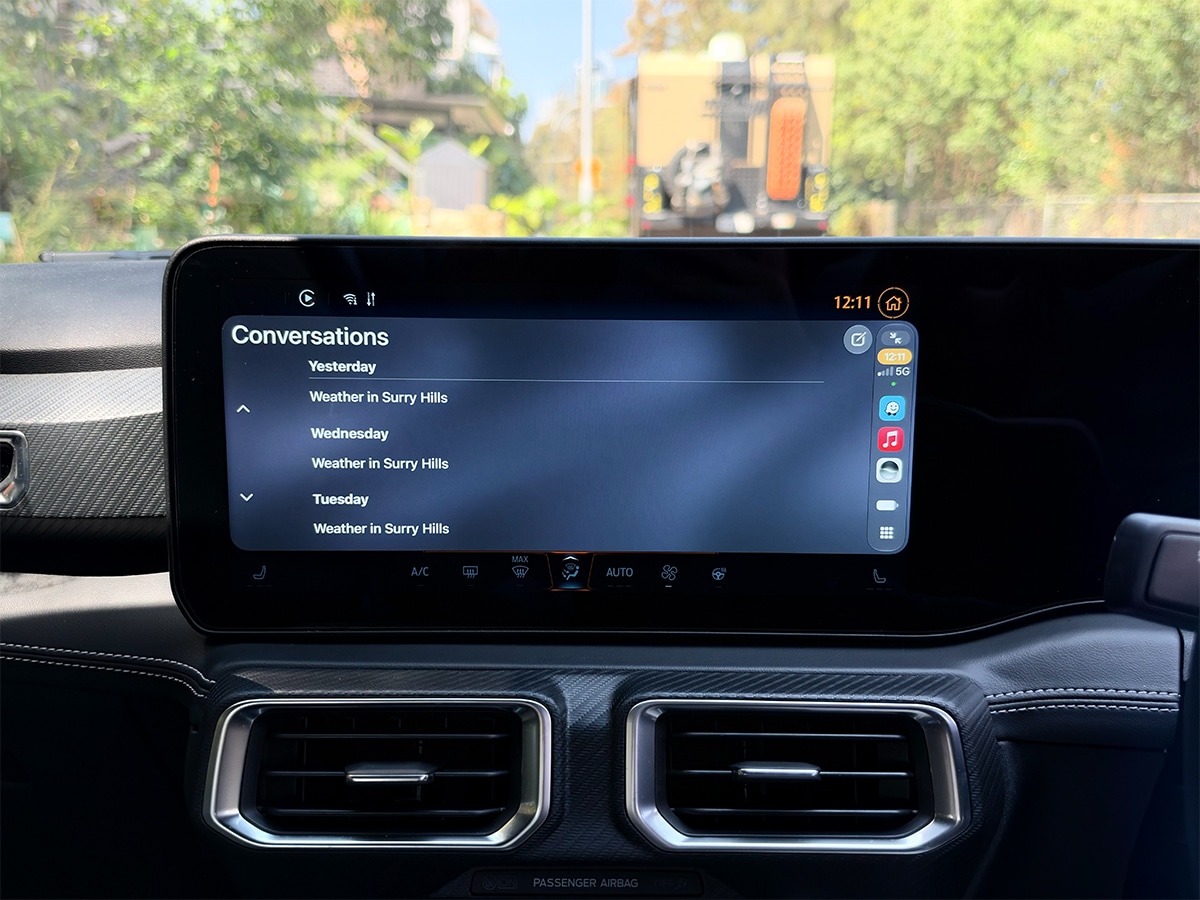
Voice interaction has long been the primary safety-compliant method for controlling CarPlay, but it often suffered from rigid syntax requirements and a lack of contextual awareness. Under iOS 27, Siri has been rebuilt using the latest Apple Intelligence frameworks, enabling a "conversational" mode that understands natural language and maintains context across multiple queries.
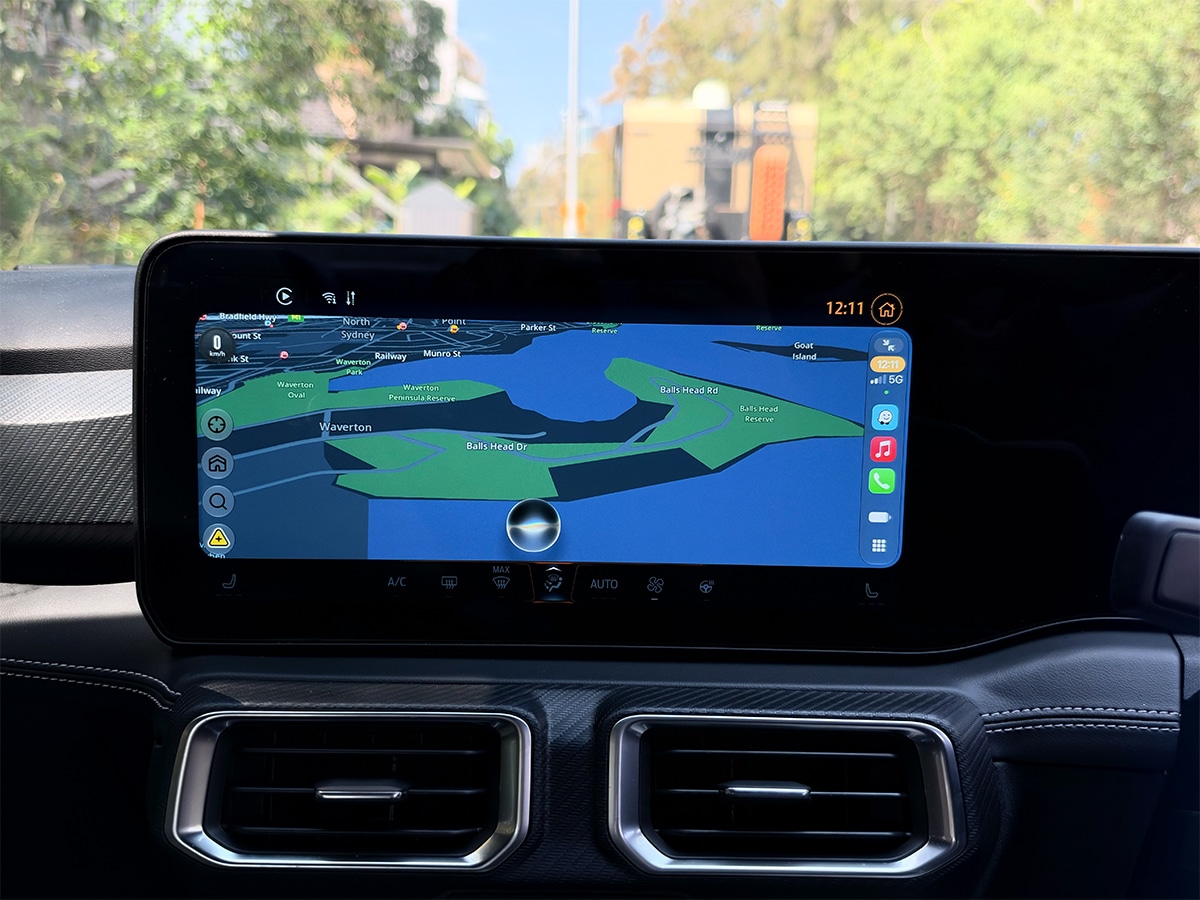
To facilitate this, Apple has introduced a dedicated Voice Control template for developers. When activated, an animated Siri icon appears as an overlay on the current screen—such as the navigation map—allowing the driver to issue commands without losing visual contact with their route. This system can handle complex, multi-step requests, such as "Find a coffee shop on the way that has outdoor seating and send the location to my passenger."

However, the hardware requirements for these AI features are specific. Due to the high computational demand of local large language models (LLMs), conversational Siri AI is restricted to devices equipped with the A17 Pro chip or newer, specifically the iPhone 15 Pro, iPhone 16 series, and subsequent models. Older devices will continue to use the legacy Siri interface, albeit with minor performance improvements.
Native Video Playback and AirPlay Integration
For years, Apple strictly prohibited video content on CarPlay to mitigate driver distraction. As vehicle displays have grown in size and resolution—often mimicking the specifications of high-end desktop monitors—the demand for in-car entertainment during stationary periods has surged. iOS 27 addresses this by introducing AirPlay-powered video playback.
This feature allows users to browse video libraries directly on the infotainment screen or cast content from their iPhone while the vehicle is parked. The framework includes native support for subtitles, multi-language audio tracks, and a "Do Not Disturb" focus mode that activates automatically upon playback.
Safety remains a cornerstone of this implementation. The system utilizes a "fallback" mechanism: the moment the vehicle is shifted into gear or detects motion, the video feed is immediately terminated, and the system reverts to an audio-only stream. Crucially, this feature is not "plug-and-play" for all vehicles. It requires automakers to certify their hardware for AirPlay video integration. As of the current rollout, no manufacturers have enabled this out of the gate, though industry analysts point toward Mercedes-Benz as a likely early adopter, following their successful collaboration with Apple on Spatial Audio and Dolby Atmos integration.
Deep Route Sharing and EV Telemetry
Perhaps the most technical advancement in iOS 27 is "Deep Route Sharing," a feature that bridges the gap between phone-based navigation and vehicle-based battery management. Historically, using Apple Maps or Google Maps via CarPlay meant the car’s internal computer was unaware of the destination, preventing it from pre-conditioning the battery for charging or accurately estimating range based on topography.
iOS 27 establishes a two-way telemetry exchange. The iPhone shares the precise route data with the vehicle’s native systems, allowing the car to calculate energy consumption based on real-time driving conditions. If the system detects that the destination is beyond the current battery range, it proposes specific charging stops. These suggestions are sent back to the CarPlay interface for driver approval. Once accepted, the updated waypoint is synchronized across both the iPhone and the vehicle’s heads-up display (HUD).
This integration also allows for "Custom Navigation Panels." Developers can now build independent UI elements that sit alongside the map, providing controls for specific vehicle functions—such as adjusting climate zones or monitoring tire pressure—without exiting the navigation environment.
Chronology of CarPlay Development
To understand the scale of the iOS 27 update, it is necessary to view it within the context of Apple’s decade-long automotive strategy:
- 2014: Apple launches "iOS in the Car," later rebranded as CarPlay, focusing on basic mirroring of Phone, Messages, and Music.
- 2019 (iOS 13): The introduction of the CarPlay Dashboard, allowing for a split-screen view of maps and media.
- 2021 (iOS 15): Support for digital car keys (CarKey) and enhanced Apple Maps details.
- 2022 (WWDC): Apple previews the "Next-Generation CarPlay," a full-vehicle OS capable of powering the instrument cluster and climate controls.
- Present (iOS 27): The rollout of modular widgets, generative AI, and deep hardware telemetry, serving as the bridge between the legacy projection system and the future full-system integration.
Supporting Data and Market Context
The importance of CarPlay updates is underscored by consumer data. According to Apple’s internal metrics, over 80% of new car buyers in the United States consider the availability of Apple CarPlay a "must-have" feature, often prioritizing it over the vehicle’s native infotainment system.
Furthermore, the rise of Electric Vehicles (EVs) has changed user behavior. Data from charging network providers suggests that the average EV driver spends between 20 and 45 minutes at a fast-charging station. This "dwell time" is the primary driver behind Apple’s decision to finally enable video playback, as it transforms the car into a mobile lounge during charging sessions.
Industry Reactions and Challenges
The automotive industry’s reaction to Apple’s expanding footprint is mixed. Brands like Porsche and Aston Martin have signaled a commitment to deep integration, showcasing designs for the "Next-Gen CarPlay" that replaces the traditional speedometer and tachometer with Apple-designed interfaces.
Conversely, some manufacturers are resisting. General Motors (GM) notably announced a shift away from CarPlay in its future electric models, opting instead for a built-in Google-based operating system. GM’s argument centers on the need for "greater integration" with vehicle sensors—a gap that iOS 27’s Route Sharing feature specifically aims to close. The success of iOS 27 may determine whether other manufacturers follow GM’s lead or return to the Apple ecosystem to satisfy consumer demand.
Broader Impact and Future Implications
The introduction of iOS 27 suggests a future where the distinction between a mobile device and a vehicle’s computer becomes increasingly blurred. By allowing third-party widgets and deep telemetry sharing, Apple is effectively decentralizing the car’s dashboard.
For developers, the new APIs (such as CPPlaybackConfiguration) provide a standardized way to push metadata to car screens, regardless of the vehicle’s make or model. This reduces the fragmentation that has plagued automotive software for decades. For users, it ensures a consistent experience across different vehicles, whether they are driving their own car or a rental.
As developers begin to trial these new features using the updated CarPlay Simulator in Apple’s Device Hub, the next several months will see a steady rollout of "intelligent" automotive apps. From navigation tools that can talk back to the driver to media players that provide cinematic experiences while parked, iOS 27 is the clearest indication yet that Apple views the car not just as a transport vessel, but as a primary platform for its growing AI and services ecosystem.




 Yuyun Lusiyani
 Joko Widodo
 Eva Lovia
 Pevita Pearce
 admin
admin