
 admin
admin
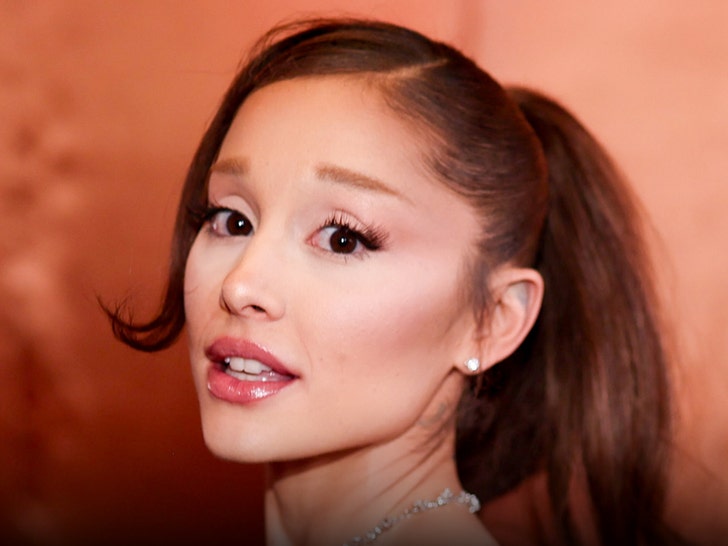
Pop superstar Ariana Grande has initiated a critical legal maneuver in her ongoing battle against individuals she alleges have been systematically hacking her accounts and leaking unreleased material for years. In newly filed court documents obtained by TMZ on August 19, 2026, Grande is seeking judicial authorization to subpoena internet platforms and other third-party entities. The objective of this request is to compel these organizations to disclose business records, subscriber information, and login data that could potentially reveal the true identities behind the anonymous accounts responsible for the cyber intrusions. This urgent request underscores Grande’s determination to move beyond the anonymity of "John Doe" defendants and bring the alleged perpetrators to justice.
The filing represents a significant escalation in Grande’s legal efforts, which began with a lawsuit filed last month against an unspecified number of "John Does." In that initial complaint, Grande accused these unknown individuals of illicitly accessing accounts belonging to her photographers and producers, subsequently pilfering and disseminating sensitive, unreleased music, photographs, and recordings. The current application for subpoenas is a direct attempt to leverage the legal system to pierce the veil of online anonymity, which the alleged hackers have skillfully exploited. Grande’s legal team asserts that they have now identified specific third parties that possess the crucial information needed to finally unmask those responsible for what she describes as a persistent and damaging cyber scheme.
A Persistent Cyber-Assault and the Quest for Accountability
Ariana Grande’s legal team detailed a long-standing pattern of cyber-attacks, claiming that the alleged scheme dates back to at least 2019. The sheer volume of compromised material is staggering, with the lawsuit specifically highlighting that 45 unreleased songs were reportedly stolen and leaked in 2023 alone. This figure represents a substantial portion of an artist’s creative output, underscoring the profound impact such breaches can have on an individual’s intellectual property and career trajectory. The continuous nature of these leaks, described by Grande as "ongoing," is a key factor driving the urgency of her current court application. She argues that any delay in obtaining the necessary records could result in the permanent deletion of crucial data, thereby allowing the alleged perpetrators to further evade accountability.
The legal strategy employed by Grande’s attorneys is a common but complex approach in cases involving anonymous online actors. Filing a "John Doe" lawsuit allows a plaintiff to initiate legal proceedings against unknown individuals, typically identified only by their online handles or IP addresses, with the intention of later discovering their true identities through discovery processes like subpoenas. This method is particularly vital in the digital age, where individuals can operate with a high degree of anonymity, making direct identification a significant challenge without judicial intervention. Grande’s request for subpoenas targets internet service providers (ISPs), social media platforms, and potentially peer-to-peer payment platforms that may hold the transactional and subscriber data necessary to link anonymous digital footprints to real-world identities.
The Broader Implications for Artist Rights and Digital Security
The case of Ariana Grande is not isolated but rather emblematic of a wider struggle faced by artists, creators, and entertainment companies in safeguarding their intellectual property in an increasingly digital and interconnected world. Music leaks, in particular, have plagued the industry for decades, but the sophistication and scale of these operations have intensified with advancements in technology. Unreleased material can be highly valuable, and its unauthorized distribution can severely disrupt album release cycles, marketing campaigns, and an artist’s creative control over their work.
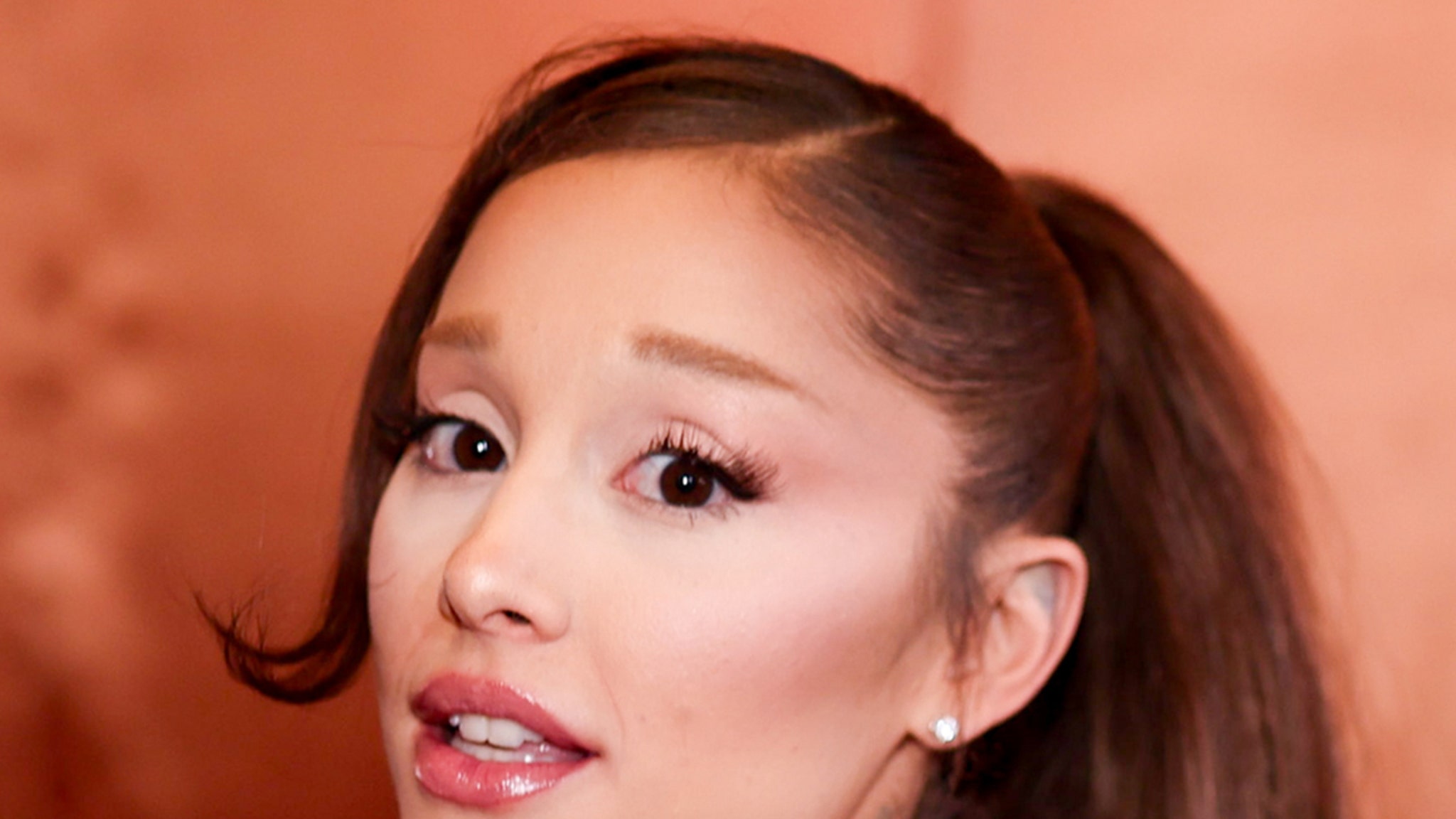
For an artist like Ariana Grande, whose career relies heavily on carefully curated releases and strategic marketing, such leaks can translate into significant financial losses, damage to reputation, and profound emotional distress. The creative process itself can be undermined when artists fear their work will be prematurely exposed or exploited. Beyond the immediate commercial impact, leaks can erode trust between artists and their teams, and between artists and their fan bases, creating an environment of paranoia and suspicion.
A History of High-Profile Cyber-Attacks in Entertainment
The entertainment industry has long been a prime target for hackers, with numerous high-profile incidents preceding Grande’s current predicament. From the infamous "Fappening" in 2014, which saw private photos of celebrities leaked, to various instances of unreleased movie scripts, TV show episodes, and musical albums making their way onto the internet, the industry has grappled with an ongoing cyber security crisis. Major studios and record labels have invested heavily in digital security infrastructure, yet sophisticated attackers continue to find vulnerabilities.
In the music world, artists ranging from Madonna and Beyoncé to Radiohead and Kanye West have experienced the frustration and financial harm caused by leaks. These incidents often involve hacking into personal accounts, cloud storage, or even the systems of producers and collaborators, mirroring the claims made by Grande. The motivations behind such hacks vary, from financial gain through illicit sales of leaked material to the desire for notoriety, or simply a misguided sense of "access" to exclusive content by ardent fans or organized groups.
The legal framework for addressing such cybercrimes is constantly evolving. Courts often balance the right to privacy and anonymity online with the need to protect intellectual property and hold individuals accountable for illegal activities. "John Doe" subpoenas are typically granted when a plaintiff can demonstrate a legitimate claim, a reasonable likelihood of identifying the anonymous party through the requested information, and that the information is directly relevant to the core of the lawsuit. Grande’s urgency in preventing the deletion of crucial data highlights the perishable nature of digital evidence and the race against time in cybercrime investigations.
The Technical and Legal Challenges of Unmasking Anonymous Hackers
Unmasking anonymous online actors presents formidable technical and legal challenges. Hackers often employ sophisticated techniques to obscure their digital footprints, including using virtual private networks (VPNs), proxy servers, encrypted communications, and peer-to-peer sharing networks, making it difficult to trace the origin of the leaks. Furthermore, jurisdictional issues can arise if the alleged hackers are located in different countries, complicating legal enforcement and the execution of subpoenas.
Grande’s focus on "internet platforms and other third parties" implies a comprehensive approach to data collection. This could include social media companies where leaked material might have been shared, file-hosting services, and potentially even dark web forums or marketplaces if evidence suggests illicit trading of her content. The cooperation of these platforms is crucial, though they often have their own legal obligations regarding user privacy and data protection, which can sometimes lead to lengthy legal battles over disclosure.
The reference to "peer-to-peer payment platforms" is particularly significant. If the hackers were monetizing the stolen material, these platforms could hold vital transaction records, including real names, bank accounts, and other identifying information. This avenue of investigation can often be the most direct route to identifying individuals, as financial transactions typically require a higher degree of verifiable identity.
Implications for Digital Rights Management and Future Precedents
Should Ariana Grande succeed in unmasking and prosecuting her alleged hackers, this case could establish important precedents for how artists and intellectual property owners combat digital piracy. A successful outcome would send a strong message to potential infringers that anonymity online is not absolute and that legal consequences can and will follow illicit activities. It could also encourage other artists to pursue similar legal avenues, thereby bolstering the broader fight against content piracy.
Conversely, the challenges inherent in this pursuit underscore the need for continuous innovation in digital rights management (DRM) technologies and enhanced cybersecurity measures across the entertainment ecosystem. The industry must constantly adapt to new hacking methods and find ways to secure content at every stage of its creation and distribution. Education for artists and their teams on best practices for digital security also remains paramount.
The outcome of Grande’s subpoena request will be closely watched by legal experts, cybersecurity professionals, and the entertainment industry alike. It represents a pivotal moment in the ongoing struggle between creators seeking to protect their work and those who exploit digital vulnerabilities for unauthorized gain. For Ariana Grande, this is more than just a legal battle; it is a fight to reclaim control over her art and to ensure accountability for those who have allegedly infringed upon her creative labor for years. The judge’s decision on her request to access these crucial records will determine the next chapter in this high-stakes legal drama, potentially paving the way for the unmasking of the individuals who have long hidden in the digital shadows. The pursuit of justice, in this instance, is a race against the clock, with the integrity of an artist’s work and the future of digital content security hanging in the balance.


 Yuyun Lusiyani
 Joko Widodo
 Eva Lovia
 Pevita Pearce

 Lina Irawan