
 admin
admin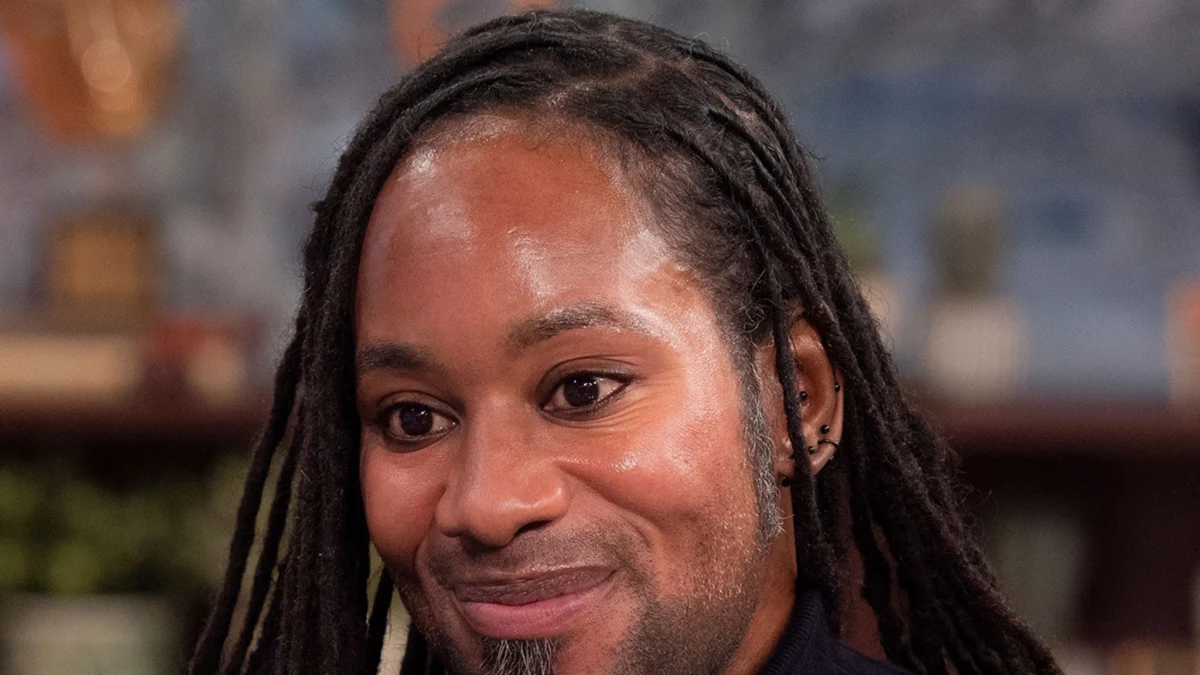
The academic world has been shaken by the sudden death of Jason Arday, the former Cambridge University professor who recently resigned amidst a high-profile plagiarism scandal. Arday, a prominent figure celebrated for his groundbreaking work on race and inequality, was found dead in London on Friday, August 15, 2026, at the age of 41. His passing comes just ten days after Cambridge initiated a formal investigation into his academic qualifications and honorary appointments, which ultimately led to his resignation from the prestigious institution.
The Tragic Announcement and Initial Police Findings
The news of Professor Arday’s death was confirmed by the University of Cambridge, sending a wave of shock and sorrow through the academic community and beyond. Professor Deborah Prentice, the Vice-Chancellor of the University, issued a poignant statement on Friday, expressing the institution’s profound grief. "We are desperately saddened to hear this tragic news," Prentice stated, conveying the University’s deepest condolences. "Our heartfelt sympathies go to Jason Arday’s family and friends at this incredibly difficult time." The statement underscored the somber mood prevailing at Cambridge, acknowledging the immense personal tragedy that has unfolded.
Details surrounding Arday’s death remain under investigation. The Metropolitan Police in London reported that officers were dispatched to a residential address on Friday afternoon following a report that a man had been found unresponsive. Upon arrival, emergency services declared the individual deceased at the scene. While police did not publicly release Arday’s name at the time, they confirmed that his next of kin had been notified. Investigators have characterized the death as "unexpected" but, critically, have stated that it is not considered suspicious. Authorities are actively working to ascertain the precise circumstances and cause of his death, with preliminary findings suggesting no foul play. The ongoing inquiry aims to provide clarity on the events leading to this tragic end, though no further details have been released to the public as of the time of reporting.
A Meteoric Rise and Unprecedented Appointment
Jason Arday’s academic career had been nothing short of meteoric, marking him as a trailblazer in British academia. In 2023, at the age of 37, he made history by becoming the youngest Black professor to be appointed at the University of Cambridge, assuming the role of Professor of Sociology of Education. This appointment was lauded as a significant step forward for diversity and representation within one of the world’s oldest and most esteemed universities. His arrival at Cambridge was met with widespread acclaim, celebrated not only for his youth and racial background but also for his compelling personal story and his academic prowess.
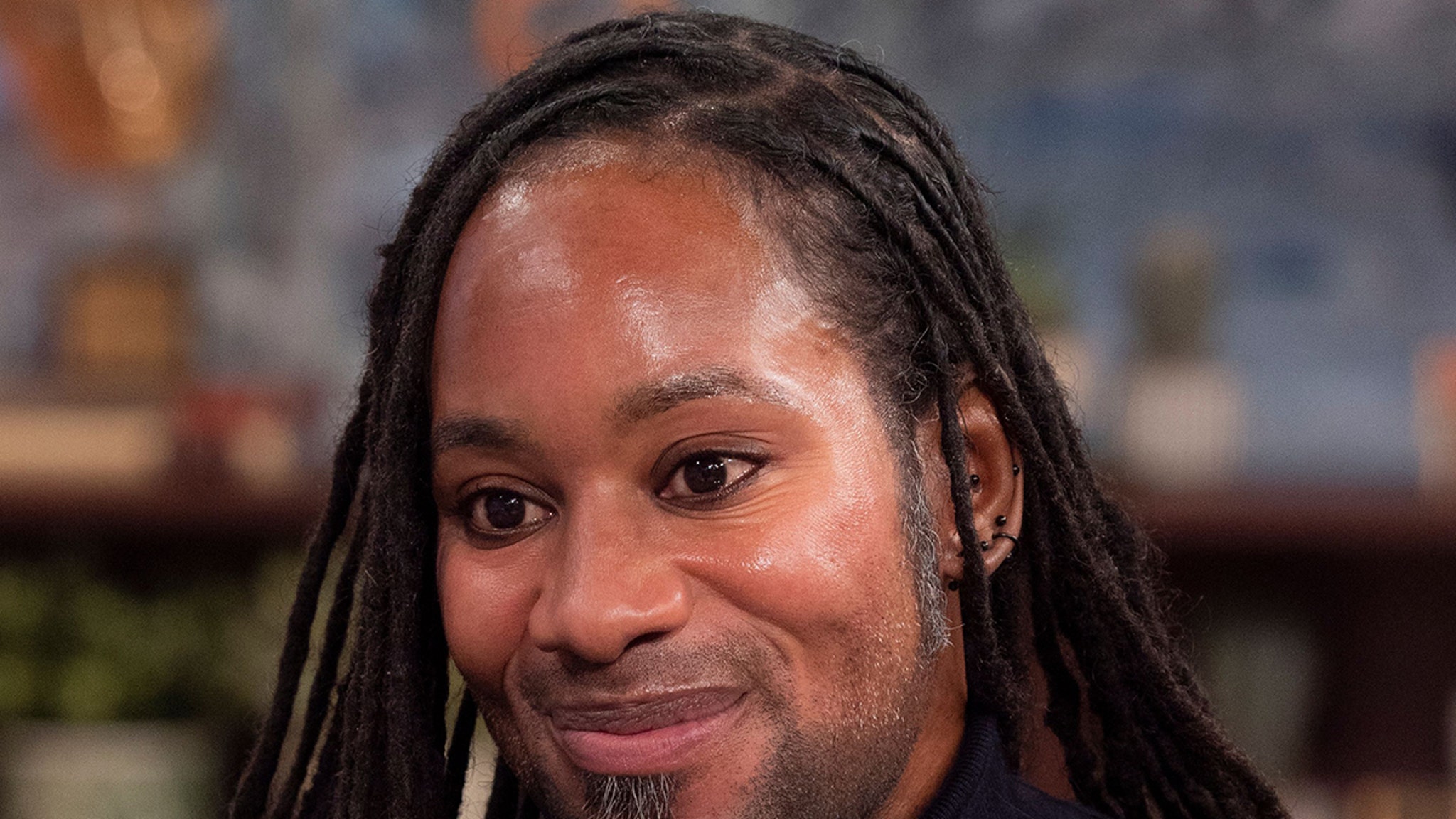
Arday’s research primarily focused on critical areas of race, social justice, and educational inequality, quickly establishing him as a leading voice in these fields. His work explored systemic barriers faced by marginalized communities, contributing significantly to scholarly discourse on how race and class intersect to shape educational outcomes and life chances. Prior to his Cambridge appointment, Arday held positions at other reputable universities, including Glasgow and Durham, where he also made substantial contributions to sociology and education departments. His publications and public engagements were widely recognized, earning him a reputation as an insightful and passionate advocate for social change through academic inquiry. His ability to articulate complex sociological theories in an accessible manner had garnered him a considerable following and respect among students, peers, and the wider public, making his fall from grace all the more shocking.
The Unraveling: Plagiarism Allegations Emerge
The edifice of Professor Arday’s distinguished career began to crack earlier this year with the emergence of serious allegations of academic misconduct, specifically plagiarism. These accusations initially surfaced concerning various aspects of his work, including scholarly articles, book chapters, and even his foundational doctoral thesis. The academic world, which prizes originality and intellectual honesty above all else, watched with growing concern as the claims gained traction.
The controversy escalated significantly when The Times of London published a damning exposé. The newspaper’s investigation meticulously scrutinized Arday’s 2015 Ph.D. thesis, uncovering what it described as "identical or near-identical" passages. These sections, it was alleged, appeared without proper attribution in a paper authored by a different researcher at an earlier date. Such findings strike at the heart of academic integrity, as a doctoral thesis is meant to be an original contribution to knowledge, rigorously peer-reviewed and validated. The implications of these findings were severe, casting a shadow over the legitimacy of his academic credentials and, by extension, his subsequent appointments and research.
Beyond the plagiarism claims, the British press also raised doubts about other aspects of Arday’s public narrative. Specifically, questions were posed regarding his assertions that he had raised an astonishing $7.4 million for charity through various athletic feats. Among these claims was the remarkable assertion that he had run 30 marathons in just 35 days. While such accomplishments would indeed be extraordinary, the lack of verifiable evidence or detailed records surrounding these endeavors led to skepticism. Critics and investigative journalists questioned the feasibility of these claims and the absence of robust documentation, further fueling concerns about the veracity of his public persona. These combined allegations painted a complex picture, challenging not only his academic integrity but also his broader credibility as a public figure.
Cambridge’s Response and Arday’s Resignation
Initially, the University of Cambridge publicly maintained a stance of support for Professor Arday, reflecting the standard institutional approach of presumption of innocence until proven otherwise and a commitment to due process. However, as the weight of the allegations grew, particularly following the detailed report in The Times of London, the University’s position began to shift. The evidence presented in the media, coupled with internal reviews, necessitated a more formal and stringent response.
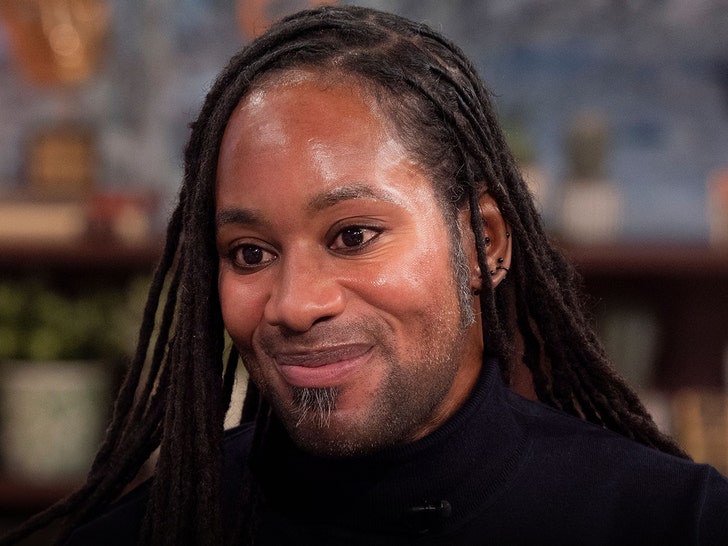
On August 5, 2026, Cambridge University announced that it had launched a comprehensive investigation into Professor Arday’s "qualifications and honorary appointments." This move signaled a serious institutional commitment to upholding academic standards and addressing the integrity concerns. Such investigations are typically exhaustive, involving meticulous examination of academic records, publications, and the processes by which appointments were made. The probe aimed to determine the extent of any academic misconduct and to review the validity of the credentials that underpinned his prestigious role at the University.
The initiation of this high-level investigation proved to be a turning point. Confronted with the prospect of a prolonged and intense scrutiny, Professor Arday made the decision to resign from his position at Cambridge. His resignation came shortly after the investigation was formally announced, indicating the immense pressure he faced. While the University did not release specific details surrounding his departure, it is widely understood that the ongoing probe and the reputational damage associated with the allegations made his continued tenure untenable. His resignation, therefore, represented a preemptive move ahead of any potential findings or disciplinary actions that might have resulted from the University’s inquiry.
Academic Integrity and Institutional Scrutiny
The case of Jason Arday has ignited a fervent discussion within the academic community regarding the crucial importance of academic integrity and the robust mechanisms required to uphold it. Plagiarism, at its core, represents a profound breach of trust – a theft of intellectual property and a fundamental violation of the principles upon which scholarly research is built. Institutions like Cambridge, with centuries-old traditions of intellectual rigor, face immense pressure to maintain impeccable standards, not only for their own reputation but also for the global credibility of academic scholarship.
This incident has prompted a renewed focus on vetting processes for senior academic appointments. Universities typically conduct thorough checks on candidates’ qualifications, publications, and professional histories. However, high-profile cases like Arday’s suggest that even stringent processes might, on occasion, miss subtle or deeply embedded issues. The reliance on published works, peer reviews, and external references, while generally effective, may need to be augmented by more proactive and comprehensive digital forensics, especially in an era where information is abundant and easily replicated.
Furthermore, Arday’s case touches upon the delicate balance between promoting diversity and maintaining academic standards. His appointment as the youngest Black professor at Cambridge was rightly celebrated as a milestone for representation. However, the subsequent allegations have unfortunately complicated this narrative, potentially leading to difficult conversations about how universities can simultaneously champion diversity initiatives and ensure that all appointments are beyond reproach in terms of academic integrity. The broader impact could be a call for even more transparent and rigorous vetting for all faculty, irrespective of background, to safeguard the sanctity of academic credentials and the trust placed in scholarly output.
Community Reactions and Legacy
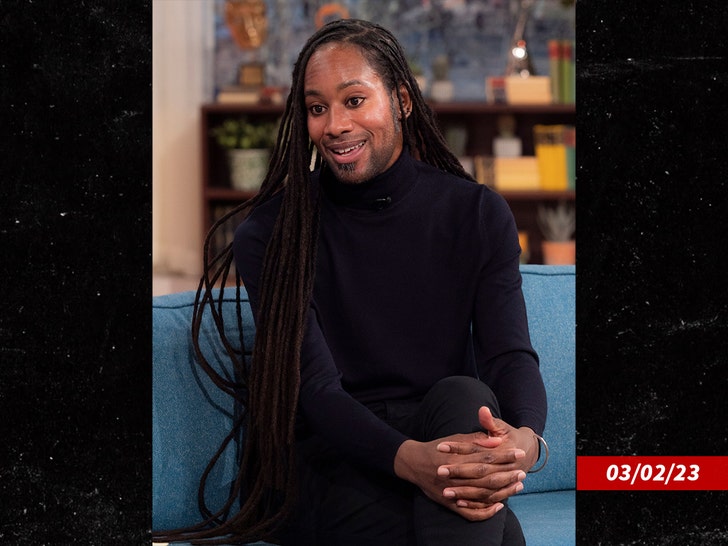
The news of Jason Arday’s death has undoubtedly sent shockwaves through various communities – his family and friends, the University of Cambridge, the wider academic world, and the Black academic community specifically. For his loved ones, it is an unimaginable tragedy, a personal loss compounded by the public nature of his recent struggles. The Vice-Chancellor’s statement reflects a recognition of this profound human element, extending sympathies beyond the institutional context.
Within Cambridge, colleagues and students who admired Arday’s work and celebrated his presence are grappling with a complex mix of grief, confusion, and disappointment. His contributions to the discourse on race and inequality were significant, and many were inspired by his journey and his advocacy. His death under these circumstances leaves a complicated legacy, intertwining his undeniable impact as a scholar with the unresolved questions surrounding his academic conduct.
The broader academic community will likely reflect on the immense pressures placed on academics, particularly those who rise rapidly and become public figures. The demands for groundbreaking research, prolific publishing, teaching excellence, and public engagement can be overwhelming, potentially leading to lapses in judgment or desperate measures. Moreover, the increased scrutiny faced by scholars from underrepresented backgrounds, who often carry the weight of representation, adds another layer of complexity to their professional lives.
Jason Arday’s story, tragically cut short at 41, serves as a stark reminder of the unforgiving landscape of academic integrity and the profound human cost when those standards are questioned. His passing closes a chapter on a promising, yet ultimately controversial, career, leaving behind a legacy that will be debated and analyzed for years to come. The University of Cambridge’s investigation, though no longer directly impacting Arday, may still proceed to understand the systemic issues, ensuring that the institution continues to uphold its centuries-old commitment to academic excellence and ethical conduct. The world mourns the loss of a life that, despite its complexities, undeniably aimed to make a significant mark on the understanding of social justice.



 Yuyun Lusiyani
 Joko Widodo
 Eva Lovia
 Pevita Pearce

 Lina Irawan