
 Lina Irawan
The contemporary approach to interior design has undergone a significant paradigm shift, moving away from the disruptive and costly nature of structural renovations toward a philosophy of intentional curation. In an era where "slow design" and "quiet luxury" dominate the architectural landscape, the focus has transitioned to the selection of high-impact accessories that redefine a room’s character through materiality, light, and form. Industry experts suggest that the atmosphere of a premium living space is often dictated not by the primary furniture, but by the secondary layers—the objects that occupy shelves, walls, and floors. This strategic movement toward "fewer things, chosen better" reflects a broader consumer trend prioritizing longevity and craftsmanship over the disposability of "fast furniture."
The Evolution of Contemporary Interior Design Strategies
The global home decor market, valued at approximately $715 billion in 2023, is projected to grow as homeowners increasingly view their living spaces as extensions of their personal identity. This growth is particularly visible in the premium segment, where Australian and international brands are competing to offer products that serve as "anchor pieces." These items are designed to harmonize existing elements—such as premium furniture and established layouts—that may otherwise feel disconnected.
The current design chronology reveals a departure from the stark minimalism of the 2010s toward a more "layered" aesthetic. This involves the integration of organic textures, natural stones, and artisanal lighting. The transition is largely driven by a post-pandemic realization that home environments must serve dual purposes: functional utility and psychological sanctuary. Consequently, the selection of home accessories has become a precise exercise in balancing form and function.

Strategic Lighting and the Architectural Silhouette
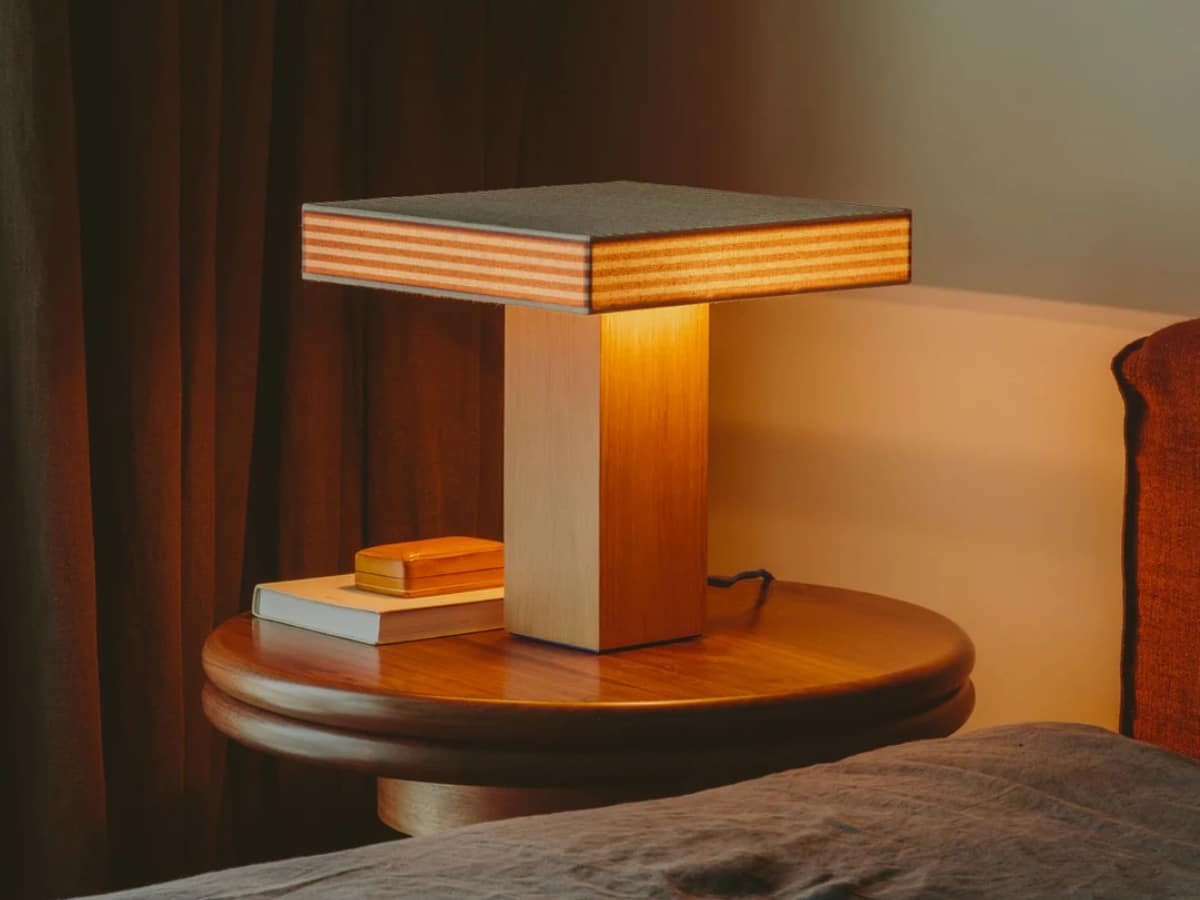
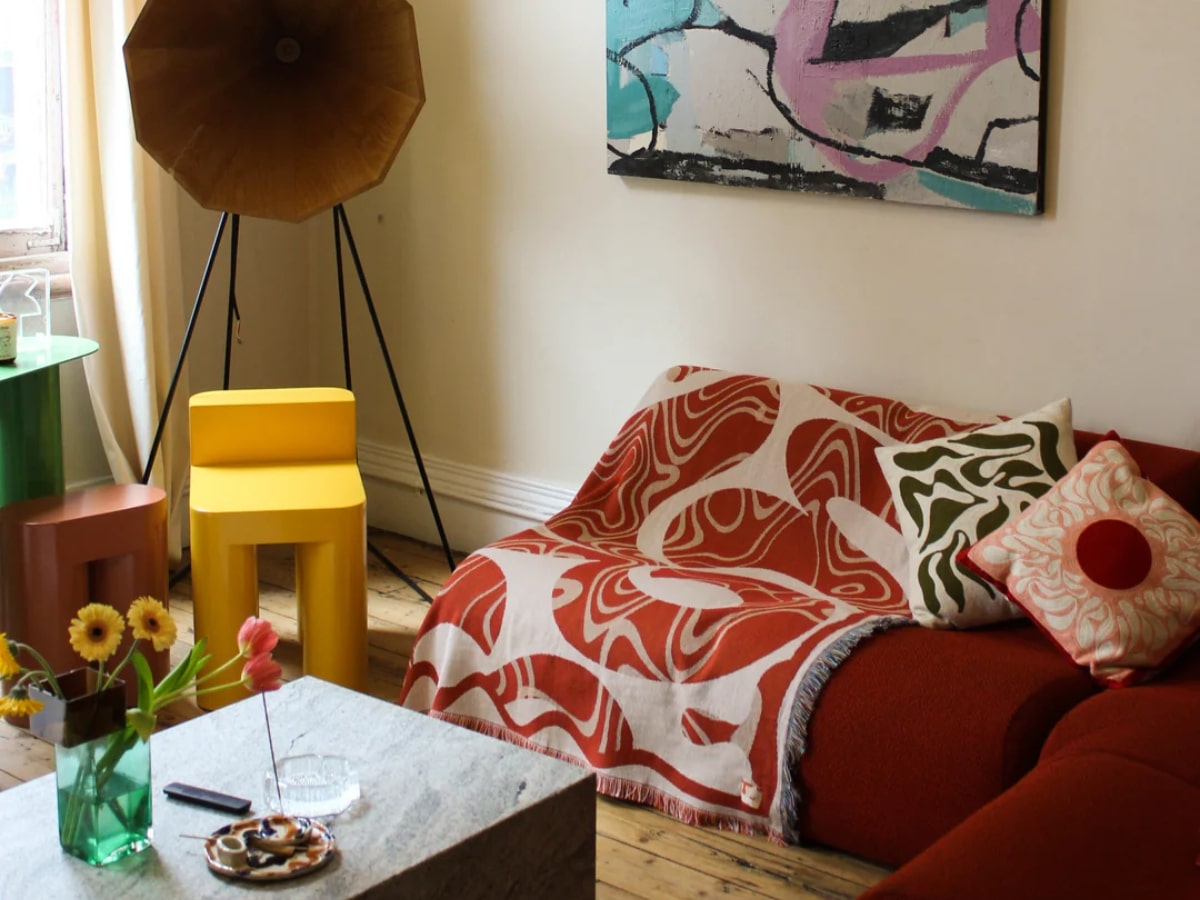
Lighting serves as the primary tool for atmospheric control within a residence. The Trunk Lamp by Dennis Did It exemplifies the shift toward sculptural lighting. While traditional overhead lighting often flattens a room’s dimensions, table lamps provide localized "pools" of light that create depth and shadow. The use of American oak for the base and a slim linen shade emphasizes a commitment to natural materials.
At a price point of $349, the Trunk Lamp represents the "entry-level luxury" segment that has seen significant growth. Designers argue that such pieces act as visual stabilizers in a room, offering a clean, architectural silhouette that remains relevant regardless of changing seasonal trends. The trend toward "warm minimalism" is evidenced here, where the weight of the wood and the softness of the fabric provide a tactile contrast to the digital-heavy nature of modern home offices and living rooms.
Textural Foundations: The Importance of High-Quality Floor Coverings
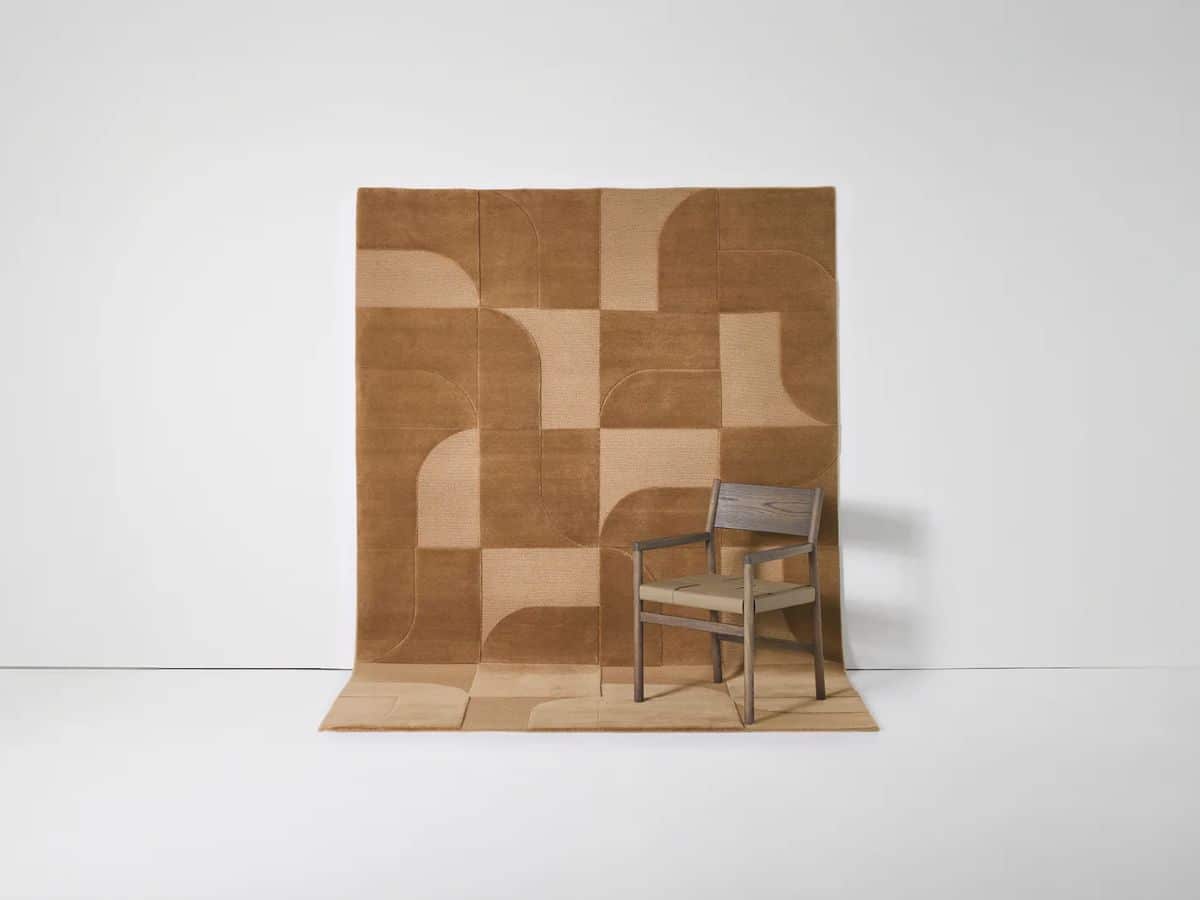
If lighting sets the mood, floor coverings define the boundaries and acoustic quality of a space. The June Rug in Hazelnut by Jardan highlights the resurgence of traditional craftsmanship in modern interiors. Hand-knotted from 100% New Zealand wool, this piece utilizes an Art Deco-inspired hand-cut pile to introduce geometric complexity without overwhelming the visual field.
New Zealand wool remains the gold standard for high-end rugs due to its durability, natural stain resistance, and sustainable footprint. Market data indicates that high-net-worth individuals are increasingly investing in hand-knotted pieces, which often appreciate in value or at least maintain their aesthetic integrity far longer than machine-made alternatives. The hazelnut colorway specifically addresses the current demand for "earthy neutrals"—a palette that bridges the gap between traditional timber finishes and contemporary industrial materials like polished concrete or steel.
Organic Materiality and the Rise of Natural Stone Accents
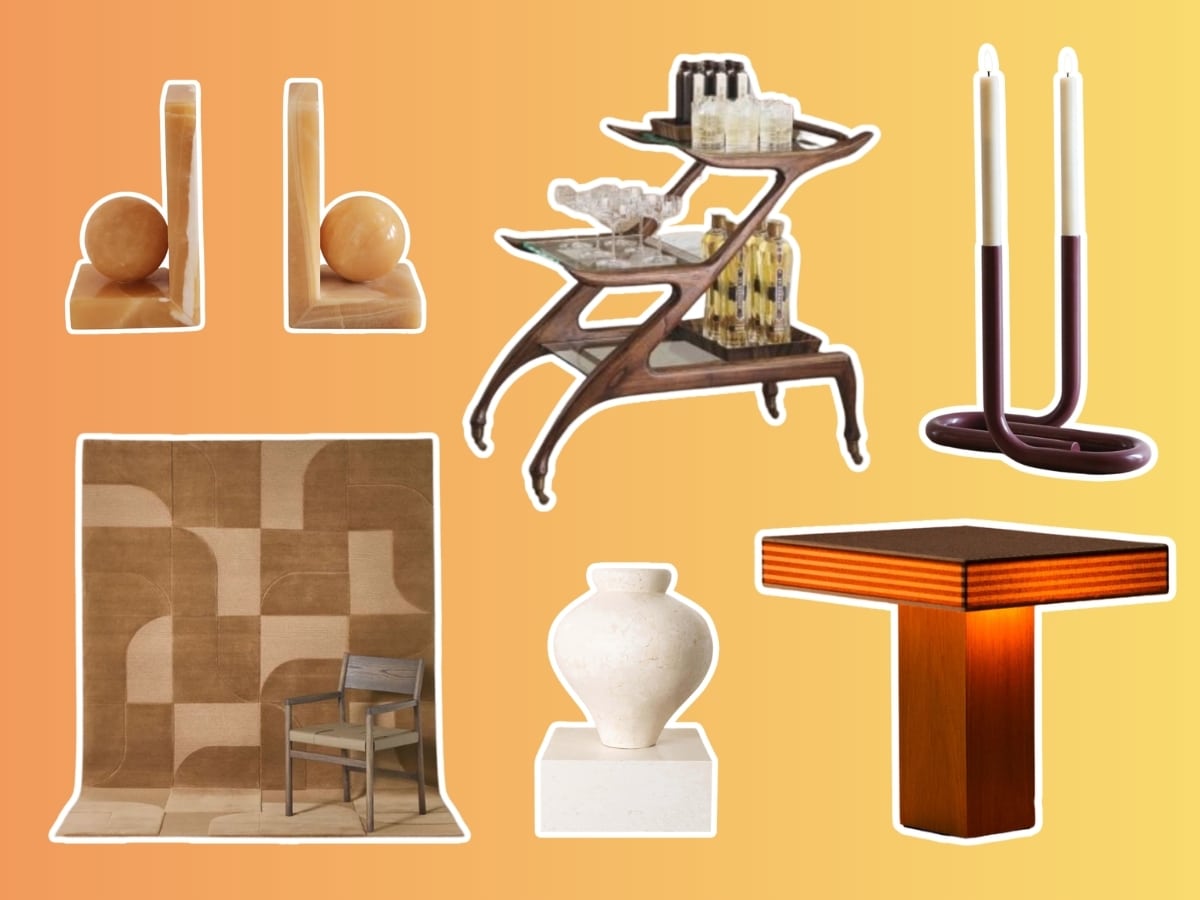
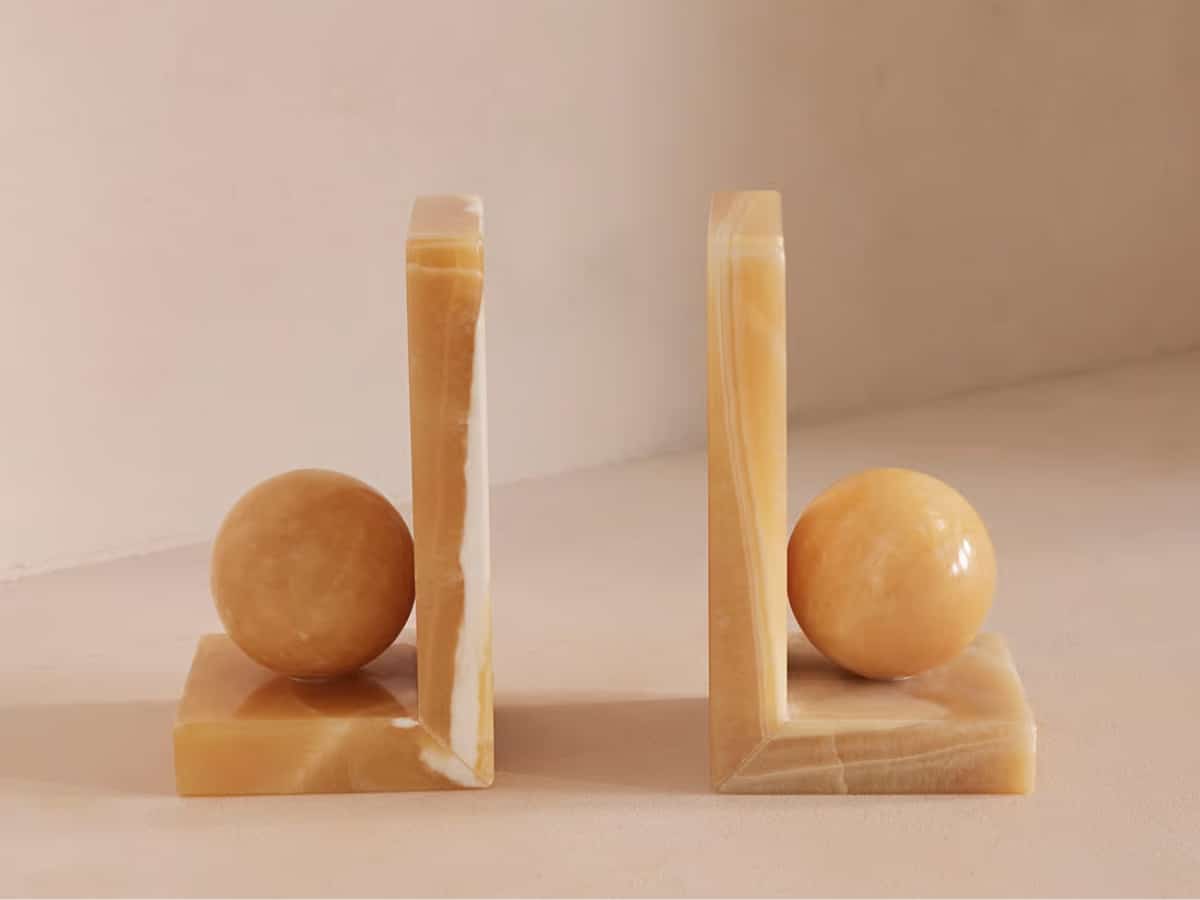
The integration of natural stone into home accessories has become a hallmark of the "new luxury" movement. This is exemplified by the Prato Bookends by Soho Home and the Laguna Vase by En Gold. The Prato Bookends, crafted from Mango Onyx, leverage the unique geological variations of the stone to ensure that no two pieces are identical. At a weight of 2kg each, they provide the physical ballast required for substantial book collections while serving as standalone sculptures.
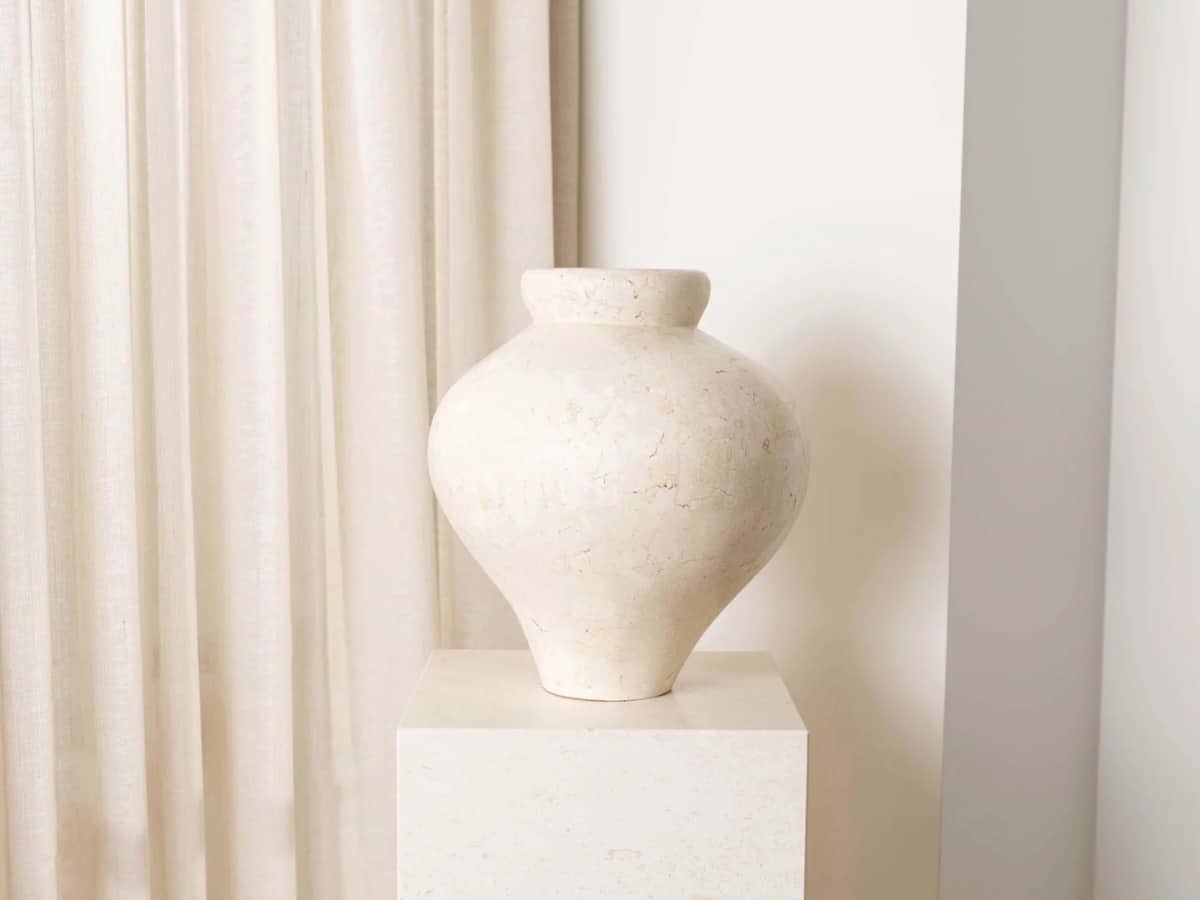
Similarly, the Laguna Vase utilizes hand-quarried Smokey Agate Limestone. The choice of limestone, characterized by its fossil patterns and irregular textures, aligns with the "Biophilic Design" movement, which seeks to connect occupants more closely to nature through the use of raw, unrefined materials. The vase’s substantial weight (13kg) and 300mm dimensions allow it to anchor large surfaces like consoles or sideboards, providing a focal point that requires no additional ornamentation. This move toward "heavy" decor reflects a desire for permanence in an increasingly digital and transient world.
The Revival of the Hosting Suite: Bar Carts and Social Spaces
The social function of the home has seen a resurgence, leading to the return of the bar trolley as a central design element. The Manzo Double Trolley by James Said represents a fusion of Mid-Century Modern aesthetics with contemporary functional requirements. Unlike utilitarian carts, this dual-tier design uses a warm wood frame and glass shelving to maintain visual transparency, preventing the piece from appearing bulky in smaller urban apartments.
The bar trolley serves a psychological purpose as much as a functional one; it signals a "hosting-ready" environment. As home-based entertaining becomes more sophisticated, the demand for dedicated "beverage architecture" has increased. This trend is supported by a rise in premium spirits sales and a renewed interest in home mixology. By elevating the storage of glassware and spirits from hidden cupboards to visible displays, homeowners can transform a corner of a living or dining room into a high-end hospitality zone.
Art Curation as a Final Layer of Interior Identity
The final stage of elevating a living space involves the curation of walls. Fenton & Fenton’s approach to art—spanning original paintings, photography, and sculpture—highlights the importance of the "gallery-style" home. Bare walls are increasingly viewed as missed opportunities for narrative expression. The market for accessible art has expanded, allowing homeowners to transition from mass-produced prints to investment-grade originals or limited editions.
Art curation serves as the "connective tissue" of interior design. It has the power to pull together disparate colors from rugs, upholstery, and accessories into a cohesive theme. Analysis of interior trends suggests that art is often the most personal element of a home, acting as a reflection of the owner’s travels, values, and intellectual interests.
Broader Impact and Market Implications
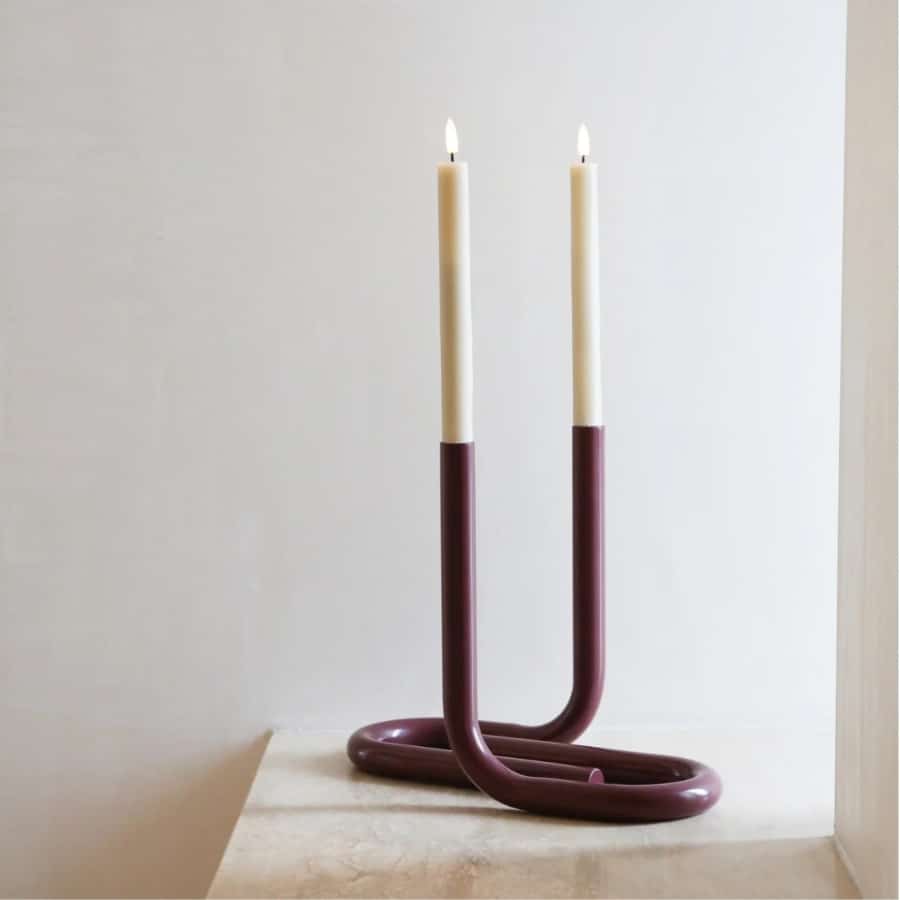
The selection of these eight specific categories—lighting, rugs, throws, candle holders, bookends, vases, bar trolleys, and art—reveals a broader strategy for modern living. By investing in these "high-touch" areas, consumers can significantly alter the perceived value of their property without the bureaucratic hurdles of building permits or the environmental waste of a full-scale demolition.
Data from the retail sector indicates that the "premium homewares" category is one of the most resilient segments of the economy. Even during periods of high inflation, consumers tend to prioritize "nesting" investments. The shift toward brands like Jardan, En Gold, and Soho Home suggests a move away from global mass-market retailers toward boutique firms that offer transparency in their supply chains and unique design languages.
Furthermore, the environmental impact of this "quality over quantity" approach cannot be understated. High-quality materials like solid iron, natural stone, and New Zealand wool are biodegradable or recyclable, and their longevity reduces the frequency of replacement. As sustainability becomes a core pillar of modern architecture, the choice of home accessories is being viewed through the lens of "circularity"—purchasing items that will last for decades rather than years.
Conclusion
The transformation of a living space from "functional" to "elevated" is a process of subtraction and strategic addition. As demonstrated by the curated selections from Man of Many, the modern home does not require more space; it requires more intent. By focusing on materials that offer tactile and visual richness—such as the solid iron of a VIAH candle holder or the woven texture of a Youtopian Home throw—homeowners can create environments that are both sophisticated and deeply personal. This evolution in home decor marks a sophisticated maturity in the market, where the value of a room is measured by the quality of the objects within it and the atmosphere they collectively cultivate.



 Yuyun Lusiyani
 Joko Widodo
 Eva Lovia
 Pevita Pearce
 admin
admin