
 Yuyun Lusiyani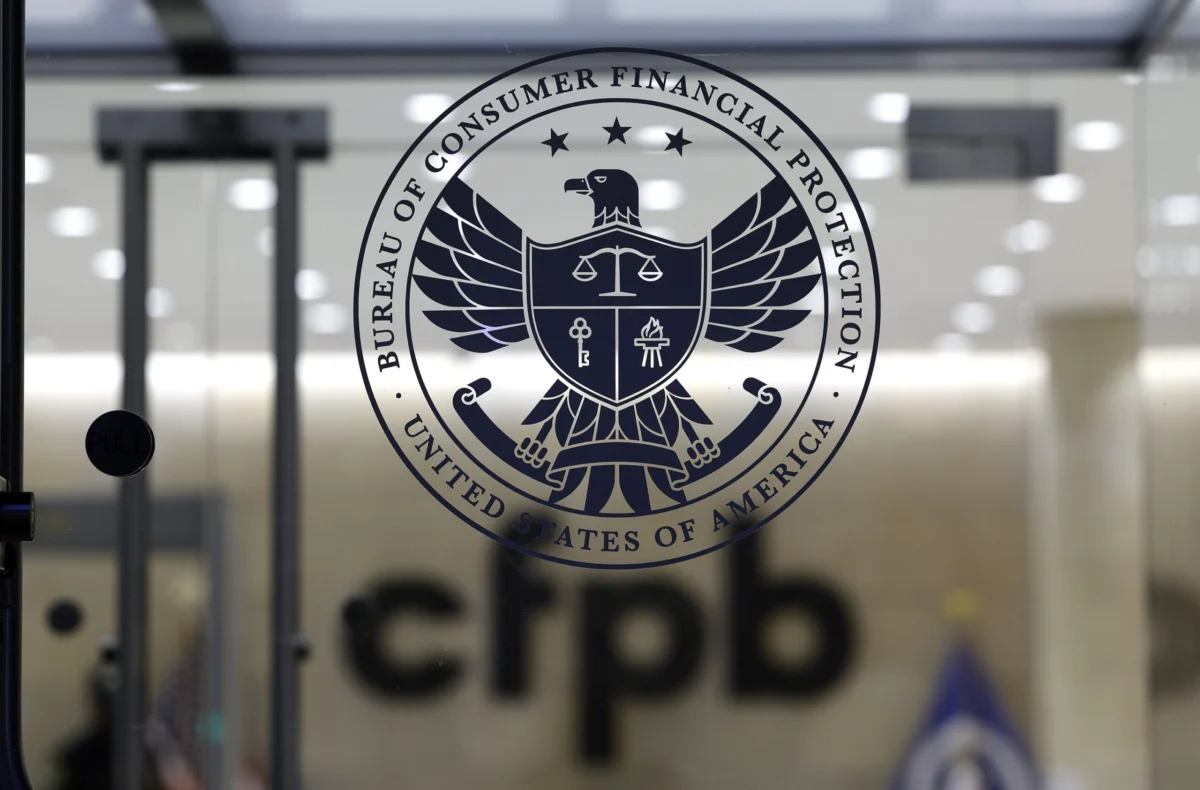
Each year, the Consumer Financial Protection Bureau (CFPB), a federal agency dedicated to safeguarding consumers in the financial marketplace, receives millions of complaints from individuals across the United States. These complaints, spanning a vast array of issues from aggressive debt collection tactics and erroneous credit reporting to predatory payday loans and mortgage servicing problems, have historically served as an invaluable, unfiltered window into the financial grievances and systemic struggles faced by everyday Americans. For over a decade, a crucial component of this system allowed consumers to voluntarily opt-in to have their detailed narratives published as public information within the CFPB’s extensive database. This practice, hailed by consumer advocates, journalists, and researchers as a vital tool for transparency and accountability, was abruptly halted in June 2026 by the Trump administration, aligning the agency with long-standing critiques from corporations and industry groups.
The CFPB, in a press release announcing the policy shift, justified its decision by stating, "Publishing such narratives in the Database provides a less-than-representative sample of one-sided experiences." This move marks a significant departure from the agency’s founding principles and is widely perceived as part of a broader trend by the current administration to adopt a more industry-friendly approach, even within federal bodies explicitly tasked with protecting consumers from unfair, deceptive, and abusive financial practices. While the complaint system itself remains operational, assisting consumers in seeking responses and often resolutions from companies, the removal of public narratives has profound implications for public oversight and the ability to identify systemic issues.
The Genesis and Evolution of the CFPB’s Complaint Database
The Consumer Financial Protection Bureau was established in 2010 under the Dodd-Frank Wall Street Reform and Consumer Protection Act, a direct response to the devastating 2008 financial crisis. Championed by figures like Senator Elizabeth Warren, its creation signaled a monumental effort to provide a single point of accountability for consumer protection in the financial sector, a responsibility previously fragmented across multiple agencies. The CFPB’s mandate was clear: to make markets for consumer financial products and services work for Americans—and to do so by enforcing federal consumer financial laws, researching consumer behavior, and empowering consumers to take more control over their financial lives.
Central to this mission was the development of a robust complaint system. Launched in July 2011, the database quickly became a cornerstone of the agency’s work, providing a direct channel for consumers to report issues with banks, lenders, credit bureaus, and other financial institutions. By allowing consumers to submit detailed narratives, the CFPB created an unprecedented public resource. These narratives, written in consumers’ own words, offered raw, firsthand accounts of financial hardship, confusion, and frustration. They transcended mere statistical data, providing qualitative insights that could often highlight emerging trends, expose problematic business practices, and serve as early warning signals for potential regulatory action. The system processed millions of complaints annually, growing from hundreds of thousands in its early years to well over a million by the mid-2020s, covering an extensive range of products including mortgages, student loans, auto loans, bank accounts, credit cards, and debt collection.
A Chronology of Deregulation and Shifting Priorities
The decision to discontinue public complaint narratives did not occur in a vacuum but rather as the culmination of a series of policy shifts and leadership changes that have reshaped the CFPB since the Trump administration took office in 2017. Initially led by Mick Mulvaney, and later by Russell Vought, the agency underwent a significant ideological transformation. Both Mulvaney and Vought expressed skepticism about the CFPB’s aggressive enforcement posture under previous administrations, advocating for a lighter touch and a focus on industry cooperation rather than strict regulation.
- 2017-2018: Following President Trump’s inauguration, Mulvaney, a vocal critic of the CFPB’s structure and mission, was appointed acting director. During his tenure, the agency scaled back enforcement actions, revised civil penalty policies, and altered its supervisory approach. Mulvaney famously stated that he believed the CFPB was "an example of a bureaucracy that has gone too far."
- April 2025: In a particularly contentious move, the administration attempted to drastically cut the agency’s staff, aiming to reduce its workforce by nearly 90%. This effort, widely seen as an attempt to dismantle the agency from within, was ultimately stymied by a federal court ruling.
- Throughout 2025-2026: Despite the failure to significantly downsize the agency’s personnel, the CFPB under Vought’s leadership continued its refashioning into a regulator more aligned with industry interests. This included a greater emphasis on "encouraging compliance" rather than punitive enforcement and a more cautious approach to rule-making.
- June 2026: The announcement to cease the discretionary publication of complaint narratives and visualizations marks a pivotal moment in this ongoing transformation. It directly impacts the public’s access to granular, qualitative data that had long been a hallmark of the CFPB’s transparency efforts.
Industry Pressure and the "Yelp for Financial Services" Argument
The decision to remove complaint narratives has been lauded by various industry groups, particularly those representing credit bureaus and financial institutions. Organizations like the Consumer Data Industry Association (CDIA), which represents the major credit reporting agencies, have been vocal critics of the public database for years. Their arguments have centered on several key points:
- Unverified Claims: Industry advocates contend that the narratives represent "one-sided experiences" and "unverified, self-selected negative anecdotes." They argue that publishing these complaints without thorough investigation or confirmation from the company in question can unfairly damage a company’s reputation.
- Reputational Harm: The CDIA has previously argued that publishing complaint narratives could "harm the brands of legitimate, law-abiding companies" by creating a platform for potentially misleading or exaggerated grievances.
- "Yelp for Financial Services": More recently, in a January 2025 public comment letter, the CDIA characterized the complaint portal as having become "a sort of ‘Yelp for Financial Services’," implying it serves as a forum for consumer venting rather than a reliable source of regulatory insight.
- Authority Concerns: Some industry groups have also questioned the CFPB’s statutory authority to publish such detailed complaint data in the first place, suggesting it goes beyond the agency’s core mandate.
From the industry’s perspective, the move restores a sense of fairness and prevents potentially unfounded complaints from unfairly influencing public perception or investor confidence. They argue that companies already have internal processes for addressing consumer issues and that the public database created an unnecessary layer of scrutiny that could be exploited.
The Loss of a Critical Accountability Tool: ProPublica’s Investigations
The cessation of public complaint narratives represents a significant setback for accountability journalism and public interest research. For journalists, particularly data reporters, the CFPB database was an unparalleled resource, offering direct insights into consumer struggles and often pointing to larger, systemic issues that might otherwise remain hidden. ProPublica, a non-profit investigative news organization, has repeatedly utilized these narratives to expose troubling practices and drive impactful reporting. Re-examining some of their key investigations underscores precisely what the public stands to lose:
-
Predatory Tribal Lending Operations: ProPublica’s investigation into high-interest tribal loans, often charging exorbitant annual rates of 600% or more, heavily relied on CFPB narratives. These loans, frequently structured to skirt state interest rate caps by leveraging tribal sovereign immunity, trap vulnerable borrowers in cycles of debt. Complaints like one from June 2023, stating, "THIS IS THE TEXTBOOK DEFINITION ON LOANSHARKING," and another detailing a borrower’s desperation at having to pay "$11,000 for a $1,200 loan" at a 790% rate, helped reporters identify and track an opaque, massive lending operation based in Wisconsin. This operation was estimated to be involved in thousands of bankruptcies nationwide annually. While the tribe’s president, John Johnson Sr., defended the business as legal and serving those without access to traditional financial services, the journalistic exposure, fueled by consumer complaints, eventually led to accountability. A few months after ProPublica’s report, the tribe settled a civil suit filed by Minnesota’s attorney general, agreeing to cease lending to Minnesotans and forgive outstanding loans to state residents. The narratives provided the human face and specific details necessary to illuminate the scale and impact of these predatory practices.
-
Credit Reporting Errors and Bureau Accountability: Credit reporting agencies consistently rank among the most complained-about entities in the CFPB database, with millions of grievances filed against them. In March 2026, ProPublica reported on a concerning trend: two of the "big three" credit bureaus, Experian and TransUnion, were providing relief to a substantially smaller portion of consumers. This indicated a potential weakening of consumer protections in a sector critical to financial access. A powerful complaint from August 2025 by a Texan, detailing a fraudulent account persisting despite disputes and its impact on a crucial deal for "the safety and survival of my family," vividly illustrated the human cost of these errors. Such narratives provided compelling evidence beyond mere statistics, prompting action. Four Democratic senators subsequently wrote letters to the credit bureaus demanding answers, and even the CFPB’s acting director, Russell Vought, tacitly acknowledged the reporting during his congressional testimony in July 2026, stating, "with credit reporting agencies we saw things in the news that were concerning to us. We reached out to them." While credit bureaus often claim many complaints are illegitimate, particularly those from credit repair organizations, the narratives offered clear examples of genuine consumer distress and systemic failures.
-
Fintech Oversight and AI Support Failures: More recently, in May 2026, ProPublica delved into the Trump CFPB’s "light-touch" approach to oversight, exemplified by its handling of the fintech startup Bilt. Bilt had twice thrown user accounts into chaos, and the CFPB’s response was described as an "ask-nicely" strategy. Consumer complaints were crucial in detailing the specific failures, with users describing Bilt’s artificial intelligence support system as providing information that was "completely wrong" (March 2026) and "demonstrably… false" (April 2026). These narratives underscored the risks of rapidly evolving financial technologies when not adequately overseen and the inadequacy of automated support systems in resolving complex financial issues. Bilt acknowledged "gaps in service" due to "unexpectedly high demand" but stated problems were resolved. Without these public narratives, understanding the granular impact of such service disruptions becomes significantly harder for both the public and regulators.
Broader Implications and the Future of Consumer Protection
The decision to cease publishing complaint narratives carries significant broader implications for consumer protection, regulatory transparency, and public accountability.
- Reduced Transparency for Consumers: The most immediate impact is on individual consumers. While they can still file complaints, they lose the ability to easily research similar issues faced by others. The public database served as a valuable informal warning system, allowing potential customers to identify companies with recurring problems before engaging with them. Without this, consumers are left with fewer tools to make informed financial decisions.
- Hindered Regulatory Insight: While the CFPB will still internally collect and analyze complaint data, the public nature of the narratives provided an additional layer of external validation and scrutiny. Researchers, academics, and other advocacy groups often used this data to conduct independent analyses, which could then inform policy debates and regulatory priorities. This external pressure and insight will be diminished.
- Empowering Industry Critics: The move is a clear victory for corporate interests that have long sought to limit the public exposure of consumer grievances. By framing complaints as "one-sided" and potentially damaging to brands, they have successfully pushed for a policy that reduces public accountability.
- A Shift in the CFPB’s Role: The decision reinforces the perception that the CFPB, under its current leadership, is moving away from its role as an aggressive consumer watchdog towards a more conciliatory stance with the financial industry. This shift raises questions about the agency’s commitment to its founding mission and its effectiveness in proactively identifying and addressing systemic consumer abuses.
- Challenges for Oversight and Advocacy: Lawmakers, particularly those aligned with consumer protection, will find it harder to gather compelling evidence to push for legislative changes or increased oversight without the public narratives. Consumer advocacy groups will also face greater hurdles in substantiating their claims and mobilizing public support.
- The FOIA Backstop: While the complaint narratives will still be subject to Freedom of Information Act (FOIA) requests, this process is notoriously time-consuming, resource-intensive, and often challenging, as ProPublica itself has noted. It is a poor substitute for a readily accessible, searchable public database and effectively places a significant barrier between the public and crucial information.
It is important to note that the complaint system is required by law, but the agency is not explicitly mandated to make the narratives public. In theory, a future administration could reverse this policy. However, the CFPB has also removed the option for consumers to consent to making their narratives public during the complaint submission process. This means that any complaints filed in the near term, under the new policy, cannot be retroactively published, creating a permanent gap in the public record.
As the Consumer Financial Protection Bureau continues its reorientation, turning away from aspects of its watchdog role, it simultaneously makes it significantly harder for the public, journalists, and advocates alike to monitor, understand, and hold the financial industry accountable. The loss of these unfiltered consumer voices represents a tangible erosion of transparency in a sector that profoundly impacts the lives of millions of Americans.




 Joko Widodo
 Eva Lovia
 Pevita Pearce
 admin
admin
 Lina Irawan