
 Jia Lissa
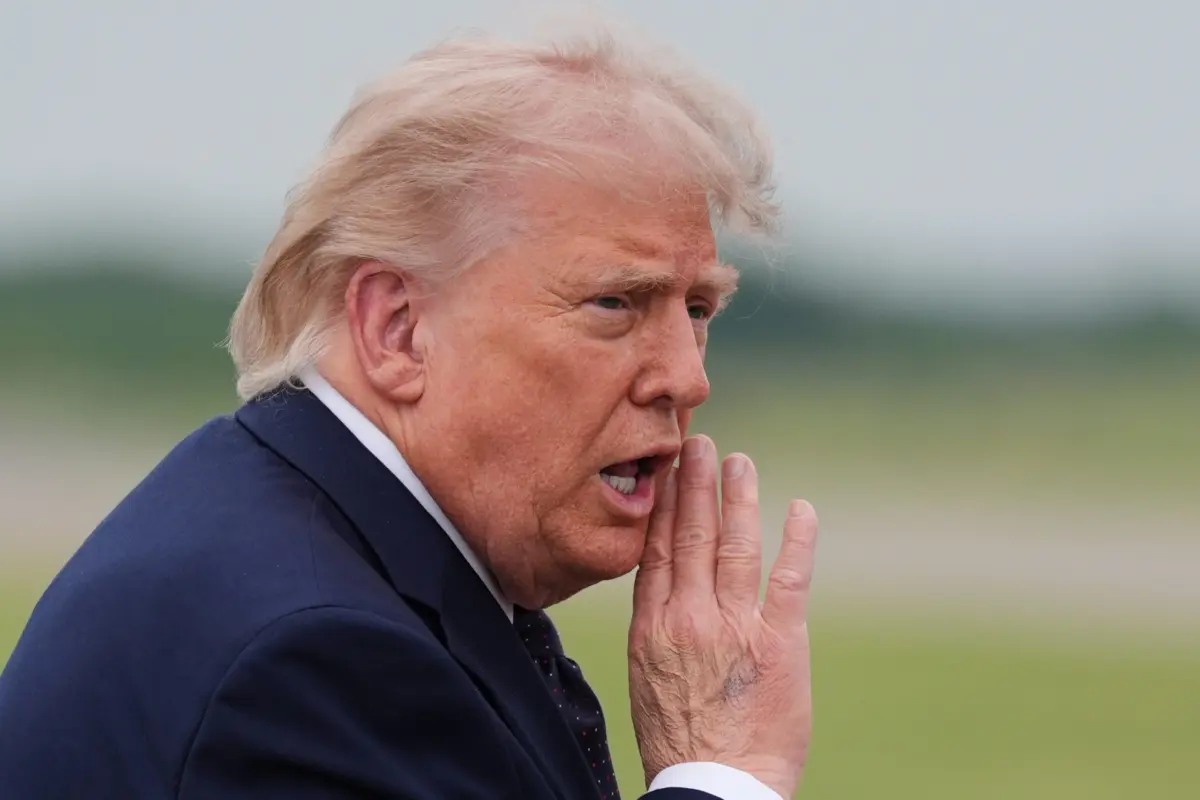
A comprehensive investigation published by The Washington Post on Tuesday has detailed a coordinated effort by President Donald Trump and a network of high-profile allies to disseminate skepticism regarding the integrity of the upcoming 2026 midterm elections. The report identifies a sophisticated apparatus of social media accounts, podcasts, and digital influencers dedicated to preemptively questioning election results, particularly in battleground districts where Republican candidates face stiff competition. As the November 3 election date approaches, the messaging has shifted toward a preemptive narrative of "cheating," a strategy that analysts suggest is designed to mobilize the President’s base while providing a framework for challenging potential losses.
The analysis conducted by The Washington Post examined the digital output of nearly 600 prominent right-wing social media accounts and media outlets. The study found that these entities have published more than 7,000 statements questioning the validity of the electoral process since the beginning of the year. This volume of skepticism marks a significant escalation from previous cycles; according to the data, claims regarding non-citizen voting and the insecurity of mail-in ballots are now twice as prevalent as they were during the 2024 presidential election cycle.
The Architecture of Election Doubt: Social Media and Podcasts
The investigation highlights the decentralized yet synchronized nature of the messaging campaign. By utilizing a mix of legacy social media platforms like X (formerly Twitter) and niche outlets such as Truth Social and various conservative podcasts, the Trump-aligned network has created an echo chamber that reinforces specific theories of electoral fraud. The Post’s analysis suggests that this is not a series of isolated incidents but a systemic effort to prime the electorate for contested results.
One of the primary drivers of this narrative is Ryan Fournier, the founder of Students for Trump. Fournier recently utilized his platform on X to amplify claims regarding voter rolls in California. "BOMBSHELL: Trump exposed that 20,000 noncitizens flagged on California’s rolls are just ONE batch!" Fournier posted, a statement that was shared tens of thousands of times within hours. While election officials in California have repeatedly stated that robust systems are in place to prevent non-citizen registration, such posts often gain significant traction before fact-checking measures can be applied.
Similarly, Steve Bannon, a longtime Trump ally and former White House chief strategist, has used his "War Room" podcast to broadcast warnings of imminent fraud. In September, Bannon claimed that the Democratic Party was orchestrating a plan to ensure that undocumented migrants "can vote en masse" to secure a victory in the midterms. These claims, though unsubstantiated by Department of Justice data or independent election monitors, serve to create a sense of urgency and grievance among listeners.
The report also identifies Bill Mitchell, a prominent MAGA influencer, as a central figure in this campaign. Mitchell has reportedly posted about election fraud nearly 150 times over the past year, consistently suggesting that any Republican defeat would be the result of systemic "rigging" rather than a shift in voter sentiment.
Specific Allegations and the Non-Citizen Voting Narrative
A cornerstone of the 2026 skepticism campaign is the focus on non-citizen voting. This narrative has seen a dramatic increase in frequency, with Trump’s allies frequently citing "batches" of flagged names as evidence of a coordinated effort to dilute the votes of American citizens. The Washington Post notes that this specific theme is twice as prevalent in the current cycle as it was in 2024.
Legal experts and election administrators point out that federal law already prohibits non-citizens from voting in federal elections, and the instances of this occurring are statistically negligible. However, the political utility of the narrative remains high. By framing the election as a contest between "legitimate" citizens and "illegal" interlopers, the messaging taps into broader anxieties regarding immigration and national sovereignty.
The focus on mail-in ballots also remains a staple of the skepticism campaign. Despite many Republican-led states having codified mail-in voting procedures or expanded them in recent years, the rhetoric from the Trump camp continues to characterize the practice as a primary vehicle for widespread fraud. This persists despite numerous audits and court rulings from the 2020 and 2024 cycles that found no evidence of mail-in voting being compromised on a scale that could alter election outcomes.
Polling Data and the Political Stakes of the 2026 Midterms
The intensification of election-integrity rhetoric comes at a time when the Republican Party faces a challenging electoral map. Polling ahead of the November 3 midterms suggests that Democrats have a viable path to reclaiming the House of Representatives and potentially gaining control of the Senate. This shift in the political landscape has placed the Trump administration on the defensive, as the midterms are widely viewed as a referendum on his second-term policies.

A recent Marist poll adds further context to the administration’s concerns. The survey found that 44 percent of respondents intended to cast their midterm ballots specifically as a vote against President Trump. This "anti-Trump" sentiment appears to be a significant motivator for independent and moderate voters, many of whom cite the President’s rhetoric and his administration’s handling of domestic issues as their primary reasons for favoring Democratic candidates.
In this environment, the strategy of sowing doubt about the election results may serve multiple purposes. For one, it provides an alternative explanation for potential Republican losses, attributing them to "cheating" rather than a rejection of the party’s platform. Secondly, it serves as a powerful fundraising and mobilization tool, keeping the base engaged through a perceived existential threat to the democratic process.
Executive Authority and the Role of the Department of Justice
The rhetoric surrounding the midterms has also raised concerns about the potential for executive interference. Appearing on "MS NOW" on Monday, former CIA Director John Brennan expressed significant apprehension regarding President Trump’s use of his "tremendous authorities" to influence the electoral outcome. Brennan suggested that the President might attempt to use federal resources to investigate or challenge results in key districts.
"I think Donald Trump is going to do whatever he can get away with," Brennan told anchor Alicia Menendez. He specifically pointed to the role of Attorney General Todd Blanche, suggesting that the nation’s top law enforcement officer has adopted a "devious" approach to defending the President’s narratives. Brennan argued that Blanche’s recent public statements indicate an "unprincipled view" of the Department of Justice’s role, prioritizing political loyalty over the impartial administration of the law.
Blanche, who previously served as Trump’s defense attorney before being appointed Attorney General, has been a vocal proponent of "election integrity" initiatives. Critics argue that these initiatives are often a pretext for voter suppression or for delegitimizing the results in Democratic-leaning areas. The Department of Justice has yet to issue a formal response to the Washington Post investigation, but sources within the department suggest that a series of "monitoring" efforts are planned for election day.
Historical Context: From 2020 to the Present
The current campaign to sow doubt about the 2026 midterms is a continuation of a trend that began in earnest during the 2020 presidential election. Following his loss in that cycle, Donald Trump and his legal team filed dozens of lawsuits challenging the results, none of which were successful in proving widespread fraud. However, the narrative of a "stolen election" became a central tenet of the MAGA movement, leading to the events of January 6, 2021, and a lasting shift in how a segment of the American public views the electoral process.
During the 2024 cycle, this rhetoric was tempered somewhat by Republican victories in several key areas, but the infrastructure for challenging results remained intact. Now, in 2026, with the President back in the White House and wielding the full power of the executive branch, the scale of the skepticism campaign has reached unprecedented levels. The Washington Post’s findings indicate that the tactics have become more refined, utilizing a broader array of influencers and focusing on more specific, though still unsubstantiated, allegations of fraud.
Institutional Responses and the Future of Electoral Confidence
The findings of the Washington Post report have sparked a wave of responses from election officials and voting rights advocates. Many secretaries of state, representing both political parties, have issued statements reassuring the public that the 2026 midterms will be secure. They emphasize that the use of paper trails, post-election audits, and bipartisan oversight makes it virtually impossible to "rig" a federal election.
However, the persistent messaging from the White House and its allies has already had a measurable impact on public confidence. Confidence in election results remains deeply polarized, with a significant majority of Republican voters expressing doubt about the fairness of the process, while Democrats and independents generally maintain higher levels of trust.
The implications of this divide extend beyond the 2026 midterms. Political scientists warn that the constant delegitimization of the electoral process could lead to increased civil unrest and a further erosion of the democratic norms that have governed the United States for over two centuries. If a large portion of the population believes that elections are fundamentally dishonest, the peaceful transfer of power—or the peaceful acceptance of legislative changes—becomes increasingly precarious.
As November 3 approaches, the tension between official assurances of security and the high-decibel warnings of fraud from the Trump camp continues to mount. With control of Congress at stake and the President’s legacy on the line, the 2026 midterms are shaping up to be not only a battle for legislative power but a fundamental test of the American public’s faith in the ballot box.


 Nila Kartika Wati

 Eva Lovia

 Lina Irawan

 Yuyun Lusiyani

 Ana Megawati

 Joko Widodo
