
 Pevita Pearce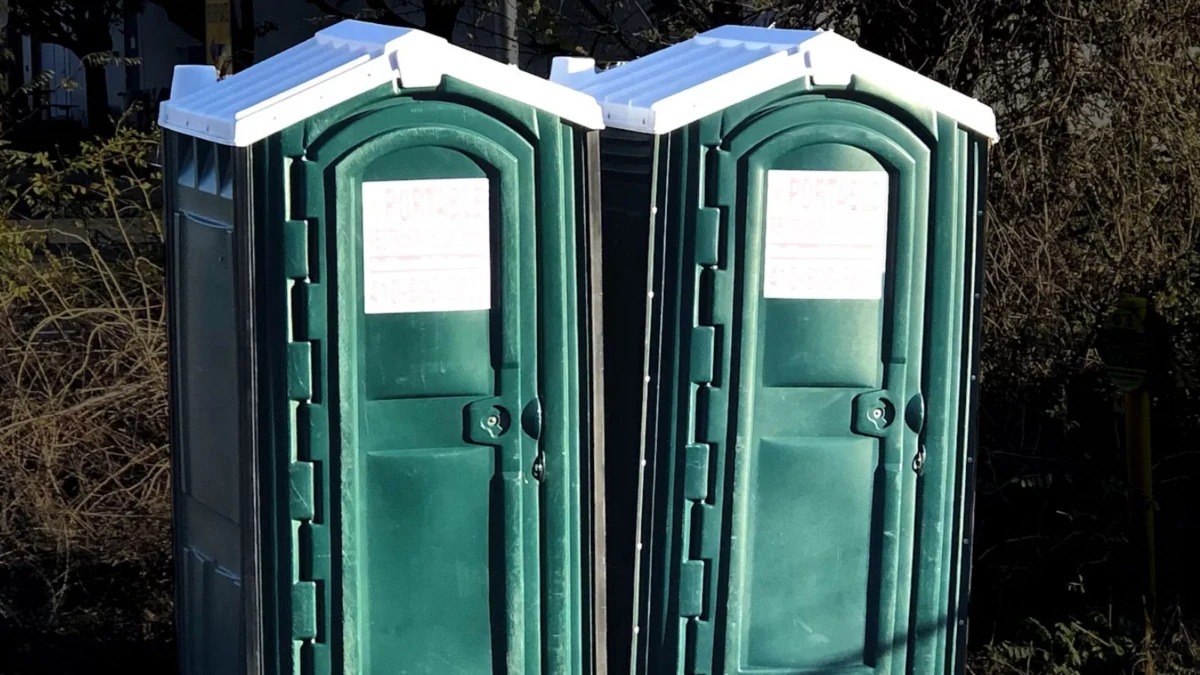
In a bizarre incident that has garnered significant attention from both local authorities and the public, emergency responders in Kansas City were called to perform a highly unusual extraction after a man became trapped inside the waste tank of a portable toilet. The individual, whose identity has not been officially released to the public, reportedly spent approximately eight hours submerged in human waste after a misguided attempt to retrieve a discarded bottle of Mountain Dew. The rescue operation, which occurred in mid-July 2026, eventually required the intervention of the Kansas City Fire Department (KCFD) and resulted in a heated verbal exchange between the victim and his rescuers that has since circulated widely on social media platforms.
The Genesis of the Incident: A High-Stakes Retrieval
The events leading to the emergency call began when the man was using a portable sanitation unit, commonly referred to as a "port-a-loo" or "porta-potty." According to statements later provided by the sanitation company that owns the unit, the man dropped an unfinished bottle of Mountain Dew into the toilet’s holding tank. Rather than abandoning the beverage, the individual attempted to "fish" the bottle out of the sewage.
During this process, the man lost his balance or overextended himself, falling through the toilet seat aperture and into the reservoir below. The design of these tanks, which are intended to contain liquid and solid waste securely, often features narrow openings and slick interior surfaces, making self-extraction nearly impossible once an individual is fully submerged. The man found himself trapped in a confined space filled with a mixture of biological waste and chemical deodorizers, unable to leverage himself out of the unit.
Chronology of the Eight-Hour Ordeal
The timeline of the incident highlights a harrowing period of isolation for the victim. Based on reports from the scene and subsequent investigations, the following chronology has been established:
- Late Evening Hours: The man initially entered the portable toilet and attempted to retrieve the soda bottle. He became trapped shortly thereafter, submerged up to his torso or higher in the tank’s contents.
- The Overnight Period: For the next several hours, the man remained inside the tank. Due to the sound-dampening nature of the plastic structures and the late hour, his cries for help went unheard by passersby. During this time, he was exposed to high concentrations of methane, ammonia, and the various chemical biocides used to treat portable waste.
- Early Morning Discovery: It was not until approximately eight hours after his initial entrapment that a witness or a maintenance worker heard muffled shouting emanating from the unit and contacted emergency services.
- The Rescue Operation: Kansas City Fire Department units arrived on the scene at dawn. Upon assessing the situation, they determined that a standard extraction through the toilet seat was unfeasible.
- Extraction and Decontamination: Firefighters were forced to use specialized cutting tools to dismantle the exterior of the portable toilet and the interior tank to free the man. Following his removal, he was immediately subjected to a high-volume "hose down" by the fire crew to remove hazardous biological materials before being transported for medical evaluation.
Confrontation with First Responders
The rescue was marked by a notable lack of decorum, as the stress of the situation led to a verbal altercation between the trapped man and the KCFD personnel. Footage of the rescue captured one firefighter expressing frustration with the victim’s lack of cooperation during the delicate extraction process.
"I’m not listening; put your head through the thing like you were before we showed up," the firefighter was recorded saying, attempting to guide the man’s movements to avoid injury from the cutting tools. The victim, clearly agitated, responded with an expletive, calling the rescuer a "dumbfck." The firefighter quickly retorted, "I’m the dumbfck? You’re stuck in a urinal," highlighting the absurdity of the circumstances that necessitated the emergency response.
While first responders are trained to maintain professional composure, the unique and biological hazards associated with "blackwater" rescues often create high-tension environments. The exchange has sparked a broader conversation regarding the psychological toll on emergency workers who are frequently called to resolve preventable and high-risk situations.
Health and Safety Risks of Waste Exposure
The man’s decision to enter the tank carried risks far beyond the embarrassment of the rescue. Medical experts emphasize that exposure to the contents of a portable toilet tank presents severe health hazards.
- Pathogenic Exposure: Human waste is a primary vector for diseases such as Hepatitis A, E. coli, Norovirus, and various parasitic infections. Prolonged skin contact and potential ingestion or inhalation of aerosolized waste significantly increase the risk of systemic infection.
- Chemical Toxicity: Portable toilets utilize "blue liquid" deodorizers, which historically contained formaldehyde, though modern versions typically use glutaraldehyde or quaternary ammonium compounds. These chemicals are designed to kill bacteria but are also toxic to human tissue and can cause chemical burns or respiratory distress.
- Atmospheric Hazards: In the confined space of a waste tank, the decomposition of organic matter produces methane and hydrogen sulfide. These gases can displace oxygen, leading to hypoxia, or in high concentrations, can be immediately lethal.
The fact that the individual survived eight hours in such an environment is considered a fortunate outcome by medical professionals, though he likely required a rigorous course of vaccinations and prophylactic antibiotics following the incident.
Supporting Data: The Frequency of Portable Toilet Accidents
While falling into a portable toilet may seem like a statistical anomaly, industry data suggests that "confined space" incidents involving sanitation units are a recurring issue for emergency services. According to the Portable Sanitation Association International (PSAI), while the units are designed for safety, human error remains the primary cause of accidents.
In a similar high-profile case earlier this year in Australia, a tourist became trapped in a "pit toilet" after the floor structure collapsed. Unlike the Kansas City incident, which was the result of a deliberate attempt to retrieve an object, the Australian case was attributed to infrastructure failure. In that instance, the woman was trapped in "waist-high" waste for several hours before being rescued by police, who categorized the event as a "dangerous incident" involving structural instability.
Comparative data indicates that the majority of "intentional entry" incidents in portable toilets involve individuals attempting to retrieve high-value items, such as smartphones or wallets. The retrieval of a low-cost item like a soda bottle is significantly rarer and underscores the unpredictable nature of human behavior in such settings.
Official Responses and Industry Implications
The company responsible for the maintenance of the portable toilet issued a brief statement following the rescue, confirming that the unit was in good working order prior to the incident and that the entrapment was solely the result of the user’s actions. They reminded the public that the tanks of portable toilets are strictly off-limits and that any items dropped into the waste should be considered lost or retrieved only by professionals using specialized equipment.
The Kansas City Fire Department has used the incident as an opportunity to reinforce public safety messaging. A spokesperson for the department noted that while their mission is to save lives regardless of the circumstances, the diversion of resources for such a lengthy and preventable rescue can impact their ability to respond to other life-threatening emergencies, such as structure fires or cardiac arrests.
Broader Impact and Social Media Analysis
The viral nature of the rescue video has led to a mix of mockery and concern online. Social media platforms have seen a surge in "Mountain Dew" related memes, but beneath the humor lies a serious discussion about public health and the "sunk cost fallacy"—a psychological phenomenon where an individual continues a behavior or endeavor as a result of previously invested resources (in this case, the cost of the soda) even when the risks far outweigh the rewards.
Psychologists suggest that in high-stress or impulsive moments, individuals may lose sight of the "disgust response" that would normally prevent them from entering a waste-filled environment. The drive to retrieve a lost possession can override rational safety concerns, leading to the precarious situation witnessed in Kansas City.
Conclusion
The rescue of the man in Kansas City serves as a stark reminder of the hidden dangers of common public facilities and the complexities of emergency response. While the individual was successfully freed and treated, the incident resulted in the destruction of property, a significant expenditure of public resources, and a traumatic experience for both the victim and the rescuers.
As portable toilets remain a staple of public events and construction sites, authorities continue to urge the public to exercise caution. The "Mountain Dew incident" will likely remain a cautionary tale in the annals of Kansas City’s most unusual emergency calls, illustrating that no object—no matter how refreshing—is worth the risk of a descent into a sanitation tank. For now, the man has been released from medical care, and the Kansas City Fire Department has returned to its standard duties, though the memory of the "urinal rescue" is likely to persist within the department for years to come.




 Yuyun Lusiyani
 Joko Widodo
 Eva Lovia
 admin
admin
 Lina Irawan