
 Eva Lovia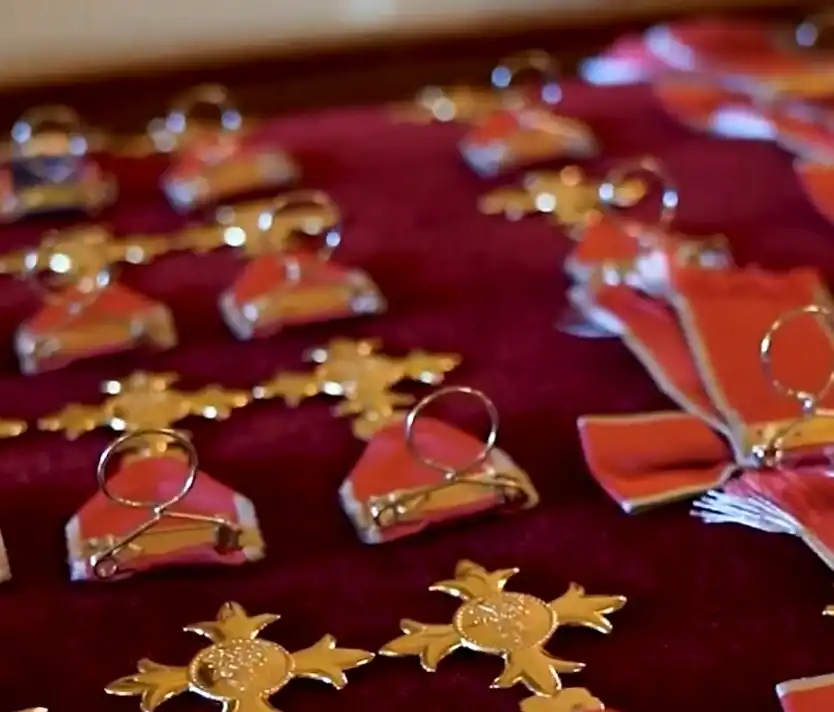
The recent decision by His Majesty King Charles III to revoke the Member of the British Empire (MBE) awarded to former Scotland rugby captain Stuart Hogg has brought into sharp focus a seldom-invoked, yet significant, aspect of the British honours system: the forfeiture of royal honours. This rare occurrence, while impactful for the individual, underscores a rigorous and multi-stage process involving government bodies, an independent committee, and ultimately, the sovereign’s assent. The case of Mr. Hogg, while specific, serves as a timely reminder of the accountability mechanisms embedded within the awarding of national accolades, designed to uphold the integrity and prestige of the honours system.
The administration of royal honours, such as MBEs, OBEs, knighthoods, and damehoods, is a responsibility that rests with the government, primarily managed through the Cabinet Office. While these honours are bestowed in the name of the reigning monarch, the day-to-day operations, including the consideration of any potential withdrawal, fall under the purview of civil servants and established committees. When concerns arise regarding the conduct of an individual who has received an honour, the matter can be escalated to the Honours Forfeiture Committee. This committee, a crucial yet discreet entity, is tasked with meticulously examining cases where a recipient’s behaviour might bring the honours system into disrepute.
The Honours Forfeiture Committee: Gatekeepers of Honour
The Honours Forfeiture Committee is not a permanent body in the traditional sense, but rather a mechanism that convenes to address specific concerns. It is typically chaired by a senior civil servant, ensuring an impartial and experienced leadership. The committee’s membership comprises representatives from various government departments and individuals with deep knowledge of the honours system. Their collective mandate is to assess whether the continued possession of an honour by an individual aligns with the values and standards expected of recipients. This rigorous assessment is paramount to maintaining public trust in the system.
The committee’s remit extends beyond minor transgressions. Referrals are most frequently initiated following a criminal conviction. However, the scope of review is broader and can encompass instances of severe professional misconduct, regulatory sanctions, or any behaviour deemed by the authorities to fundamentally undermine the integrity and prestige associated with the awarded honour. This ensures that the system remains responsive to a range of behaviours that could tarnish its reputation.
A Formalised Process: From Allegation to Annulment
The pathway to honour forfeiture is a structured and deliberate one. Once a case is referred to the Honours Forfeiture Committee, a comprehensive process of evidence gathering commences. Officials meticulously collect all pertinent information and documentation relevant to the alleged misconduct. The committee then undertakes a thorough examination of these details, weighing the evidence presented and considering the gravity of the conduct in question.
A cornerstone of this process is the principle of natural justice. The individual concerned is typically notified of the concerns raised and is afforded a formal opportunity to present their side of the story, to make representations, and to offer explanations before any final decision is made. This ensures that no honour is revoked without due consideration and a fair hearing for the recipient.
Following this detailed review and the consideration of any representations made by the individual, the committee will reach a conclusion. If they deem that the conduct warrants the removal of the honour, they will formally recommend forfeiture. This recommendation is not a final decree but a crucial step in the chain of command.
Ministerial Advice and Royal Assent
The committee’s recommendation is then forwarded to the Prime Minister. The Prime Minister, acting on the advice of the committee and their own consideration of the matter, will then advise the sovereign. It is His Majesty the King who holds the ultimate formal authority to approve the cancellation of an honour. This hierarchical structure ensures that the decision is made at the highest levels of government and the monarchy, reflecting the seriousness of such an action.
While the King gives the final assent, it is important to note that this is not a unilateral or personal decision made in isolation. The process is driven by the recommendations of the Honours Forfeiture Committee and the subsequent advice tendered by the Prime Minister. This separation of administrative review from the sovereign’s final approval is a hallmark of the British constitutional monarchy, where the monarch acts on the advice of their ministers.
The Public Record: "Cancelled and Annulled"
Once the decision to revoke an honour is confirmed, the formalisation of this action is marked by a public announcement. This is typically published in The Gazette, the official public record of the United Kingdom. The wording used in such notices is specific and carries significant weight, usually stating that "His Majesty has directed that the appointment be cancelled and annulled." Furthermore, the notice confirms that the individual’s name will be removed from the register of the relevant order of chivalry or honour. This public declaration serves as official notification and completes the legal process of forfeiture.

The publication in The Gazette signifies the definitive moment when the individual’s award is officially withdrawn. Their name is erased from the records of the honour they once held, effectively nullifying the distinction. This marks the end of their formal recognition within the honours system.
Historical Context and Precedents
While the stripping of an honour remains a rare event, historical precedents exist, offering context to the gravity of such decisions. Forfeitures have typically been reserved for individuals whose actions have been deemed to be of exceptional severity, bringing significant discredit upon the honours system. Common grounds for forfeiture have included serious criminal convictions, such as those involving fraud, sexual offences, or other egregious conduct that is fundamentally incompatible with the prestige and public standing associated with national honours.
For instance, in the past, individuals convicted of treason or other high crimes have had their honours rescinded. More recently, cases have emerged where honours have been revoked due to significant breaches of professional ethics or criminal behaviour that has come to light after the award was made. The system, therefore, contains a mechanism for retrospective review, ensuring that the integrity of honours is maintained over time.
The frequency of such revocations underscores the general trust placed in the recipients of honours. The vast majority of individuals awarded honours continue to hold them for life, contributing positively to society and upholding the values they represent. However, the existence of the forfeiture process acts as a deterrent and a safeguard, reinforcing the expectation of continued good conduct from those who have been publicly recognised.
Broader Implications and Analysis
The forfeiture of an MBE for Stuart Hogg, a celebrated figure in Scottish rugby, carries several layers of implication. Firstly, it highlights the principle that no individual, regardless of their public profile or past achievements, is entirely immune from accountability for their actions. The honours system, while a form of public recognition, also carries an implicit expectation of good conduct.
Secondly, the detailed process involved in forfeiture demonstrates the seriousness with which the government and the monarchy approach the integrity of the honours system. The careful deliberation, evidence gathering, and formal recommendation process are designed to ensure that such drastic measures are only taken when absolutely necessary and after due process.
The public announcement in The Gazette also serves as a reminder to the public about the responsibilities that come with receiving a royal honour. It reinforces the idea that these are not merely personal accolades but symbols of national recognition, imbued with a certain standard of behaviour.
For Stuart Hogg, the forfeiture undoubtedly represents a significant personal blow, impacting his public standing and the recognition he had previously received. While the specific details leading to the decision have not been fully elaborated in public, the process itself indicates that the concerns raised were deemed sufficiently serious to warrant the formal removal of his MBE.
The case of Stuart Hogg and the mechanics of honour forfeiture invite broader reflection on the role of honours in contemporary society. Are they primarily for past achievements, or do they carry an ongoing expectation of behaviour? The existence of the forfeiture process suggests the latter. It implies that while honours recognise past contributions, they are also contingent upon the continued good standing of the recipient.
Furthermore, the transparency of the process, culminating in a public notice, allows for public scrutiny and understanding of how the honours system operates. While the internal deliberations of the Honours Forfeiture Committee remain confidential, the ultimate outcome and the formal justification are made public. This contributes to public confidence in the fairness and impartiality of the system.
In conclusion, the revocation of Stuart Hogg’s MBE, while a notable event, serves as an illustration of a well-established, albeit rarely employed, mechanism within the British honours system. It underscores the rigorous, multi-stage process designed to uphold the integrity and prestige of national honours, ensuring that they remain meaningful symbols of recognition for individuals who have demonstrated exceptional service and good conduct. The forfeiture process, from referral to the Honours Forfeiture Committee, through ministerial advice to the sovereign’s final assent and public announcement, exemplifies a commitment to accountability and the enduring importance of maintaining public trust in the honours system.


 Jia Lissa
 Yuyun Lusiyani
 Joko Widodo

 Pevita Pearce