
 admin
admin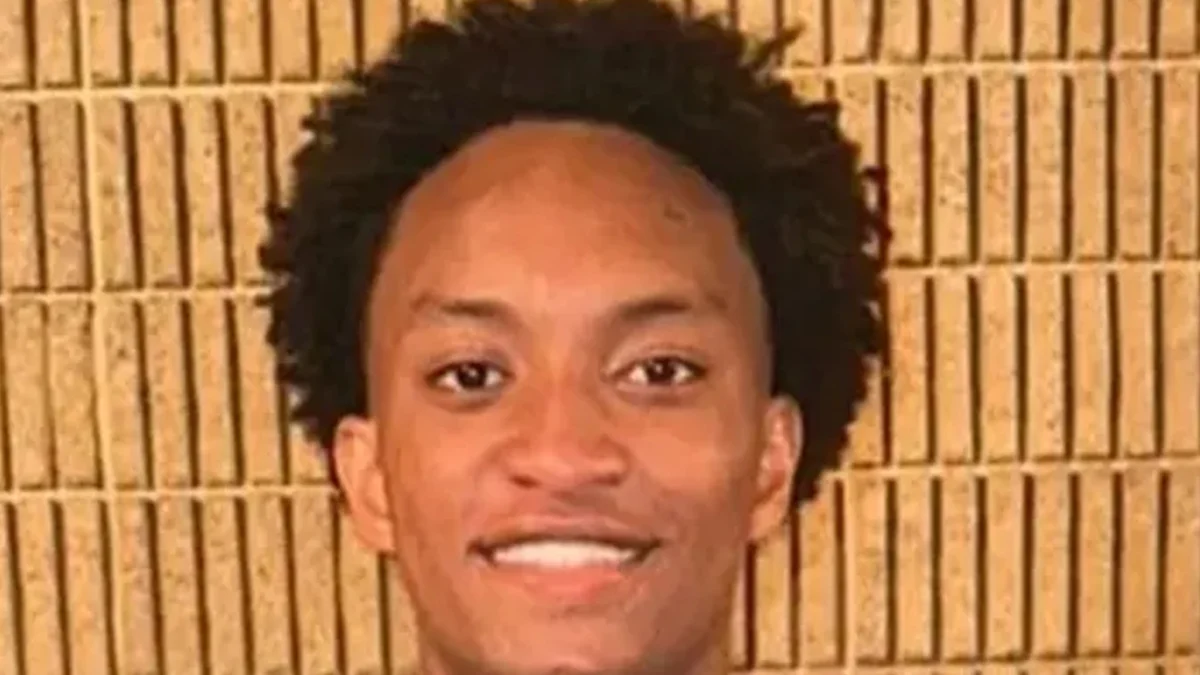
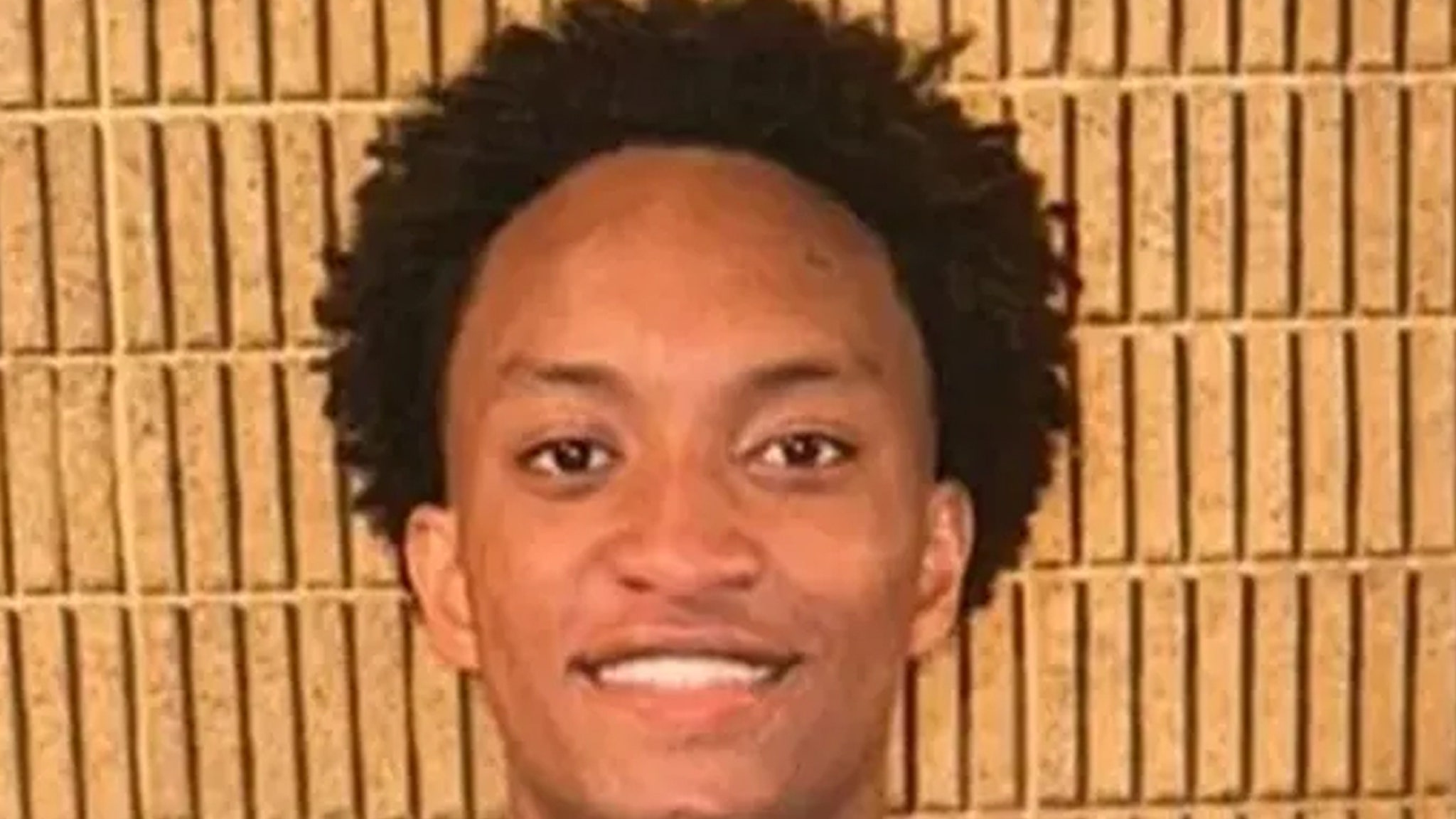
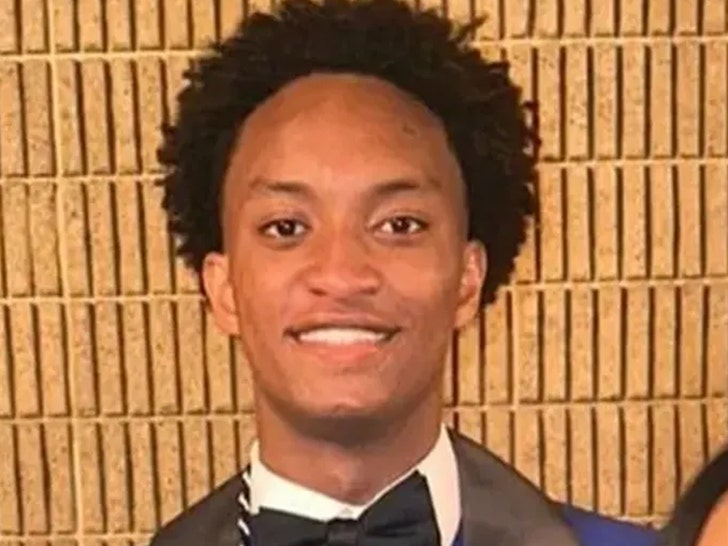
In a determined effort to uncover the circumstances surrounding her son’s tragic death, Christine Wells-Wonsley, the mother of the late Nolan Wells, has initiated extensive legal proceedings, issuing subpoenas to a consortium of major social media and digital communication platforms. The legal maneuver, disclosed through court documents obtained by TMZ, seeks comprehensive access to Nolan’s digital footprint, including all data associated with his accounts on Facebook, Instagram, WhatsApp, Life360, Snapchat, and TikTok. This unprecedented request underscores the evolving landscape of digital forensics in investigations and the increasing reliance of families on online data to piece together the final moments of their loved ones. The case, unfolding in late July 2026, highlights the complex interplay between personal privacy, parental rights, and the pursuit of justice in the digital age.
A Son’s Tragic Disappearance and the Quest for Digital Answers
The core of Christine Wells-Wonsley’s legal action stems from the unresolved questions surrounding the death of her 18-year-old son, Nolan Wells. Nolan was reported missing on July 4, 2026, after attending a party with friends on Horn Island. The initial reports from his companions painted a perplexing picture: they claimed Nolan did not depart the island with them, stating he intended to remain behind with an unidentified girl. This vague account left a void of information that has fueled his mother’s relentless search for clarity.
The disappearance triggered an extensive search operation, captivating local communities and drawing significant media attention. Days of anxious waiting culminated in the devastating discovery of Nolan’s body. While official reports on the cause of death have yet to be fully detailed or publicly released, the circumstances surrounding his last known whereabouts have prompted deep suspicion and a yearning for a complete understanding of the events leading to his demise. For Christine Wells-Wonsley, the digital realm represents a critical, potentially untapped, source of information that could illuminate the shadows surrounding her son’s final hours. She believes that Nolan’s online communications, interactions, and location data hold vital clues that could either corroborate or contradict the accounts provided by his friends, offering insights into his state of mind, his companions, and his movements on that fateful day.
Unpacking the Subpoenas: A Deep Dive into Data Requests
Filed on Tuesday, July 28, 2026, the subpoenas are remarkably broad and comprehensive, reflecting a deep understanding of the types of data modern digital platforms collect and store. Christine Wells-Wonsley’s legal team has meticulously requested an exhaustive array of information, leaving no stone unturned in their pursuit of answers.
The requests target not only the content of Nolan’s communications but also the underlying metadata that can provide critical context. Specifically, the subpoenas demand:
- Account Identifiers: All current and prior usernames, email addresses, phone numbers, and display names associated with Nolan’s accounts. This information is crucial for establishing the full scope of his digital identity and tracing any potentially pseudonymous online activity.
- IP Address Logs: A detailed log of all IP addresses tied to specific actions on the accounts. This includes login times, password reset attempts, and other administrative activities. IP addresses can pinpoint the geographical location from which these actions were performed, providing a digital breadcrumb trail of Nolan’s movements and the access points to his accounts.
- Metadata and Connection Information: This category extends to IP addresses linked to "friend events," which could encompass new connections, profile views, or interactions within social circles. Furthermore, the requests seek information that identifies or could be used to identify any party messaging in a conversation with Nolan’s account. This is pivotal for identifying all individuals with whom Nolan was in contact leading up to his disappearance.
- Content of Communications: The subpoenas explicitly demand all posts, stories, chats, messages (including direct messages or DMs), photos, video recordings, contents, and text files. This constitutes the raw communication data, offering direct insight into Nolan’s conversations, thoughts, plans, and interactions with others.
- Location Data and Digital Footprints: Perhaps one of the most critical elements for a missing person’s case, the request includes all GPS data and friend-list history. GPS data, especially from apps like Life360, can provide precise location tracking, offering an invaluable timeline of Nolan’s movements. Friend-list history can reveal changes in his social network, potentially highlighting new acquaintances or estranged relationships that could be relevant to the investigation.
- Other Stored Information: A catch-all clause requests "other information stored" on the platforms, ensuring that no relevant data type is inadvertently omitted from the legal mandate. This includes any content shared, saved, or uploaded that might not fall neatly into the other categories.
The sheer breadth of these requests indicates a thorough strategy to reconstruct Nolan’s final days, providing a digital mosaic that could corroborate or contradict existing witness statements and potentially reveal new leads for investigators.
The Legal Landscape of Digital Estates and Deceased User Data
Christine Wells-Wonsley’s legal challenge operates within a complex and still-evolving area of law: digital estates and access to deceased individuals’ online data. Historically, legal frameworks for inheritance and personal property did not account for digital assets. However, with the proliferation of online accounts, photos, emails, and social media profiles, the concept of a "digital legacy" has gained significant legal traction.
In the United States, several states have adopted versions of the Revised Uniform Fiduciary Access to Digital Assets Act (RUFADAA), which aims to provide fiduciaries (like executors or appointed personal representatives) with legal authority to access, manage, or close digital accounts of deceased individuals. RUFADAA generally grants fiduciaries the same rights as the account holder, provided there’s an explicit grant of access in a will or other legal instrument, or if default legal provisions apply. However, accessing communication content often requires a higher legal threshold, balancing the deceased’s privacy with the family’s right to information or the needs of an investigation.
The Wells-Wonsley case, involving subpoenas, suggests a direct legal demand for information rather than simply exercising fiduciary rights over an estate. This approach is often taken when there is an active investigation or suspected foul play, allowing courts to weigh the public interest in justice against the privacy terms of service agreements set by social media companies. Legal precedents are still being established, but courts increasingly recognize the evidentiary value of digital data in both civil and criminal matters. The success of such subpoenas often hinges on demonstrating a compelling need for the data and proving that it is relevant to a legitimate legal purpose, such as a death investigation.
Social Media Policies and Parental Access: A Balancing Act
Social media companies like Meta (Facebook, Instagram, WhatsApp), Snap Inc. (Snapchat), and ByteDance (TikTok) generally have detailed, though often restrictive, policies regarding deceased user accounts. These policies are designed to protect user privacy, even after death, while also providing mechanisms for families to manage a loved one’s digital legacy.
Typically, platforms offer options for memorializing an account (turning it into a tribute page with limited access) or outright deletion. However, gaining full access to a deceased user’s private messages, posts, and other data is significantly more challenging. Most platforms require a valid court order, a subpoena, or a search warrant issued to law enforcement agencies before they will release private content. This stance is rooted in their terms of service, which are legally binding agreements designed to protect user data from unauthorized access, even by family members.
For parents seeking access to their deceased child’s accounts, the process can be emotionally taxing and legally complex. While a parent might have legal guardianship over a minor, this authority often ceases upon the child reaching adulthood or upon their death, shifting control to the estate or other legal mechanisms. Christine Wells-Wonsley’s use of subpoenas is a direct challenge to these corporate policies, asserting a legal imperative that supersedes standard privacy provisions in the context of a death investigation. The companies, while generally cooperating with legitimate legal requests, often push back on overly broad demands, citing privacy concerns and the technical challenges of data retrieval. This dynamic creates a legal battleground where the family’s right to know confronts corporate responsibility for user privacy.
The Critical Role of Digital Forensics in Modern Investigations
The subpoenas issued by Christine Wells-Wonsley underscore the indispensable role of digital forensics in contemporary investigations, particularly in cases involving missing persons or unexplained deaths. In an era where individuals live significant portions of their lives online, their digital footprints can provide an unparalleled narrative of their activities, contacts, and state of mind.
Digital forensic experts can extract, analyze, and interpret a vast array of data from social media accounts, cloud services, and personal devices. This includes:
- Communication Timelines: Reconstructing conversations across multiple platforms to establish chronologies of events and identify key individuals.
- Geolocational Data: Utilizing GPS data, cell tower triangulation, and IP address logs to map a person’s movements before their disappearance or death. Apps like Life360, specifically targeted in the subpoenas, are designed for family location sharing and can offer incredibly precise movement histories.
- Behavioral Patterns: Analyzing posting habits, online searches, and interactions to understand psychological states, potential threats, or planned activities.
- Relationship Mapping: Identifying new or strained relationships through friend lists, group chats, and direct messages, which could point to motives or persons of interest.
- Deleted Data Recovery: In some cases, forensic specialists can recover deleted messages, photos, or files, which might hold crucial information that the user attempted to conceal.
A recent study by the Digital Forensics Institute, a leading research body in cybercrime and digital evidence, indicated that approximately 60% of major criminal investigations now involve significant digital evidence. This statistic highlights how central platforms like TikTok, Instagram, and WhatsApp have become as repositories of personal data that can be critical for law enforcement and legal teams. For Nolan Wells’ mother, this digital evidence is not merely supplementary; it is potentially the most direct and unvarnished account of his final moments, offering a path to understanding what transpired on Horn Island.
Balancing Privacy and Justice in the Digital Age
The Wells-Wonsley case reignites the ongoing ethical and legal debate surrounding the delicate balance between individual privacy and the pursuit of justice, particularly when it involves posthumous data access. On one hand, advocates for privacy argue that individuals have a right to control their personal data, even after death, and that broad access could set a dangerous precedent, potentially leading to invasions of privacy for deceased individuals and those they communicated with. Social media platforms, in their defense of user privacy, often emphasize that their terms of service are a contract with the user, not their family or estate.
On the other hand, families like Christine Wells-Wonsley’s argue for a "right to know," especially when a death is sudden, unexplained, or potentially involves foul play. For grieving families, access to a loved one’s digital communications can provide closure, uncover critical evidence for investigations, or even reveal hidden struggles or dangers that might have contributed to their death. Legal scholars often point out that privacy rights, while fundamental, are not absolute and can be compelled to yield when there is a clear public interest, such as in a criminal investigation. The challenge lies in defining the precise boundaries of "compelling need" and ensuring that such access is narrowly tailored to the specific investigative requirements, preventing fishing expeditions into private lives.
This case also touches upon the privacy rights of third parties—those who communicated with Nolan. Releasing chat logs and friend lists would inevitably expose the private communications and identities of others. Courts must carefully consider how to balance the investigative needs with the privacy expectations of these individuals, often redacting or limiting the scope of disclosed information to protect innocent parties.
Community Impact and the Call for Clarity
The tragic death of Nolan Wells and his mother’s subsequent legal actions have resonated deeply within communities, particularly among parents and young people. The case serves as a stark reminder of the vulnerabilities inherent in the digital lives of teenagers and the profound impact of unexplained deaths on families. There is often a widespread public desire for transparency and justice in such cases, with many expressing solidarity with Christine Wells-Wonsley’s efforts.
The situation has also prompted renewed discussions about digital literacy, parental oversight of online activities, and the need for clearer legal frameworks surrounding digital assets and posthumous access. Many parents grapple with how much access they should have to their children’s digital lives, especially as children transition into adulthood. Nolan’s case highlights the grim reality that sometimes, the most crucial information about a person’s life and death might be locked away in their digital accounts.
There is a growing call for social media companies to be more transparent and perhaps more flexible in their policies, particularly in cases of unexplained death where a legitimate investigation is underway. While respecting privacy is paramount, the humanitarian aspect of providing closure to grieving families and assisting law enforcement in serious cases is increasingly seen as a moral and societal obligation.
Expert Perspectives on Digital Legacies
Legal experts specializing in digital law and estate planning often comment on the increasing frequency and complexity of cases like Nolan Wells’. "The law is constantly playing catch-up with technology," says Dr. Eleanor Vance, a prominent digital rights attorney. "What Mrs. Wells-Wonsley is attempting is not uncommon, but the success rate can vary wildly depending on jurisdiction, the specificity of the request, and the cooperation of the platforms. It’s a testament to how integral our digital selves have become."
Another expert, Professor Marcus Thorne, a specialist in cybercrime and evidence, notes, "From an investigative standpoint, social media data is gold. It can provide location data, communication patterns, emotional states, and connections that traditional investigative methods simply can’t. The challenge is navigating the legal and ethical minefield to get to that data." These sentiments underscore the pivotal, yet often contentious, nature of digital evidence in modern legal battles.
Looking Ahead: Implications for Future Cases
Christine Wells-Wonsley’s persistent legal battle is more than just a personal quest for answers; it carries significant implications for future cases involving digital forensics and posthumous data access. Should her subpoenas prove successful in compelling the social media giants to release the requested data, it could establish a powerful precedent for families and law enforcement agencies navigating similar situations. It would reinforce the notion that in compelling circumstances, the need for justice and closure can indeed outweigh standard privacy policies.
Conversely, if the platforms successfully argue against the breadth of the subpoenas, it would highlight the formidable legal and technological barriers that families face in accessing such critical information. Regardless of the immediate outcome, the case will undoubtedly contribute to the ongoing evolution of digital law, pushing legislators, courts, and technology companies to re-evaluate their approaches to digital legacies, privacy in death, and the role of online data in uncovering truth. For Nolan Wells’ family, the hope remains that these digital breadcrumbs will finally lead to the full truth of what happened on Horn Island, providing the clarity and closure they so desperately seek. The outcome of this legal challenge will be closely watched, shaping the future of how we understand and access the digital footprints left behind by those we have lost.


 Yuyun Lusiyani
 Joko Widodo
 Eva Lovia
 Pevita Pearce

 Lina Irawan