
 admin
admin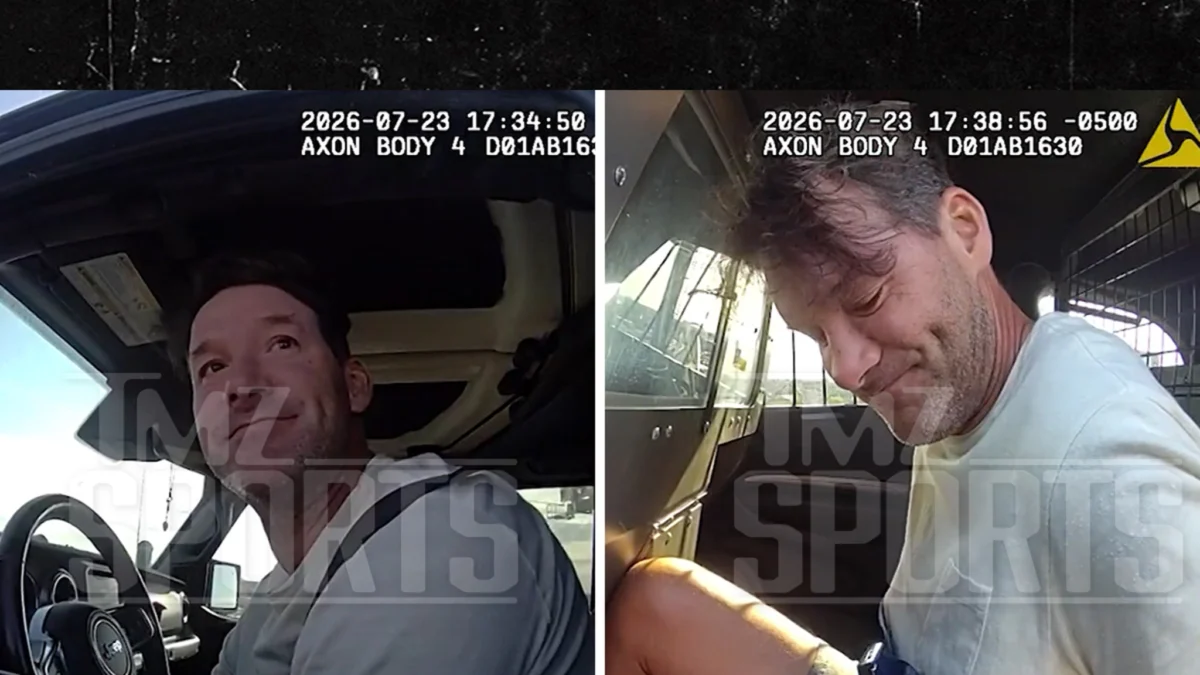
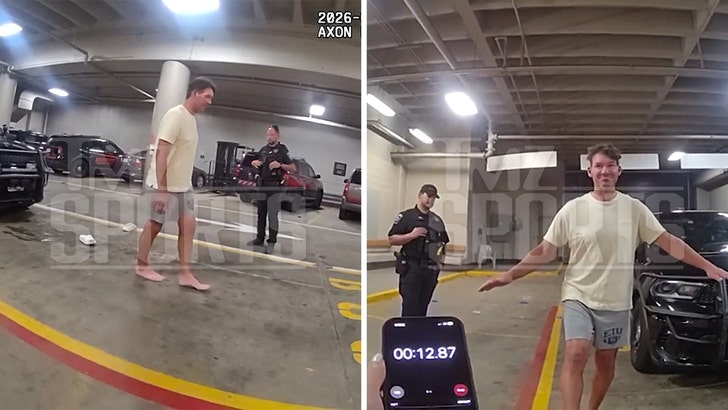
The arrest occurred in Wisconsin, a state known for its stringent OWI laws, following Romo’s participation in the Wisconsin Amateur Championship. The body camera footage details the initial interaction between Romo and the officer, where the ex-NFL star explains he had just departed a golf tournament. His assertion of heading to his grandparents’ house adds a somewhat poignant, albeit unusual, detail to the narrative of a celebrity OWI arrest. This interaction sets the stage for a sequence of events that ultimately led to his handcuffing and booking.
The Traffic Stop and Initial Exchange
The footage begins with the officer approaching Romo’s vehicle, a Jeep, after initiating the stop. Romo, identifiable by his public persona, engages with the officer, providing details about his recent activities and intended destination. The casual mention of visiting his grandparents, while seemingly innocuous, has since become a focal point of the report, contrasting sharply with the gravity of the situation. The officer, adhering to standard procedure, begins to question Romo about his whereabouts and any consumption of alcohol.
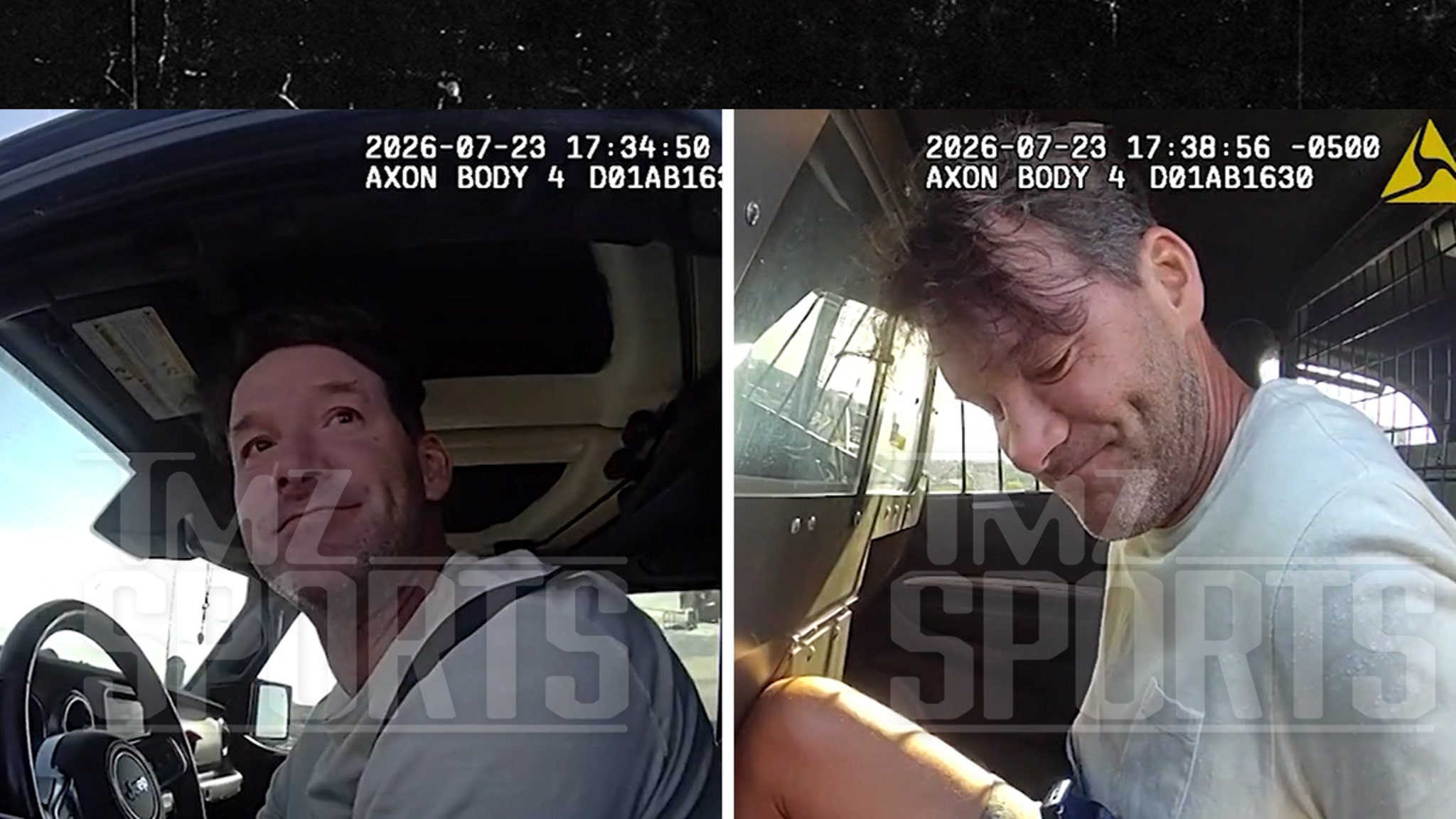
During this preliminary exchange, the officer likely observed indicators that prompted further investigation into potential impairment. While the initial reporting does not detail the specific cues that led to the stop or the officer’s suspicions, such interactions typically involve questions about alcohol intake, the smell of alcohol, slurred speech, or erratic driving patterns. Romo’s responses, as captured on the bodycam, form a critical part of the evidence gathered by law enforcement. The context of having just left a golf tournament, where alcoholic beverages are often consumed, further underscores the officer’s line of inquiry.
Field Sobriety Tests and Legal Rights
As the interaction progressed, the officer returned to Romo’s vehicle, requesting him to exit to perform field sobriety tests (FSTs). These tests are standardized assessments used by law enforcement to determine if a driver is impaired. They typically include the Horizontal Gaze Nystagmus (HGN) test, the Walk-and-Turn test, and the One-Leg Stand test. However, the footage reveals a moment of hesitation and legal inquiry from Romo, who repeatedly asked if he could contact his lawyer before complying with the officer’s request to step out of the vehicle.
It is a common misconception that individuals have a right to consult with an attorney before performing field sobriety tests. In most jurisdictions, including Wisconsin, drivers do not have this right prior to FSTs or even before submitting to a preliminary breath test (PBT) at the scene. The officer, therefore, was within legal bounds to instruct Romo to exit the vehicle without first allowing him to call legal counsel. Romo eventually complied, exiting his Jeep, at which point the officer informed him he was being detained for an OWI investigation. This procedural detail highlights the legal boundaries and expectations during a traffic stop involving suspected impairment.
Challenges During Testing and Formal Arrest
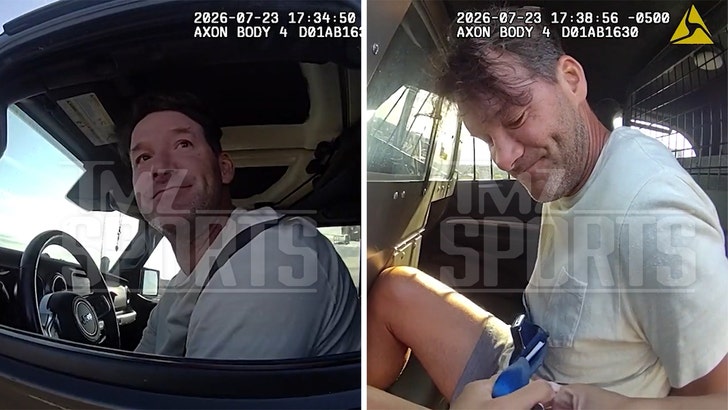
The video continues to show Romo at the police station, where he was asked to perform additional field sobriety exercises. During these tests, Romo reportedly stated that he had difficulty bending over due to previous back surgeries. This claim introduces a layer of complexity, as physical limitations can sometimes affect a person’s ability to successfully complete certain FSTs, potentially leading to a misinterpretation of impairment. However, officers are trained to consider such factors and observe other indicators of intoxication. Romo’s history of multiple back surgeries, a well-documented aspect of his NFL career, adds a medical context to his performance during the tests.
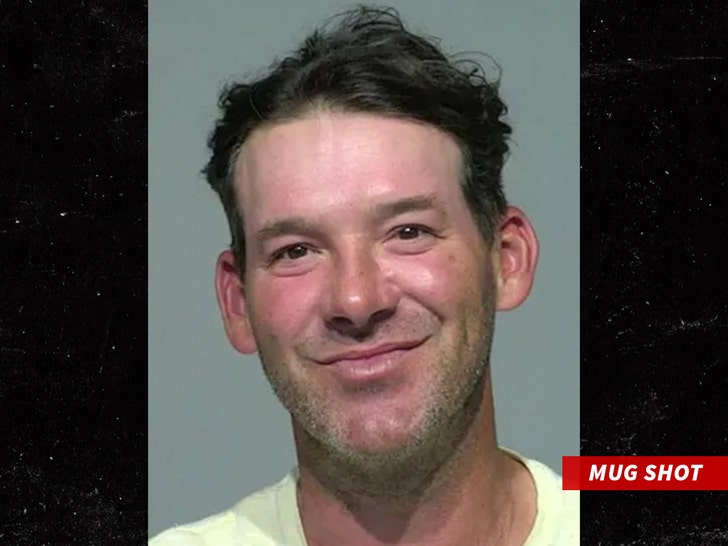
Despite his stated physical challenges, law enforcement officials reported that Romo performed poorly on the sobriety exercises, leading to his arrest on suspicion of operating while intoxicated. Following the tests, Romo was formally placed in handcuffs and escorted to the back of a patrol car, a stark image for a figure accustomed to leading a different kind of team. The mug shot released shortly after his arrest further cemented the public record of this incident.
Legal Ramifications and Wisconsin’s OWI Laws
Beyond the OWI charge, court records indicate that Romo was also cited for refusing to take an intoxication test. In Wisconsin, refusing a chemical test (like a breathalyzer or blood test) carries significant penalties, often more severe than those for a first-offense OWI conviction itself. Under Wisconsin’s "implied consent" law, by operating a vehicle on public roads, drivers implicitly agree to chemical testing if suspected of OWI. Refusal can lead to an automatic driver’s license suspension, regardless of the outcome of the OWI charge. For a first refusal, a driver’s license can be suspended for at least one year, and the driver must install an ignition interlock device (IID) for at least one year after the suspension period.
Romo has since requested a hearing to challenge the citation for refusing the intoxication test. This legal maneuver is a common step in OWI cases, allowing individuals to dispute the grounds for the stop, the legality of the arrest, or the circumstances surrounding the refusal. However, even with a challenge, the potential loss of his driving privileges for a year remains a significant consequence. The legal proceedings will determine the validity of the refusal citation and the OWI charge itself, with potential outcomes ranging from fines and license suspension to mandatory OWI education programs.
Tony Romo: From Gridiron Star to Golf Enthusiast
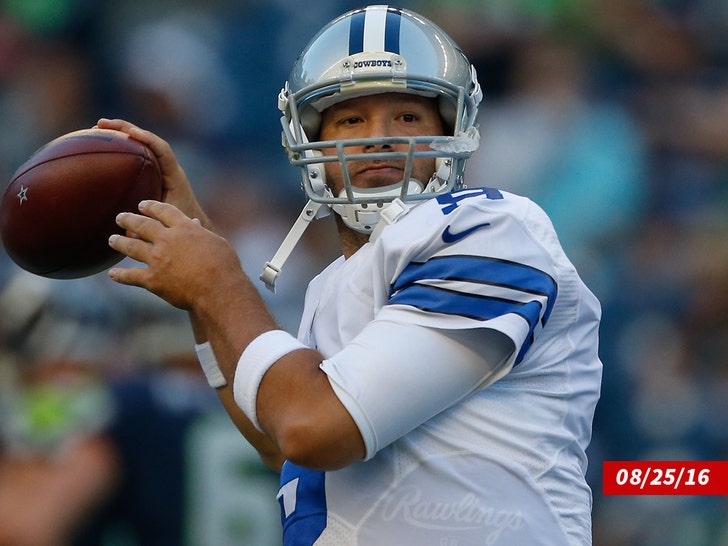
Tony Romo, 46, carved out a highly successful career as an undrafted free agent quarterback for the Dallas Cowboys from 2004 to 2016. Known for his scrambling ability, strong arm, and sometimes dramatic play, he became one of the franchise’s most popular, albeit often scrutinized, players. After retiring from the NFL, Romo seamlessly transitioned into a highly acclaimed career as a lead analyst for CBS Sports, earning widespread praise for his insightful commentary and ability to predict plays. His broadcasting career has made him a household name beyond football fanatics, establishing him as a prominent media personality.
In addition to his broadcasting duties, Romo is an avid and accomplished amateur golfer. He frequently competes in high-level amateur tournaments and has even participated in professional events on sponsor exemptions. His competitive drive, evident during his football career, has clearly carried over to the golf course. The arrest occurred just after he had competed in the Wisconsin Amateur Championship, underscoring his deep engagement with the sport. Following the incident, Romo notably withdrew from a separate, long-standing golf tournament in Texas, a public indication of the immediate impact of his legal troubles. This withdrawal suggests a desire to avoid public scrutiny or to focus on addressing the legal situation at hand.
Broader Implications and Public Perception
The arrest of a public figure like Tony Romo for OWI carries significant implications, both personally and professionally. For Romo, it potentially tarnishes an otherwise stellar post-NFL career image. As a prominent sports analyst, he serves as a role model to many, and such an incident can lead to a decline in public trust and admiration. While CBS Sports has not issued a public statement regarding the arrest, it is common for media organizations to closely monitor legal situations involving their talent. Depending on the outcome of the legal proceedings, there could be internal reviews or discussions about his role, though such actions are typically reserved for more severe or repeat offenses.
Beyond Romo’s individual situation, this incident serves as a stark reminder of the pervasive issue of impaired driving. According to the Wisconsin Department of Transportation, OWI remains a serious public safety concern, contributing to a significant number of traffic fatalities and injuries annually. In 2024, there were over 25,000 OWI convictions in Wisconsin, highlighting the scale of the problem. The legal system aims to deter such behavior through strict penalties, including fines, license suspensions, and even jail time, particularly for repeat offenders.
The public reaction to celebrity arrests often involves a mix of sympathy, condemnation, and discussion about accountability. Social media platforms quickly become forums for debate, with some expressing disappointment and others calling for understanding. Romo’s case, with the unusual detail of heading to visit his grandparents, adds a human element that might elicit varied responses from the public.
Awaiting the Legal Resolution
As Romo awaits his hearing to challenge the refusal citation and address the OWI charge, the legal process will unfold in the coming weeks and months. The outcome will depend on the evidence presented, Romo’s legal defense, and the presiding judge’s decision. Potential outcomes range from a dismissal of charges (though rare in OWI cases with bodycam footage and refusal) to a conviction that could entail fines, license suspension, mandatory alcohol education, and potentially an ignition interlock device requirement.
This incident underscores that regardless of fame or public stature, individuals are subject to the same laws and consequences when it comes to impaired driving. The release of the body camera footage offers a transparent, albeit uncomfortable, glimpse into the events of July 23, 2026, and ensures that the details of the arrest are firmly in the public domain. The football and broadcasting communities, along with the general public, will be closely watching as Tony Romo navigates these legal challenges and the impact they may have on his distinguished career and personal life.


 Yuyun Lusiyani
 Joko Widodo
 Eva Lovia
 Pevita Pearce
 Lina Irawan