
 Jia Lissa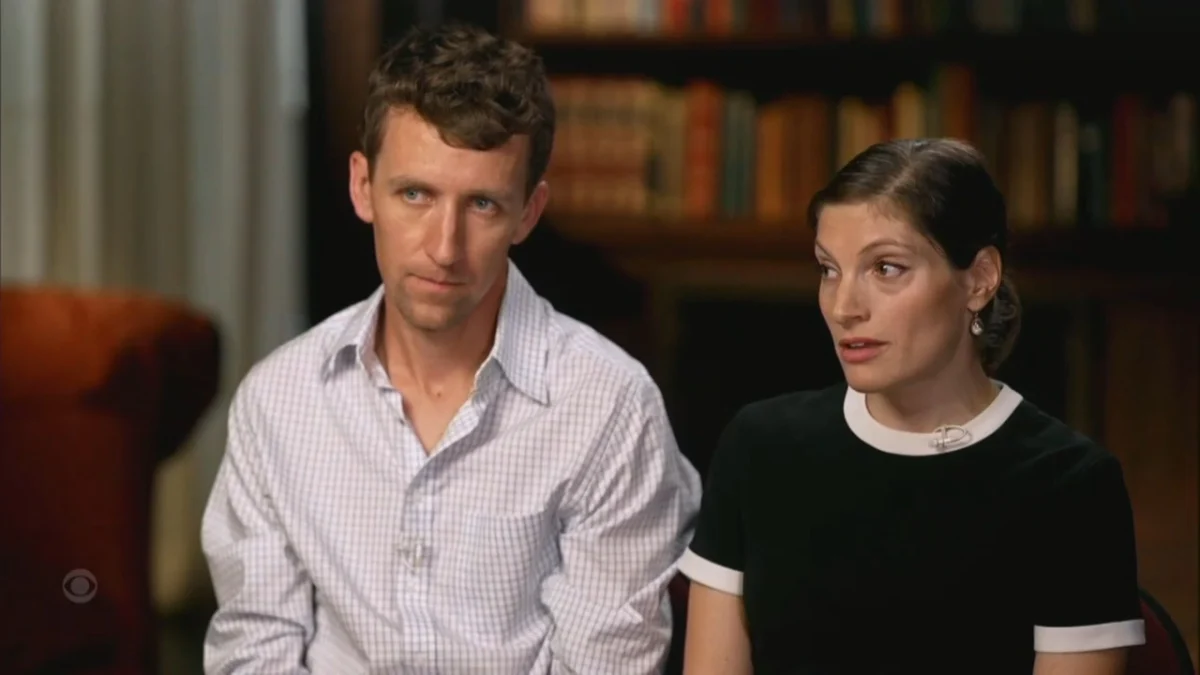
Patrick Clancy’s appearance on CBS’s 60 Minutes offered a rare and deeply personal look into a story that gripped the nation, transitioning from a narrative of unimaginable loss to one of cautious hope. Speaking with correspondent Ross Douthat, Clancy shared his journey through the aftermath of the deaths of his three young children—Cora, 5; Dawson, 3; and Callan, 8 months—at the hands of his then-wife, Lindsay Clancy, in January 2023. Now residing in New York City and remarried to Dr. Rachel Danis, a fertility specialist, Clancy revealed their plans to start a new family. The interview served not only as a personal update but as a platform to discuss the complexities of grief, the nuances of maternal mental health, and the difficult path toward reconciliation with a traumatic past.
The Tragedy in Duxbury: A Chronology of Events
The events that led to the deaths of the Clancy children began in the quiet suburb of Duxbury, Massachusetts. On the evening of January 24, 2023, Patrick Clancy left the family home for approximately 25 minutes to pick up a takeout order and medication for his wife. During that brief window, Lindsay Clancy, who had been struggling with severe mental health issues following the birth of their youngest child, strangled the three children in the basement of their home.
Upon his return, Patrick discovered his wife had jumped from a second-story window in an apparent suicide attempt. After emergency services arrived, he discovered the children. Five-year-old Cora and three-year-old Dawson were pronounced dead shortly after. Eight-month-old Callan was initially revived and transported to a hospital, where he remained on life support for four days before succumbing to his injuries. Patrick remained by the infant’s side until the end, a detail he recounted with profound solemnity during the 60 Minutes segment.
The aftermath of the event left Lindsay Clancy paralyzed from the waist down due to her jump. She was subsequently charged with three counts of murder and three counts of strangulation. The case immediately sparked a national conversation regarding postpartum psychosis and the adequacy of the mental health support system for new mothers.
Legal Proceedings and the Mental Health Defense
The legal battle following the tragedy became a focal point for debates on criminal responsibility and mental illness. Lindsay Clancy’s defense team, led by attorney Kevin Reddington, argued that she was suffering from postpartum psychosis—a rare but severe mental health emergency. They contended that she had been prescribed a "toxic" cocktail of medications that exacerbated her condition, leading to an involuntary state of insanity at the time of the killings.
Conversely, the prosecution argued that the murders were premeditated. They cited Lindsay’s use of her phone to map out the distance to the restaurant and her calm demeanor during a phone call with Patrick just minutes before the event as evidence of deliberate planning.
In late 2023, the legal proceedings reached a stalemate. A grand jury originally indicted her, but the case eventually faced a significant hurdle when a lone juror refused to find her criminally liable, leading to a mistrial. While the prosecution has expressed an intent to retry the case, formal charges have not yet been refiled as of late 2024. This legal limbo has allowed Patrick Clancy to distance himself from the courtroom environment and focus on his personal recovery.
Seeking Answers through Postpartum Support International
In the months following the loss of his children, Patrick Clancy did not shy away from the horrific reality of what had occurred. Instead, he sought to understand the "why" behind his wife’s actions. He began reaching out to experts at Postpartum Support International (PSI), as well as various psychiatrists and specialists in maternal mental health.
"I asked them, ‘What do you think happened?’" Clancy told Ross Douthat. These deep conversations were instrumental in his decision to publicly forgive Lindsay shortly after the tragedy. In a statement released via a GoFundMe page in February 2023, Patrick urged the public to forgive her as well, stating that the woman who committed the acts was not the woman he knew and loved. This stance polarized public opinion, with some praising his grace and others questioning his defense of a woman who had killed their children. Clancy addressed this "social media swarm" during the interview, noting that painting him or his family in a villainous light was "deeply harmful to the legacy" of his children.
A New Life and Meeting Dr. Rachel Danis
The decision to move from Massachusetts to New York City was driven by a need for anonymity. In Duxbury, Clancy was the face of a tragedy known to every neighbor; in Manhattan, he could be just another face in the crowd. It was in this environment that he met Dr. Rachel Danis, a reproductive endocrinology and infertility specialist.
The couple’s first meeting at a coffee shop highlighted the weight Patrick carries. Danis recounted a moment when Patrick went to pay for their order and she saw a photo of three children on his phone’s wallpaper. When she asked who they were, he simply replied, "Those are my kids." When she asked if they lived in Massachusetts, he replied, "They died."
Despite the gravity of his past, the relationship flourished. Danis noted that while she had many questions, she was drawn to Patrick’s resilience and character. The two were married in an intimate ceremony in New York City in April 2024. Patrick credited Danis with helping him navigate his grief, stating that his life has changed in a profoundly positive way since their meeting.
The Decision to Rebuild a Family
One of the most poignant moments of the 60 Minutes interview involved the couple’s revelation that they are planning to have children together. For Patrick, the decision to become a father again is not an attempt to replace Cora, Dawson, and Callan, but a testament to his love for fatherhood.
When Douthat asked how he would eventually explain their siblings to his future children, Clancy’s response was one of inclusion rather than erasure. "I think every parent can agree you have different relationships with your kids, but they’re all your kids," he said. "I can’t wait to tell them about their brothers and sister."
This move to start a new family is supported by his work with mental health professionals, who emphasize that "moving forward" does not mean "moving on." By integrating the memory of his first three children into his future, Clancy aims to honor their legacy while refusing to let the tragedy be the final word on his life.
Supporting Data: Understanding Postpartum Psychosis
The Clancy case has brought significant attention to the statistics surrounding maternal mental health. According to Postpartum Support International and the Cleveland Clinic:
- Postpartum Depression (PPD): Affects approximately 1 in 7 new mothers. It is characterized by severe sadness, anxiety, and exhaustion.
- Postpartum Psychosis (PPP): A much rarer and more dangerous condition, occurring in approximately 1 to 2 out of every 1,000 deliveries. Symptoms include delusions, hallucinations, and a break from reality.
- Risk Factors: The risk of infanticide or suicide is significantly higher in cases of untreated postpartum psychosis. Experts note that the condition is a medical emergency, not a character flaw.
In the wake of the 2023 tragedy, several states have seen renewed interest in "Lindsay’s Law" or similar legislative efforts aimed at increasing screening for postpartum disorders and providing better insurance coverage for specialized maternal mental health care.
Broader Implications and Societal Impact
The story of Patrick Clancy serves as a case study in the intersection of personal tragedy, public perception, and the evolution of the American legal system regarding mental health. The fact that the case ended in a mistrial underscores the difficulty juries face when balancing the desire for justice with the complexities of psychiatric evidence.
Furthermore, the interview highlights the role of the "survivor" in the digital age. Clancy’s ability to find love and a path toward a new family has been met with both support and scrutiny. However, from a psychological perspective, his trajectory is seen by many experts as a remarkable example of "post-traumatic growth." This phenomenon occurs when individuals experience positive psychological change as a result of struggling with highly challenging life circumstances.
As Patrick Clancy and Rachel Danis look toward the future, the legacy of Cora, Dawson, and Callan remains a central part of their narrative. The 60 Minutes interview concluded with a sense of quiet determination. While the legal system continues to deliberate on the past, Clancy has chosen to focus on a future defined by the lessons learned from his loss and the hope found in his new marriage. Through his openness, he continues to contribute to a broader understanding of grief, forgiveness, and the enduring human spirit.




 Yuyun Lusiyani
 Joko Widodo
 Eva Lovia
 Pevita Pearce