
 Jia Lissa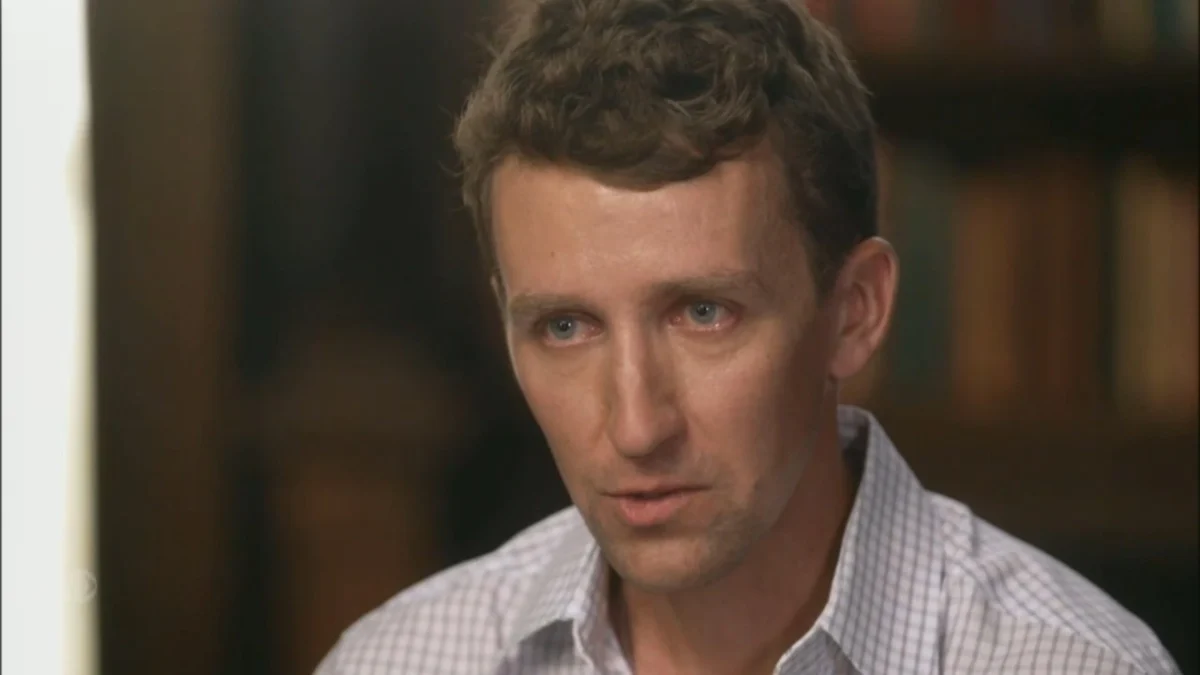
In an emotionally charged broadcast on CBS’s 60 Minutes, Patrick Clancy provided a harrowing first-hand account of the tragedy that claimed the lives of his three young children in January 2023. Speaking with correspondent Ross Douthat, Clancy detailed the final moments he shared with his infant son, the complexities of his ex-wife’s mental health crisis, and the subsequent legal battle that has gripped the nation. The interview marks the first time Clancy has sat for a television interview since the deaths of 5-year-old Cora, 3-year-old Dawson, and 8-month-old Callan, offering a perspective that balances personal grief with a call for greater awareness regarding perinatal mental health.
The Final Days of Callan Clancy
The centerpiece of the interview focused on the four days following the initial incident at the family’s home in Duxbury, Massachusetts. While Cora and Dawson were pronounced dead shortly after the attack on the night of January 24, 2023, the youngest child, Callan, initially survived the strangulation attempt. Patrick Clancy recounted the desperate hope he harbored as medical professionals worked to stabilize the infant.
"I remember that night, I really thought Callan would live," Clancy told Douthat. He described a singular, desperate prayer he held during those hours: "Just give me one. Just give me one kid." He expressed a commitment to raising Callan with the memory of his siblings, promising to provide the best life possible despite the unimaginable circumstances. However, upon arriving at Boston Children’s Hospital, the gravity of the situation became clear through the expressions of the medical staff. Callan succumbed to his injuries four days later, dying in his father’s arms. Clancy expressed profound gratitude for those four additional days, noting that he was able to hold his son and speak to him, offering an apology for the tragedy that had unfolded.
Chronology of the January 2023 Tragedy
To understand the context of Clancy’s testimony, it is necessary to examine the timeline of events leading up to and following the deaths. On the evening of January 24, 2023, Patrick Clancy left the family home for approximately 55 minutes to pick up dinner and medication. Upon his return, he found the house unusually quiet. He eventually discovered his wife, Lindsay Clancy, had jumped from a second-story window in an apparent suicide attempt.
After calling emergency services, Patrick discovered the three children in the basement. Investigators later revealed that the children had been strangled with exercise bands. Lindsay Clancy survived her injuries but was left paralyzed from the waist down. The event immediately sparked a national conversation about maternal mental health, as it was revealed that Lindsay had been seeking intensive treatment for what her defense team characterized as postpartum psychosis.
The Legal Proceedings and Mistrial
The legal aftermath of the tragedy has been as contentious as it was tragic. Lindsay Clancy was charged with three counts of murder. Her defense, led by attorney Kevin Reddington, argued that she was not criminally responsible due to involuntary intoxication from a "cocktail" of prescribed psychiatric medications and a severe break from reality caused by postpartum psychosis.
The prosecution, conversely, argued that the killings were planned and deliberate, pointing to the fact that Lindsay had researched the time it would take for her husband to run errands. They contended that she was lucid enough to carry out a calculated act.
In a significant legal development on September 4, 2024, the judge declared a mistrial. Reports indicated that the jury was deadlocked 11-to-1 in favor of finding Lindsay not guilty by reason of insanity. A lone juror reportedly held out, leading to the mistrial. One juror later criticized the holdout as "arrogant," suggesting that the majority felt the evidence of a mental health crisis was overwhelming. The case remains in a state of legal limbo, with the possibility of a retrial looming.
Postpartum Psychosis: Supporting Data and Context
The Clancy case has brought postpartum psychosis (PPP) into the center of public discourse. Unlike the more common postpartum depression, which affects roughly 1 in 7 new mothers, PPP is a rare and severe medical emergency. According to data from Postpartum Support International, PPP occurs in approximately 1 to 2 out of every 1,000 deliveries.
The condition is characterized by a sudden onset of psychotic symptoms, including hallucinations, delusions, paranoia, and significant cognitive impairment. Statistics suggest that there is a 5% suicide rate and a 4% infanticide rate associated with untreated or improperly treated postpartum psychosis. Medical experts emphasize that PPP is a break from reality, meaning the individual often does not understand the nature or wrongfulness of their actions at the time of the crisis.
In the months leading up to the tragedy, Lindsay Clancy had reportedly been prescribed a rotating list of over a dozen medications, including antidepressants, anti-anxiety meds, and sleep aids. Her defense argued that this "overmedication" exacerbated her condition, a claim that Patrick Clancy appeared to support in his interview, noting that his wife’s mental state seemed to deteriorate despite—or perhaps because of—the clinical interventions she was receiving.
Response to Social Media Scrutiny and "TikTok Detectives"
A modern and distressing layer to this case has been the role of social media. Following the murders, Patrick Clancy became the target of intense scrutiny from online "true crime" communities. On platforms like TikTok, self-appointed investigators analyzed his 911 calls and public statements, with some accusing him of being emotionally distant or even complicit in the crimes.
During the 60 Minutes interview, Clancy addressed these allegations directly, describing the online "swarm" as "deeply harmful to the legacy of my children." He noted that the focus on baseless conspiracy theories serves as a distraction from the real issue: the systemic failure to identify and treat perinatal mental health crises. "It’s done real harm to real people—myself included, but also others," he stated, highlighting the secondary trauma inflicted on victims by unregulated digital speculation.
Forgiveness and the Path Forward
Perhaps the most surprising element of Patrick Clancy’s public stance has been his vocal forgiveness of his ex-wife. Despite the loss of his three children, he has consistently maintained that the woman who committed the acts was not the woman he married, but rather a version of her consumed by a "demonic" mental illness.
"I felt that, if I didn’t get there [to forgiveness], I would be eaten up inside forever," Clancy explained. He clarified that his forgiveness was a personal necessity for his own survival and healing, rather than a statement on the legalities of the case.
Clancy also shared news regarding his personal life, revealing that he has remarried. His new wife, Dr. Rachel Danis, is a reproductive endocrinologist and infertility specialist. Clancy expressed a desire to start a new family, stating that he looks forward to telling future children about their siblings, Cora, Dawson, and Callan. This revelation has met with mixed reactions from the public, yet for Clancy, it represents a commitment to moving forward while honoring the memory of the family he lost.
Broader Implications for Maternal Health and Law
The Clancy case serves as a landmark instance that may influence future legislation and medical protocols regarding maternal mental health. Advocacy groups have used the tragedy to lobby for the "Lindsay Clancy Law" or similar initiatives that would mandate better screening for postpartum disorders and provide legal frameworks for "diminished capacity" in cases involving postpartum psychosis.
From a legal standpoint, the mistrial underscores the difficulty of litigating the insanity defense in the United States. While 11 jurors were convinced that Lindsay Clancy was not criminally responsible, the requirement for a unanimous verdict in many jurisdictions highlights the gap between medical understanding of psychosis and the legal standards for criminal intent.
As the community of Duxbury and the nation continue to process the events of January 2023, the interview with Patrick Clancy provides a somber reminder of the human cost of mental health failures. The case remains a catalyst for a broader societal shift toward recognizing the severity of perinatal psychiatric emergencies and the necessity of a healthcare system that can intervene before such tragedies occur. For Patrick Clancy, the focus remains on the "legacy" of his children—a legacy he hopes will now be defined by a movement toward healing and prevention rather than just the horror of their passing.



 Yuyun Lusiyani
 Ana Megawati
 Joko Widodo
 Eva Lovia
 Pevita Pearce