
 Eva Lovia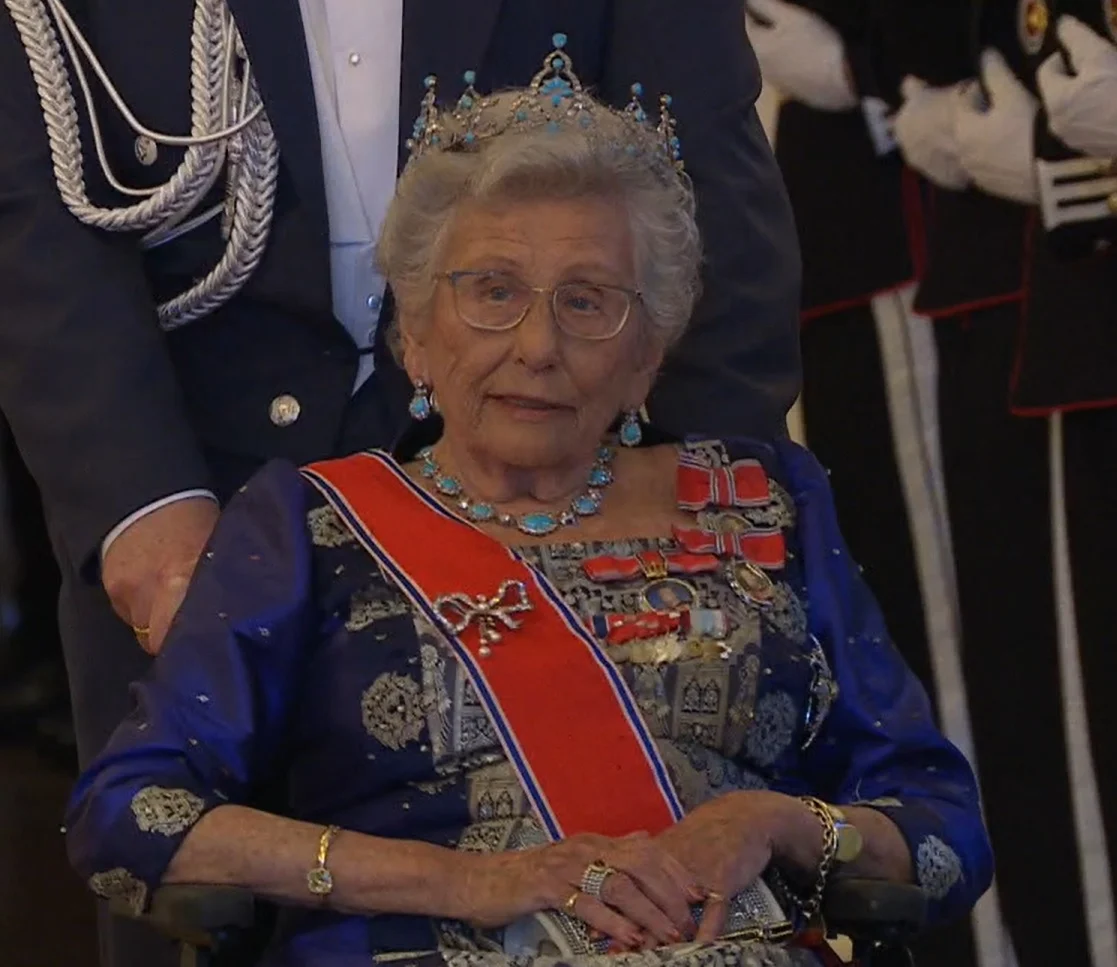
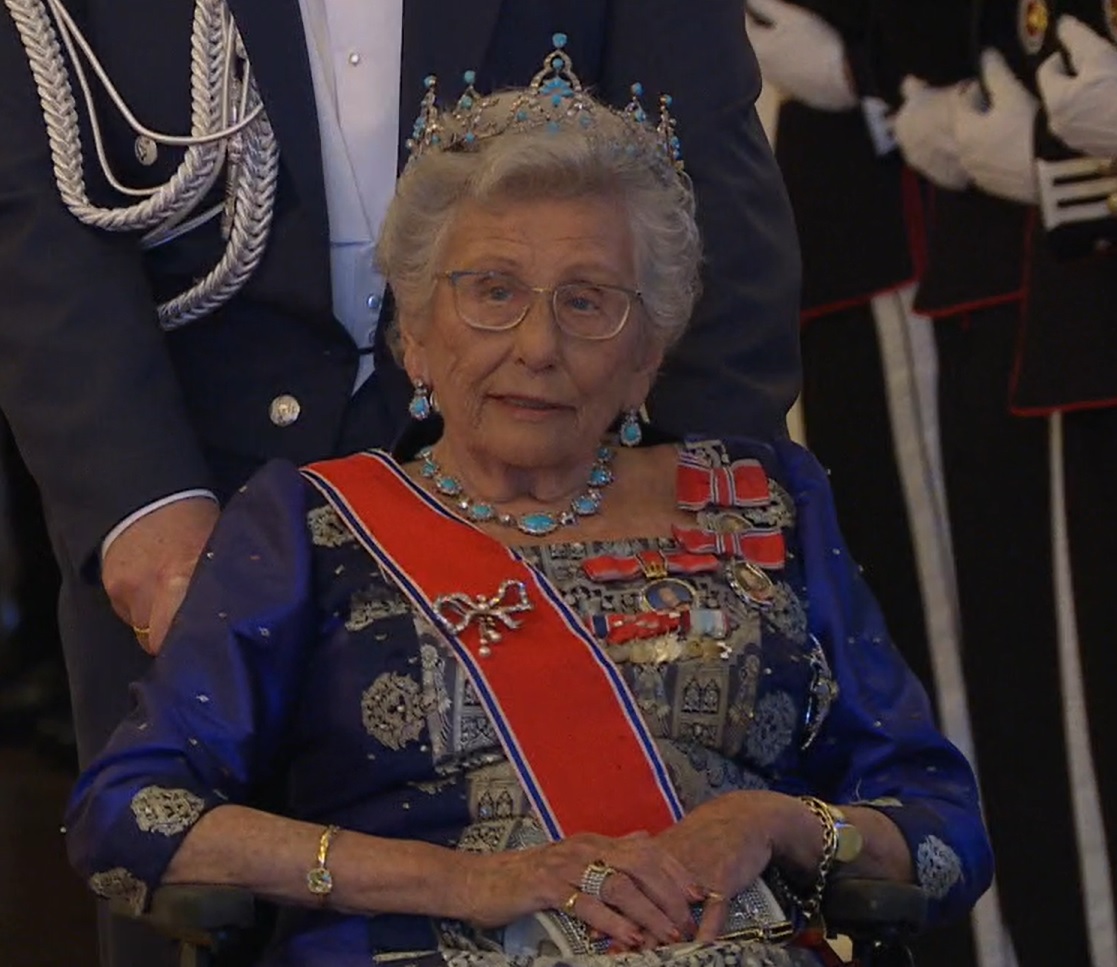
The Norwegian Royal Court has announced the passing of Her Royal Highness Princess Astrid of Norway, who died on September 11th at the age of 94. Her death comes just days after the funeral of her younger brother, His Majesty King Harald V of Norway. The poignant timing of her departure, so soon after mourning her brother’s father, King Olav V, and then her own brother, casts a somber shadow over the nation and its royal family.
Princess Astrid, born Princess Astrid Maud Ingeborg on February 12, 1932, was the second child and elder daughter of King Olav V and Crown Princess Märtha of Sweden. Her life spanned a period of immense historical change, from the pre-war era in Norway through periods of occupation, reconstruction, and into the modern age. She played a significant, albeit often understated, role in the continuity and public face of the Norwegian monarchy for decades.
A Life of Duty and Service
Princess Astrid’s early life was marked by the tumultuous events of World War II. Following the German invasion of Norway in 1940, she, along with her mother and younger sister, Princess Ragnhild, was evacuated to the United States. They spent much of the war years in exile, residing in Washington D.C. under the care of President Franklin D. Roosevelt and his wife Eleanor Roosevelt. This period in America undoubtedly shaped her perspective and likely fostered a deep understanding of international relations and the importance of humanitarian aid, themes that would later resonate in her public engagements.
Upon returning to Norway after the war, Princess Astrid continued her education and began to undertake royal duties. A pivotal moment in her life, and in the public perception of the monarchy, came with the premature death of her mother, Crown Princess Märtha, in 1954. Following her mother’s passing, Princess Astrid stepped into the role of the de facto First Lady of Norway. Her father, King Olav V, had ascended the throne the previous year, and with his wife gone, Princess Astrid assumed many of the ceremonial and representational duties associated with the Queen. She served in this capacity with grace and dedication until her younger brother, then-Crown Prince Harald, married Sonja Haraldsen in 1968, at which point Crown Princess Sonja assumed these responsibilities.
Family and Personal Life
Princess Astrid married Johan Martin Ferner, a Norwegian businessman, on May 12, 1961. The marriage was a significant event, as it was the first time a member of the Norwegian Royal Family had married a commoner in the 20th century. This union, while celebrated, also marked a slight shift in the more traditional lineage of royal marriages. Together, they had five children:
- Catharina, born 1962.
- Benedikte, born 1963.
- Alexander, born 1965.
- Elisabeth, born 1967.
- Carl-Christian, born 1970.
The Princess was a devoted mother and grandmother. Her children, in a touching joint statement released through the Royal Court, expressed their profound gratitude for her unwavering love, wisdom, and support. They described her as "the best mother we could have," highlighting her constant presence, warmth, and good humor. Their statement also underscored her loyalty and duty not only to her immediate family but also to her father, King Olav, and her brother, King Harald, as well as to those in society who needed extra care. The phrase "In grief we stand together in gratitude" encapsulates the deep sorrow and profound appreciation her children feel.
A Legacy of Commitment and Compassion
Throughout her long life, Princess Astrid remained a steadfast supporter of the Norwegian Royal Family and its mission. King Harald V, in his tribute, acknowledged his aunt’s "dutiful manner" and her representation of the Royal Family across four reigns: his father King Olav V, his uncle King Olav V’s father King Haakon VII, and his own reign. He particularly commended her commitment to the most vulnerable members of society, emphasizing her work in care and inclusion.
The King described Princess Astrid as someone who "always carried out her duties with commitment, presence and an infectious spirit." He further noted her role as an "important support" for him and other family members, learning much from her and respecting her willingness to speak her mind. His Majesty’s words paint a picture of a woman of integrity, conviction, and enduring strength, whose passing represents a "great loss" for the family. The King concluded by extending warm thoughts to Princess Astrid’s closest friends, acknowledging the breadth of her impact beyond her immediate circle.
Royal Decrees and National Mourning
In recognition of her significant contributions and the grief felt across the nation, King Harald V has directed that all flags at the Royal Palace of Oslo be flown at half-mast. This directive will be observed not only on the day of her passing but also on the day of her funeral. The date for the funeral has not yet been announced by the Royal Court, leaving the nation in a period of anticipation and shared mourning.
The decision to fly flags at half-mast is a traditional and deeply symbolic act in Norway, signifying respect and solemnity during times of national loss. It allows the entire country to collectively acknowledge the passing of a prominent figure and to offer their condolences to the Royal Family.
Historical Context and Royal Succession
Princess Astrid’s life was intrinsically linked to the history of the Norwegian monarchy. She was born into a royal lineage that had faced significant challenges, including the abdication of the Norwegian throne by her paternal grandfather, Prince Carl of Denmark, who became King Haakon VII of Norway in 1905. Her father, King Olav V, reigned from 1957 to 1991, a period of considerable post-war development and societal change in Norway. Her brother, King Harald V, has reigned since 1991, navigating Norway through the late 20th and early 21st centuries.
As the elder sister of the reigning monarch, Princess Astrid held a unique position. While she was not in the direct line of succession to the throne, her role as a senior royal allowed her to be a vital link to the past and a steadfast presence in the present. Her experience as First Lady provided her with invaluable insight into the demands and nuances of royal service, knowledge that she undoubtedly shared with her brother and his family.
Broader Impact and Analysis
The passing of Princess Astrid at such an advanced age, and so close to other significant royal events, marks the end of an era for the Norwegian Royal Family. Her long life of service and her dedication to her family and country leave a lasting legacy. In a modernizing world where the role of monarchies is often debated, individuals like Princess Astrid, through their consistent commitment and embodiment of traditional values, provide a sense of stability and continuity.
Her focus on social welfare and inclusion, as highlighted by King Harald, reflects a broader trend among European royals to engage with contemporary social issues. This approach helps to keep monarchies relevant and connected to the concerns of their citizens. Princess Astrid’s emphasis on caring for the vulnerable demonstrates a practical application of royal patronage and influence, moving beyond purely ceremonial functions.
The expressions of love and gratitude from her children and the King are not merely personal sentiments but also public acknowledgments of her character and contributions. They underscore the importance of family bonds within the royal context and the strength derived from mutual support.
As Norway prepares to bid farewell to Princess Astrid, the nation will reflect on her contributions, her personal warmth, and her unwavering dedication to the crown. Her life story is a testament to the enduring spirit of service and the profound impact one individual can have through a lifetime of quiet commitment and genuine compassion. The ceremonies to come will undoubtedly be a somber occasion, but also an opportunity to celebrate a life well-lived and a legacy of devotion to Norway.




 Yuyun Lusiyani
 Joko Widodo
 Pevita Pearce
 admin
admin
 Lina Irawan