
 Eva Lovia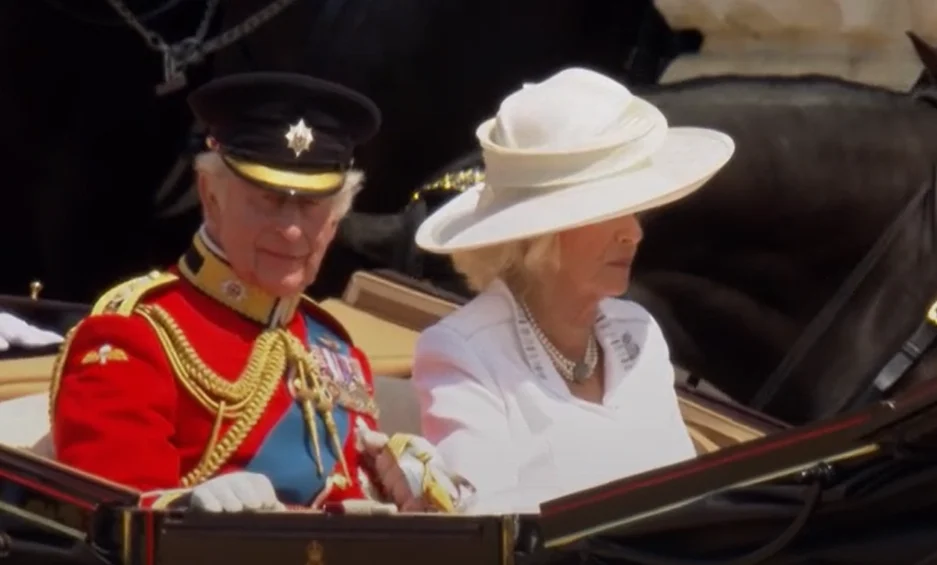
The annual Commonwealth Day service at Westminster Abbey marks the most significant public gathering of the Royal Family since the recent arrest of Prince Andrew, Duke of York, casting a shadow of scandal over the otherwise celebratory occasion. King Charles III and Queen Camilla will lead the senior royals, including the Prince and Princess of Wales, the Princess Royal, and the Duke and Duchess of Gloucester, in a display of unity and continued commitment to the Commonwealth. However, this appearance is overshadowed by the ongoing legal proceedings against Prince Andrew and growing international calls for his removal from the line of succession.
The Commonwealth Day service, a cornerstone of the royal calendar, typically serves as a powerful symbol of the enduring bonds between the United Kingdom and its fellow Commonwealth realms. This year, the service, attended by approximately 1,800 guests, is themed around "Accelerating Partnerships and Investment for a Prosperous Commonwealth," directly reflecting the focus of the 2026 Commonwealth Heads of Government Meeting (CHOGM). This theme underscores the ongoing efforts to foster economic cooperation, diplomatic ties, and shared progress among member nations. The service itself is a carefully orchestrated event, featuring diverse cultural performances, readings by representatives from various Commonwealth countries, and addresses from prominent figures, all aimed at celebrating the organization’s rich tapestry and forward-looking agenda.
However, the presence of the Royal Family, particularly the King and Queen, at this significant event takes on an added layer of importance given the recent controversies. The arrest of Prince Andrew, a former senior royal, on suspicion of misconduct in public office has sent ripples through the monarchy and beyond. The details surrounding his detention at Wood Farm, his temporary residence in Norfolk, and the subsequent searches of both Wood Farm and his former home at Royal Lodge on the Windsor estate, have dominated headlines for weeks. Prince Andrew was reportedly released after eleven hours of questioning, pending further investigation.
A Chronology of Recent Events
The timeline leading up to this Commonwealth Day service is marked by a series of significant developments:
- Late Last Month: Prince Andrew Mountbatten-Windsor is arrested at Wood Farm, Norfolk, on suspicion of misconduct in public office. He is subsequently released under investigation.
- Simultaneous Searches: Law enforcement officials conduct searches of both Wood Farm and Royal Lodge, the Duke of York’s former residence on the Windsor estate, in connection with the ongoing investigation.
- Royal Family Response: Following his brother’s arrest, King Charles III issues a statement emphasizing that the course of law must be allowed to take its course, signalling the monarchy’s commitment to upholding legal processes.
- Commonwealth Day Service Preparations: Preparations for the annual Commonwealth Day service proceed, with senior members of the Royal Family confirming their attendance.
- International Succession Debate: Following the arrest and ongoing investigations, calls for Prince Andrew’s removal from the line of succession gain momentum, with notable reactions emerging from Commonwealth realms.
The Commonwealth Day Service: A Symbol of Unity Under Strain
The Commonwealth Day service has historically been a platform for the monarch to reaffirm their role as Head of the Commonwealth and to celebrate the organization’s shared values of democracy, human rights, and the rule of law. This year’s service, while adhering to its traditional format, cannot escape the broader context of the current royal challenges. The presence of King Charles III and Queen Camilla, alongside other senior royals, is intended to project an image of continuity and stability, demonstrating that the institution of the monarchy remains steadfast in its duties.
The choice of Westminster Abbey, a site steeped in British history and royal tradition, further amplifies the significance of the occasion. The Abbey has hosted coronations, royal weddings, and state funerals for centuries, making it a potent symbol of national and royal continuity. The congregation will comprise not only members of the Royal Family and government officials but also representatives from across the Commonwealth, including high commissioners, diplomats, faith leaders, and young people involved in Commonwealth initiatives. This diverse assembly underscores the inclusive nature of the Commonwealth and its commitment to global engagement.
The Shadow of Prince Andrew’s Arrest
The arrest of Prince Andrew has undeniably cast a long shadow over the Royal Family. The Duke of York has been a controversial figure for some time, particularly in light of his past association with convicted sex offender Jeffrey Epstein. While Prince Andrew has consistently denied any wrongdoing, the legal investigations have brought renewed scrutiny to his affairs and his future role within the monarchy. His removal from public duties in 2019 following the fallout from his BBC interview regarding his relationship with Epstein marked a significant turning point in his public life.
The current legal proceedings have exacerbated the situation, leading to widespread calls for his permanent removal from the line of succession. As eighth in line to the throne, Prince Andrew’s position is a matter of significant public interest, particularly in the Commonwealth realms where the British monarch serves as head of state. The implications of his potential removal extend beyond the internal dynamics of the British Royal Family, touching upon constitutional matters across fifteen independent realms.
International Reactions and the Succession Question
The international response to Prince Andrew’s arrest and the subsequent succession debate has been particularly noteworthy. Reports indicate that political leaders in Australia and Canada have expressed support for the idea of removing Prince Andrew from the line of succession. This stance highlights the evolving relationship between the United Kingdom and its former dominions, where the British monarch holds a symbolic, yet constitutionally significant, role.
For Prince Andrew to be removed from the line of succession, a complex constitutional process would need to be undertaken. This would require the unanimous agreement of all fifteen Commonwealth realms where King Charles III is the sovereign. Each of these realms has its own constitutional framework and legal processes for amending succession laws. The fact that Australia and Canada have publicly indicated their openness to such a move suggests a growing sentiment among some Commonwealth nations to re-evaluate their constitutional ties and the symbolic representation of their head of state.
Supporting Data and Precedents
Historically, changes to the line of succession have been rare and have often followed significant societal shifts or personal circumstances. The most recent major reform was the Succession to the Crown Act 2013, which ended the male-preference primogeniture and stipulated that royal descendants born after October 28, 2011, would not be disqualified from the line of succession due to their sex. This act also removed the disqualification of anyone marrying a Roman Catholic. Prior to this, the rules had been in place for centuries, favouring male heirs over their sisters.
The current situation with Prince Andrew raises questions about the practicalities and political will required to enact further changes. The Commonwealth’s strength lies in its diversity and its shared commitment to democratic values. However, navigating the intricacies of constitutional monarchy across multiple independent nations presents unique challenges. Any move to alter the succession would necessitate extensive diplomatic engagement and potentially referendums or parliamentary approvals in each realm. The current population of the Commonwealth stands at approximately 2.5 billion people, underscoring the global reach and influence of the institution.
Analysis of Implications
The ongoing scandal and the ensuing succession debate have several significant implications for the Royal Family and the Commonwealth:
- Reputational Damage: The association of a senior royal with serious legal allegations inevitably tarnishes the image of the monarchy. The perceived integrity and moral authority of the institution are crucial to its public standing.
- Constitutional Complexity: The process of removing a royal from the line of succession is fraught with constitutional complexities, requiring a unified approach from fifteen sovereign nations. This could lead to prolonged diplomatic negotiations and potential disagreements.
- Commonwealth Cohesion: While the Commonwealth aims to foster unity, such a divisive issue could test the bonds between member states. Differing legal systems and political considerations could create friction.
- Public Opinion: Public opinion within the UK and the Commonwealth realms will play a significant role in shaping the political response. Persistent calls for accountability and adherence to legal principles are likely to influence government decisions.
- Future of the Monarchy: The ability of the monarchy to adapt to contemporary societal expectations and address controversies effectively will be critical to its long-term relevance and legitimacy.
Official Responses and Public Sentiment
While formal statements from Buckingham Palace regarding the succession debate have been minimal, the King’s early assertion that the law must take its course suggests a commitment to due process. However, the silence from other prominent Commonwealth leaders, beyond the reported sentiments from Australia and Canada, indicates a cautious approach. Governments are likely waiting for the outcome of the ongoing investigations before making definitive statements or initiating constitutional discussions.
Public sentiment, as reflected in media coverage and social media discourse, appears divided but leans towards a strong desire for accountability and the upholding of legal standards. The arrest of a royal for serious alleged offenses is unprecedented in recent memory, and the public expects transparency and decisive action. The Commonwealth Day service, therefore, takes place at a critical juncture, where the enduring traditions of the monarchy are being tested against the demands for modern governance and accountability. The presence of the King and Queen, alongside other senior royals, will be closely watched, not just for their ceremonial roles, but for the implicit message of resilience and commitment they convey in the face of significant challenges. The event serves as a reminder that while the monarchy upholds tradition, it also operates within a dynamic and evolving global landscape.



 Yuyun Lusiyani
 Joko Widodo
 Pevita Pearce
 admin
admin
 Lina Irawan