
 admin
admin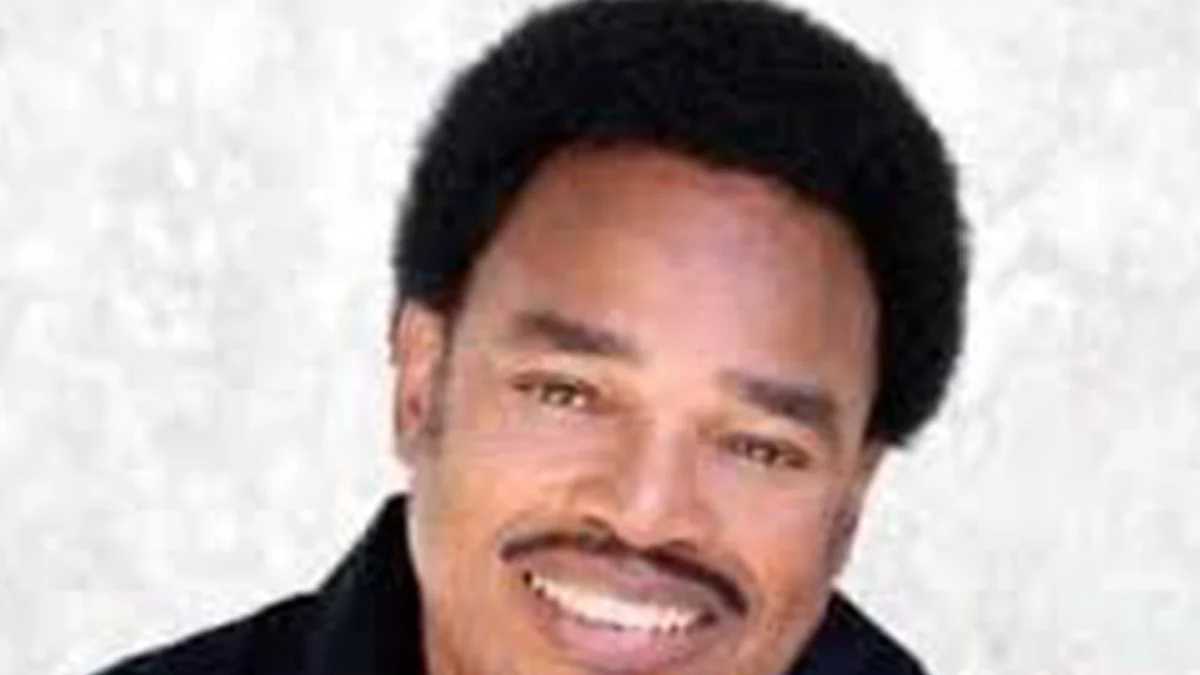
Los Angeles, CA – Jim Gilstrap, the iconic voice whose powerful and versatile vocals graced countless hit records and left an indelible mark on popular music, including the opening lines of Stevie Wonder’s "You Are The Sunshine of My Life" and the beloved theme song for the 1970s sitcom "Good Times," has died at the age of 79. His family confirmed his passing, stating that Gilstrap died from natural causes on Saturday, July 18, 2026, in Los Angeles. While the exact cause of death was not immediately released, his nephew, Geoffrey Gilstrap, issued a statement announcing the profound loss to the music world.
Gilstrap’s career spanned over five decades, establishing him as one of the most sought-after session vocalists in music history. His contributions, often uncredited but universally recognized, helped define the sound of an era, making him an unsung hero whose artistry underpinned the successes of numerous legendary artists across various genres.
A Voice That Defined Generations: Early Life and Musical Beginnings
Born on July 19, 1946, in Gainesville, Florida, James "Jim" Gilstrap’s journey into music began with a natural talent for singing that was evident from a young age. Growing up in the American South, he was immersed in the rich traditions of gospel, blues, and rhythm and blues, which would profoundly influence his versatile vocal style. His early experiences in church choirs and local musical groups honed his abilities, developing a vocal range and expressive quality that would later become his hallmark.
As a young man, Gilstrap relocated to Los Angeles, a burgeoning hub for music production, in pursuit of a professional career. It was there that his exceptional talent was quickly recognized, paving the way for him to become a foundational figure in the city’s vibrant session music scene. His ability to adapt to diverse musical styles, from soul and R&B to pop and funk, made him an invaluable asset to producers and artists alike.
The Sunshine of His Life: Collaboration with Stevie Wonder
One of Jim Gilstrap’s most celebrated and enduring contributions to music came through his work with the legendary Stevie Wonder. Gilstrap provided the distinctive male lead vocals for the iconic opening lines of "You Are The Sunshine of My Life," a seminal track from Wonder’s groundbreaking 1972 album, Talking Book. The song, a joyous declaration of love, instantly became a global sensation, topping the Billboard Hot 100 chart and earning Wonder a Grammy Award for Best Male Pop Vocal Performance in 1974. Gilstrap’s warm, inviting delivery set the tone for the entire piece, establishing a memorable melodic hook before Wonder’s own vocals entered. This collaboration underscored Gilstrap’s remarkable ability to complement and elevate a primary artist’s vision, demonstrating his unique blend of artistry and technical skill.
Beyond "You Are The Sunshine of My Life," Gilstrap’s vocal prowess was featured on several other pivotal Stevie Wonder albums during this golden era, including Fulfillingness’ First Finale (1974), Wonderlove (1972), and Innervisions (1973). These albums are widely regarded as cornerstones of Wonder’s discography and some of the most innovative and influential works in music history. Gilstrap’s presence on these records speaks volumes about his integral role in shaping the sonic landscape of Wonder’s most creative period, contributing layers of harmonies, ad-libs, and lead parts that added depth and richness to the compositions.
"Good Times": An Iconic Television Anthem
While his work with Stevie Wonder cemented his place in music history, Jim Gilstrap’s voice became a familiar sound in millions of American homes as the lead vocalist on the theme song for the popular 1970s sitcom "Good Times." Airing from 1974 to 1979, "Good Times" was one of the first African American-led sitcoms to depict a working-class family, addressing social issues with humor and heart. The show’s catchy and uplifting theme song, with its memorable lyrics and soulful delivery, became synonymous with the series’ message of resilience and hope.
Gilstrap’s powerful rendition of the theme, "Good Times, any time you need a friend, Good Times, any time you’re out from under, Good Times, ain’t we lucky we got ’em," resonated deeply with audiences. His performance imbued the song with a sense of authenticity and warmth that perfectly captured the spirit of the show. For many, his voice was the audible gateway into the world of the Evans family, a testament to his ability to connect with listeners on a profound emotional level, even through a brief television intro.
The Quintessential Session Vocalist: A Five-Decade Legacy
Jim Gilstrap’s career was defined by his extraordinary versatility and his unwavering dedication to his craft as a session vocalist. For over five decades, he was a fixture in recording studios, lending his voice to an astonishing array of artists, producers, and projects. The role of a session vocalist, often operating behind the scenes, is crucial to the music industry. These skilled professionals are adept at quickly learning and interpreting musical arrangements, providing background harmonies, ad-libs, and sometimes even uncredited lead vocals that can transform a track. Gilstrap epitomized this role, earning a reputation for his professionalism, musicality, and ability to deliver exactly what a song needed.
His extensive list of collaborations reads like a who’s who of music royalty, spanning genres from R&B and soul to pop, jazz, and even country. Among the luminaries he worked with were:
- Quincy Jones: A legendary producer and composer, Jones frequently enlisted Gilstrap for his projects, valuing his precision and soulful delivery.
- Michael Jackson: Gilstrap contributed to some of Jackson’s monumental albums, providing backing vocals that helped create the intricate sonic tapestries characteristic of his work. While often uncredited on album sleeves, his voice was part of the magic that made Off the Wall and Thriller global phenomena.
- Aretha Franklin: The Queen of Soul herself benefited from Gilstrap’s vocal talents, adding depth to her powerful recordings.
- Whitney Houston: Gilstrap’s work with Houston further showcased his adaptability, contributing to the pristine sound of her chart-topping albums.
- Anita Baker, James Ingram, George Benson, Bill Withers, Gladys Knight, Luther Vandross, Patti LaBelle, Kenny Loggins, Dolly Parton, and Teddy Pendergrass: This diverse roster highlights Gilstrap’s incredible range. From the smooth R&B of Luther Vandross and Anita Baker to the country stylings of Dolly Parton, his voice was a chameleon, effortlessly blending into any musical context while maintaining his distinctive soulful essence.
His contributions extended beyond lead and background vocals, often involving intricate harmony arrangements and vocal textures that became integral to the final sound of countless hit songs. His work was a masterclass in vocal layering, demonstrating how a skilled session singer can elevate a track from good to iconic.
A Solo Career of Soulful Hits
While Jim Gilstrap was primarily known for his session work, he also enjoyed a successful solo career, releasing several albums that showcased his artistry as a lead vocalist. In 1975, he broke out with the hit singles "Swing Your Daddy" and "I’m on Fire," both of which appeared on his debut solo album, Swing Your Daddy. "Swing Your Daddy" achieved significant commercial success, peaking at number 4 on the Billboard Hot 100 chart and number 7 on the R&B chart, solidifying his status as a legitimate solo artist. The song, with its infectious groove and Gilstrap’s charismatic delivery, became a dance floor anthem of the era, showcasing his ability to command the spotlight.
He followed this success with a second solo album, Love Talk, further exploring his unique blend of soul, funk, and R&B. These albums allowed him to step out from behind the curtain of session work and express his own musical vision, demonstrating that he was not only a masterful interpreter but also a compelling artist in his own right. His solo work is remembered for its sophisticated arrangements, smooth vocals, and a timeless appeal that continues to resonate with fans of classic soul music.
Broader Impact and Enduring Legacy
Jim Gilstrap’s passing marks the end of an era for the music industry, particularly for those who understood the profound importance of the often-unseen architects of sound. His career serves as a powerful testament to the vital role of session musicians, whose talents are the bedrock upon which countless legendary recordings are built. He was a craftsman of the highest order, whose dedication to his art enriched the lives of millions through the music he helped create.
His legacy extends beyond individual songs; it lies in the collective soundscape he helped shape. Gilstrap was a bridge between genres and generations, a consistent presence in an ever-evolving industry. His ability to adapt, innovate, and contribute meaningfully to such a vast and diverse body of work underscores his extraordinary talent and enduring impact. He was more than just a singer; he was an essential component of the musical fabric of the 20th century.
Tributes and Remembrances
Upon the news of his death, tributes from across the music world are expected to pour in, recognizing Gilstrap’s immense contributions. Fellow musicians, producers, and fans will undoubtedly remember his soulful voice, his incredible versatility, and his humble dedication to his craft. While specific official statements from artists like Stevie Wonder or Quincy Jones have not yet been released, the profound impact of Gilstrap’s work on their careers and the broader music landscape makes such acknowledgements inevitable. His passing will undoubtedly spark renewed appreciation for the crucial, often unsung, heroes of the recording studio whose voices and artistry form the very foundation of popular music.
Jim Gilstrap’s voice, whether leading a chart-topping hit or providing the intricate harmonies on a beloved album, will continue to resonate, a timeless reminder of his exceptional talent and the enduring power of his musical legacy. He will be deeply missed, but his contributions will forever be etched into the annals of music history.


 Yuyun Lusiyani
 Joko Widodo
 Eva Lovia
 Pevita Pearce

 Lina Irawan