
 admin
admin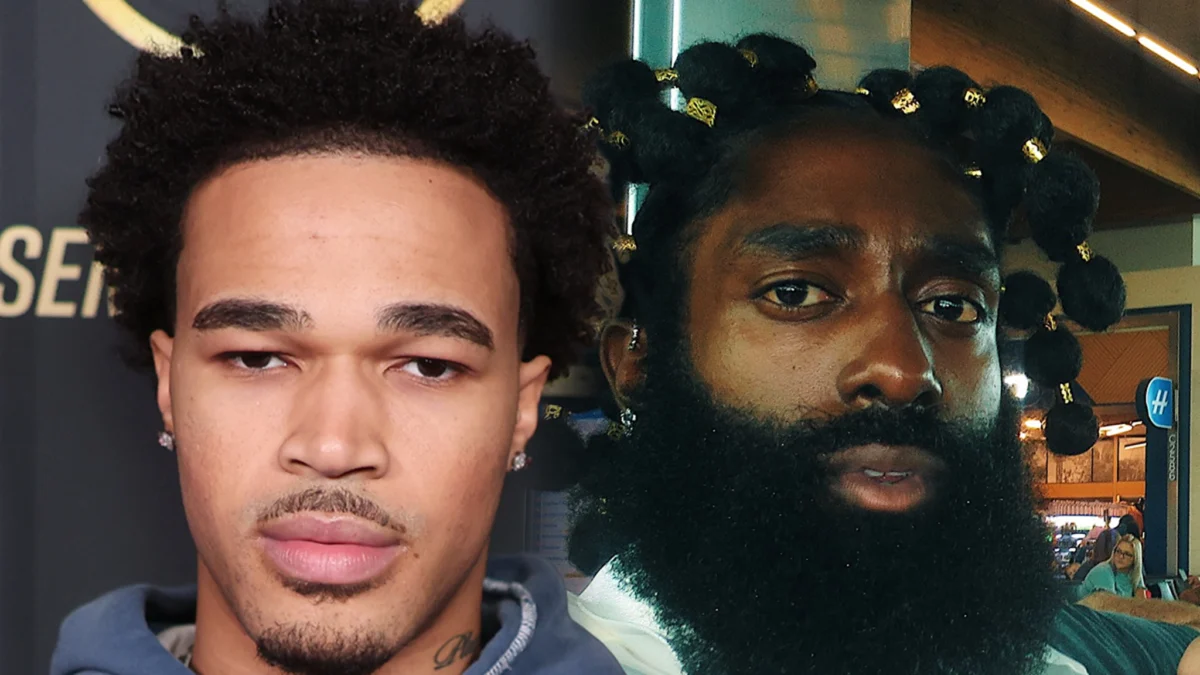
The sprawling, always-on digital campus of Streamer University, a groundbreaking reality-streaming endeavor spearheaded by industry titan Kai Cenat, experienced an unprecedented disruption this past Saturday evening, July 19, 2026, when prominent participant PlaqueBoyMax abruptly terminated his 24/7 broadcast following an intensely personal and public confrontation with fellow streamer OjaySuave. The heated exchange, which unfolded live before thousands of viewers, saw OjaySuave critically dissecting PlaqueBoyMax’s perceived "Diva" persona, accusing him of compromising authenticity for viral "clicks" and potentially "selling out." The incident quickly escalated beyond a mere disagreement, culminating in an emotional PlaqueBoyMax pulling the plug on his continuous stream, raising significant questions about the pressures of constant live content, the blurred lines between performance and personal life, and the ethical boundaries of public criticism within the rapidly evolving creator economy.
The Genesis of Streamer University: A New Era of Content Creation
To fully grasp the gravity of Saturday’s events, it is crucial to understand the innovative, yet inherently high-stakes, environment of Streamer University. Launched by Twitch megastar Kai Cenat, the initiative serves as a creator "boot camp," bringing together a diverse cohort of internet personalities to live, collaborate, compete, and learn the intricate mechanics of content creation within a meticulously crafted mock college campus setting. Conceived as a hybrid of reality television and an incubator for digital talent, Streamer University offers participants unparalleled exposure, resources, and mentorship from established figures in the streaming world. Its 24/7 broadcast model, accessible across multiple platforms, is designed to capture every facet of the creators’ lives and interactions, providing an unfiltered glimpse into the daily grind and occasional drama that defines the modern streaming landscape. This format, while offering immense growth potential, also places participants under an intense microscope, where personal disagreements can instantly transform into public spectacles, amplified by real-time viewer engagement and the ever-present demand for compelling narratives.
PlaqueBoyMax, a burgeoning personality known for his distinctive style and engaging presence, was a key figure within this experimental ecosystem. His participation in Streamer University was seen as a significant step in his career, offering a platform to broaden his audience and refine his content strategy. OjaySuave, another participant, often adopted a more direct and confrontational style, which, until this incident, had largely been interpreted as part of the dynamic interplay expected within such a competitive and collaborative environment.
The ‘Diva’ Debate: A Mock Lecture Turns Personal
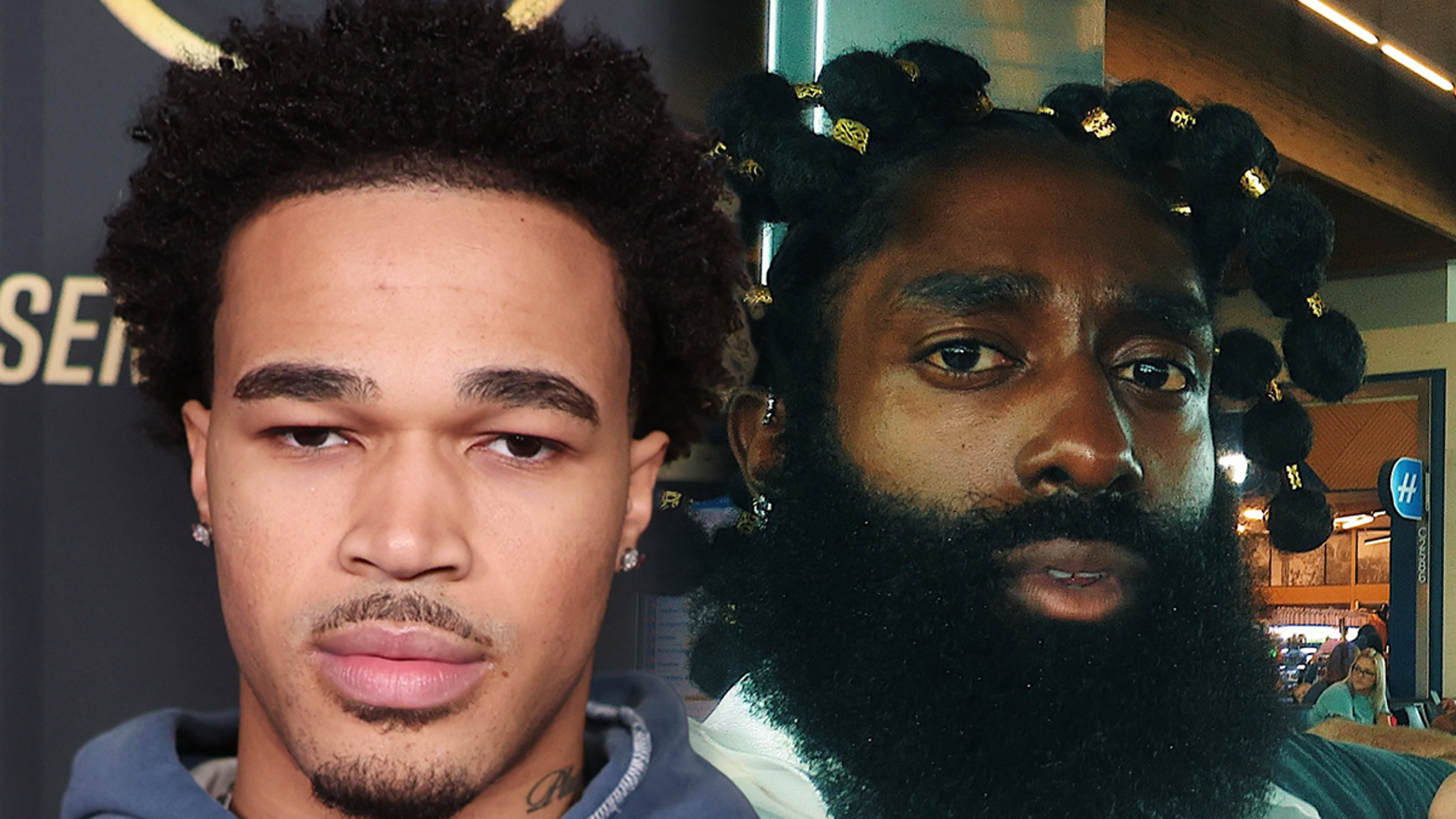
The flashpoint occurred during a segment where OjaySuave was delivering a mock lecture titled "How to be a Diva." What began as a seemingly tongue-in-cheek commentary quickly veered into a direct, pointed critique of PlaqueBoyMax. OjaySuave seized upon Max’s recent "Diva" tattoo, interpreting it not as a statement of self-expression but as symptomatic of a broader shift in Max’s persona, suggesting it indicated a loss of authenticity.
"You need guidance, Max, a church bath maybe," OjaySuave reportedly stated, addressing PlaqueBoyMax directly and repeatedly emphasizing that Max was a "grown man" and "not no Diva." The purported advice rapidly devolved into a series of accusations. OjaySuave alleged that Max was engaging in "clip farming"—a term referring to the deliberate creation of short, attention-grabbing moments designed to go viral and increase engagement, often at the expense of genuine content. He warned Max against losing himself in the pursuit of online notoriety and urged him not to "sell his soul" for ephemeral fame. This public dressing-down, delivered under the guise of an instructional segment, instantly put PlaqueBoyMax on the defensive and set the stage for the dramatic conclusion to his stream.
PlaqueBoyMax’s Emotional Response and Stream Termination
The tenor of the conversation shifted from playful banter to genuine tension as OjaySuave’s remarks grew increasingly personal. PlaqueBoyMax, visibly affected by the public nature and severity of the criticism, fired back with a passionate defense of his right to self-expression. He articulated that his personal choices, including his tattoos, were an integral part of his identity and his brand, encouraging viewers to embrace their individuality.
More significantly, Max challenged the method of OjaySuave’s intervention. He questioned the sincerity of Ojay’s concern, positing that if Ojay truly cared about his well-being or artistic direction, such a sensitive conversation would have been initiated privately, away from the prying eyes of hundreds, if not thousands, of live viewers. "If you really cared, why would you bring this up in front of everyone?" Max reportedly retorted, his voice tinged with emotion. This direct challenge underscored the inherent conflict within Streamer University’s format: the tension between genuine interpersonal relationships and the performative demands of constant broadcasting.
The emotional weight of the confrontation proved too much. In an unprecedented move for the continuous Streamer University broadcast, PlaqueBoyMax, clearly overwhelmed, declared his intention to end his around-the-clock stream. He then physically left the set, presumably to de-escalate and process the intense public exchange. The sudden termination of a 24/7 stream, a core tenet of the Streamer University concept, sent shockwaves through the community, highlighting the raw, unscripted nature of the platform and the profound personal impact such public confrontations can have on creators.
The Aftermath: Wardrobe’s Intervention and Ojay’s Justification
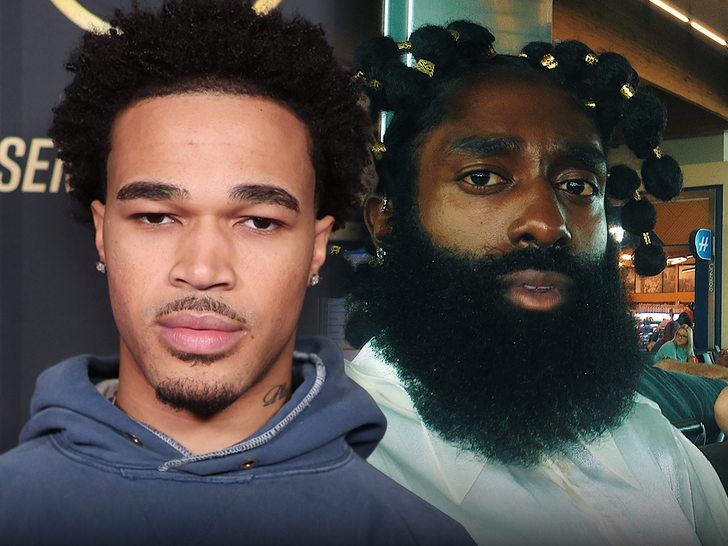
The drama, however, did not conclude with PlaqueBoyMax’s departure. The incident immediately sparked a vigorous debate among viewers, with many criticizing OjaySuave’s approach as overly aggressive and insensitive. This sentiment quickly spilled over onto the Streamer University campus itself. Fellow streamer Wardrobe, witnessing the fallout, took it upon himself to confront OjaySuave directly regarding his actions.
Wardrobe reportedly accused Ojay of bullying Max and demanded a public apology for the distress caused. This secondary confrontation further illuminated the differing perspectives on the incident. OjaySuave, in his defense, maintained that his comments were intended as a joke and that he genuinely did not realize PlaqueBoyMax would take them so seriously. He suggested his intention was to offer tough love or humorous critique, not to inflict emotional harm or undermine Max’s character publicly. This justification, however, failed to fully placate Wardrobe or a significant portion of the viewing audience, who perceived Ojay’s actions as a clear breach of collegiality and respect, especially given the live, public nature of the interaction.
The ‘Diva’ Archetype and the Authenticity Paradox in Streaming
The core of OjaySuave’s critique — the accusation of PlaqueBoyMax becoming a "Diva" and "selling out" — touches upon a sensitive nerve within the streaming community. The "Diva" archetype, often associated with perceived arrogance, demanding behavior, or an inflated sense of self-importance, carries significant negative connotations in a space that frequently champions relatability and authenticity. In the highly competitive world of content creation, where personal brand is paramount, the balance between developing a unique persona and maintaining genuine connection with an audience is a constant tightrope walk.
The charge of "clip farming" directly attacks this authenticity. Streamers are under immense pressure to consistently produce viral content, driving views, subscriptions, and ultimately, revenue. This pressure can incentivize creators to manufacture dramatic moments, exaggerate reactions, or engage in controversial behavior specifically for the purpose of generating short, shareable clips that propagate across social media platforms. While effective for growth, this strategy often raises questions about the creator’s sincerity and the integrity of their content. OjaySuave’s critique, therefore, tapped into a broader industry debate about the commercialization of personality and the potential erosion of genuine connection in the pursuit of digital virality. PlaqueBoyMax’s defense, emphasizing self-expression and individuality, underscores the creator’s struggle to define their artistic boundaries in a public forum where every action is scrutinized.
Broader Implications for Streamer University and the Creator Economy
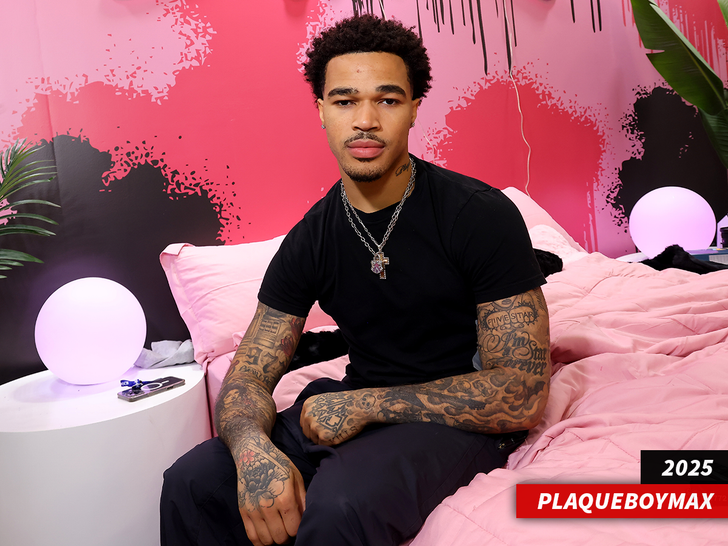
This incident at Streamer University serves as a potent case study on the inherent complexities and ethical dilemmas embedded within the live-streamed reality format. For Kai Cenat’s ambitious project, the confrontation, while undoubtedly generating significant viewership and discussion, also presents challenges. Streamer University positions itself as a learning environment, a place for growth and collaboration. When interpersonal conflicts escalate to such a public and emotionally charged degree, it forces a re-evaluation of the "educational" aspect versus the "entertainment" aspect of the show. How does the management of Streamer University balance compelling drama with fostering a supportive and professional environment for its participants? This incident highlights the fine line between allowing organic interactions to unfold and intervening when those interactions become potentially damaging to individuals or the collective brand.
Furthermore, the event underscores the mental health toll on streamers. Operating under the constant gaze of a live audience, where personal boundaries are constantly tested and criticisms are immediate and often unfiltered, can be immensely stressful. PlaqueBoyMax’s emotional reaction and subsequent termination of his stream are stark reminders of the human element behind the digital personas. The incident will likely spark internal discussions within Streamer University about participant welfare, conflict resolution protocols, and the responsibilities that come with broadcasting individuals’ lives 24/7.
For the wider creator economy, the PlaqueBoyMax and OjaySuave confrontation reiterates several critical lessons. It emphasizes the importance of communication, both on and off camera. It highlights the often-perilous journey of maintaining authenticity while navigating commercial pressures. And perhaps most importantly, it serves as a powerful reminder that while the pursuit of viral moments can yield immediate gains, genuine respect, empathy, and the well-being of fellow creators remain paramount in fostering a sustainable and healthy digital ecosystem. The "Streamer U" experience, in this instance, delivered a stark, unscripted lesson on the critical importance of discerning which conversations are best kept off-camera, preserving both personal dignity and professional relationships in the high-stakes arena of live content creation. The fallout from this heated exchange will undoubtedly reverberate through the Streamer University campus, potentially reshaping future interactions and setting precedents for how interpersonal conflicts are managed in the glare of the digital spotlight.


 Yuyun Lusiyani
 Joko Widodo
 Eva Lovia
 Pevita Pearce
 Lina Irawan