
 Ana Megawati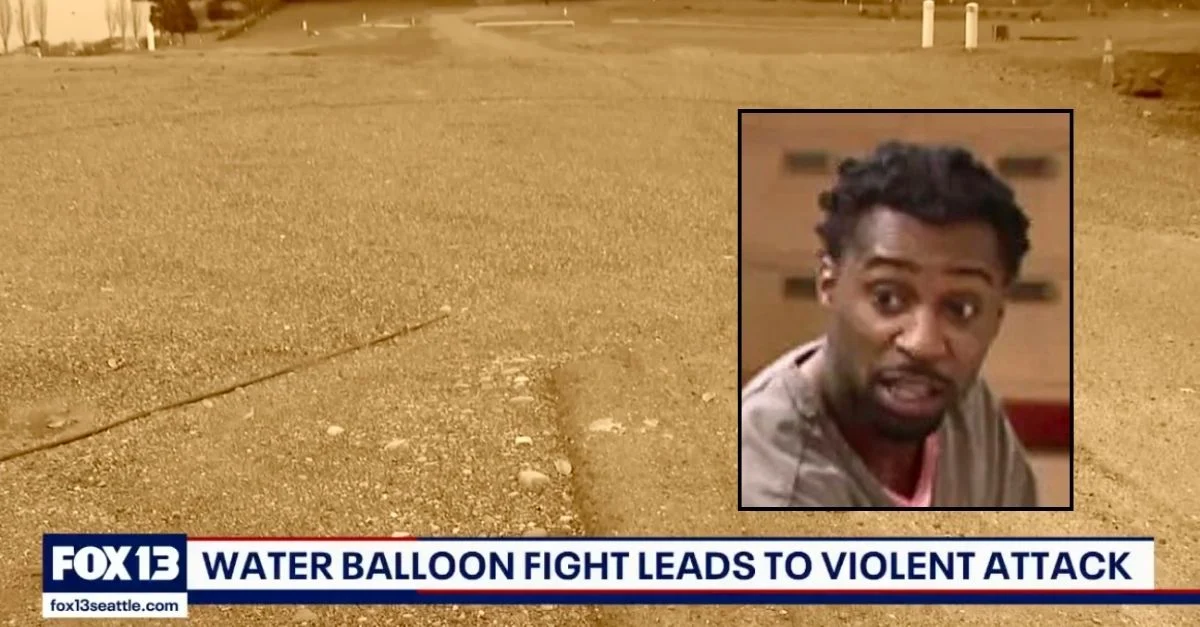
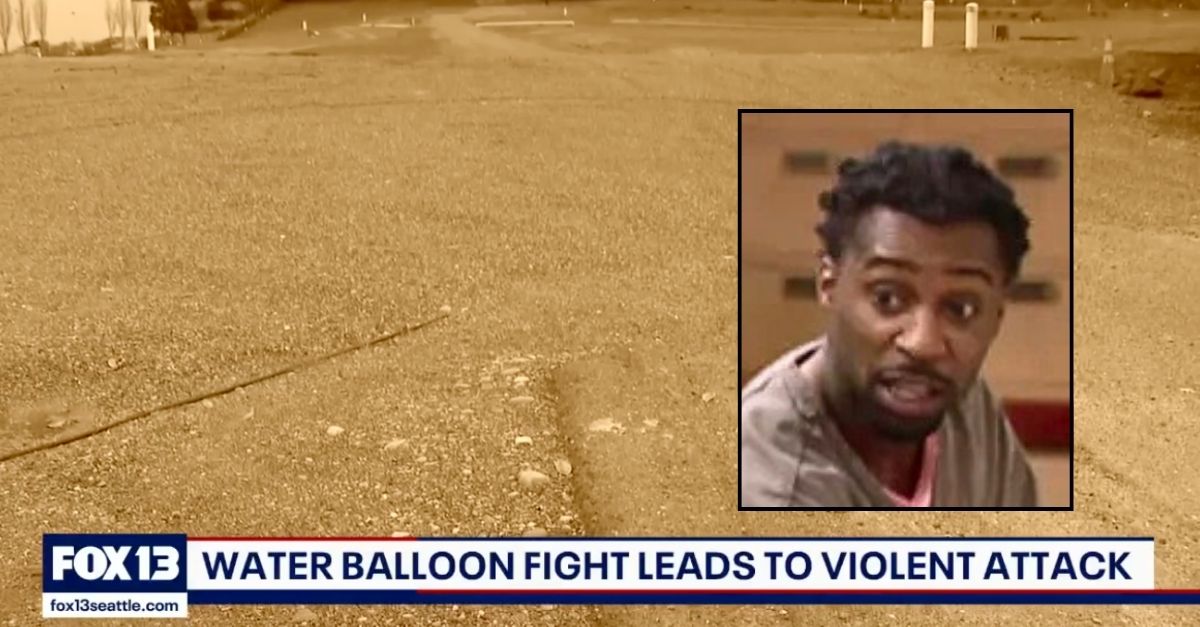
On February 28, a seemingly innocuous water balloon prank escalated into a harrowing incident of alleged violence and armed robbery in Tacoma, Washington, culminating in a teen being shot and hospitalized. Majeed Guerry, 31, a four-time convicted felon, is accused of pursuing a group of teenagers, cornering their vehicle, and then assaulting, robbing, and shooting one of them in a fit of rage over a water balloon that reportedly drenched him. The incident has drawn significant attention to the alarming potential for minor disputes to turn violent, especially when firearms are involved, and underscores ongoing concerns about public safety and the prevalence of illegal gun possession among repeat offenders.
Escalation from Prank to Predatory Violence
The chilling sequence of events began on a seemingly ordinary Wednesday when Guerry was driving through Tacoma. According to a probable cause affidavit obtained by Law&Crime, a group of teenagers in another vehicle threw a water balloon, which entered Guerry’s open window and soaked him. What followed was a disproportionate and terrifying response that quickly transformed a juvenile prank into a life-threatening encounter.
Incensed by the act, Guerry allegedly initiated a high-speed chase, pursuing the teens through the city streets. He successfully cornered their vehicle at a dead end, blocking their escape. This initial act of aggressive pursuit set the stage for the violent confrontation that ensued, demonstrating a clear intent to retaliate beyond a verbal reprimand. The abrupt shift from a vehicular chase to a physical confrontation highlights the rapid escalation of the situation.
Upon trapping the teens, Guerry exited his vehicle, reportedly armed with a pistol. He approached the teens’ car, unleashing a torrent of threats and expletives. "You think that’s funny?" Guerry allegedly demanded, according to the affidavit. He continued, "You guys think it’s ok to throw fing water at my fing car," adding, "You’ll die out here if you keep doing s* like this," and "I should kill all of you right here, right now…for getting my car wet." These statements, as documented in the affidavit, reveal an extreme level of anger and a complete disregard for the safety and lives of the young individuals involved. The racial epithets reportedly used by Guerry—"Sweet a* white boys, I should fing kill all of you guys," and "I’ll kill all you white boys in this car right now"—further underscore the volatile nature of the encounter and introduce an additional layer of potential motive or animosity.
The Probable Cause Affidavit: A Chilling Account
The probable cause affidavit provides a harrowing, minute-by-minute account of the incident, pieced together from the victims’ statements to police. After cornering the teens and issuing death threats, Guerry allegedly proceeded to rob them. "Give me all your fing s," he demanded, insisting on "Everything you guys have." This transition from threats of violence to active robbery marks a significant escalation, indicating a predatory intent beyond mere retaliation for the water balloon.
During the shakedown, Guerry allegedly used his firearm to assault the front passenger. He repeatedly struck the teen in the face with the gun, then pressed the muzzle against the victim’s temple and chest. The victim recounted the chilling sensation of the cold gun against his skin. "As the suspect did this, he said things like ‘You think that’s funny?’ and ‘I’ll kill all you white boys in this car right now,’" the affidavit recalls.
The teens initially offered Guerry $1, which reportedly infuriated him. "[Guerry] threw the $1 bill back at them and said, ‘Do you think I’m f***ing stupid?’" This reaction further illustrates Guerry’s aggressive and demanding demeanor, suggesting he felt disrespected by the small offering. Fearing for their lives, the group then collectively gave Guerry $100. It was after receiving this larger sum that Guerry allegedly pulled the trigger, shooting the front passenger at close range. The affidavit states, "[One of the teens] stated the suspect put the gun in through the window, at a distance of less than a foot from [the victim’s] chest, and intentionally pulled the trigger." Following the shooting, Guerry reportedly "slammed the car door" and walked away, leaving the injured teen and traumatized group behind.
Victim’s Ordeal and Survival
The teen who was shot survived the attack but was hospitalized with serious injuries. His ability to speak with investigators about the incident before and after the shooting was crucial in establishing the sequence of events and identifying the assailant. The psychological trauma endured by all the teens involved, witnessing such extreme violence over a minor prank, is likely profound and long-lasting. Victims of gun violence, even those who survive, often face extensive physical recovery, ongoing medical needs, and significant mental health challenges, including post-traumatic stress disorder (PTSD), anxiety, and depression.
The fact that the victim was pistol-whipped, had a gun pressed to his temple and chest, and then shot, highlights the extreme level of violence he endured. This incident serves as a stark reminder of the devastating impact of gun violence, particularly when it targets vulnerable youth. Support systems for victims of violent crime become critical in such scenarios, encompassing medical care, psychological counseling, and legal assistance to navigate the aftermath.
Majeed Guerry’s Criminal History and Legal Ramifications
Majeed Guerry’s alleged actions are further compounded by his documented criminal history. The affidavit identifies him as a four-time convicted felon, a status that legally prohibits him from possessing firearms. The charge of unlawful possession of a firearm carries significant penalties in Washington State, reflecting legislative intent to keep weapons out of the hands of individuals deemed a risk to public safety. Each prior felony conviction typically enhances the severity of subsequent charges and potential sentences, demonstrating a pattern of criminal behavior and a disregard for legal restrictions.
Statistics consistently show that repeat offenders, particularly those with a history of violent or serious felonies, pose a heightened risk to communities. The ease with which Guerry, a prohibited person, allegedly obtained and used a firearm in this incident raises broader questions about gun control enforcement and the effectiveness of measures designed to prevent convicted felons from acquiring weapons. This case underscores the challenges law enforcement faces in interdicting illegal firearms and preventing their use in violent crimes.
The Charges and Legal Process in Washington State
Following the incident, the teens immediately contacted the police. Guerry was subsequently located at a local casino and arrested. He has since pleaded not guilty to charges of first-degree assault, first-degree robbery, and unlawful possession of a firearm. Each of these charges carries substantial legal consequences in Washington State.
First-Degree Assault (RCW 9A.36.011): This is a Class A felony in Washington. It involves assaulting another with intent to inflict great bodily harm, using a deadly weapon, or by means causing great bodily harm. Given the alleged use of a firearm and the victim’s serious injuries, this charge is highly appropriate. A conviction for first-degree assault can result in a lengthy prison sentence, often ranging from several years to life imprisonment, depending on aggravating factors and the defendant’s criminal history.
First-Degree Robbery (RCW 9A.56.200): Also a Class A felony, first-degree robbery involves unlawfully taking personal property from another by force or threat of force, and during the commission of the robbery, being armed with a deadly weapon or inflicting bodily injury. Guerry’s alleged demand for money at gunpoint and the subsequent assault and shooting squarely fit the criteria for this severe charge. Like first-degree assault, a conviction carries a significant prison sentence.
Unlawful Possession of a Firearm (RCW 9.41.040): This charge applies to individuals who possess a firearm after having been convicted of certain serious offenses, including felonies. As a four-time convicted felon, Guerry is explicitly prohibited from possessing any firearm. This is typically a Class B felony for a first offense following a serious felony conviction, and subsequent violations can lead to even harsher penalties. A conviction here would add to his potential incarceration, emphasizing the state’s stance against felons owning guns.
Guerry’s bail was set at $150,000, a figure reflecting the severity of the alleged crimes, the potential flight risk, and the perceived danger he poses to the community. The not-guilty plea initiates the formal legal process, which will involve discovery, pre-trial motions, and potentially a jury trial. The prosecution will rely heavily on the probable cause affidavit, witness testimony from the teens, forensic evidence, and any surveillance footage or other corroborating evidence to build their case. The defense will likely challenge the evidence, the credibility of witnesses, and the intent behind Guerry’s actions.
Community Impact and Broader Implications of Gun Violence
The incident has sent ripples through the Tacoma community, highlighting pervasive concerns about gun violence and youth safety. Such events can foster a sense of unease and fear among residents, particularly parents of teenagers, who may now view seemingly harmless activities like a water balloon fight with heightened apprehension. Community leaders often respond to such incidents by emphasizing the need for conflict resolution strategies, responsible gun ownership, and robust law enforcement efforts to curb violent crime.
The disproportionate response to a minor prank underscores a broader societal issue: the alarming rate at which disputes can escalate into violence, especially when firearms are readily accessible. This case serves as a stark example of how a moment of anger, combined with the presence of a weapon, can transform a trivial interaction into a near-fatal tragedy. It fuels ongoing debates about the psychological factors contributing to such extreme reactions and the urgent need for interventions that address underlying aggression and impulsive behavior.
Furthermore, the racial component of Guerry’s alleged threats adds another layer of complexity and concern. While the immediate trigger was a water balloon, the reported racial slurs suggest a potential element of hate or prejudice, which could have further implications for how the case is prosecuted and perceived within the community. Incidents involving hate speech and violence amplify social divisions and underscore the importance of fostering inclusive and tolerant environments.
The Role of Law Enforcement and Judicial Response
Law enforcement agencies, like the Tacoma Police Department, play a critical role in investigating such crimes, ensuring the safety of victims, and apprehending suspects. The detailed probable cause affidavit demonstrates thorough police work in documenting the victims’ accounts and building a case against Guerry. Prosecutors, representing the state, are tasked with upholding justice by presenting the evidence and seeking appropriate convictions and sentences. Their role is pivotal in ensuring that those who commit violent acts are held accountable, thereby reinforcing the rule of law and protecting the community.
The judicial system’s response, from bail hearings to trial proceedings and sentencing, sends a powerful message about the value placed on human life and the severity with which gun violence is treated. The $150,000 bail indicates the court’s assessment of Guerry as a significant risk, both of flight and to public safety, should he be released before trial. The legal process, while often lengthy, is designed to ensure due process for the accused while seeking justice for victims and upholding societal norms against violence.
Beyond the Incident: Addressing Youth Safety and Escalation
This incident also prompts a broader examination of youth safety and the societal mechanisms in place to protect young people from violence. While the teens in this case were victims of an unprovoked and extreme attack, discussions often arise regarding youth engagement, safe spaces, and educational initiatives aimed at conflict de-escalation for both youth and adults. Addressing the root causes of violence, including anger management, mental health support, and community-based intervention programs, is crucial for preventing similar tragedies.
The intersection of minor pranks, road rage, and illegal firearm possession creates a dangerous cocktail. This case serves as a cautionary tale, illustrating the unpredictable and devastating consequences that can arise when individuals resort to extreme violence over perceived slights. As the legal proceedings against Majeed Guerry unfold, the Tacoma community and beyond will be watching, hoping for justice for the victims and a renewed focus on preventing such senseless acts of violence in the future. The outcome of this case will undoubtedly contribute to the ongoing dialogue about gun control, criminal justice reform, and the fundamental right to safety in communities across the nation.

 Yuyun Lusiyani
 Joko Widodo
 Jia Lissa
 Pevita Pearce
 admin
admin
