
 Ana Megawati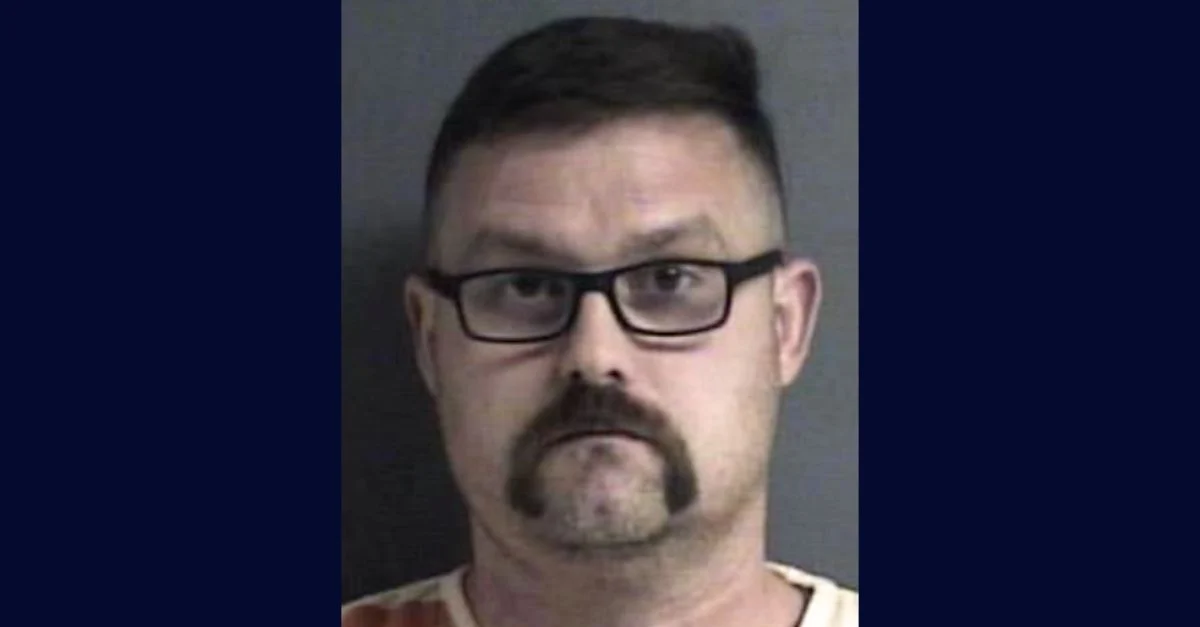
John D. Haney, 41, faces charges of first-degree murder and aggravated child abuse following the tragic death of a 10-month-old girl in Laramie County, Wyoming. The arrest comes after an extensive investigation spanning several months, during which critical evidence emerged, including footage from a motion-activated home security camera that captured what is believed to be the child’s scream just 30 minutes before she was found unresponsive. This deeply disturbing case underscores the vulnerability of young children and the complex challenges law enforcement and child protective services face in safeguarding them. The Laramie County Sheriff’s Office confirmed Haney’s apprehension in Cheyenne on Friday, March 2026, in connection with the child’s death, which occurred in March 2025.
The Tragic Discovery and Initial Findings
The grim sequence of events began on a day in March 2025 when emergency services received a frantic 911 call from John Haney. Haney, who was dating the child’s mother, reported finding the 10-month-old girl unconscious and cold in a bedroom of their Wyoming home. First responders were dispatched immediately, arriving at the scene to find the infant in critical condition. She was swiftly transported to a local hospital, where, despite urgent medical intervention, she was tragically pronounced dead.
The initial medical examination revealed a harrowing array of injuries. Police reports, detailed in an arrest affidavit obtained by local media outlet Cap City News, indicated that the infant had sustained fractures to one of her arms and both of her legs. While these severe broken bones were not ultimately determined to be the direct cause of death, they were deemed "highly concerning" by medical professionals. Doctors reportedly told detectives that these injuries strongly suggested a pattern of child abuse, raising immediate red flags for investigators. The official cause of death was later listed as asphyxiation, with the manner of death unequivocally classified as "homicide," confirming the suspicion of foul play. This medical determination shifted the focus of the investigation from a sudden, unexplained death to a targeted criminal inquiry.
Crucial Evidence from Home Security Footage
A pivotal breakthrough in the investigation came from a motion-activated camera installed inside the home. This piece of technology, increasingly common in modern residences, provided a timeline of events that starkly contradicted Haney’s initial account. According to the affidavit, approximately 30 minutes before Haney placed the 911 call, the security camera was activated by a dog moving within its range. Crucially, the audio accompanying this footage captured what investigators believe to be a distinct "scream from [the child]," indicating distress just moments before her demise.
Further analysis of the camera footage revealed Haney’s movements within the home. The affidavit states that Haney was recorded standing in the doorway of a bathroom shortly after the child’s scream. Significantly, the camera then abruptly cut off, and there was no subsequent footage showing Haney leaving the bathroom. This gap in the recording, combined with the earlier scream and Haney’s subsequent discovery of the child, became a critical point of contention for investigators, suggesting a deliberate attempt to obscure events or a period of time unaccounted for by his narrative. The timing of the scream, the child’s severe injuries, and the subsequent lack of activity from Haney on camera before the 911 call painted a grim picture that diverged sharply from his explanation.
Suspect’s Account and Contradictions
Upon being interviewed by investigators, Haney provided his version of the events leading up to the child’s death. He allegedly stated that the 10-month-old girl had been acting "fussy" earlier in the day. He claimed that he subsequently laid her down for a nap. According to his statement, he then went into the bathroom and remained there for approximately 10 minutes. Upon emerging from the bathroom, Haney told police, he discovered the child was not breathing.
However, Haney’s narrative quickly unraveled when juxtaposed with the forensic evidence and the home security footage. The medical findings of a broken arm, broken legs, and asphyxiation were inconsistent with a child simply "not breathing" after a nap. Moreover, the camera footage, particularly the audible scream just 30 minutes before the 911 call and Haney’s unexplained presence in and around the bathroom with the camera cutting out, directly challenged the credibility of his statement. The lack of any explanation from Haney regarding the child’s scream or the severe fractures, coupled with his claim of being in the bathroom, raised profound suspicions among detectives. The discrepancy between his timeline and the video’s timeline became a cornerstone of the prosecution’s case.
The Investigation and Arrest
The investigation into the infant’s death was meticulous and protracted, spanning several months as detectives from the Laramie County Sheriff’s Office pieced together evidence. Investigators carefully reviewed the security footage multiple times, consulted with medical experts on the nature of the child’s injuries, and conducted numerous interviews. The complexity of child abuse cases often requires a multidisciplinary approach, involving law enforcement, forensic specialists, and child protection agencies, all working collaboratively to uncover the truth and ensure justice for the most vulnerable victims.
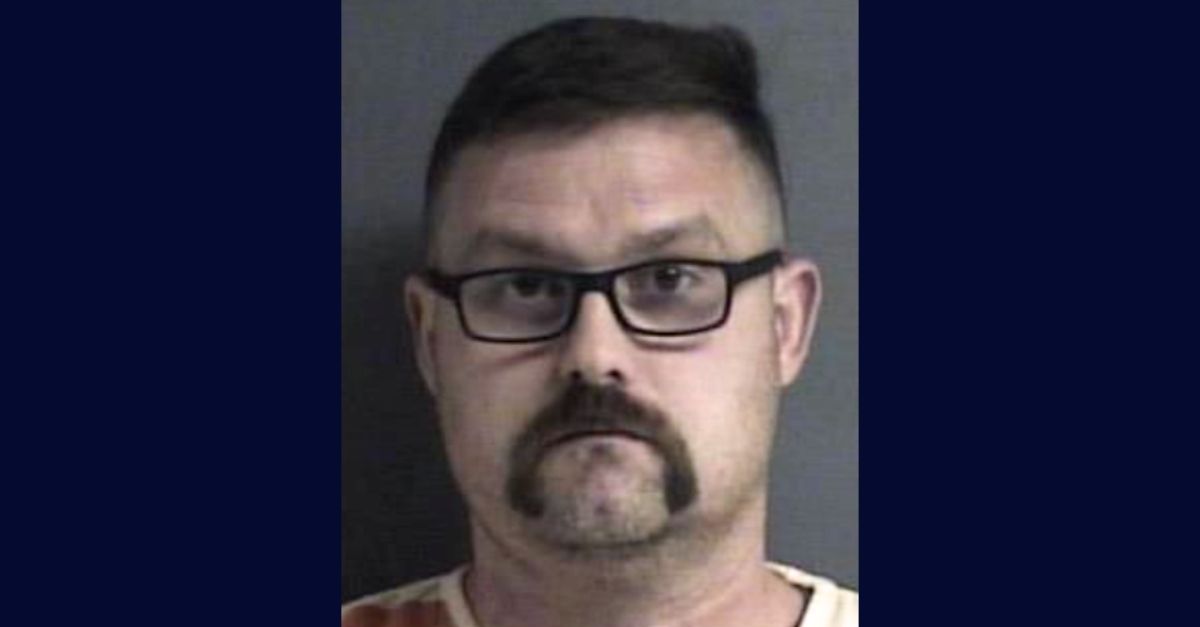
After months of dedicated work, which involved analyzing every detail of the evidence, a strong case was built against Haney. He was taken into custody on Friday, March 2026, in Cheyenne, facing the grave charges of first-degree murder and aggravated child abuse. The decision to charge Haney with first-degree murder reflects the prosecution’s belief that the death was premeditated or occurred during the commission of a felony, while aggravated child abuse addresses the severe nature of the injuries inflicted upon the infant. Haney is currently being held on a $1 million cash bond, a significant amount reflecting the severity of the charges and the flight risk assessment. He is scheduled to appear in court for a probable cause hearing within 10 days if he does not bond out, a critical step in the legal process where a judge determines if there is sufficient evidence to proceed with a trial.
Broader Context: The Scourge of Child Abuse
This tragic incident in Wyoming casts a harsh light on the pervasive issue of child abuse, particularly against infants and toddlers who are entirely dependent on their caregivers for safety and survival. According to national statistics from organizations like the U.S. Department of Health and Human Services, thousands of children die annually from abuse and neglect, with the youngest victims, those under the age of one, being at the highest risk for fatalities. Perpetrators are most often parents or their partners, making cases like Haney’s tragically common.
Risk factors for child abuse are multifaceted and include parental stress, substance abuse, mental health issues, domestic violence, and a history of abuse in the perpetrator’s own past. The isolation that can occur in homes, especially with very young children, can sometimes mask abuse until it reaches a critical stage, as evidenced by the severe injuries sustained by the Laramie County infant. Medical professionals are often on the front lines, trained to identify suspicious injuries that do not align with a child’s developmental stage or reported incidents, playing a crucial role in initiating investigations. The "highly concerning" nature of the infant’s fractures in this case exemplifies how medical expertise is indispensable in uncovering hidden abuse.
The increasing prevalence of home security cameras and monitoring devices, while primarily installed for general safety, has inadvertently become a powerful tool in child abuse investigations. These devices can capture crucial moments, provide objective timelines, and even record audio that can corroborate or refute witness statements, as seen in this case with the recording of the child’s scream. This technological aspect adds another layer of evidence that can be vital in prosecuting such difficult cases, offering an impartial witness where often none exist.
Legal Implications and the Path Forward
The charges of first-degree murder and aggravated child abuse carry severe penalties under Wyoming law. First-degree murder, generally defined as premeditated killing or killing committed during the commission of certain felonies, can result in life imprisonment or, in some jurisdictions, the death penalty. Aggravated child abuse charges are also extremely serious, focusing on the infliction of severe physical or mental injury to a child. The legal process for such high-stakes cases is typically lengthy, involving extensive discovery, expert testimony, and potentially a jury trial.
The pursuit of justice for the deceased infant will undoubtedly be a long and arduous process for the Laramie County District Attorney’s office. They will be tasked with presenting a compelling case that connects Haney’s actions, the video evidence, and the forensic findings to prove his guilt beyond a reasonable doubt. The defense, in turn, will challenge the prosecution’s evidence, potentially questioning the interpretation of the video, the medical findings, or Haney’s intent.
Community Impact and Call for Vigilance
The news of such a horrific crime inevitably sends shockwaves through the community, particularly when the victim is a helpless infant. The Laramie County community, like many others touched by similar tragedies, will grapple with feelings of grief, anger, and a collective sense of failure to protect one of its most vulnerable members. Such incidents often prompt renewed calls for community vigilance and increased awareness regarding the signs of child abuse.
Law enforcement agencies and child protection services consistently emphasize the importance of reporting any suspected child abuse or neglect. Hotlines and reporting mechanisms are in place to allow concerned citizens to anonymously report suspicions, which can trigger investigations and potentially save lives. Education campaigns aimed at new parents and caregivers, focusing on coping mechanisms for stress and anger, are also vital preventive measures. Support systems for families, including parenting classes, mental health services, and substance abuse treatment, play a critical role in addressing underlying issues that can contribute to child maltreatment.
As John D. Haney awaits his probable cause hearing, the legal system will begin its work to determine culpability and deliver justice for the 10-month-old girl whose life was so tragically cut short. This case serves as a stark reminder of the profound responsibility adults bear in protecting children and the enduring efforts required from both the justice system and the community to combat the insidious crime of child abuse. The Laramie County Sheriff’s Office, in bringing these charges, reiterates its commitment to ensuring that those who harm children are held accountable to the fullest extent of the law.



 Yuyun Lusiyani
 Joko Widodo
 Jia Lissa
 Pevita Pearce
 admin
admin
