
 Ana Megawati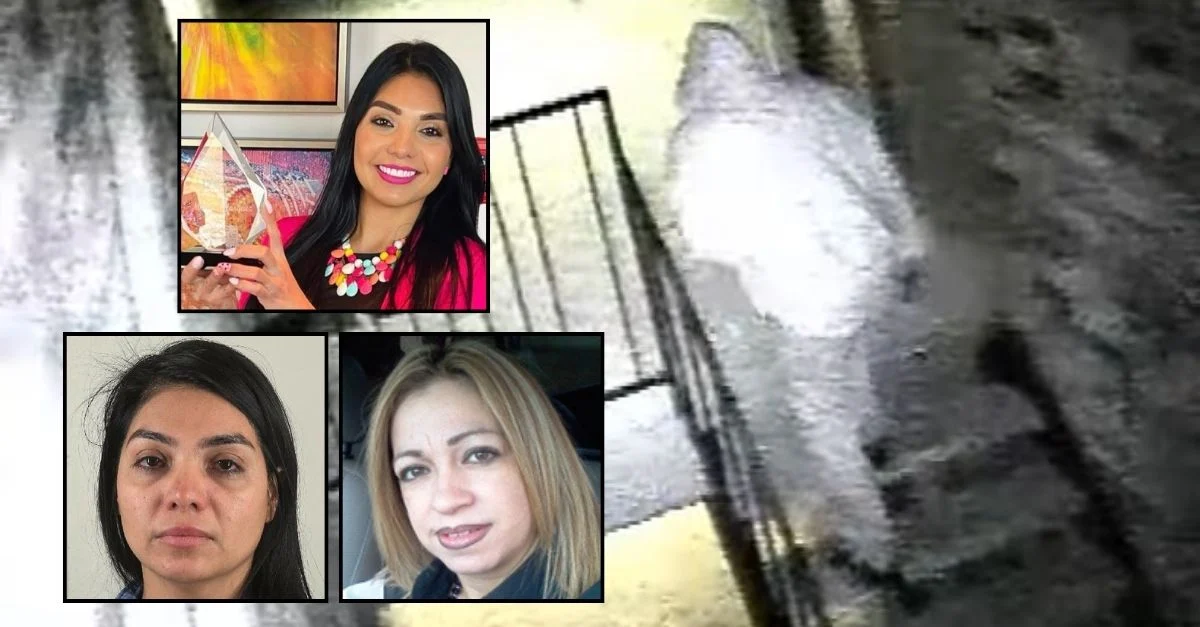
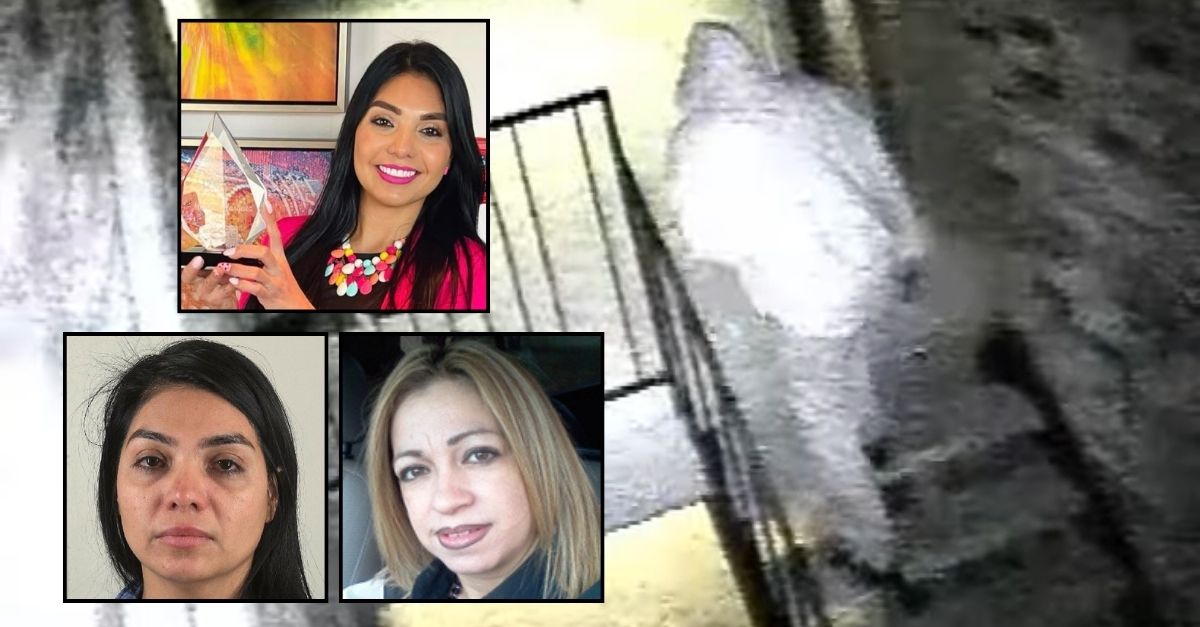
Mayra Velasquez, 42, a licensed real estate agent from Dallas, Texas, has been arrested and charged with capital murder in connection with the brutal January 2012 slaying of Irasema Chavez in Arlington. The arrest concludes a 12-year cold case investigation, leveraging advanced forensic techniques, specifically investigative genetic genealogy, to identify a suspect who allegedly lived a seemingly normal, even successful, life, post-crime, traveling the world and raising a family. Velasquez, who was 27 at the time of the incident, was taken into custody on Thursday without incident by officers from the Arlington Police Department, bringing a long-awaited development to a case that has haunted Chavez’s family and the Arlington community for over a decade.
A Horrific Discovery and Lingering Mystery
The crime that led to Velasquez’s arrest was exceptionally violent. On January 20, 2012, 32-year-old Irasema Chavez was found deceased inside her second-floor apartment in Arlington, having sustained approximately 100 stab wounds. The gruesome discovery was made by Chavez’s teenage niece, Linda Yesenia Valdez, who had been dropped off at her aunt’s residence. Valdez recounted the horrifying scene in a May 2018 interview with the Fort Worth Star-Telegram, describing how "everything was stained, soaked with blood," and "even the white walls were covered" before she found her aunt "face down." The sheer brutality of the attack immediately indicated a crime of passion or extreme rage, leaving investigators with a deeply disturbing scene and a complex puzzle to solve. The initial shock reverberated through the quiet Arlington neighborhood, raising fears and questions about the perpetrator’s motive and identity.
In the immediate aftermath, Arlington Police detectives launched an extensive investigation. Crime scene technicians meticulously processed the apartment, collecting physical evidence, including a single drop of blood recovered from Chavez’s nightstand. This seemingly minor piece of evidence, belonging to a female suspect with no known relation to Chavez, would prove to be pivotal years later. Despite the grim nature of the crime and the intensive initial efforts, investigators struggled to definitively identify a suspect. Surveillance video from the apartment complex was reviewed, allegedly showing a figure identified as Velasquez approaching Chavez’s apartment while wearing a baseball cap and hoodie shortly before the murder. However, the footage only provided images of the individual from behind and the side, making a clear identification challenging at the time.
The Elusive Suspect: A Decade of Dormancy
For years, the case remained cold, a persistent source of anguish for Chavez’s family and a stark reminder of unsolved violence for the Arlington Police Department. Detectives pursued numerous leads, interviewed potential witnesses, and utilized traditional forensic methods, but without a breakthrough, the investigation reached an impasse. The surveillance video, released publicly in August 2012 in hopes of generating tips, did not yield the crucial piece of information needed to identify the suspect. The advanced DNA analysis available at the time could confirm the blood belonged to an unknown female, but without a match in existing criminal databases, the identity of the perpetrator remained elusive. The passage of time often dims memories and disperses witnesses, making cold cases increasingly difficult to solve. For the Chavez family, each passing year without answers was a renewed agony, a testament to the enduring pain of unresolved grief and injustice.
While the investigation languished, Mayra Velasquez reportedly embarked on a life that appeared utterly detached from the horrific events of January 2012. According to her social media profiles and accounts from acquaintances, just over a year after Chavez’s death, Velasquez became pregnant and started a family. Her online presence showcased a vibrant life filled with global travel, including trips to Cozumel, Dubai, Disney World, Bolivia, Colombia, Jamaica, Paris, London, Spain, and New York City. She also achieved professional success, reportedly winning real estate awards and cultivating a reputation as a diligent and amiable colleague. This stark contrast between the brutality of the crime and the seemingly carefree existence of the alleged perpetrator highlights the profound challenge law enforcement faces in identifying individuals who successfully evade detection for extended periods.
Technological Breakthrough: The Power of Genetic Genealogy
The significant breakthrough in the Irasema Chavez murder case came not from traditional detective work alone, but from the innovative application of investigative genetic genealogy (IGG). This cutting-edge forensic technique, which gained prominence in solving high-profile cold cases like the Golden State Killer, involves uploading DNA profiles from crime scenes to public genealogy databases. These databases are typically used by individuals seeking to trace their ancestry. Law enforcement, with the assistance of forensic genealogists, then constructs family trees from the DNA matches, identifying potential relatives of the unknown suspect. By meticulously working through these family trees, often spanning multiple generations, investigators can narrow down a pool of suspects until a specific individual is identified. This process often involves extensive genealogical research, cross-referencing public records, and sometimes covert DNA collection from potential suspects for confirmation.
In November 2023, nearly 12 years after the murder, the Arlington Police Department’s Homicide Unit recognized the potential for IGG in the Chavez case. They met with the FBI Dallas Field Office to discuss whether the case would be a suitable candidate for their Investigative Genetic Genealogy program. The FBI "graciously agreed to assist," marking a pivotal turning point. Earlier this year, this collaborative effort yielded a "significant break in the case," as stated by police, ultimately leading authorities to Mayra Velasquez. While the precise details of the genetic link between Velasquez and the crime scene DNA, or how the IGG process specifically pinpointed her, have not yet been fully disclosed, this development underscores the transformative impact of such advanced forensic technologies on cold case investigations. It offers a new avenue for justice, particularly in cases where traditional leads have been exhausted and conventional DNA database searches have come up empty. The application of IGG in this case demonstrates law enforcement’s commitment to leveraging every available tool to solve complex, long-standing mysteries and provide answers to victims’ families.
A Life Unraveled: From Suspect to "Sweet Lady"
The arrest of Mayra Velasquez sent shockwaves through her professional and personal circles, particularly among those who knew her as a successful realtor and a seemingly devoted family woman. Lupe Jimenez, a fellow real estate agent who worked with Velasquez between 2022 and 2023, expressed profound disbelief to local NPR and PBS affiliate KERA. "For me she was a sweet lady, very outgoing, helpful, family oriented," Jimenez stated. "I’m in shock because she’s not somebody I thought would ever do anything like that." Jimenez recalled conversations with Velasquez about her extensive travels, with Velasquez explaining that she visited family abroad, which helped manage costs. Velasquez also reportedly told her colleague that she and her husband engaged in home flipping and had other side businesses, painting a picture of a financially savvy and enterprising individual. Jimenez consistently described Velasquez as "very kind, very polite" during their time working together at the same real estate company.
This portrayal of Velasquez as a "sweet lady" stands in stark contrast to the heinous crime for which she is now charged. Her Facebook page, which remained public at the time of her arrest, chronicled a life seemingly devoid of suspicion or remorse. It displayed numerous photos of her travels, her growing family, and her professional achievements, including real estate awards. This apparent normalcy, maintained for over a decade after a brutal capital murder, raises profound questions about the capacity for individuals to compartmentalize their lives and conceal dark secrets. The concept of a "double life" is not uncommon in criminal psychology, where individuals can project an image of respectability and normalcy while harboring a hidden, darker reality. For those who knew Velasquez, the revelation of her alleged past must be a deeply unsettling and disorienting experience, forcing them to reconcile the person they thought they knew with the shocking allegations now leveled against her.
The Wheels of Justice: Legal Proceedings and Community Impact
Mayra Velasquez faces a charge of capital murder, the most severe homicide charge in Texas. Under Texas law, capital murder applies when an individual intentionally or knowingly causes the death of another and meets specific aggravating circumstances, such as murder during the commission of another felony (e.g., robbery, burglary), or murder with extreme cruelty. While the specific aggravating factors leading to the capital murder charge in this case have not yet been fully detailed, the sheer number of stab wounds (approximately 100) could potentially factor into arguments of extreme cruelty or intent. In Texas, a conviction for capital murder carries two possible penalties: life imprisonment without parole or the death penalty.
Following her arrest, Velasquez has been denied bond and is currently being held at the Tarrant County Jail. This denial of bond is standard practice for capital murder charges, reflecting the severity of the alleged crime and the potential flight risk. The legal process ahead will be complex and lengthy, involving grand jury indictment, pre-trial motions, discovery, and ultimately, a trial. The burden of proof will rest on the prosecution to demonstrate Velasquez’s guilt beyond a reasonable doubt, utilizing the forensic evidence, surveillance footage, and any other evidence gathered during the expanded investigation.
Arlington Police officials have scheduled a joint news conference for Wednesday, during which representatives from the FBI and the APD are expected to provide more comprehensive details regarding the "collaborative investigation" that culminated in Velasquez’s arrest. This conference will likely shed more light on the specific methods used by IGG, the timeline of the breakthrough, and any established connection or motive between Velasquez and Irasema Chavez, which remains unclear.
The resolution of this cold case has significant implications beyond the immediate legal proceedings. For the family of Irasema Chavez, it represents a long-awaited step towards justice and potentially, closure. The ability of modern forensic science, particularly investigative genetic genealogy, to solve cases that have remained dormant for years offers hope to countless other families still grappling with unsolved murders. It also sends a powerful message that law enforcement agencies are continually adapting and adopting new technologies to ensure that perpetrators of violent crimes, no matter how long they evade capture, can eventually be held accountable. The case underscores the unwavering persistence of detectives and the vital role of inter-agency cooperation in cracking some of the most challenging criminal investigations.
Looking Ahead: The Path to Resolution
The arrest of Mayra Velasquez marks the beginning of a new chapter in the Irasema Chavez murder case. As the legal proceedings unfold, the public and the Chavez family will seek answers to many lingering questions: What was the nature of the relationship, if any, between Velasquez and Chavez? What was the motive behind such a brutal attack? And how was Velasquez able to live a life of apparent normalcy and success while allegedly harboring such a dark secret?
The joint press conference scheduled for Wednesday is expected to provide some of these crucial details, offering insights into the investigative journey and the evidence that led to Velasquez’s identification and arrest. As the case progresses through the Tarrant County court system, it will undoubtedly draw significant public attention, serving as a poignant reminder of the enduring pursuit of justice and the profound impact of cold cases on communities and families. The successful application of investigative genetic genealogy in this instance reinforces its growing importance as an indispensable tool in modern law enforcement, promising to bring resolution to more long-standing mysteries and providing solace to those who have waited years, even decades, for answers. The journey towards a final verdict will be long, but for the family of Irasema Chavez, the first crucial step has finally been taken.

 Yuyun Lusiyani
 Joko Widodo
 Jia Lissa
 Pevita Pearce
 admin
admin
