
 Ana Megawati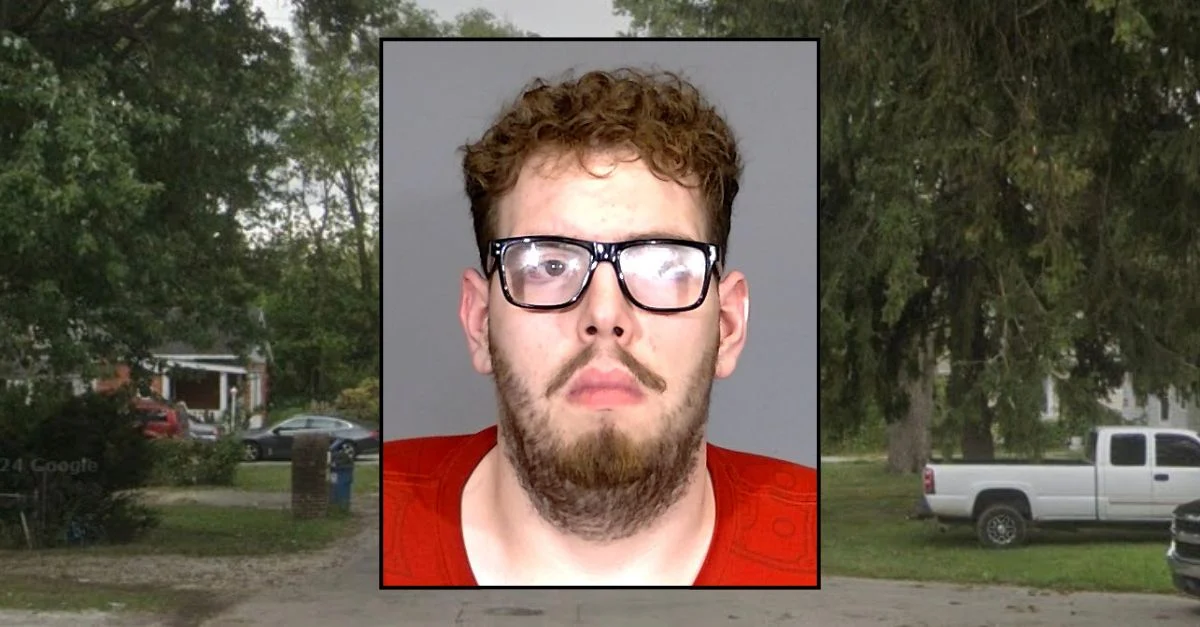
A 21-year-old Indianapolis man, Joshua Ledford, faces serious charges after allegedly drunkenly discharging a handgun and injuring two friends who were lying in bed, an incident he remorsefully described to police as "100% on me" and a product of him being "a complete f***ing idiot." The event, which unfolded in the early hours of July 16, has drawn attention to the critical importance of responsible firearm handling, particularly when alcohol is involved, and the broader implications of reckless behavior within the context of Indiana’s relatively permissive gun laws.
The Night Unfolds: A Detailed Chronology
The evening leading up to the shooting began as a social gathering at a residence in the 1000 block of Denison Street on Indianapolis’ west side. Joshua Ledford, along with the two victims and other witnesses, had been drinking. According to a probable cause affidavit, Ledford reportedly brandished a black handgun throughout the night, exhibiting a pattern of reckless behavior that witnesses described as consistent with his conduct on previous occasions. This behavior, characterized by the casual handling and waving of the firearm, created an atmosphere of unease among those present.
Multiple witnesses, including Brayzan Brown, reportedly pleaded with Ledford to cease his dangerous actions. Brown recounted to WXIN that despite repeated requests to stop "messing around with the firearm," Ledford defiantly responded, "No. I can do what I want. It’s Indiana." This statement underscored a perceived sense of entitlement or misunderstanding of the responsibilities associated with firearm ownership, amplified by his state of intoxication. The warnings, however, went unheeded, setting a perilous stage for the events that were soon to transpire.
As the night progressed, shortly before 2 a.m. on July 16, the male and female victims decided to retreat to a bedroom, seeking a moment of relaxation away from the escalating tension. It was into this private space that Ledford allegedly entered, still carrying the handgun. The female victim later told investigators that Ledford began "playing" with the weapon, casually pointing it at both of them. In a terrifying instant, the firearm discharged. The projectile struck the male victim in the arm and the female victim in the armpit, instantly transforming a casual social gathering into a scene of chaotic injury and panic.
The sound of the gunshot shattered the quiet of the night, prompting immediate distress among the remaining occupants of the home. In the immediate aftermath, another witness reportedly observed Ledford attempting to enter her vehicle, leading her to believe he was trying to flee the scene. Her refusal to allow him entry, however, prevented a potential escape and ensured that Ledford remained at the location until law enforcement arrived.
Officers with the Indianapolis Metropolitan Police Department (IMPD) responded swiftly to reports of a person shot. Upon arrival at the Denison Street address, they discovered the two victims suffering from gunshot wounds. Emergency medical services were immediately called, and both victims were transported to a local hospital. Fortunately, their conditions were stable, and they have since been released and are recovering at home, a testament to timely medical intervention and perhaps a measure of luck given the nature of the injuries. IMPD officers secured the scene and located Ledford outside the residence, where he was detained without further incident.
Law Enforcement Response and Interrogation
The IMPD’s investigation quickly zeroed in on Joshua Ledford. Following his detainment, detectives initiated an interview process to ascertain the full details of the incident. During this interrogation, Ledford allegedly admitted full responsibility for the shooting. His statements to detectives were marked by profound regret and self-condemnation, expressing a clear understanding of the gravity of his actions despite claiming a lack of malicious intent.
He confessed, "It was 100% on me," further emphasizing his culpability by adding, "I was a complete f*ing idiot." Ledford elaborated on his reckless behavior, stating, "I was being stupid with the gun," and revealing a dangerous habit: "sometimes when I get drunk, I play around with the clip." He acknowledged being "a dumba at the house and playing around with the gun," while maintaining that he "never intended to fire the weapon or injure anyone." These admissions, documented in the probable cause affidavit, form a critical component of the prosecution’s case, illustrating a pattern of negligence exacerbated by alcohol consumption.
Legal Ramifications: Charges and Proceedings
Joshua Ledford has been formally charged in Marion County with two counts of battery by means of a deadly weapon and one count of criminal recklessness for allegedly firing into an occupied dwelling. In Indiana, these are serious felony charges carrying significant potential penalties.
- Battery by means of a deadly weapon typically falls under Level 5 or Level 6 felony classifications, depending on the severity of the injury and other circumstances. A Level 5 felony in Indiana can carry a sentence of one to six years in prison, with an advisory sentence of three years, along with fines. A Level 6 felony carries a sentence of six months to two-and-a-half years, with an advisory sentence of one year. The use of a deadly weapon significantly elevates what might otherwise be a lesser battery charge.
- Criminal recklessness for allegedly firing into an occupied dwelling is also often classified as a Level 5 or Level 6 felony, recognizing the inherent danger posed to occupants and the public. This charge addresses the disregard for safety that Ledford’s actions demonstrated, irrespective of intent to injure specific individuals.
Ledford made his initial court appearance on Tuesday. The judge set his bond at $8,000, which he posted, leading to his release to home confinement. While awaiting trial, Ledford will be subject to strict conditions, typically including electronic monitoring, limitations on movement, and prohibitions against contact with the victims or consumption of alcohol. This stage of the legal process allows for an accused individual to prepare their defense while ensuring public safety and their appearance in court. The legal proceedings will determine whether his actions, despite his claims of lack of intent, meet the threshold for conviction on these serious charges, which often hinge on proving "recklessness" or "negligence" rather than explicit malice.
Indiana’s Firearm Landscape: Contextualizing "It’s Indiana"
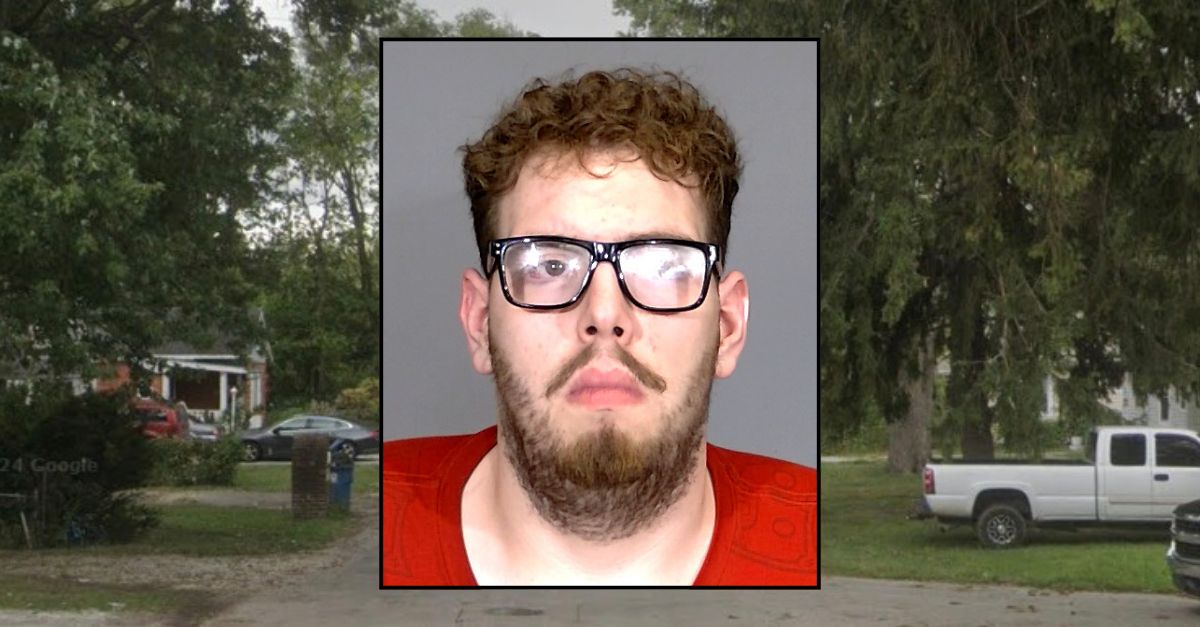
Ledford’s dismissive remark, "It’s Indiana," when confronted about his reckless gun handling, provides a stark commentary on the state’s firearm laws. Indiana is known for its relatively permissive approach to gun ownership and carrying. In 2022, Indiana enacted a permitless carry law, officially known as "constitutional carry." This law allows eligible adults (21 years or older, not prohibited from owning a firearm under state or federal law) to carry a handgun in public without needing a state-issued license. Before this, Indiana had a "shall-issue" permit system, meaning permits were issued to qualified applicants.
While permitless carry grants individuals the right to carry a handgun without a specific license, it does not absolve them of the responsibility to handle firearms safely and lawfully. All federal and state laws regarding prohibited persons, places where firearms are forbidden (e.g., schools, airports, government buildings), and the use of deadly force still apply. The spirit of permitless carry is rooted in the belief that law-abiding citizens should not require government permission to exercise their Second Amendment rights. However, this freedom comes with an inherent and profound responsibility to ensure public safety. Ledford’s actions, coupled with his statement, highlight a critical disconnect between the legal right to possess a firearm and the moral and ethical obligation to wield it responsibly. His behavior underscores the argument made by gun safety advocates that while rights are important, they must be balanced with public safety and personal accountability.
The Perilous Mix: Alcohol and Firearms
The intersection of alcohol consumption and firearm handling is universally recognized as a dangerous combination, a fact tragically underscored by the Ledford incident. Alcohol is a central nervous system depressant that significantly impairs cognitive and motor functions. It reduces inhibitions, impairs judgment, slows reaction time, diminishes coordination, and distorts perception. These effects make the safe handling of a firearm virtually impossible.
Expert insights from public health and safety organizations consistently warn against the combination. The National Shooting Sports Foundation (NSSF) and other gun safety advocates strongly advise against consuming alcohol before or during firearm use. Even a small amount of alcohol can compromise an individual’s ability to make sound decisions, assess risks accurately, and maintain the precise control required for safe gun handling.
Statistics on accidental shootings further emphasize this danger. While precise national data on alcohol’s direct role in every accidental shooting can be difficult to isolate, studies and reports frequently link substance impairment to unintentional firearm injuries and fatalities. The Centers for Disease Control and Prevention (CDC) monitors firearm-related injuries and deaths, and while it doesn’t always break down by alcohol involvement, broader studies on injury epidemiology often find a correlation between alcohol use and various forms of accidental injury. For instance, research published in journals like Injury Prevention has explored how alcohol intoxication increases the risk of both intentional and unintentional injuries, including those involving firearms, by affecting decision-making and motor skills. Such incidents contribute to the broader public health challenge of preventable injuries and deaths.
IMPD Officer Tommy Thompson, speaking to WXIN after the shooting, articulated this concern clearly: "We have to be responsible with our firearms. This could have killed someone. Thankfully, this did not kill these individuals, but if we’re not responsible with our guns, that bullet is going to travel somewhere." His statement serves as a stark reminder of the basic tenets of firearm safety, which prioritize absolute sobriety and clear judgment above all else when handling a weapon.
A Public Safety Perspective: Preventing Future Incidents
The incident involving Joshua Ledford serves as a potent case study in the critical need for robust firearm safety education and a culture of personal responsibility. The four fundamental rules of firearm safety — treat every gun as if it’s loaded; never point a gun at anything you’re not willing to destroy; keep your finger off the trigger until your sights are on the target and you’ve made the decision to shoot; and be sure of your target and what’s beyond it — are paramount. Ledford’s alleged actions violated multiple, if not all, of these principles, leading to severe consequences.
From a public safety standpoint, incidents like this underscore the importance of community vigilance and intervention. Witnesses reportedly warned Ledford multiple times, yet the situation escalated. This highlights the challenge of intervening in real-time when an individual is intoxicated and dismissive of concerns. It also prompts discussions on the role of hosts and friends in preventing dangerous situations involving alcohol and firearms.
The broader impact of such events extends beyond the immediate victims and perpetrator. They contribute to public anxiety regarding gun violence, even when categorized as accidental. They fuel ongoing debates about gun control measures versus the promotion of responsible gun ownership. For communities, each incident of firearm violence, whether intentional or accidental, erodes the sense of safety and trust. Public safety advocates often stress that true responsible gun ownership encompasses not only legal compliance but also a deep understanding of the potential for harm and a commitment to preventing it through disciplined practice and unwavering caution.
Conclusion: Accountability and the Path Forward
Joshua Ledford’s case will now proceed through the judicial system, where the full extent of his responsibility will be determined. His admissions of being "stupid with the gun" and a "complete f***ing idiot" while intoxicated may play a significant role in the legal outcome. Regardless of the final verdict, the human cost of his actions is already evident: two friends injured, a friendship potentially shattered, and a young man facing severe legal repercussions that could permanently alter the course of his life.
This incident serves as a sobering reminder of the profound and often irreversible consequences that can arise from the reckless combination of alcohol and firearms. It reinforces the urgent need for every gun owner to adhere to strict safety protocols, exercise sound judgment, and prioritize the safety of others above all else. The "It’s Indiana" defense, in the face of such a tragic outcome, rings hollow against the backdrop of personal accountability and the paramount importance of responsible citizenship in a society where firearm rights are protected. The path forward demands not just adherence to laws, but a deeply ingrained culture of safety and respect for the immense power that firearms represent.

 Yuyun Lusiyani
 Joko Widodo
 Jia Lissa
 Pevita Pearce
 admin
admin
