
 Ana Megawati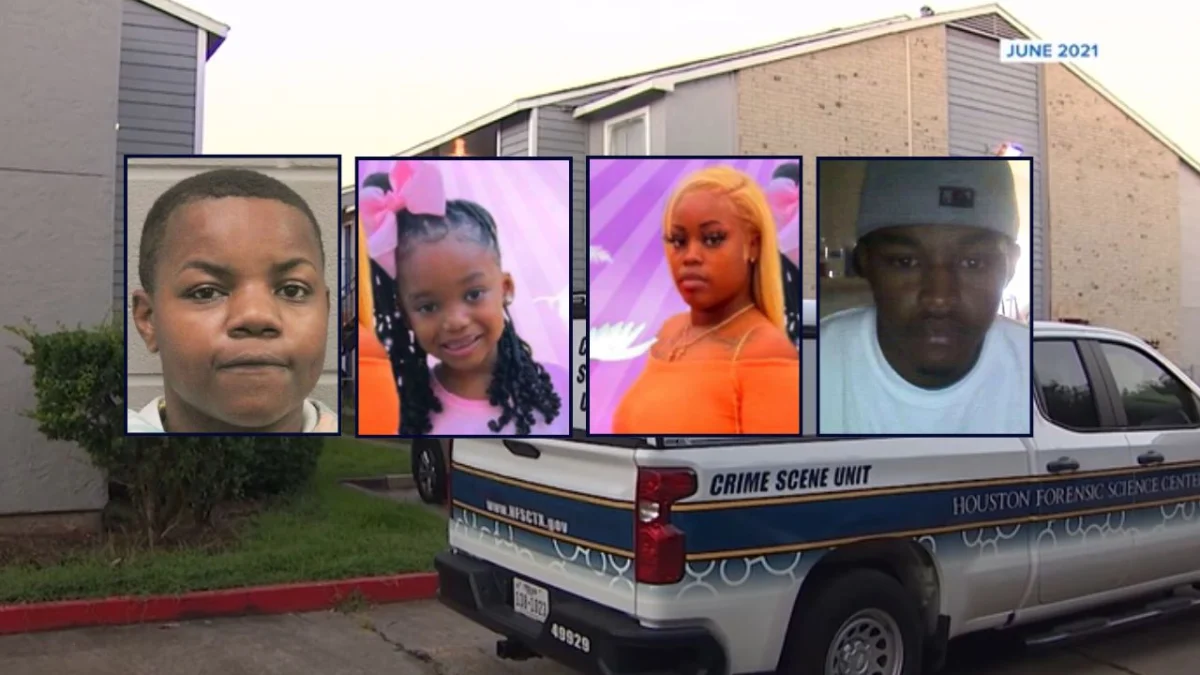
A heinous act of violence, orchestrated and witnessed remotely, has culminated in a significant prison sentence for the woman at its center. Alexus Chenelle Williams, 33, will spend 40 years behind bars after pleading guilty to three counts of murder for hiring a hitman to kill her ex-girlfriend, the ex-girlfriend’s partner, and their six-year-old daughter in Houston, Texas. The chilling details of the crime, which involved Williams watching the brutal slayings unfold via a FaceTime call, have shocked the community and underscored the depravity of the premeditated attack.
A Fatal Betrayal: The Genesis of a Horrific Plan
The tragic events of June 30, 2021, unfolded against a backdrop of complex personal relationships and escalating animosity. Alexus Chenelle Williams had previously been involved in a relationship with Donyavia Lagway, 29. However, Lagway had reconciled with her husband, Gregory Carhee, 35, and was, heartbreakingly, pregnant with his child at the time of her death. This reconciliation and Lagway’s renewed commitment to her family appears to have fueled a vengeful rage in Williams, leading her to devise a murderous plot.
Williams enlisted the services of Xavier Davis, then 28, a childhood friend, to carry out the killings. The incentive offered to Davis was both simple and sinister: a promise of cash, which Williams claimed was inside the victims’ apartment, that he could keep after committing the murders. This financial enticement, coupled with the personal vendetta harbored by Williams, set the stage for a crime that would ultimately claim three innocent lives and traumatize two young survivors. The calculated nature of the plot, involving a hired assassin and a clear motive rooted in jealousy and resentment, elevated the crime beyond a spontaneous act of violence to a meticulously planned execution.
The Crime Unfolds: June 30, 2021
On the fateful evening of June 30, 2021, Davis proceeded to the Totoro Place Apartments on Fondren Road near West Airport Boulevard in Houston, the residence of Gregory Carhee, Donyavia Lagway, and their children. The sequence of events that followed was meticulously planned by Williams, who maintained a direct, real-time connection to the unfolding horror.
As Gregory Carhee opened the door to his apartment, Davis, armed and ready, barged inside. The assault began immediately. Carhee, Lagway, and their six-year-old daughter, Harmony Carhee, were all struck by gunfire. The attack was swift and merciless, designed to eliminate all three targets. However, the apartment also contained two other children: the couple’s ten-year-old daughter and their one-year-old son. In a testament to incredible courage and survival instinct, the ten-year-old girl, despite being shot, feigned death and bravely held the hand of her infant brother, protecting him from further harm. This act of quiet heroism amidst unimaginable terror provided a glimmer of hope in an otherwise dark narrative.
Crucially, throughout this horrific ordeal, Alexus Chenelle Williams was actively watching the events unfold via a FaceTime video call. This chilling detail reveals a profound level of detachment and a willingness to witness the gruesome consequences of her orchestrations firsthand. It paints a picture of a perpetrator not just commissioning a crime, but intimately involved in its execution through a digital lens, blurring the lines between physical presence and remote participation in violence.
After the shooter, Xavier Davis, departed the scene, the brave ten-year-old, still gravely injured, managed to alert other family members. These desperate calls for help quickly led to the arrival of emergency services and the Houston Police Department, initiating what would become a complex and emotionally charged investigation. The apartment, once a family home, was transformed into a crime scene, bearing witness to an act of unspeakable brutality.
Unmasking the Perpetrators: A Meticulous Investigation
The immediate aftermath of the triple murder plunged the Houston community into shock and grief. Law enforcement agencies, led by the Houston Police Department, launched an intensive investigation to identify and apprehend those responsible for such a heinous act, particularly given the involvement of a child victim and the clear signs of premeditation. The initial chaos of the crime scene quickly gave way to a systematic gathering of evidence, interviews, and the painstaking work of forensic analysis.
The first breakthrough in the case came from an anonymous tip, which identified Xavier Davis as the primary shooter. This critical piece of information provided investigators with a concrete lead. Acting swiftly, police located and arrested Davis. During his arrest, authorities found $3,000 in cash, a sum that aligned with Williams’s promise to Davis of money inside the victims’ home. Furthermore, ammunition found in Davis’s possession matched the shell casings recovered from the murder scene, providing crucial ballistic evidence linking him directly to the killings. The murder weapon itself was later recovered at Davis’s girlfriend’s house, further solidifying the case against him.
From the outset, detectives suspected the involvement of a second individual, someone who had orchestrated the attack. Then-Houston Police Chief Troy Finner, addressing reporters at a press conference, made a pointed statement, hinting at the existence of another perpetrator: "The one who’s not in custody, even though I’m not going to say your name, you know who you are, and so do we." This public declaration signaled law enforcement’s confidence in their ongoing investigation and served as a warning to Williams, who was, at that point, still free.
Investigators meticulously built their case against Williams over several months, gathering irrefutable evidence. A key component of their evidentiary mosaic was the extensive exchange of text messages between Williams and Davis. These digital communications provided a clear and incriminating trail, detailing the planning, motivation, and coordination of the triple murder. The digital footprints left by the conspirators proved invaluable in connecting Williams directly to the crime, demonstrating her role as the mastermind.
In a chilling display of audacity and deception, Williams even attended the funerals of Gregory Carhee, Donyavia Lagway, and their daughter Harmony. This act of feigned grief, while knowing her direct involvement in their deaths, speaks volumes about her psychological state and further solidified the prosecution’s narrative of her calculated malice.
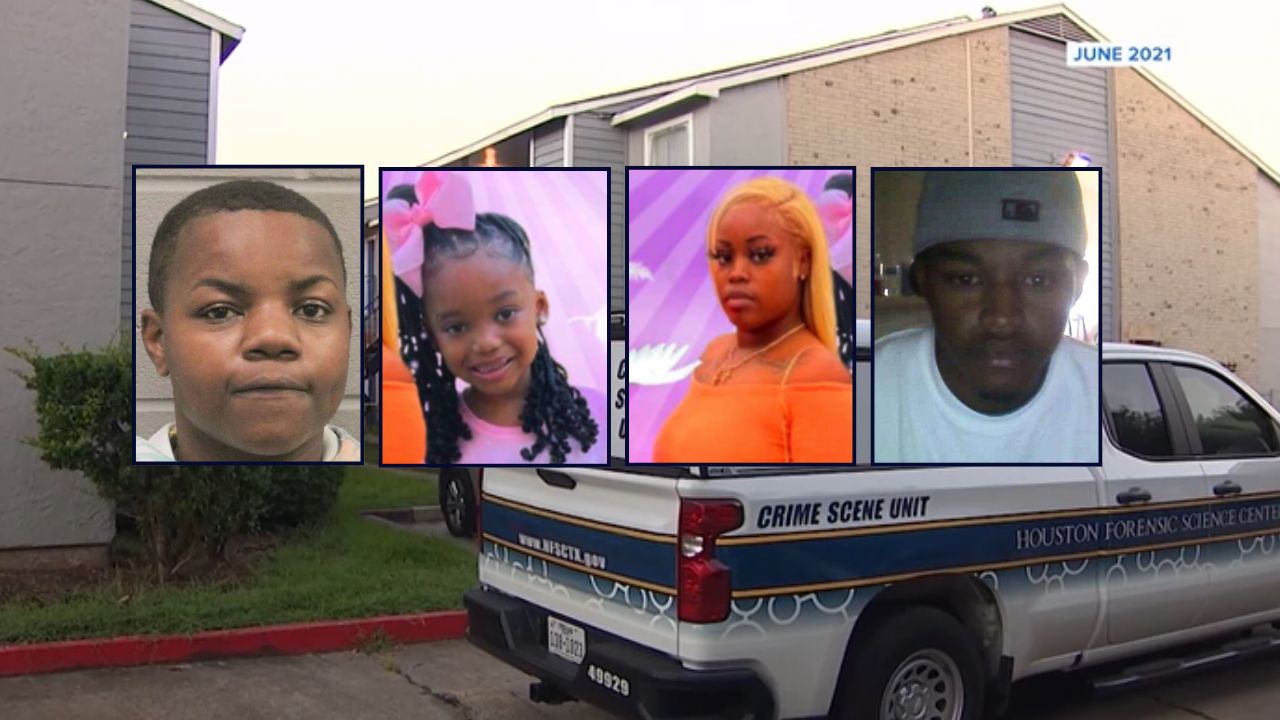
Finally, after approximately eight months of painstaking investigation, sufficient evidence was gathered to formally charge Alexus Chenelle Williams. She was arrested in March 2022, bringing a sense of relief to the community and signaling a significant step towards justice for the victims and their surviving children. The investigation highlighted the crucial role of both traditional police work and modern forensic techniques, including digital forensics, in solving complex criminal cases.
Justice Served: Courtroom Outcomes
The legal proceedings for both Xavier Davis and Alexus Chenelle Williams brought a grim conclusion to the horrific saga. The Harris County legal system moved to ensure accountability for the brutal triple murder.
Xavier Davis, the hired gunman, faced the most severe charges. He pleaded guilty to three counts of capital murder. In the state of Texas, capital murder is the highest degree of murder, carrying the potential penalty of life imprisonment without parole or the death penalty. Given the egregious nature of the crime, including the murder of a child, the prosecution pursued the ultimate penalty. In April, Davis was sentenced to death. This sentence reflects the profound gravity of his actions and the state’s determination to impose the harshest punishment for such an abhorrent crime. The death penalty in Texas remains a potent symbol of justice for particularly heinous offenses, and Davis’s case fell squarely within the parameters for its application.
Alexus Chenelle Williams, as the orchestrator and remote witness of the murders, also faced severe consequences. After protracted legal proceedings, Williams pleaded guilty to three counts of murder. Her plea was part of an agreement that resulted in a sentence of 40 years behind bars. While not the death penalty, a 40-year sentence for murder in Texas is a substantial term, ensuring she will spend the vast majority of her adult life incarcerated. This outcome represents a significant victory for the prosecution, securing a conviction and a lengthy prison term for the mastermind of the plot. The plea agreement likely spared the surviving children and the victims’ families from the trauma of a lengthy and emotionally draining trial, while still delivering a measure of justice.
The sentences for both Davis and Williams underscore the legal system’s response to premeditated violence, especially when it involves multiple victims and vulnerable individuals. The disparity in sentences – death for the direct perpetrator and decades in prison for the orchestrator – reflects the legal distinctions and aggravating factors considered in such cases, though both faced severe penalties commensurate with their roles in the crime.
The Scars of Violence: Community Impact and Legal Precedents
The triple murder at the Totoro Place Apartments left an indelible scar on the Houston community, highlighting the devastating impact of targeted violence. The loss of Gregory Carhee, Donyavia Lagway, and their six-year-old daughter, Harmony, represented an irreplaceable void for their family and friends. Beyond the immediate victims, the crime had profound and lasting psychological consequences for the two surviving children, particularly the ten-year-old girl who not only endured a gunshot wound but also the unimaginable trauma of witnessing the murders of her parents and sister, and bravely protecting her infant brother. The journey to healing for these children will undoubtedly be long and arduous, requiring extensive support and care.
Crimes of passion, particularly those involving contract killings, represent a particularly disturbing facet of criminal behavior. While statistically less common than other forms of homicide, their calculated nature and often brutal execution send ripples of fear and insecurity through communities. This case, driven by jealousy and a desire for revenge, serves as a stark reminder of how deeply personal conflicts can escalate into horrifying violence, often ensnaring innocent bystanders.
Digital Footprints in Criminal Investigations
The role of digital evidence was paramount in securing the convictions of Williams and Davis. The FaceTime call, allowing Williams to remotely witness the murders, and the incriminating text messages between her and Davis, were crucial in linking her directly to the crime. This case exemplifies the increasing reliance of modern law enforcement on digital forensics. In an age where much of our communication and interaction occurs online, criminals often leave digital footprints that, when meticulously traced, can provide irrefutable evidence. From social media posts to text messages, call logs, and GPS data, digital trails are becoming as vital as traditional physical evidence like fingerprints or DNA in solving complex cases. This underscores the evolving landscape of criminal investigation, where technological proficiency is as important as traditional detective work.
The Harsh Reality of Capital Punishment in Texas
Xavier Davis’s death sentence also brings into focus the ongoing debate and application of capital punishment in Texas, a state known for its frequent use of the death penalty. Texas leads the nation in executions since the reinstatement of capital punishment in 1976. The legal framework in Texas allows for the death penalty in capital murder cases, which include the murder of a child under ten years of age, multiple murders, or murder for hire – all elements present in Davis’s crime. While proponents argue that it serves as a just retribution and a deterrent, opponents raise concerns about its morality, potential for error, and disproportionate application. Davis’s sentence, like all death penalty cases, will likely undergo a lengthy appeals process, further highlighting the complexities and finality of such judicial outcomes.
Conclusion
The sentencing of Alexus Chenelle Williams to 40 years in prison, following Xavier Davis’s death sentence, closes a painful chapter for the victims’ families and the Houston community. It underscores the profound tragedy of lives lost and the enduring trauma inflicted upon the survivors. This case, with its chilling details of remote observation and premeditated malice, stands as a stark reminder of the depths of human depravity and the unwavering commitment of the justice system to hold perpetrators accountable, ensuring that even crimes committed through digital means do not escape the long arm of the law. The memory of Gregory, Donyavia, and Harmony Carhee will forever serve as a testament to the devastating consequences of hatred and violence.


 Yuyun Lusiyani
 Joko Widodo
 Jia Lissa
 Pevita Pearce
 admin
admin
