
 Eva Lovia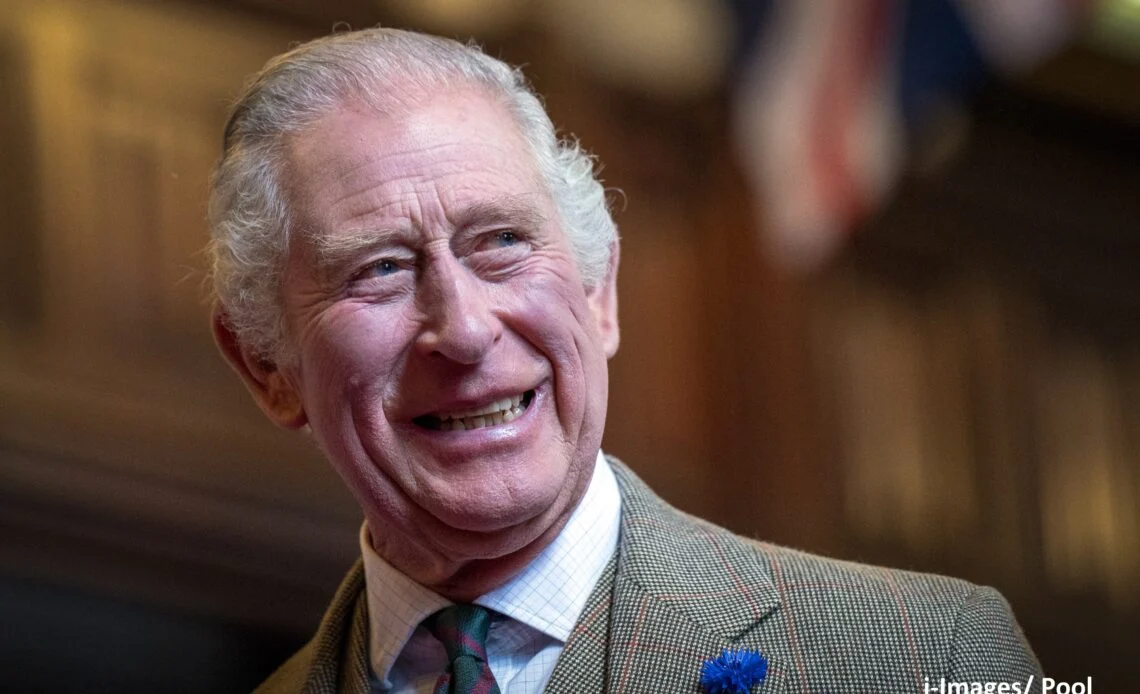
King Charles III has commenced his traditional annual summer retreat at the historic Castle of Mey in Caithness, Scotland, by participating in a deeply symbolic act: the planting of a specially cultivated rose in the estate’s renowned gardens. This annual sojourn, which typically begins in the first week of August, holds significant personal and historical weight for the monarch, aligning with the birthday of his beloved grandmother, Queen Elizabeth The Queen Mother, a devoted patron of the castle. The act of planting the "King’s Rose" underscores His Majesty’s commitment to the estate and its enduring legacy, while also highlighting his ongoing dedication to horticultural heritage and conservation efforts spearheaded by The King’s Foundation.
A Royal Tradition Renewed
The King’s arrival at the Castle of Mey marks a continuation of a cherished family tradition, one that Queen Elizabeth The Queen Mother herself embraced with great enthusiasm. She acquired the castle in 1952, transforming it into one of her most cherished Scottish sanctuaries. For three weeks every August, she would preside over the estate, a custom that King Charles has faithfully maintained since assuming the throne, thereby honouring his grandmother’s profound connection to this remote yet beautiful corner of the Highlands. The Castle of Mey, with its dramatic coastal setting overlooking the Pentland Firth, offers a period of respite and reflection for the monarch, away from the more demanding public duties of royal life.
The highlight of the King’s initial activities was the ceremonial planting of the "King’s Rose" within the picturesque Diamond Jubilee Rose Garden. This particular varietal is not merely a decorative addition; it is a testament to a collaborative horticultural initiative. Developed by the esteemed David Austin Roses in partnership with The King’s Foundation, the "King’s Rose" was specifically bred and named in honour of His Majesty. This signifies a direct link between the monarch’s patronage and the advancement of botanical arts, celebrating both innovation and tradition.
The significance of this new rose extends beyond the grounds of the Castle of Mey. The "King’s Rose" has also been planted at two other key locations managed by The King’s Foundation: Dumfries House in East Ayrshire and Highgrove Gardens in Gloucestershire. This widespread integration of the rose across these significant heritage sites underscores a unified vision for horticultural excellence and the promotion of sustainable gardening practices championed by the Foundation. It also serves to embed the King’s personal connection and commitment to these diverse landscapes.
Historical Roots and Horticultural Legacy
The Castle of Mey, originally known as Barrogill Castle, boasts a history stretching back to the 16th century. However, it was Queen Elizabeth The Queen Mother who breathed new life into the estate following its purchase. Her vision transformed the somewhat neglected property into a vibrant family retreat, a place where she found solace and joy. Her deep affection for the castle and its surrounding grounds is well-documented, and her dedication to its upkeep has left an indelible mark. The annual summer visits became a hallmark of her later years, and the tradition has been lovingly preserved by her grandson.
The King’s own engagement with the gardens of the Castle of Mey is not a recent development. He has actively contributed to the landscape in the past. Notably, in August 2005, when he held the title of Duke of Rothesay, he and his wife, Camilla, then Duchess of Rothesay, jointly planted two sycamore trees at the front of the castle. These trees, now mature, stand as silent witnesses to their enduring connection to the estate and their commitment to its natural beauty. This earlier act foreshadowed the King’s ongoing role in nurturing and enhancing the gardens, a passion that continues to flourish.
The King’s Foundation, the charitable organisation that now oversees the management of the Castle of Mey, plays a crucial role in preserving its heritage and promoting its educational and environmental programmes. The Foundation is dedicated to a wide range of initiatives, from traditional crafts and skills to sustainable land management and the conservation of historic gardens. The Castle of Mey, as one of its prominent sites, serves as a living example of these principles in action, offering visitors insights into both its rich history and its forward-looking approach to conservation.
The "King’s Rose": A Symbol of Growth and Dedication
The horticultural pedigree of the "King’s Rose" is significant. David Austin Roses is internationally renowned for its creation of classic English roses, celebrated for their beauty, fragrance, and disease resistance. The collaboration with The King’s Foundation highlights the Foundation’s commitment to supporting British craftsmanship and innovation in horticulture. The naming of the rose in honour of King Charles III is a prestigious recognition, signifying the monarch’s personal endorsement and his long-standing interest in the natural world and the art of gardening.
The characteristics of the "King’s Rose" are yet to be widely detailed by the breeders, but typically, David Austin roses are known for their exceptional fragrance and often possess a romantic, old-fashioned charm. The planting of this specific rose in the Diamond Jubilee Rose Garden is particularly apt. The garden itself was established to commemorate Queen Elizabeth II’s Diamond Jubilee, a testament to her own enduring reign and her deep connection to the United Kingdom and its natural heritage. The "King’s Rose" now adds another layer of royal significance to this commemorative space.
The choice of the Castle of Mey as a primary location for the "King’s Rose" reflects the deep personal significance the estate holds for His Majesty. It is a place where he can connect with his family’s past, engage with nature, and oversee the continued development of the land he holds dear. The rose, with its symbolism of growth, beauty, and resilience, serves as a potent metaphor for the enduring spirit of the royal family and their dedication to preserving cherished places and traditions.
Supporting Data and Broader Implications
The Castle of Mey is more than just a royal residence; it is a vital economic and cultural asset for the Caithness region. The estate, through its operations and the visitors it attracts, provides employment and supports local businesses. The King’s Foundation’s management ensures that the estate remains a sustainable entity, contributing positively to the local economy and community.
Timeline of Key Events Related to the Castle of Mey and King Charles III:
- 16th Century: Construction of Barrogill Castle, the precursor to the Castle of Mey.
- 1952: Queen Elizabeth The Queen Mother purchases Barrogill Castle and begins its restoration and renaming to the Castle of Mey.
- August 1952 onwards: Queen Elizabeth The Queen Mother begins her annual summer stays at the Castle of Mey, establishing a cherished tradition.
- 2005: Then Prince Charles (Duke of Rothesay) and Camilla (Duchess of Rothesay) plant two sycamore trees at the front of the Castle of Mey.
- 2022: Following the death of Queen Elizabeth II, Prince Charles ascends to the throne as King Charles III.
- August 2023: King Charles III begins his annual summer stay at the Castle of Mey and plants the "King’s Rose" in the Diamond Jubilee Rose Garden.
The King’s Foundation, established in 1996 as The Prince’s Foundation, has grown significantly in scope and influence. It currently manages a portfolio of heritage sites, including Dumfries House, Highgrove Gardens, the Great Steward of Scotland’s Dumfries House, and the Dumfries House Education Centre. The Foundation’s work encompasses a wide array of programmes, from apprenticeships in traditional building skills to environmental conservation projects and educational initiatives for young people. The planting of the "King’s Rose" at these sites signifies a continuation and expansion of these vital efforts.
The economic impact of royal visits and the maintenance of historic estates can be substantial. For a region like Caithness, the Castle of Mey represents a significant draw for tourism, contributing to local revenue streams. The commitment of The King’s Foundation to maintaining and enhancing the estate ensures its continued appeal and economic viability.
Official Responses and Future Outlook
While no direct official statements from Buckingham Palace regarding the specific planting ceremony have been released as of this report, the act itself speaks volumes. It reaffirms King Charles III’s dedication to his familial heritage and his personal commitment to the preservation of historic landscapes and horticultural traditions. The King’s Foundation, through its ongoing work, consistently highlights the importance of such initiatives. A spokesperson for The King’s Foundation, when approached for comment on similar past events, has previously emphasized the Foundation’s mission: "Our work across Scotland and the UK is about connecting people with the places they live and fostering a deeper understanding of our shared heritage and natural environment. Projects like the development and planting of the ‘King’s Rose’ embody this spirit."
The reopening of the Castle and Gardens of Mey to the public on August 12th, following the King’s private stay, allows visitors to experience firsthand the beauty and tranquility that His Majesty cherishes. This offers an opportunity for the public to engage with the royal estate and appreciate the ongoing conservation efforts. The presence of the "King’s Rose" will undoubtedly become a point of interest for visitors, symbolizing the King’s personal connection to this significant landmark.
The continued stewardship of the Castle of Mey by The King’s Foundation, coupled with the King’s personal involvement, ensures that this historic estate will remain a place of beauty, heritage, and inspiration for generations to come. The planting of the "King’s Rose" is a subtle yet profound gesture, weaving together the threads of royal history, horticultural excellence, and a deep-seated commitment to the land.



 Yuyun Lusiyani
 Joko Widodo
 Pevita Pearce
 admin
admin
 Lina Irawan