
 Eva Lovia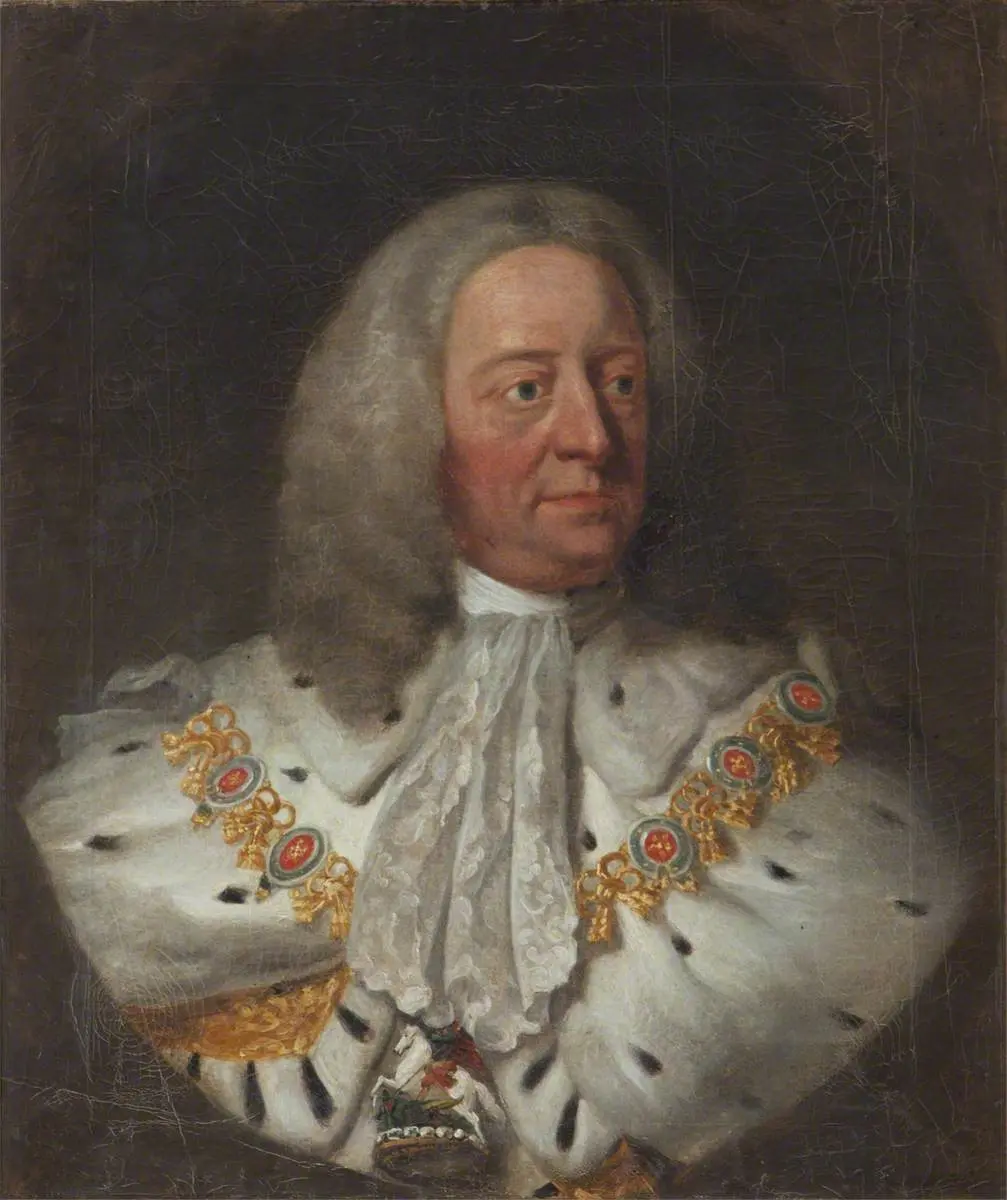
October, a month painted in the rich hues of amber, crimson, and gold, has historically been a significant period for the British monarchy, marking the birthdates of five kings who ascended to the throne. These monarchs, each with a distinct trajectory and legacy, share the unique distinction of being born under the autumnal sky, a cosmic alignment that perhaps subtly influenced their destinies. From the unexpected rise to power to the fulfillment of dynastic ambitions, their lives offer a fascinating glimpse into the intricate tapestry of British royal history. This exploration delves into the lives and reigns of Henry III, Richard III, Edward VI, James II, and George II, examining the circumstances of their births, their paths to the crown, and their enduring impact.
The Dawn of an October Reign: Henry III
The lineage of October kings begins with Henry III, the first English monarch to grace the world with his presence in this distinguished month. Born on October 1, 1207, in Winchester, Henry’s birth was a pivotal moment for his father, King John. John, a monarch whose reign was marked by significant controversy, including the Magna Carta’s imposition, desperately needed a male heir to solidify the succession and stabilize his troubled kingdom. Henry’s mother, Isabella of Angoulême, a formidable figure in her own right, was approximately 19 years old at the time of his birth, a relatively young age for bearing the future king.
Henry’s accession to the throne was not a gradual ascent but a swift transition precipitated by tragedy. On October 19, 1216, following the death of his father, the nine-year-old Henry was proclaimed King of England. His coronation, a grand affair that underscored the continuity of the monarchy amidst turbulent times, took place on October 28th of the same year. This rapid succession firmly cemented Henry’s status as an "October king," his reign beginning under the crimson canopy of autumn. His reign, spanning over five decades, was one of the longest in English history, characterized by a complex relationship with the barons, a deep devotion to religion, and significant architectural projects, most notably the rebuilding of Westminster Abbey. Despite facing numerous challenges, including baronial revolts and economic strain, Henry III laid important groundwork for the future development of English governance and national identity, even as his personal rule was often characterized by a reliance on foreign advisors and a perceived detachment from the concerns of his subjects.
A King Forged in Conflict: Richard III
In stark contrast to Henry III’s predestined path, Richard III’s entry into the world on October 2, 1453, at Fotheringay Castle in Northamptonshire, was far from a foregone conclusion of royal destiny. He was the twelfth child of Richard, Duke of York, a powerful magnate who had recently assumed the role of Protector of England due to the incapacitating mental health struggles of King Henry VI. While his father was a prominent figure with a legitimate claim to the throne, young Richard was born into a world of nobility, not immediate royal expectation. His early life was deeply intertwined with the escalating conflict that would engulf England: the Wars of the Roses.
The dynastic struggle between the Houses of Lancaster and York created a volatile political landscape. Richard’s father, the Duke of York, actively pressed his claim to the throne, leading to a series of bloody battles and political upheavals. Richard himself, a capable and ambitious figure, would eventually seize the crown. However, on the autumn day of his birth, the throne was a distant aspiration, a prize to be won through military might and political maneuvering rather than inherited birthright. Richard’s reign, though brief and controversial, saw significant legislative reforms and a continued effort to consolidate royal authority. His untimely death at the Battle of Bosworth Field in 1485 marked the end of the Plantagenet dynasty and ushered in the Tudor era, forever etching his name into the annals of English history as a complex and enigmatic figure.

The Long-Awaited Heir: Edward VI
The birth of Edward VI on October 12, 1537, at Hampton Court Palace, represented the culmination of King Henry VIII’s fervent desire for a male heir. After enduring the marital and political complexities of his previous two marriages, the arrival of Edward fulfilled a deeply personal and dynastic ambition for Henry. The birth followed a demanding three-day labor for Henry’s third wife, Jane Seymour, who tragically succumbed to childbed fever shortly after giving birth. This poignant event cast a shadow over the joyous occasion, highlighting the precarious nature of royal succession and the personal sacrifices often demanded of royal consorts.
Similar to Henry III, Edward VI ascended to the throne at the tender age of nine upon his father’s death in 1547. However, his reign proved to be tragically short. Edward, a staunch Protestant, played a significant role in the further establishment of the English Reformation, continuing the religious reforms initiated by his father and uncle, Thomas Cranmer. His reign saw the introduction of the Book of Common Prayer and a crackdown on Catholic practices. Edward’s premature death in 1553, just shy of his sixteenth birthday, created a succession crisis that ultimately led to the tumultuous reign of his half-sister, Mary I, and the subsequent Elizabethan Golden Age. His brief but impactful reign underscored the Protestant ascendancy in England and set the stage for future religious and political developments.
A Troubled Journey to the Throne: James II
James II, born on October 14, 1633, at St. James’s Palace in London, was another royal son who, by birth, had a distant prospect of the crown. His father, King Charles I, had been on the throne for eight years and already possessed an heir in Prince Charles (later Charles II). His mother, Henrietta Maria of France, a devout Catholic, struggled to gain widespread public support, despite her patronage of the arts and her success in producing multiple sons. James’s early years were profoundly shaped by the seismic events of the English Civil War, a conflict that ultimately led to the execution of his father when James was just fifteen years old.
Following the Restoration of the Monarchy in 1660, James returned to England and embarked on a controversial path to succession. As Duke of York, he held significant positions, but his open Catholicism made him a figure of considerable suspicion in a largely Protestant nation. Despite these challenges, he eventually succeeded his brother, Charles II, in 1685. His reign was marked by attempts to promote religious tolerance for Catholics, which were met with fierce resistance from Parliament and the Protestant establishment. This culminated in the Glorious Revolution of 1688, during which he was deposed and fled to France. His crown was subsequently taken by his daughter, Mary II, and her husband, William III, marking a pivotal shift in the balance of power between the monarch and Parliament and solidifying the Protestant succession.
An Unforeseen Crown: George II
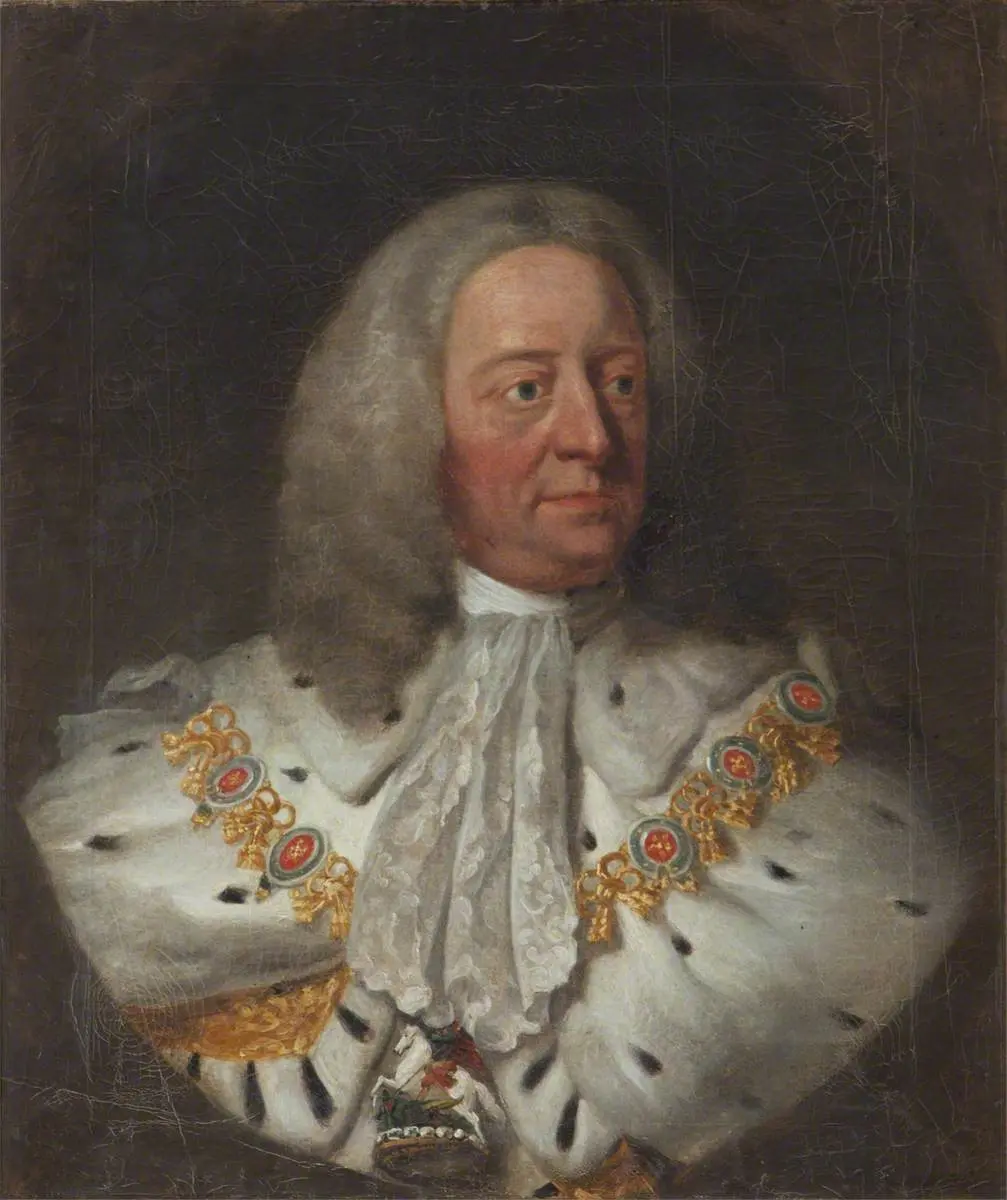
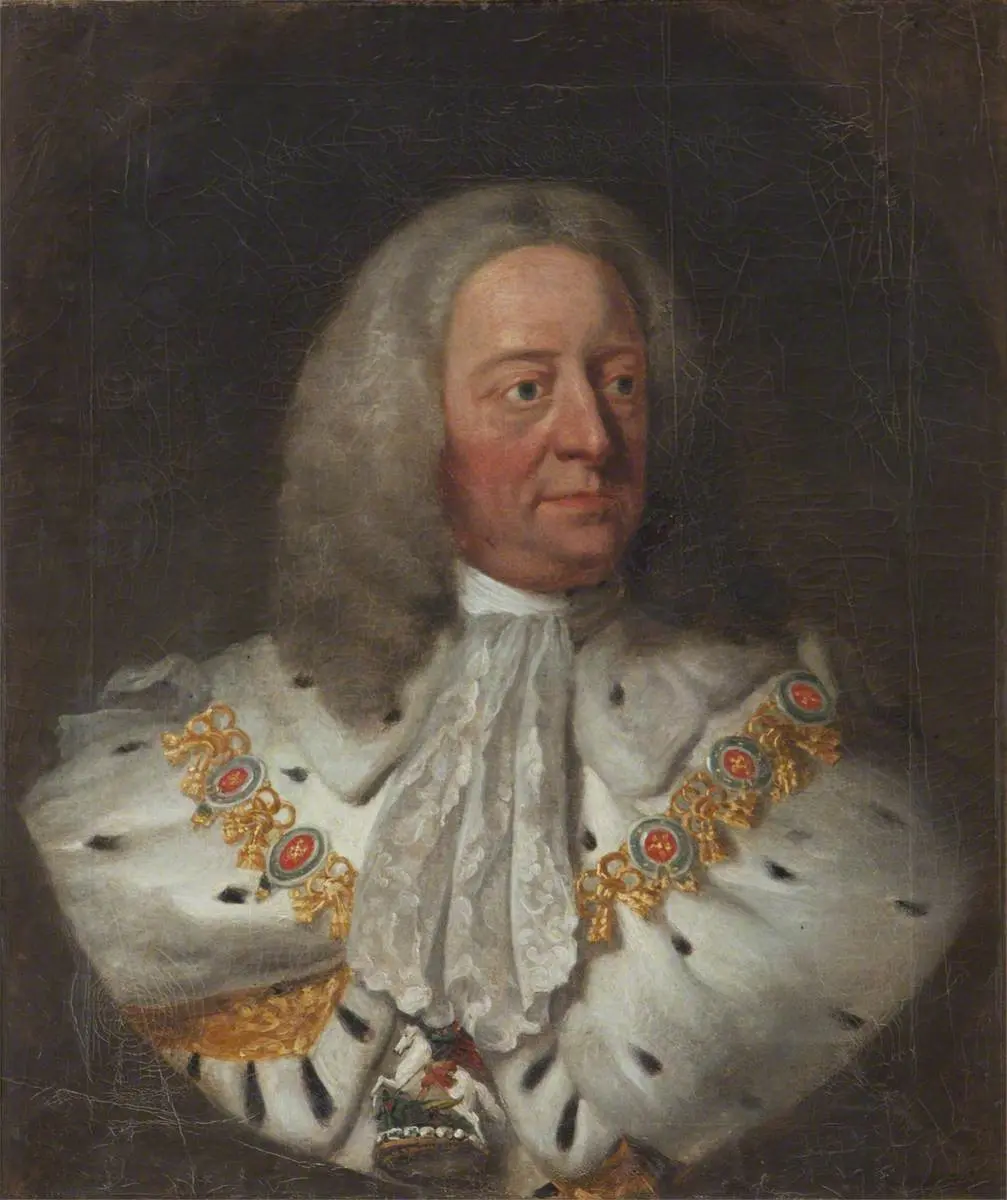
The final "October king" on this list is George II, whose birth on October 30, 1683, in Hanover, Germany, offered no immediate indication of his future sovereignty. His mother, Sophia Dorothea of Celle, gave birth to a son who was, at that moment, heir to a dukedom. However, the intricate web of European royal succession and the absence of Protestant heirs within the British royal family dramatically altered his destiny. Seventeen years later, his father, George, Elector of Hanover, was transformed into the heir to the British throne. The Act of Settlement of 1701 cemented the Hanoverian succession, ensuring a Protestant monarch after Queen Anne. By 1706, George had become Duke of Cambridge, and the Hanoverians were poised to assume leadership of a kingdom across the North Sea.
George II finally arrived in England in 1714, accompanying his father who ascended the throne as George I. He ascended to the throne himself in 1727, initiating a reign that would span an impressive 33 years. His reign was characterized by significant foreign policy challenges, including the War of the Austrian Succession and the Seven Years’ War, where British forces achieved notable victories, particularly under the leadership of William Pitt the Elder. George II was the last British monarch to lead his troops into battle, a testament to his personal courage and his active engagement in military affairs. His reign also saw the consolidation of the Hanoverian dynasty and the further development of parliamentary government. For now, George II remains the last monarch to celebrate a birthday in this evocative autumnal month, closing the chapter on the "October kings" and leaving behind a legacy of both continuity and change in the evolution of the British monarchy. His reign solidified the role of the monarch as a constitutional figurehead, paving the way for the more symbolic role of the sovereign in the modern era.


 Yuyun Lusiyani
 Ana Megawati
 Joko Widodo
 Jia Lissa
 Pevita Pearce