
 Jia Lissa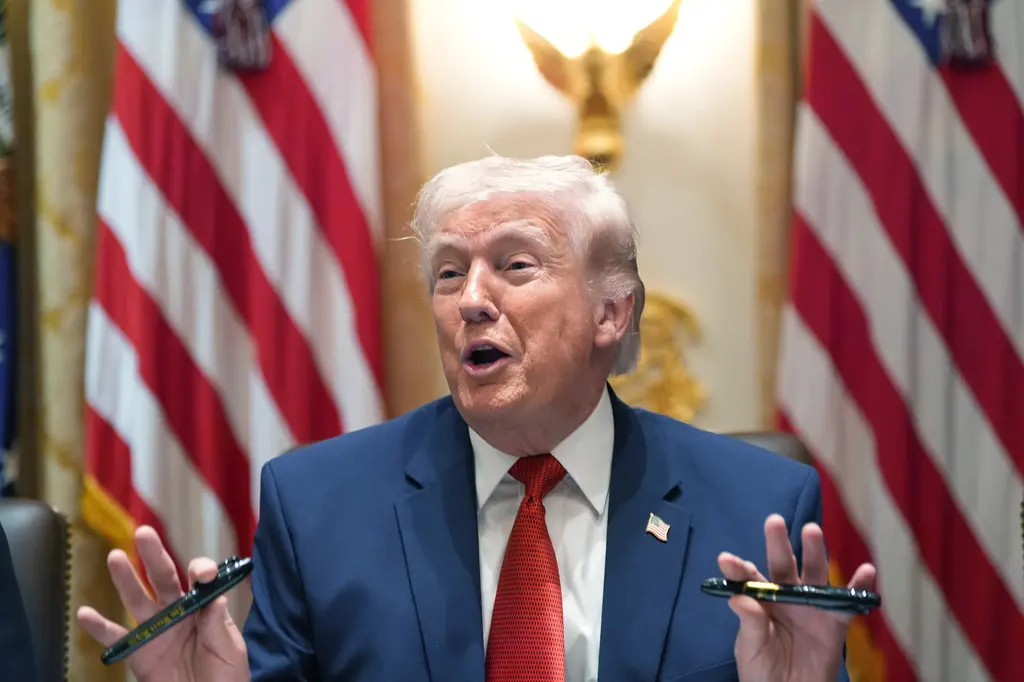
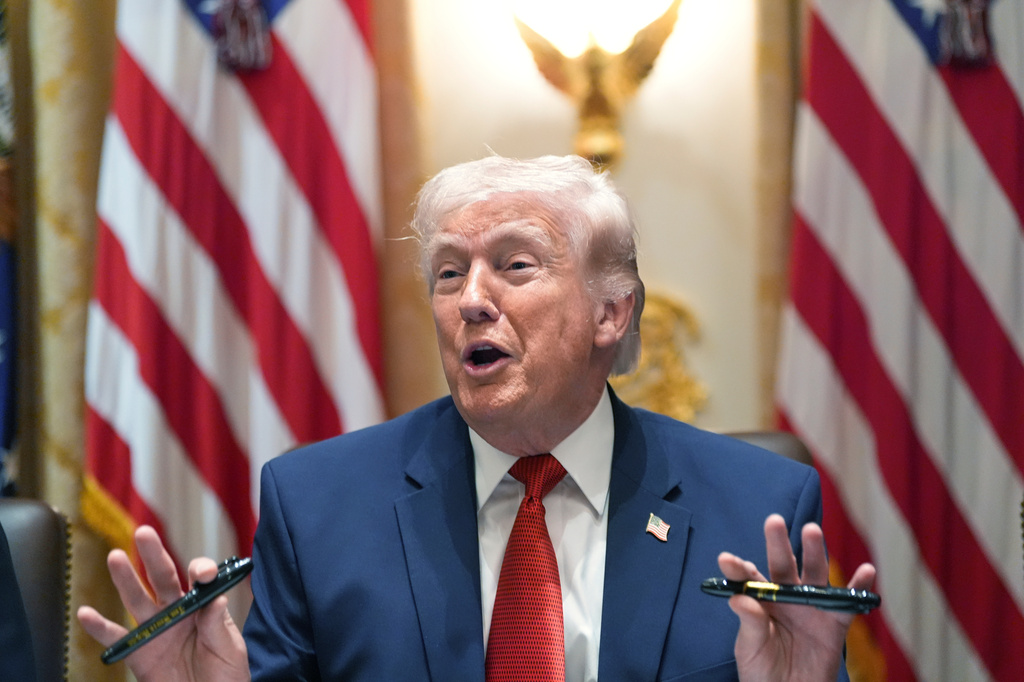
President Donald Trump ignited a firestorm of controversy on Friday by announcing a major agreement with Russian President Vladimir Putin to import millions of tons of diesel fuel into the United States. The move, which necessitates a significant easing of recently imposed sanctions on the Russian energy sector, was framed by the White House as a necessary step to stabilize domestic fuel prices and provide relief to American consumers, particularly farmers and truckers, ahead of the 2026 midterm elections. The announcement marks a dramatic pivot from the administration’s previous stance, coming only weeks after the President signed a rigorous sanctions package aimed at further isolating the Kremlin due to the ongoing conflict in Ukraine.
The President disclosed the details of the agreement through a series of posts on Truth Social, describing the deal as a "highly successful" result of direct negotiations with Vladimir Putin. According to the President, the agreement stipulates that Russia will immediately supply 300,000 tons of diesel fuel to the American and global markets. This initial shipment is to be followed by another 500,000 tons in November and an additional 1,000,000 tons shortly thereafter. The long-term scope of the deal includes a projected delivery of 3,000,000 tons of diesel fuel, contingent on the operational status of Russian refineries.
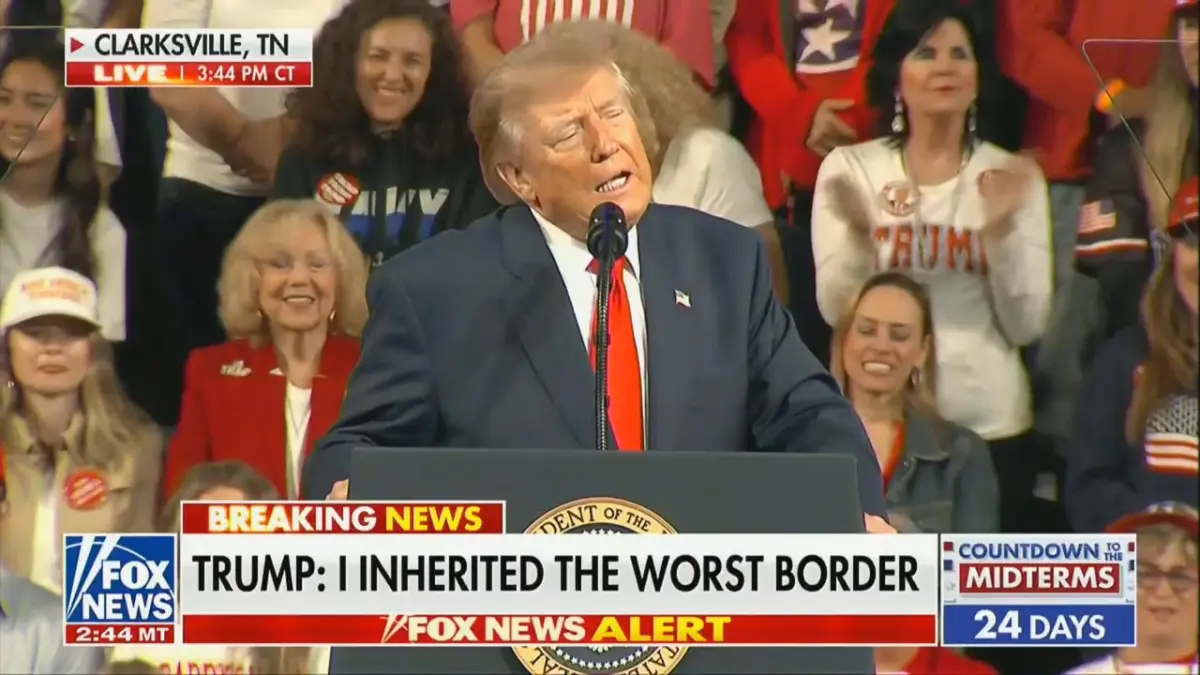
"Lower prices for Americans, especially our Great Farmers, Ranchers, and Truckers, is my Greatest Priority," the President stated, asserting that the influx of Russian energy, combined with what he described as "TOTAL CONTROL" of the Strait of Hormuz, would cause diesel prices to drop "in record numbers, and fast." He also tethered the energy announcement to broader geopolitical goals, concluding his statement with a declaration that "Iran will not have a Nuclear Weapon."
Chronology of the Policy Reversal
The sudden shift in policy has left many in Washington reeling, given the legislative context of the preceding month. Only three weeks ago, President Trump signed into law a bipartisan sanctions bill championed by the late Senator Lindsey Graham (R-SC). That legislation was designed to place an "economic stranglehold" on the Russian Federation, specifically targeting its energy exports to deplete the resources available for its military operations in Ukraine.
The Graham-sponsored bill included provisions that granted the executive branch the authority to impose tariffs of up to 100% on any nation or entity purchasing Russian oil and gas. The intent was to finalize the "de-coupling" of Western economies from Russian energy, a process that began in earnest in 2022. Critics note that the President’s new deal appears to directly undermine the spirit, if not the letter, of the very legislation he recently codified.
The timeline of the administration’s energy policy in 2026 has been marked by volatility. Early in the year, the administration emphasized domestic production and "energy dominance." However, as the midterm elections approached and global supply chain disruptions persisted—partially due to ongoing tensions in the Middle East and the blockade of shipping lanes—diesel prices in the U.S. reached levels that threatened the profitability of the agricultural and logistics sectors.
Supporting Data and Economic Context
The scale of the promised Russian imports is substantial. A metric ton of diesel fuel is roughly equivalent to 7.33 barrels. Therefore, the immediate 300,000-ton shipment represents approximately 2.2 million barrels of diesel. The ultimate goal of 3,000,000 tons would equate to roughly 22 million barrels. To put this in perspective, the United States consumes approximately 4 million barrels of distillate fuel oil (mostly diesel) per day. While the Russian imports would not replace domestic production, they would provide a significant "buffer" to the national inventory, which has been at historically low levels throughout 2026.
Economists point out that diesel is the "workhorse" of the global economy. It powers the trucks that deliver goods, the tractors that harvest crops, and the ships that move international freight. High diesel prices are a primary driver of "cost-push" inflation, as transportation costs are passed directly to consumers in the form of higher prices for groceries and consumer goods. By targeting diesel specifically, the administration is attempting to lower the Consumer Price Index (CPI) in a visible way before voters head to the polls.
However, the reliance on Russian supply introduces significant market risks. Analysts from the energy sector have raised questions regarding the "condition of Russian refineries," a caveat mentioned in the President’s own announcement. Ukrainian drone strikes and international maintenance sanctions have reportedly degraded Russia’s refining capacity over the past year. Relying on this infrastructure to stabilize American prices is viewed by some market analysts as a high-stakes gamble.
Bipartisan Backlash and Official Reactions
The reaction from Capitol Hill and the media was swift and largely critical, spanning the political spectrum. Many lawmakers expressed concern that the deal provides a financial lifeline to the Kremlin at a time when the Ukrainian military is engaged in a critical counter-offensive.
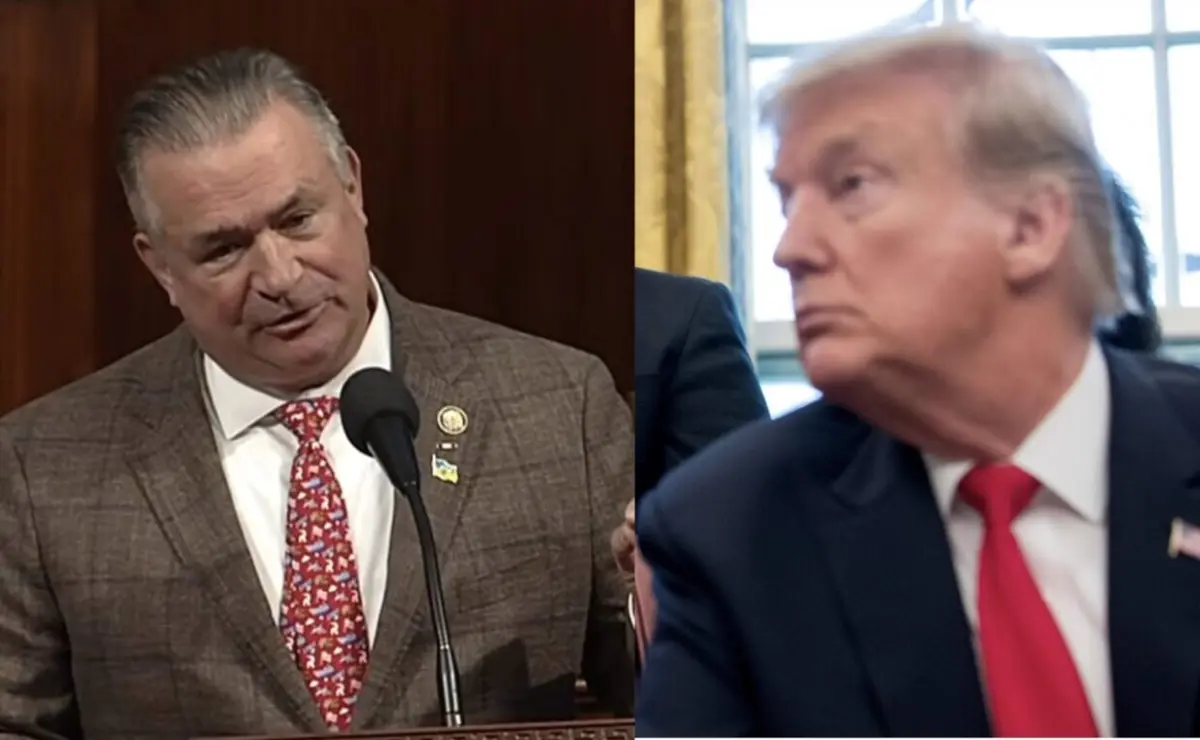
Outgoing Representative Don Bacon (R-NE) issued a stinging rebuke of the decision, highlighting the moral implications of the deal. "70% of Americans support Ukraine," Bacon noted. "Propping up Putin’s war economy is morally wrong as he uses that money to bomb cities. The President’s policies towards Russia and Ukraine are failures. We need moral clarity, not moral ambiguity."
The sentiment was echoed by foreign policy experts who argue that the deal undermines years of diplomatic efforts to convince European allies to stop buying Russian energy. NBC News Chief White House Correspondent Garrett Haake observed, "The US has spent years leaning on European and other allies to wean themselves off of Russian oil. Now, with midterms approaching and US fuel prices a dominant issue, the President makes a deal for huge amounts of Russian oil."
On the economic front, Catherine Rampell of the Washington Post questioned the internal logic of the administration’s trade policy. She pointed out the irony of the President negotiating for Russian oil while having recently signed a bill that allows for 100% tariffs on Russian energy imports. "Does this mean we will soon start tariffing ourselves?" she asked, highlighting the legislative contradiction.
Geopolitical Implications and the Strait of Hormuz
A particularly scrutinized aspect of the President’s announcement was his claim of "TOTAL CONTROL" over the Strait of Hormuz. The Strait is a vital maritime artery through which approximately one-fifth of the world’s total oil consumption passes. While the U.S. Navy maintains a significant presence in the region to ensure the freedom of navigation, the claim of "total control" was met with skepticism by defense analysts.
Jonah Goldberg of The Dispatch argued that the very necessity of the Russian deal suggests that U.S. control over global energy transit is not as absolute as the President claims. "We don’t have ‘TOTAL CONTROL’ of the Strait of Hormuz," Goldberg wrote. "If we did, Trump wouldn’t feel the need to buy diesel from Putin and further fund the carnage in Ukraine. The blockade is working, but not to the point where insurance, logistics, and staffing costs aren’t a huge driver."
Furthermore, the mention of Iran in the context of a Russian energy deal suggests a complex "grand bargain" may be in play. Critics fear that in exchange for lower energy prices and Russian cooperation on Iran, the administration may be prepared to reduce its support for Ukraine or recognize Russian territorial gains. Luke McGee of CNN described the move as "possibly the worst bit of Kremlin appeasement from Trump yet," noting that the optics provide a significant propaganda victory for Putin.
Analysis of Potential Impacts
The implications of this policy shift are three-fold: economic, political, and strategic.
1. Economic Impact: If the Russian diesel arrives in the volumes promised, it is highly likely that wholesale diesel prices will drop. This could provide a temporary reprieve for the American trucking and farming industries. However, if the shipments are delayed due to the "refinery conditions" mentioned by the President, or if they are intercepted, the market could see even greater volatility due to the uncertainty.
2. Political Impact: The move is a transparent attempt to neutralize the "high gas prices" narrative used by the opposition ahead of the midterms. However, it risks alienating the "hawk" wing of the Republican party and voters who are committed to the defense of Ukraine. The administration is betting that the average voter cares more about the price of a gallon of fuel than the nuances of Eastern European sanctions policy.
3. Strategic Impact: The deal potentially fractures the Western alliance. Having pressured countries like Germany and Italy to make the difficult and expensive transition away from Russian gas, the U.S. now importing Russian diesel for domestic political gain may be seen as a betrayal of its allies. This could lead to a broader breakdown in the international sanctions regime against Russia.
As the first shipments of Russian diesel are prepared for transit, the world will be watching to see if this deal delivers the promised economic relief or if the political and moral costs will outweigh the benefits at the pump. For now, the administration remains firm in its stance that American energy security and consumer prices must take precedence over the geopolitical isolation of the Kremlin.

 Yuyun Lusiyani
 Ana Megawati
 Joko Widodo
 Eva Lovia
 Pevita Pearce