
 admin
admin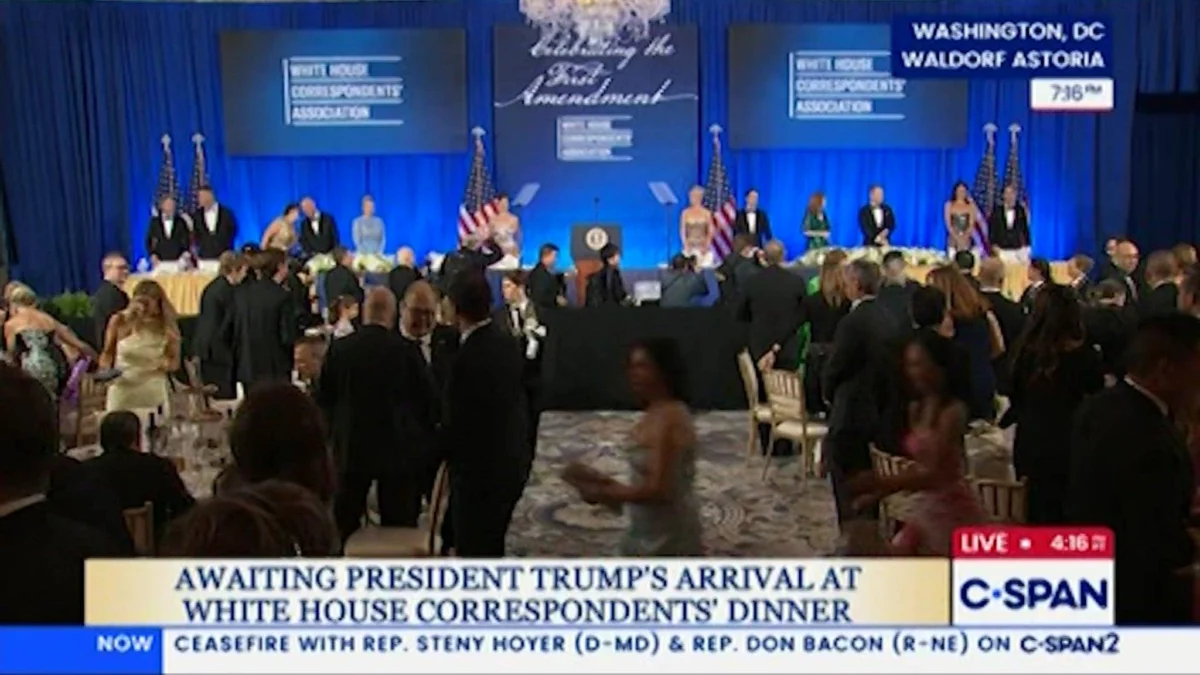
The Rescheduled Gala: A Return Under Scrutiny
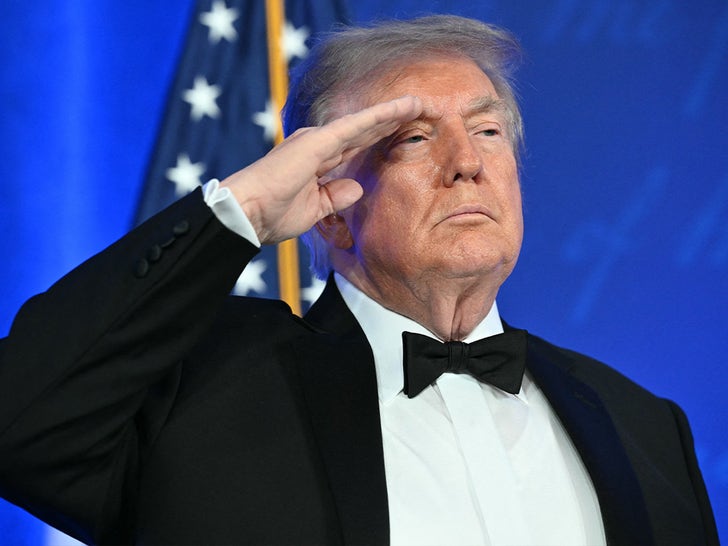
The evening commenced shortly after 5:00 PM PDT (8:00 PM EDT), drawing a diverse assembly of journalists, politicians, and celebrities to the grand ballroom of the Waldorf Astoria. The atmosphere, while attempting to recapture its traditional festive spirit, was undeniably underscored by the recent past. President Donald Trump’s arrival was heralded by the familiar strains of "Hail to the Chief," as he ascended the stage, a customary protocol for the nation’s commander-in-chief at the event. Dressed in a classic black suit and a matching bow tie, the President attended solo, a notable absence being that of First Lady Melania Trump. His demeanor during the National Anthem, observed as a forehead salute rather than the hand-over-heart gesture adopted by many attendees, drew subtle attention, reflecting a consistent individualistic approach to ceremonial protocols that has often characterized his public appearances.
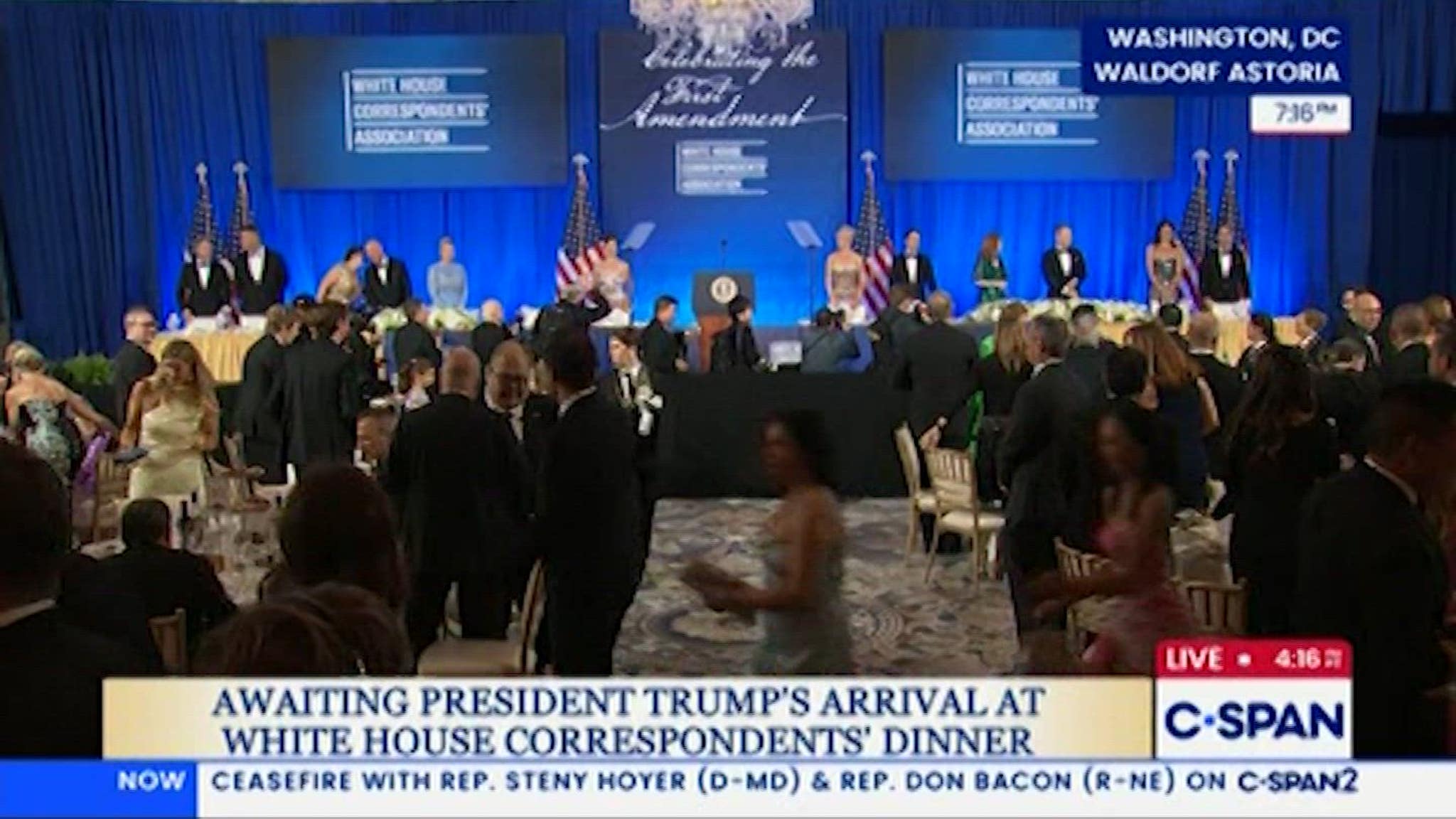
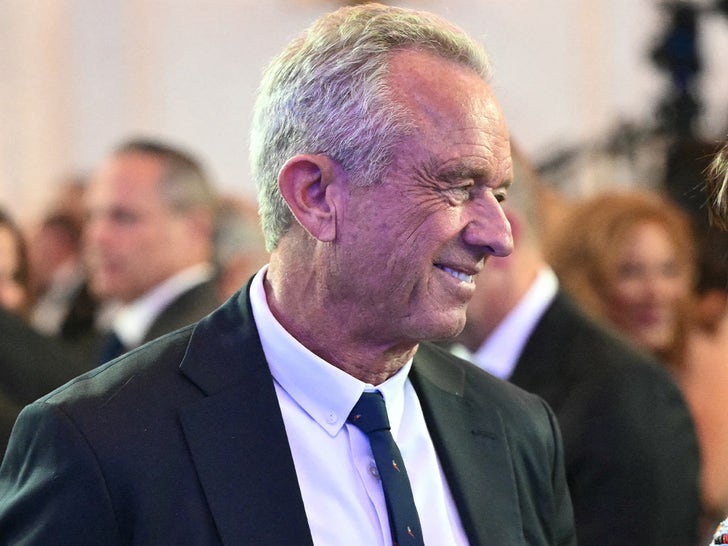
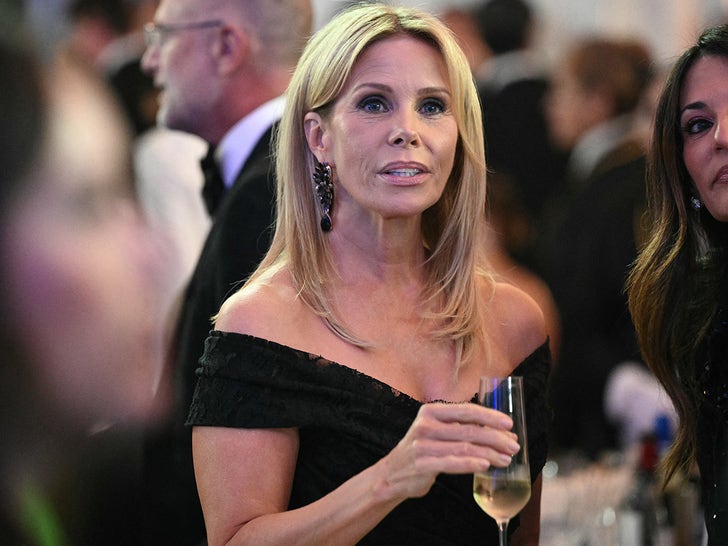
Among the other high-profile guests making their presence felt were Robert F. Kennedy Jr., an independent contender in the ongoing presidential race, and his wife, actress Cheryl Hines. Kennedy, sporting traditional black-tie attire, was seen engaging with guests, his wide grin a visible sign of his comfort within the Washington social circuit. Hines, elegantly clad in an off-shoulder black dress, was observed sipping champagne, embodying the blend of political and entertainment spheres that defines the dinner. Their attendance underscored the event’s enduring appeal across various influential sectors, from established political figures to emerging challengers and their celebrity spouses. Inside the ballroom, the tables were laden with the trappings of a high-end gala: multiple bottles of wine, elaborate full plates of food, and towering displays of macarons, signaling an intent by organizers to provide an experience of luxury and normalcy despite the underlying tensions. Dinner service initiated the proceedings, with President Trump slated to deliver his remarks later in the evening, a speech traditionally blending humor, reflection, and policy points, often serving as a barometer of the administration’s relationship with the press.
Echoes of Disruption: The April Incident’s Lingering Impact
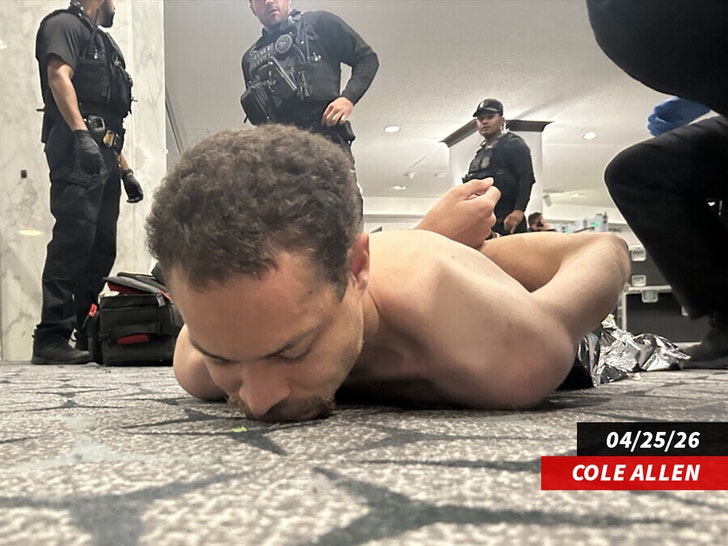
The decision to reschedule the White House Correspondents’ Dinner to July 24 was a direct consequence of a grave security breach that marred the original event in April. On the evening of April 26, 2026, the Washington Hilton, the traditional venue for the dinner for decades, became the scene of a terrifying incident. A suspected gunman, later identified as Cole Tomas Allen, allegedly stormed through the hotel lobby, causing widespread panic and a rapid evacuation of attendees. Initial reports indicated that Allen had planned to target multiple members of the Trump administration, disrupting what was meant to be a celebratory gathering of the press and the executive branch. The chaotic scene, which unfolded mere moments before the President and other dignitaries were set to arrive or were already inside, led to an immediate lockdown and ultimately the unprecedented postponement of the dinner.
The incident sent shockwaves through Washington D.C. and beyond, prompting a comprehensive review of security protocols for high-profile events involving government officials. The White House Correspondents’ Association (WHCA), in consultation with the Secret Service and local law enforcement, swiftly announced the rescheduling, emphasizing that the safety of attendees was paramount. This marked a significant departure from the dinner’s nearly century-long history, highlighting the escalating challenges of securing public figures in an increasingly polarized political climate. The memory of the April disruption undeniably cast a long shadow over the July event, influencing every aspect from logistical planning to the palpable sense of vigilance among organizers and attendees. The incident served as a stark reminder of the vulnerabilities inherent even in the most protected environments, necessitating a re-evaluation of how such high-stakes gatherings could be safely conducted.
Fortress Waldorf Astoria: Unprecedented Security Measures
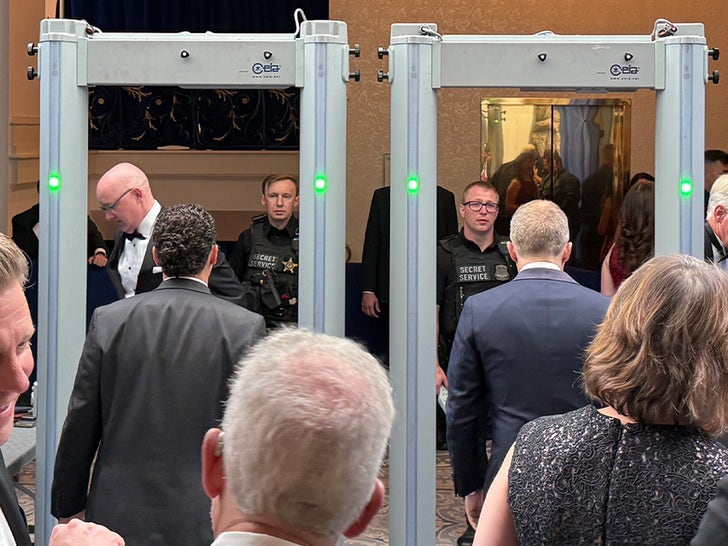
In light of the April incident, security at the Waldorf Astoria was described as "tight," a significant understatement given the visible and extensive precautions undertaken. Every entry point to the luxurious hotel was fortified with multiple layers of security. Guests underwent stringent checks, including metal detectors, comprehensive bag screenings, and thorough identification verification processes. Uniformed Secret Service agents, alongside local metropolitan police and private security personnel, formed a formidable presence, both inside the ballroom and throughout the hotel’s perimeter. Canine units were reportedly deployed for explosive detection sweeps hours before guests began to arrive. Rooftop snipers were speculated to be in position, and traffic around the hotel was meticulously controlled, with several streets partially or fully closed to ensure a secure cordon.
This formidable security apparatus represented a marked escalation from previous years, even those attended by sitting presidents. The objective was clear: to prevent any repeat of the April chaos and ensure the complete safety of all attendees, particularly President Trump and other high-ranking government officials. The presence of such a visible security detail, while reassuring to some, also served as a constant visual reminder of the underlying threat that necessitated the rescheduling. Organizers had clearly invested heavily in transforming the Waldorf Astoria into a temporary fortress, balancing the need for impregnable security with the desire to maintain a semblance of the gala’s traditional elegance and conviviality. This robust security posture was widely communicated to guests in advance, underscoring the seriousness with which the authorities approached the rescheduled event.
A Presidential Presence: Tradition, Tensions, and Trump
President Trump’s decision to attend the White House Correspondents’ Dinner in July 2026 carried significant symbolic weight, especially considering his often-contentious relationship with the press. Historically, presidential attendance at the WHCD has been a cornerstone of the event, signifying a recognition of the media’s role and a moment for the President to engage in a lighter, self-deprecating exchange with journalists. However, President Trump’s previous interactions with the dinner have been varied. During his first term, he notably skipped the dinner for several years, a decision that broke with decades of tradition and underscored his frequent characterization of many news outlets as "fake news" and "enemies of the people." His return to the dais, therefore, could be interpreted in multiple ways: as an attempt to mend fences, a demonstration of institutional resilience following the April incident, or simply an adherence to a presidential duty in a new term.
His solo attendance, without First Lady Melania Trump, also resonated with past patterns, as she had also occasionally been absent from official events. While presidential spouses are not strictly required to attend, their presence often adds a layer of diplomatic grace and signals a united front. President Trump’s choice to attend alone, combined with his distinctive salute during the National Anthem, reinforced his image as a leader who operates on his own terms, even within highly formalized settings. His impending speech was eagerly anticipated, not only for its content but also for its tone. Would he lean into the traditional comedic roast, or would he use the platform to deliver a more serious message, perhaps addressing the very security concerns that led to the rescheduling, or even continuing his critique of media coverage? The anticipation surrounding his remarks underscored the dinner’s continued relevance as a forum for political communication, however fraught the relationship between the executive and the press might be.
The Guests and the Message: Beyond the President
Beyond the President, the presence of figures like Robert F. Kennedy Jr. and Cheryl Hines highlighted the dinner’s unique blend of political power, journalistic influence, and celebrity glamour. RFK Jr., as an independent presidential candidate, seized the opportunity to engage with a crucial audience of journalists and opinion-makers. His smiling interactions with guests suggested a campaign strategy aimed at broad appeal, utilizing the high-profile event to present a genial image and foster connections within the D.C. establishment. His wife, Cheryl Hines, a well-known actress, further amplified this crossover appeal, drawing attention from both political commentators and entertainment reporters. Their joint presence symbolized the increasing intersectionality of politics and pop culture, where celebrity status can significantly impact political visibility and public perception.
The White House Correspondents’ Dinner, since its inception in 1921, has served multiple purposes. It is a celebratory event for the White House Correspondents’ Association, an organization dedicated to promoting excellence in journalism and advocating for press freedom. A significant portion of the funds raised from the dinner goes towards scholarships for aspiring journalists, reinforcing the event’s underlying commitment to the future of the profession. Furthermore, it acts as a rare social occasion where journalists, often adversarial to the administration they cover, can gather in a more relaxed setting with government officials, fostering dialogue and understanding, however fleeting. The guest list typically comprises a who’s who of media titans, network anchors, influential columnists, senior administration officials, members of Congress, and a smattering of Hollywood stars, all converging under one roof. This convergence creates a unique dynamic, a temporary truce in the often-intense political battles, allowing for a shared appreciation of the democratic process, even amidst disagreements.
Outside the Gates: The Public’s Verdict
While inside the Waldorf Astoria, the elite of Washington and Hollywood mingled over gourmet food and fine wine, outside on the streets of Washington D.C., a different narrative unfolded. Protesters had gathered, their chants and signs providing a stark counterpoint to the glittering gala within. This external demonstration underscored the deep political polarization that characterizes contemporary American society, even impacting an event traditionally seen as a symbol of institutional civility. One particularly striking activist was observed wearing a Trump mask adorned with a crown, holding a sign that boldly declared, "The Insane Reign of Donald the Terrible." This imagery was a clear and pointed critique of the President and his administration, reflecting a segment of the public that remains vehemently opposed to his policies and leadership.
The presence of protesters is not uncommon at high-profile events in the nation’s capital, especially those involving the President. However, the context of this particular dinner—rescheduled due to a security threat targeting the administration—lent an added layer of tension to the demonstrations. The contrast between the opulent, exclusive event inside and the impassioned, public dissent outside highlighted the growing chasm between political elites and segments of the populace. The protesters, despite the enhanced security surrounding the venue, were determined to make their voices heard, serving as a powerful reminder that not all shared in the evening’s celebratory atmosphere. Their presence served as a symbolic echo of the broader national conversation, one often marked by sharp divisions and fervent opposition, even as the mechanisms of government and media attempted to resume a semblance of normalcy.
Historical Context: The WHCD Through the Years
The White House Correspondents’ Dinner has a rich and complex history, evolving significantly since its inaugural gathering in 1921. Initially conceived as an intimate gathering for journalists covering the White House, it quickly grew in prominence, becoming a key event for presidents to engage with the press corps. President Calvin Coolidge was the first president to attend in 1924, establishing a tradition that largely continued for decades. The dinner became known for its blend of serious remarks, often by the President, and lighthearted humor, typically delivered by a celebrity comedian host. This format allowed for a brief respite from the often-adversarial relationship between the executive branch and the Fourth Estate, fostering a unique sense of shared purpose and even camaraderie.
Over the years, the dinner has witnessed numerous memorable moments, from President John F. Kennedy’s witty remarks to President Ronald Reagan’s folksy charm. It has also faced criticism, particularly in recent decades, for becoming too celebrity-focused and for blurring the lines between journalism and entertainment. Debates have arisen regarding its continued relevance and whether it genuinely serves to improve press-White House relations or merely provides a platform for performative civility. The decision by some presidents, including Donald Trump for several years of his first term, to skip the dinner sparked renewed discussions about the event’s significance and whether presidential attendance should be considered obligatory. The 2026 rescheduled dinner, therefore, carried not only the weight of recent events but also the full historical tapestry of an institution that has long symbolized the intricate dance between power and the press in American democracy.
Broader Implications: Media, Politics, and Security in a New Era
The 2026 White House Correspondents’ Dinner, reshaped by a serious security incident and held amidst a politically charged atmosphere, offers a significant barometer of the current state of American media, politics, and national security. The mere act of rescheduling and proceeding with the event, despite the prior threat, speaks to a collective determination to uphold institutional traditions and demonstrate resilience in the face of adversity. However, the pervasive security measures and the vocal protests outside the venue served as undeniable evidence that the era of uncontroversial, purely celebratory political galas may be a relic of the past.
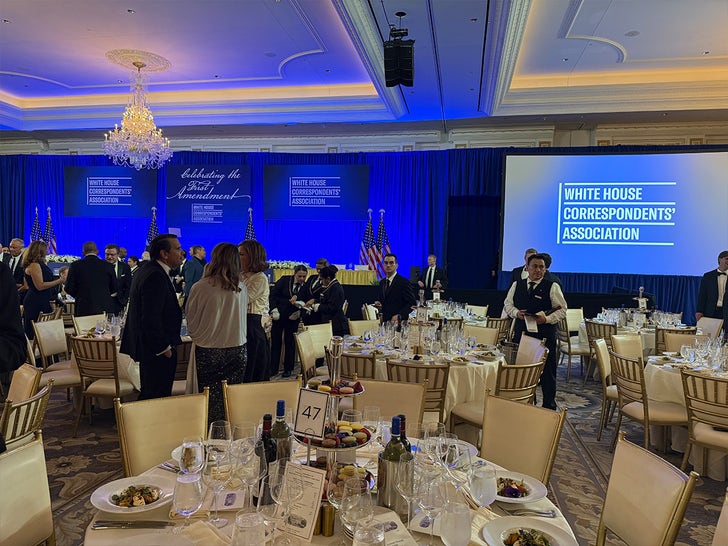
The dinner continues to highlight the complex and often strained relationship between the presidency and the press. President Trump’s attendance, while a return to tradition for a sitting president, did not erase years of rhetoric critical of the media. His speech, once delivered, would be scrutinized not just for its content but for any signals it might send regarding future press relations. Similarly, the presence of figures like RFK Jr. underscored the evolving political landscape, where established norms are challenged, and new pathways to influence are constantly being forged.
Perhaps most profoundly, the 2026 WHCD underscored the ongoing and escalating challenge of ensuring security at high-profile events in a hyper-polarized nation. The April incident was a chilling reminder of the very real threats faced by public officials and the need for constant vigilance. The measures implemented at the Waldorf Astoria set a new precedent for security protocols, potentially influencing how future political and social gatherings are organized. As the evening concluded and attendees dispersed, the dinner left behind not just memories of speeches and champagne, but a powerful commentary on the resilience of American institutions, the persistent tensions in its political discourse, and the enduring, yet increasingly complex, role of the press in a nation navigating a challenging new era.


 Yuyun Lusiyani
 Joko Widodo
 Eva Lovia
 Pevita Pearce

 Lina Irawan