
 admin
admin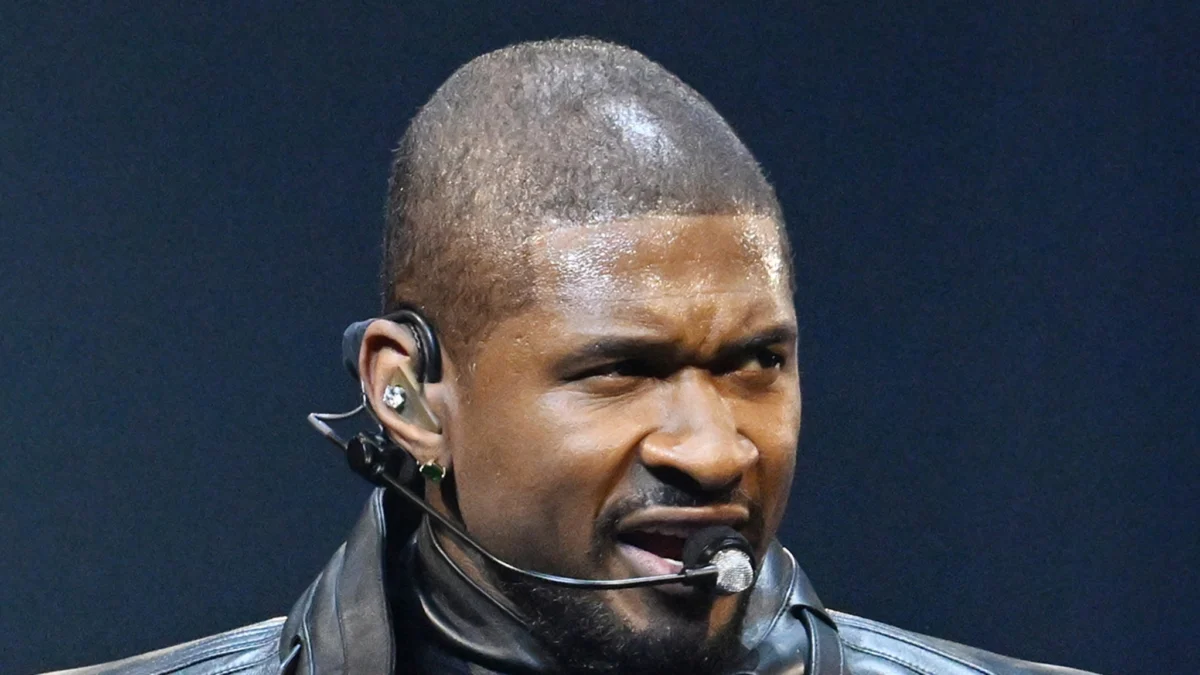
R&B superstar Usher found himself at the center of a burgeoning online debate following an intimate moment during his Nashville concert on Saturday night, July 26, 2026. The Grammy-winning artist, known for his charismatic stage presence and close fan interactions, attempted a signature steamy serenade with an audience member brought onstage. However, the fan’s visibly reserved reaction led Usher to promptly conclude the interaction, a moment that quickly went viral and ignited extensive discussion across social media platforms regarding performer boundaries, fan expectations, and the complexities of live entertainment in the digital age.
The "Usher Experience": A Legacy of Intimate Performance
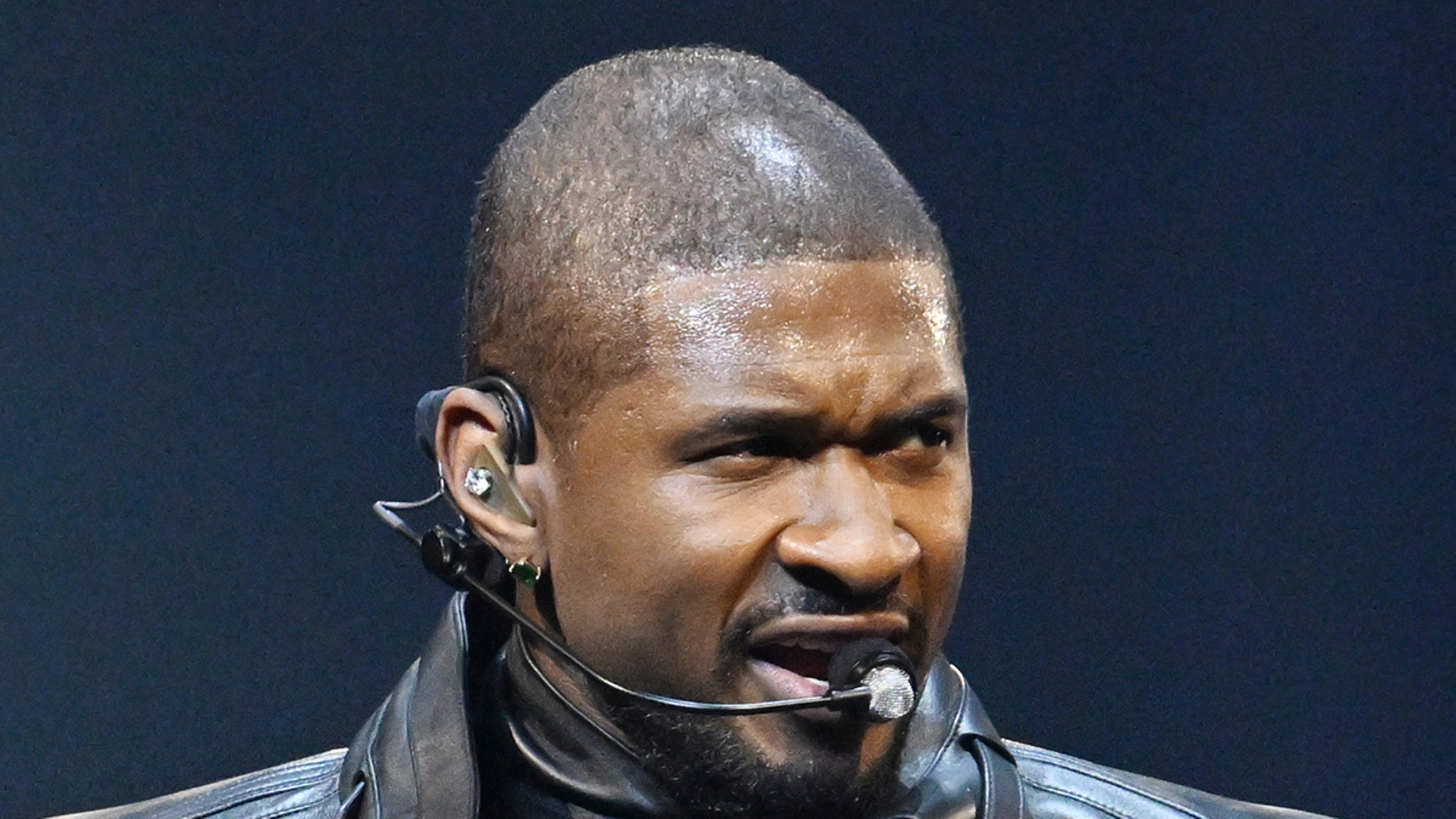
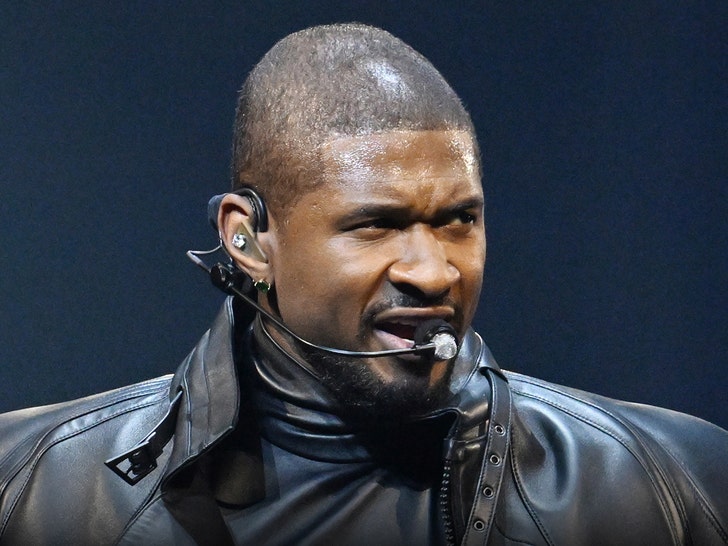
Usher Raymond IV, a prolific figure in rhythm and blues for over three decades, has cultivated a reputation for delivering electrifying live performances characterized by elaborate choreography, powerful vocals, and a profound connection with his audience. His concerts, particularly his highly acclaimed Las Vegas residency and recent touring engagements, frequently feature segments where fans are invited onto the stage for personal interactions, often culminating in a sensual serenade. This "Usher Experience" has become synonymous with a certain fantasy for many attendees, eager to share a moment with the R&B icon. His tours, consistently drawing hundreds of thousands of fans globally, boast high engagement rates, with many attendees actively sharing their concert experiences online. The artist’s ability to create a sense of intimacy within vast arenas has been a cornerstone of his enduring appeal, setting a precedent for what fans often anticipate from his shows.
Chronology of the Nashville Incident
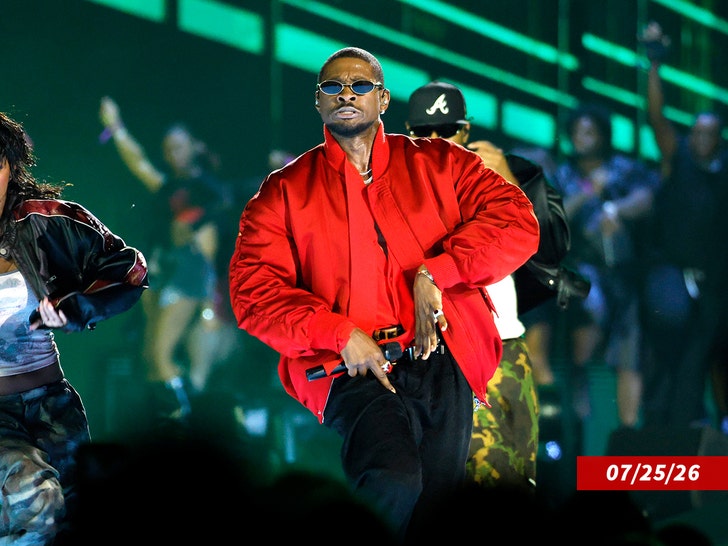
The sequence of events unfolded during Usher’s performance in Nashville, part of his ongoing tour which also features Chris Brown.
- Pre-Show Upgrade: Gabrielle Cheyenne, accompanied by her mother, initially held floor seats for the concert. They were later approached by Usher’s production team and offered a VIP upgrade, which included a prime seating location closer to the stage. Cheyenne later clarified that at the time of the upgrade, she was not explicitly informed which performer she would be joining onstage, given that both Usher and Chris Brown are headlining acts on the tour. This detail became crucial in her subsequent public statements, suggesting a potential misalignment between the production team’s communication and the fan’s understanding of her role.
- The Serenade Attempt: During one of Usher’s signature segments, he approached Gabrielle Cheyenne, who was seated on a chair on stage. Video footage captured Usher, shirtless and exuding his characteristic stage charisma, leaning in closely to serenade her. The interaction was designed to be intimate and engaging, consistent with his established performance style.
- The Reserved Reaction: Contrary to the effusive reactions typically seen from fans brought onstage with Usher, Gabrielle Cheyenne maintained a visibly reserved demeanor. Her body language, while not overtly hostile, conveyed a sense of discomfort or perhaps surprise, lacking the enthusiastic engagement that often accompanies such moments. She did not reciprocate the intensity of the serenade, leading to a palpable shift in the dynamic.
- Usher’s Response: Noticing her subdued reaction, Usher paused his performance. He then addressed the crowd, stating, "I don’t think she wanna be onstage, y’all," effectively bringing the intimate encounter to an abrupt, albeit polite, end. His quick withdrawal demonstrated an apparent awareness of her discomfort and a professional decision to respect her perceived boundaries, preventing a potentially more awkward situation.
- Immediate Viral Spread: Within hours of the incident, videos captured by other concertgoers proliferated across social media platforms like Instagram, TikTok, and X (formerly Twitter). The clip rapidly garnered millions of views, shares, and comments, becoming a trending topic. The speed at which the footage circulated underscored the pervasive influence of social media in shaping public narratives around live events.
The Online Roasting and Gabrielle Cheyenne’s Defense
The immediate online reaction was largely critical of Gabrielle Cheyenne. Many social media users "roasted" her, accusing her of "fumbling a fantasy" that countless fans would covet. Comments ranged from humorous exasperation to outright condemnation, suggesting she had wasted a once-in-a-lifetime opportunity. The prevailing sentiment among these critics was that she should have embraced the moment with more enthusiasm, aligning with the expected fan reaction to an Usher serenade.
However, Gabrielle Cheyenne quickly took to her own social media channels to offer her perspective, providing crucial context and challenging the narrative that had emerged.
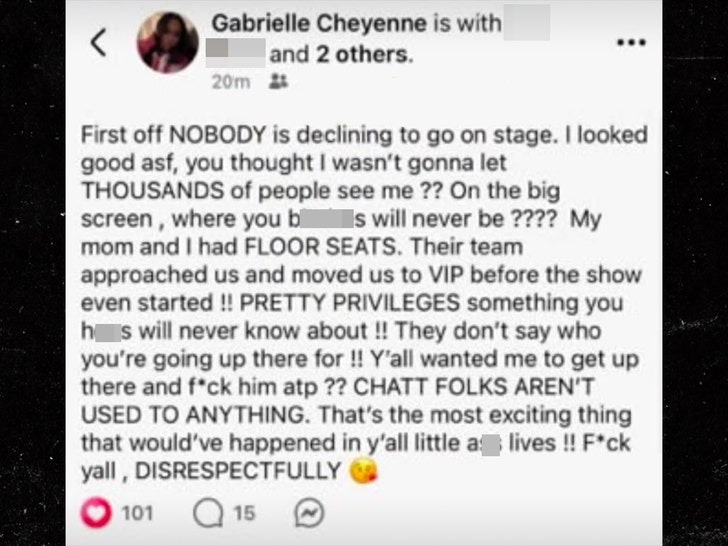
- Clarifying the "No" Narrative: She directly refuted claims that she had "declined" to go onstage, emphasizing that she had accepted the VIP upgrade. Her point was that her reserved reaction was not a rejection of the spotlight itself, but rather a consequence of circumstances and her personal temperament.
- Lack of Prior Information: Cheyenne highlighted that she wasn’t explicitly told she would be joining Usher. This detail is significant, as it suggests a potential gap in communication from the production team, which could have contributed to her unexpectedness and subsequent demeanor. Had she known it was Usher specifically, her preparation or expectations might have differed.
- Rejecting Physical Expectations: She openly mocked critics who seemingly expected her to engage in a more "physical" or overtly sensual manner with Usher in front of the entire arena. This statement underscored her discomfort with the implied expectations of the serenade and her right to define her own boundaries during a public interaction.
- Defending Her Temperament: Cheyenne described herself as "quiet in real life" and asserted that her "attitude only turns nasty" when provoked. She declared that she would not allow strangers to bully her over an experience they did not get to have, firmly defending her personal space and reaction against the onslaught of online criticism.
- Not Rejecting Spotlight, But Expected Reaction: Ultimately, Gabrielle Cheyenne clarified that she was not rejecting the spotlight itself, as she was comfortable appearing on the venue’s jumbotrons for thousands to see. Instead, she stated she simply "wasn’t ready to give Usher the reaction his fans wanted," drawing a clear distinction between being present and performing to external expectations.
Broader Implications: Fan Engagement, Consent, and Performer Responsibility
The Nashville incident, though seemingly minor, has sparked a broader discourse on several critical aspects of live entertainment in the modern era.
- Evolving Norms of Fan Interaction: The ubiquitous presence of smartphones and social media has fundamentally altered the dynamics of live concerts. Every moment is potentially recorded, scrutinized, and shared, transforming private interactions into public spectacles. This constant surveillance raises questions about how artists and fans navigate spontaneous moments, knowing they are under perpetual digital scrutiny.
- Consent and Boundaries in Performance: While accepting an invitation to come onstage implies a level of consent to participate, the precise nature and extent of that participation can often be ambiguous. This incident highlights the subtle yet crucial difference between implicit consent to be on stage and explicit consent for specific types of intimate interaction. It opens a dialogue on whether concert production teams should be more explicit with fans about what might be expected of them during onstage segments, allowing individuals to make fully informed decisions about their comfort levels.
- Performer Responsibility and Awareness: Usher’s quick recognition of Gabrielle Cheyenne’s discomfort and his decision to back off can be interpreted as a demonstration of performer responsibility. In an industry where "the show must go on" often reigns supreme, his choice to prioritize the fan’s apparent comfort over maintaining the expected performance arc offers a nuanced example of an artist adapting to the moment. This responsiveness is increasingly valued in an era sensitive to issues of personal space and consent.
- Audience Expectations vs. Individual Reality: The online backlash against Gabrielle Cheyenne vividly illustrates the clash between collective audience expectations and an individual’s personal reality. Many fans project their own "fantasy" onto those chosen for onstage interactions, creating an implicit pressure for the chosen individual to fulfill that role. When an individual does not conform, they become subject to public criticism, revealing a disconnect between the idealized concert experience and the diverse reactions of real people.
- Impact on Future Fan Engagement: This incident could potentially influence how artists and their teams approach fan engagement segments in the future. It may lead to more explicit briefings for fans brought onstage, clearer communication about the nature of interactions, or even a re-evaluation of the types of interactions deemed appropriate in public forums. The goal would be to balance the desire for spontaneous, engaging moments with a heightened awareness of individual comfort and consent.
Industry Perspectives and the Digital Age
From an industry standpoint, incidents like these present a dual challenge. On one hand, viral moments, even those born from awkwardness, generate significant online buzz and media coverage, contributing to an artist’s visibility. On the other hand, negative or controversial viral moments can carry reputational risks, potentially alienating portions of the audience or sparking broader discussions about ethical practices in live entertainment. Concert promoters and artist management teams are increasingly navigating this complex landscape, aiming to maximize engagement while mitigating potential PR pitfalls. The rapid response of Gabrielle Cheyenne to control her own narrative also underscores the power of individuals in the digital age to challenge and reshape public perception, often directly bypassing traditional media filters.
In conclusion, Usher’s Nashville serenade, intended as a moment of intimate fan connection, inadvertently became a catalyst for a multifaceted discussion. It highlighted the intricate interplay between an artist’s established performance style, the evolving expectations of a digitally connected audience, and the fundamental right of individuals to maintain their personal boundaries, even under the glare of the spotlight. As live entertainment continues to evolve, this incident serves as a poignant reminder of the ongoing dialogue required to ensure that fan engagement remains a positive and respectful experience for all involved.


 Yuyun Lusiyani
 Joko Widodo
 Eva Lovia
 Pevita Pearce

 Lina Irawan