
 Ana Megawati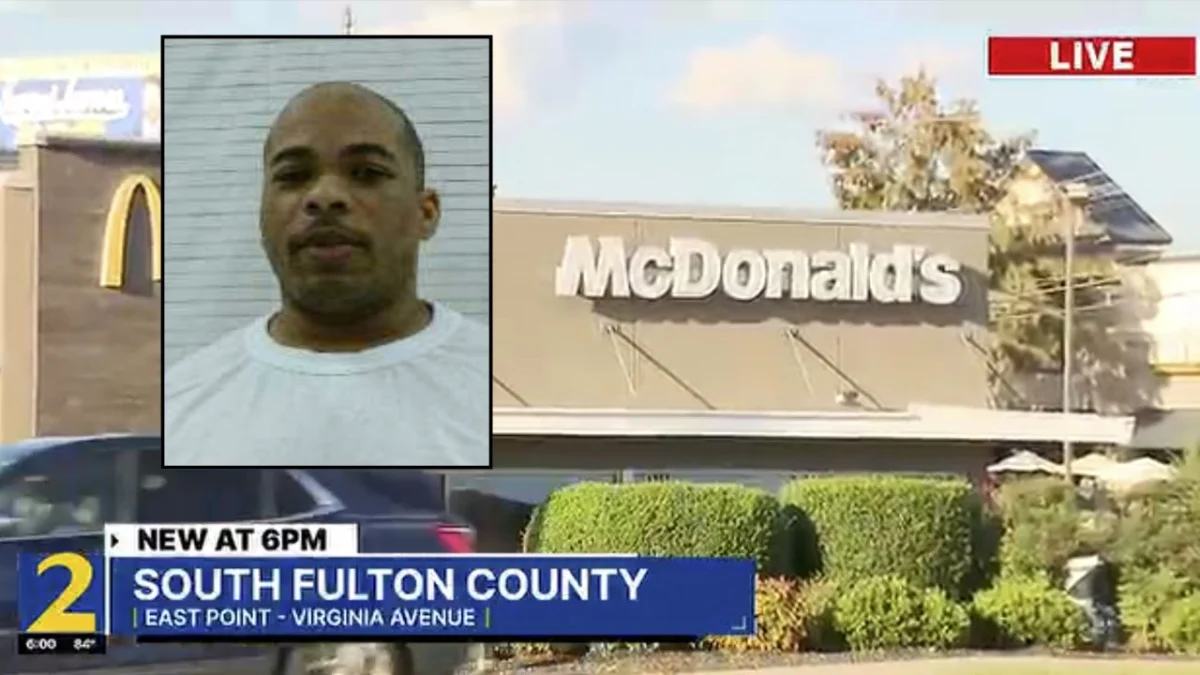
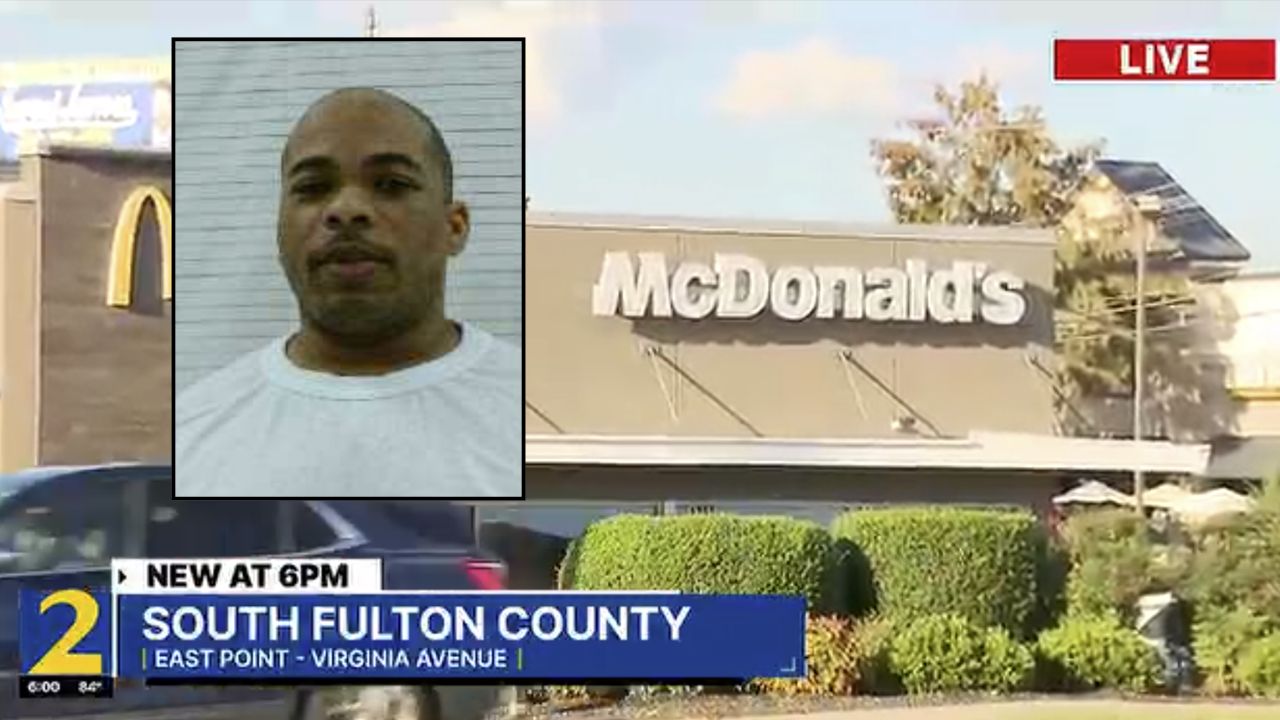
A Georgia man, Devin Riley, has been sentenced to life in prison without parole, plus an additional 50 years, following his conviction for the premeditated murder of his co-worker, Quintavious Clark. The brutal act, stemming from a workplace dispute, unfolded at an East Point, Georgia, McDonald’s, underscoring the severe consequences of retaliatory violence and the relentless pursuit of justice by law enforcement and prosecutors. The sentencing, handed down in Fulton County, ensures that the 35-year-old Riley will spend the remainder of his life incarcerated for the fatal shooting of 24-year-old Clark.
The Anatomy of a Vengeful Act: A Detailed Chronology
The tragic events leading to Quintavious Clark’s death began with a seemingly ordinary workplace disagreement, which escalated into a calculated act of violence. Devin Riley, employed at a McDonald’s restaurant in East Point, Georgia, alongside Clark and a female manager, became embroiled in the dispute. Prosecutors revealed that the manager was Riley’s girlfriend at the time, and a verbal altercation had occurred between her and Clark. This seemingly minor conflict would ignite a deadly desire for revenge within Riley.
According to the detailed account presented by Fulton County prosecutors, Riley harbored resentment over the verbal dispute involving his girlfriend. Rather than seeking a resolution through appropriate channels or allowing the situation to de-escalate, Riley allegedly opted for a path of retribution. A couple of days after the initial argument, Riley meticulously planned and executed his vengeful attack.
The fateful night was February 7, 2025. In the early hours, around 2 a.m., Riley was observed driving a red sedan through the parking lot of the McDonald’s. At this time, Quintavious Clark was in his car, taking a break, a common practice for employees during late-night shifts. Without warning or provocation, Riley pulled his vehicle alongside Clark’s and opened fire, unleashing a barrage of bullets that fatally wounded Clark. The entire harrowing incident was captured on the restaurant’s surveillance video, providing critical visual evidence that would later be instrumental in Riley’s conviction. Following the shooting, Riley immediately fled the scene, attempting to erase his tracks and evade justice.
The Unraveling of a Crime: Digital Forensics and Relentless Investigation
Despite Riley’s efforts to conceal his involvement, modern investigative techniques proved to be his undoing. The red sedan used in the commission of the crime was a rental car, a detail that became a pivotal piece of evidence. Unbeknownst to Riley, the rental car was equipped with a GPS tracker, a standard feature in many modern rental fleets. This technological advantage allowed investigators to meticulously reconstruct Riley’s movements before, during, and after the murder.
Geolocation evidence became the linchpin of the prosecution’s case. Investigators were able to track the vehicle’s precise coordinates, mapping its journey from a different location to the McDonald’s and then away from the scene. This digital footprint led them to the home of another girlfriend of Riley’s, where the rental car was located after the shooting. Further investigation revealed that after the fatal encounter with Clark, Riley had returned to this apartment and attempted to tamper with the evidence by removing the car’s license plates, a desperate act to obscure his identity and connection to the vehicle.
While surveillance video captured the shooting itself, Riley’s face was not clearly visible in the footage, presenting an initial challenge for identification. However, the confluence of the geolocation data, the vehicle’s unique characteristics, and subsequent investigative work solidified the case against him. Adding another layer of irrefutable evidence, prosecutors revealed that Riley’s own jailhouse phone calls, made after his arrest, provided further incriminating details that convinced them of his guilt, despite his continued claims of innocence to local media outlets like WSB. These calls, often monitored in correctional facilities, can inadvertently offer insights into a defendant’s state of mind, knowledge of the crime, or attempts to influence witnesses or conceal facts.
The Pursuit of Justice: A Stiff Sentence in Fulton County
The case was handled by the Fulton County District Attorney’s Office, led by District Attorney Fani Willis. Known for her office’s rigorous prosecution of violent crimes, Willis underscored the senseless nature of Riley’s actions, famously calling the shooting "a very stupid crime." This statement not only highlights the perceived lack of rational motive but also signals the judicial system’s unwavering commitment to holding individuals accountable for such acts of violence, regardless of the perceived trigger.
Devin Riley was ultimately convicted of murder, among other potential charges such as aggravated assault and possession of a firearm during the commission of a felony. The jury’s verdict paved the way for a severe sentence. Life in prison without the possibility of parole in Georgia means exactly that: Riley will never be released from custody. The additional 50 years likely pertains to the accompanying charges, ensuring that even if the murder conviction were to be challenged on appeal, he would still face a substantial sentence for the other offenses. This comprehensive sentencing reflects the gravity of taking a human life in a premeditated, retaliatory manner.
Broader Implications: Workplace Safety and Digital Forensics
The tragic death of Quintavious Clark and the subsequent sentencing of Devin Riley cast a stark light on several critical societal issues, primarily workplace safety and the evolving landscape of criminal investigations.
Workplace Violence: A Persistent Threat
Workplace violence remains a significant concern across industries, from corporate offices to public-facing establishments like fast-food restaurants. According to the U.S. Bureau of Labor Statistics (BLS), thousands of non-fatal assaults occur in workplaces annually, and a smaller, but deeply impactful, number result in fatalities. While direct employee-on-employee fatal violence is less common than other forms of workplace violence (e.g., customer-perpetrated), incidents like the East Point McDonald’s shooting underscore the critical need for robust conflict resolution mechanisms, employee support systems, and security protocols.
The incident highlights how personal disputes, when unchecked or poorly managed, can spill over into professional environments with devastating consequences. Employers are increasingly tasked with fostering environments where grievances can be aired and resolved constructively, and where employees feel safe reporting threats or escalating conflicts. For a global corporation like McDonald’s, such incidents prompt reviews of security measures, including surveillance systems, lighting, and emergency response procedures, to protect both employees and customers in their thousands of locations worldwide. The impact extends beyond the immediate victims, affecting employee morale, public perception, and potentially leading to increased operational costs for security enhancements and training.
The Power of Digital Evidence in Modern Investigations
The swift resolution and successful prosecution of Devin Riley’s case serve as a powerful testament to the indispensable role of digital forensics in contemporary criminal investigations. The GPS tracker on the rental car was not merely a convenience for the rental company but became a crucial digital witness, providing an objective, irrefutable timeline of Riley’s movements. This technology, coupled with surveillance video footage and the analysis of digital communications, forms the backbone of many successful prosecutions today.
Investigators are increasingly relying on a tapestry of digital clues—from cell phone tower data and social media activity to vehicle telematics and smart home devices—to piece together crimes. While raising legitimate discussions about privacy, the efficacy of these tools in solving violent crimes and bringing perpetrators to justice is undeniable. The East Point case exemplifies how a seemingly small detail, like a car tracker, can be the key to unlocking a complex criminal puzzle, transforming what might have been a challenging investigation into a clear path toward conviction.
Community Impact and Deterrence
The murder of Quintavious Clark undoubtedly sent shockwaves through the East Point community and among McDonald’s employees. Such acts of senseless violence can erode a community’s sense of security and trust. However, the decisive action of the Fulton County justice system, culminating in a life sentence without parole, aims to restore that trust and deliver a strong message of deterrence.
The severe penalty meted out to Devin Riley signals that acts of premeditated violence, especially those fueled by revenge, will be met with the full force of the law. It underscores the principle that human life is invaluable and that those who take it without justification will face the most stringent consequences available within the legal framework. While no sentence can ever truly compensate for the loss of a loved one, the pursuit and achievement of justice can offer a measure of closure and affirm society’s commitment to upholding order and safety.
As Devin Riley begins a life behind bars, the case of Quintavious Clark stands as a somber reminder of how personal conflicts, when allowed to fester and escalate, can lead to irreversible tragedy, and how modern law enforcement, armed with technology and dedication, works tirelessly to ensure accountability for those who choose violence.




 Yuyun Lusiyani
 Joko Widodo
 Eva Lovia
 Pevita Pearce
 admin
admin
 Lina Irawan