
 Jia Lissa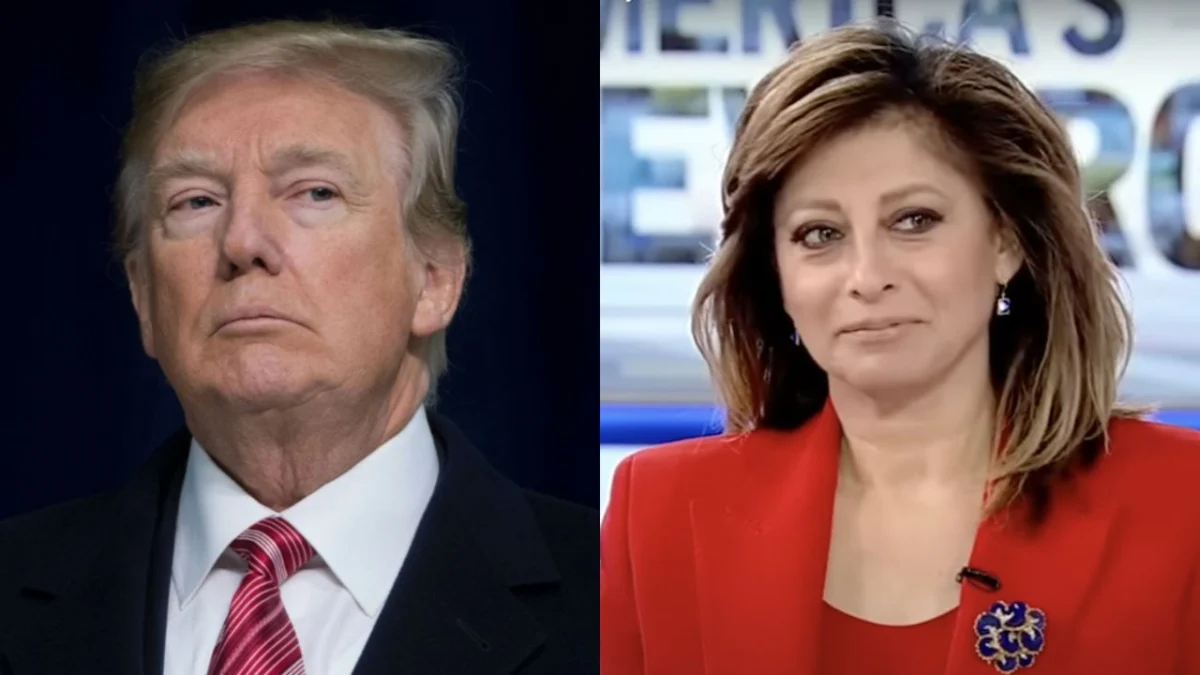
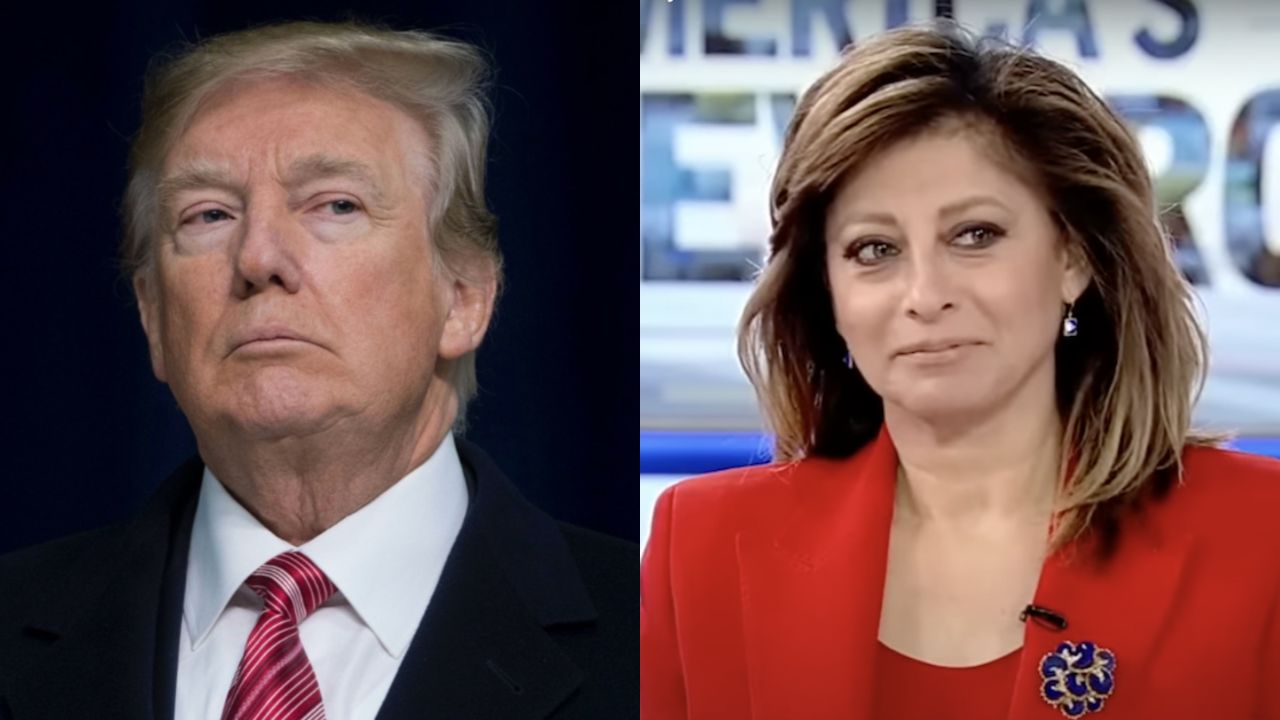
Fox Business anchor Maria Bartiromo has signaled a potential seismic shift in American foreign policy, reporting that President Donald Trump has characterized the ongoing military conflict with Iran as having reached its conclusion. In a video message shared via social media platform X following a high-profile interview at the White House, Bartiromo detailed a conversation with the Commander-in-Chief that suggests a formal end to the hostilities that began earlier this year. The interview, set to air in full on the Wednesday edition of Mornings with Maria, covers a broad spectrum of critical national issues, including the state of the domestic economy, the future of the North Atlantic Treaty Organization (NATO), and the status of the United States’ military engagement in the Middle East.
According to Bartiromo, the President consistently referred to the conflict in the past tense during their discussion. When specifically pressed on whether the military campaign had reached its definitive end, the President reportedly responded with a succinct affirmation: "It’s over." This declaration comes at a moment of extreme geopolitical tension and follows a series of conflicting reports regarding a two-week ceasefire agreement that was intended to pause a war that has seen significant aerial campaigns and naval standoffs.
The Genesis and Escalation of the Conflict
The current military engagement between the United States, its ally Israel, and the Islamic Republic of Iran officially commenced on February 28. The stated primary objective of the coalition was the neutralization of Iran’s nuclear infrastructure. This escalation followed years of deteriorating relations after the U.S. withdrawal from previous nuclear frameworks and a series of proxy skirmishes across the region. President Trump has maintained a hardline stance throughout the campaign, asserting late last year that U.S. precision airstrikes had "totally obliterated" Iran’s nuclear capabilities.
Despite these claims of total destruction, the conflict persisted through the spring, characterized by localized engagements and a heavy reliance on stand-off weaponry. The administration argued that the campaign was a necessary preemptive measure to ensure regional stability and global security, though critics within the international community questioned the long-term efficacy of the strikes. The war’s timeline has been marked by rapid shifts in rhetoric and military posture, leading to the recent, albeit fragile, diplomatic efforts to secure a lasting truce.
The Ceasefire Dispute and the Role of Mediation
The path to the President’s recent declaration has been fraught with diplomatic ambiguity. Last Tuesday, the White House announced a two-week ceasefire intended to provide a window for humanitarian relief and potential long-term negotiations. However, the announcement was immediately met with confusion as the parties involved presented differing interpretations of the deal’s scope.
The mediation process, largely facilitated by Pakistan, aimed to bridge the gap between Washington and Tehran. Pakistani officials, alongside representatives from the Iranian government, claimed that the ceasefire agreement explicitly included a cessation of Israeli military hostilities in Lebanon. This provision was seen as a crucial component for Iran, which maintains significant ties to Lebanese factions. Conversely, the U.S. State Department and the White House initially disputed the inclusion of Lebanon in the agreement.
Subsequent reports from CBS News indicated a breakdown in internal communication or a late-stage shift in policy. According to these reports, President Trump had been informed that Lebanon was part of the ceasefire framework. However, following a direct telephonic consultation with Israeli Prime Minister Benjamin Netanyahu, the President reportedly reversed the U.S. position on that specific provision. The result was a continuation of Israeli offensive operations in Lebanon, which Iran cited as a violation of the spirit of the truce. In retaliation, Tehran continued to enforce restrictions on maritime traffic through the Strait of Hormuz, one of the world’s most vital energy corridors.
Maritime Tensions and the Strait of Hormuz
The conflict’s impact on global commerce reached a critical juncture this week when President Trump announced that the U.S. Navy would begin prohibiting certain vessels from transiting the Strait of Hormuz. This strategic waterway facilitates the passage of approximately 20% of the world’s total oil consumption. The decision to restrict traffic was framed as a security measure to protect American interests and prevent the movement of Iranian military assets, but it has sent ripples through the global energy markets.
The U.S. Navy’s presence in the Persian Gulf has been bolstered significantly since the start of the war, with multiple carrier strike groups deployed to the region. The enforcement of a "prohibited vessel" list marks a transition from defensive patrolling to active maritime interdiction. This escalation in naval policy occurred just days before Bartiromo’s interview, highlighting the apparent contradiction between active military maneuvers and the President’s private assertion that the war has concluded. Analysts suggest that the "over" designation may refer to the primary offensive phase of the war, even as containment and blockade operations remain active.
Public Sentiment and Domestic Polling Data
The President’s declaration of an end to the war comes as domestic support for the conflict remains low. According to a new Ipsos/Reuters poll released on Tuesday, public appetite for prolonged engagement in the Middle East has waned significantly. The data reveals that only 24% of Americans believe the war with Iran has been "worth it." This figure reflects a deep skepticism regarding the strategic benefits of the conflict when weighed against its economic and human costs.
In contrast, 51% of the public expressed the view that the war has not been worth the effort, citing concerns over inflation, rising energy prices, and the potential for an endless military entanglement. The poll indicates a rare moment of bipartisan concern, with independent voters and a segment of the President’s own base expressing exhaustion with foreign interventions. These polling numbers likely play a role in the administration’s messaging strategy, as the President looks toward the next phase of his term and the broader political landscape.
Geopolitical Implications and Allied Reactions
The assertion that the war is "over" carries significant implications for U.S. allies and adversaries alike. For NATO members, many of whom have urged restraint and a return to diplomatic channels, a formal end to hostilities would be a welcomed development. During her teaser, Bartiromo noted that the President discussed NATO at length, suggesting that the resolution of the Iran conflict may be tied to a broader realignment of U.S. commitments within the alliance.
In Israel, the reaction is expected to be more complex. While the neutralization of Iranian nuclear sites aligns with long-standing Israeli security objectives, any perceived premature withdrawal of U.S. military pressure could be viewed with concern in Jerusalem. The continued operations in Lebanon suggest that while the U.S. may be looking to exit the "war" phase, regional actors remain engaged in active conflict.
For Iran, the President’s comments may be viewed with skepticism until a formal diplomatic instrument is presented. The Iranian economy has been severely strained by the combination of war and intensified sanctions, and the government in Tehran has consistently demanded a full withdrawal of U.S. forces from its periphery as a condition for long-term peace.
Economic Outlook and Market Response
The prospect of an end to the U.S.-Iran war has the potential to stabilize global markets that have been volatile since February. Oil futures, which saw significant spikes following the restrictions in the Strait of Hormuz, are expected to react sharply to the full airing of the President’s interview. Economists note that a reduction in the "war premium" on energy prices could provide much-needed relief to the global supply chain and domestic consumers.
However, the lack of clarity regarding the "prohibited vessels" policy remains a point of concern for the shipping industry. If the war is indeed over, industry leaders are calling for a timeline on the removal of naval blockades and a restoration of freedom of navigation in the Persian Gulf. The full interview on Mornings with Maria is expected to provide more context on whether the President’s declaration includes a rollback of these restrictive maritime measures.
Conclusion and Upcoming Disclosures
Maria Bartiromo’s report has set the stage for a critical moment in the Trump presidency. By characterizing the war in the past tense—"was, was, was"—the President is signaling a pivot toward a post-conflict era. Whether this reflects a total cessation of hostilities or a rebranding of ongoing containment efforts remains to be seen.
The full interview, scheduled for Wednesday morning, promises to provide the necessary detail to reconcile the President’s private comments with the visible military realities on the ground and at sea. As the nation awaits the broadcast, the focus remains on how the administration will transition from a state of war to a sustainable regional peace, and how it will address the 51% of the population that remains unconvinced of the conflict’s necessity. For now, the word from the White House is clear: in the eyes of the President, the war with Iran has reached its end.



 Yuyun Lusiyani
 Joko Widodo
 Eva Lovia
 Pevita Pearce
 admin
admin
 Lina Irawan