
 Yuyun Lusiyani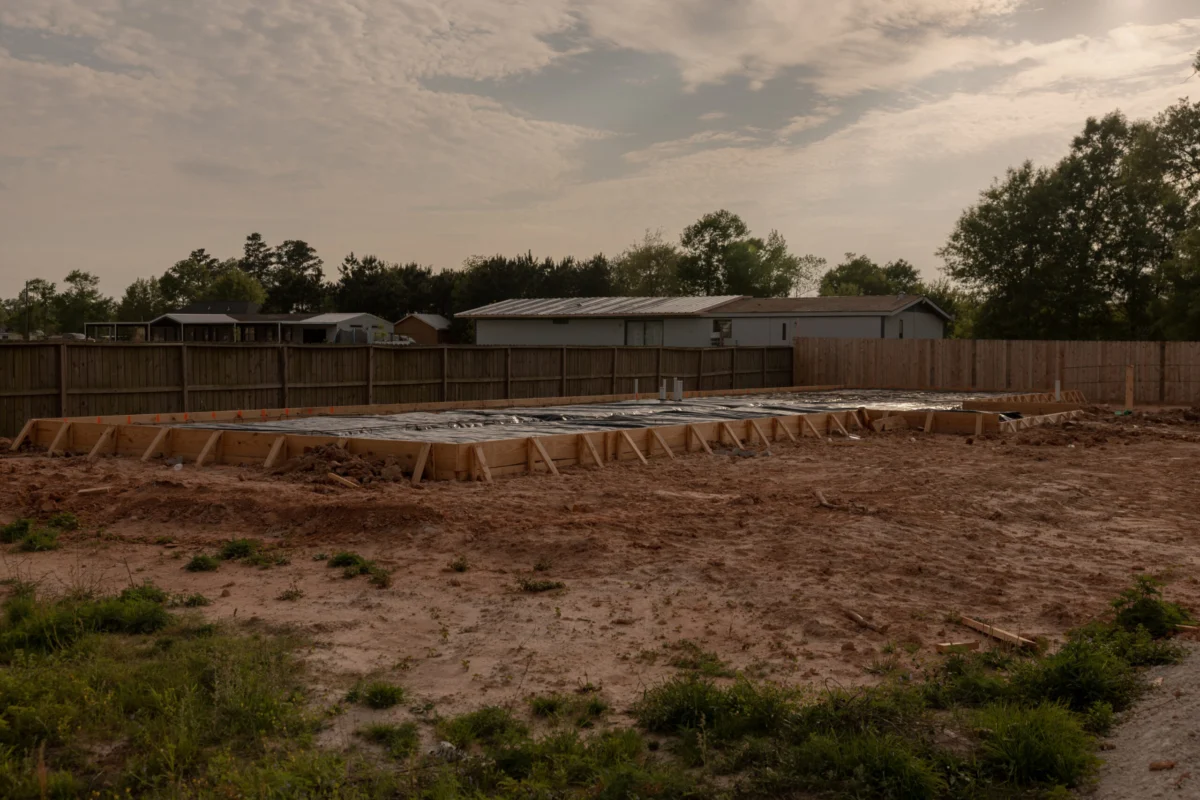
The U.S. Justice Department announced Friday its decision to proceed with a proposed $68 million settlement involving Colony Ridge, a prominent Texas land developer, despite significant reservations voiced by a federal judge regarding the agreement’s failure to adequately compensate alleged victims. This move signals an end to a three-year legal battle but ignites fresh controversy over the terms, particularly the allocation of $20 million for police and immigration enforcement in an area north of Houston, while direct financial relief for those harmed remains absent.
The Heart of the Controversy: A Settlement Without Victim Compensation
The proposed settlement has been met with sharp criticism, primarily from U.S. District Judge Alfred H. Bennett, who presided over a recent hearing on the matter. Judge Bennett openly questioned the Justice Department’s rationale, highlighting the stark contrast between the original lawsuit’s allegations of fraud, above-market interest rates, and improper foreclosures targeting Hispanic residents, and a settlement that conspicuously lacked provisions for victim redress. His discomfort was particularly pronounced concerning the $20 million earmarked for law enforcement, a provision he noted had no basis in the initial federal complaint, which made no mention of public safety or immigration concerns.
"I thought I was dealing with… folks who had been defrauded, with allegations of above-market interest rates, improper foreclosures," Judge Bennett stated during the hearing, holding the original lawsuit in one hand and the settlement document in the other. "Now, all of the sudden, I’m being asked to OK increased law enforcement?" He pressed federal prosecutor Varda Hussain, a principal deputy chief at the Justice Department’s Washington headquarters, repeatedly on the origin of this particular clause, asking, "Who in the settlement room said it would be a good idea to give $20 million to law enforcement? Where did that come from?"
Hussain explained that the idea originated from the office of Texas Attorney General Ken Paxton, whose office had filed a parallel lawsuit against Colony Ridge that would also be resolved through this broader settlement. Despite the federal and state lawsuits not initially raising concerns about crime, Hussain defended the provision, asserting that Colony Ridge residents had expressed worries about crime in the development to federal investigators after the lawsuit’s filing. "I understand what it might look like to you, but I am telling you that this is a concern that friends of the court and residents will tell you exists," she maintained. Paxton’s office did not respond to requests for comment regarding its role in the settlement’s design.
Chronology of a Contentious Legal Battle
The legal dispute against Colony Ridge commenced with a lawsuit filed by the Justice Department and the Consumer Financial Protection Bureau (CFPB) in 2023, though the ‘three-year legal dispute’ suggests investigations and preliminary actions began earlier. The core of the complaint centered on allegations that Colony Ridge engaged in predatory lending practices, deceiving tens of thousands of Hispanic consumers into taking out high-interest loans for properties many could not afford. Prosecutors argued that the developer then profited significantly by foreclosing on these properties, perpetuating a cycle of debt and displacement.
- Pre-2023: Investigations by the Justice Department and CFPB into Colony Ridge’s practices likely begin, uncovering allegations of predatory lending, high-interest rates, and improper foreclosures targeting Hispanic consumers.
- 2023: The Justice Department and CFPB formally file a lawsuit against Colony Ridge, accusing the developer of widespread fraudulent practices.
- Concurrent: The office of Texas Attorney General Ken Paxton files a separate, but similar, lawsuit against Colony Ridge.
- Recent Hearing: U.S. District Judge Alfred H. Bennett convenes a hearing to review the proposed $68 million settlement. During this hearing, he raises serious concerns about the lack of victim compensation and the inclusion of $20 million for law enforcement, a provision not related to the original allegations.
- Judge’s Proposal: Judge Bennett suggests revisions to the settlement to address his concerns and secure judicial approval. Colony Ridge’s attorney indicates willingness to consider revisions, but the Justice Department declines.
- DOJ’s Decision: The Justice Department announces its intention to pursue the settlement without seeking judicial approval, utilizing a provision of federal law that permits such action. This effectively bypasses court oversight.
- Developer’s Action: Colony Ridge states in a court filing that it has already begun implementing certain provisions, including adopting stricter lending standards.
Unprecedented Terms and Widespread Condemnation
The Justice Department’s decision to push through a settlement without direct victim compensation and with substantial funding for law enforcement in a predatory lending case has drawn a firestorm of criticism, not only from the presiding judge but also from former federal officials and consumer advocates. An analysis conducted by ProPublica and The Texas Tribune revealed the rarity of such terms: out of 183 housing and civil enforcement settlements announced by the Justice Department since 2018, only 6% lacked financial restitution for victims, and none had ever included funding for police or immigration enforcement. Judge Bennett himself underscored the unprecedented nature of this provision in a predatory lending context.
Former attorneys and investigators who were instrumental in filing the original lawsuit in 2023, including those from the Justice Department and the CFPB during the Trump administration, expressed profound shock at the settlement’s structure. Johnathan Smith, who served as a deputy assistant attorney general for civil rights during the Biden administration and helped assemble the Colony Ridge lawsuit three years prior, described the Justice Department’s decision as effectively a "get out of jail free card" for the developer.
Smith emphasized the critical role of court-enforced settlements in deterring future misconduct. "By having settlements that are public and that are court-enforced, it sends a clear message to other potential bad actors that there could be real consequences for their actions," Smith articulated in an email. He lamented that the current decision meant the case "simply goes away because there is no one to enforce it," adding that the Justice Department would be precluded from suing Colony Ridge on the same claims in the future. "The DOJ is turning its back on the victims, and those victims are left with no recourse and no assurance that any actions will be taken to remedy the harms that were identified in DOJ’s original complaint," Smith concluded, articulating a sentiment echoed by many.
The Justice Department did not immediately respond to requests for comment regarding Smith’s criticisms. However, during the hearing, prosecutor Varda Hussain maintained that the department would ensure Colony Ridge adheres to the settlement’s terms. Colony Ridge, which has consistently denied any wrongdoing throughout the legal process, stated in a court filing that it had already begun implementing certain provisions, including the adoption of stricter lending standards, as stipulated by the agreement.
The Broader Context of Colony Ridge and Predatory Land Sales
Colony Ridge, with its "massive subdivisions north of Houston," operates on a business model that has garnered both immense profit and significant controversy. The developer specializes in selling undeveloped land, often in rural or semi-rural areas, primarily to Hispanic buyers, many of whom are first-generation immigrants. These sales frequently involve seller financing, circumventing traditional mortgage lenders and allowing the developer to set its own terms, including high-interest rates and often unfavorable contract conditions. Critics argue that this model exploits vulnerable populations who may lack access to conventional financing, possess limited English proficiency, or are unfamiliar with U.S. real estate laws, leading them into financial arrangements they cannot sustain.
The allegations of "above-market interest rates" and "improper foreclosures" against Colony Ridge highlight a pattern seen in predatory land contracts across the country. Buyers often invest significant savings and labor into improving their properties, only to lose everything through foreclosure due to onerous terms or unexpected financial hurdles. The lack of infrastructure, public services, and sometimes even clear title in these developments further complicates the situation for residents. The Justice Department’s initial lawsuit aimed to address these systemic issues, making the current settlement’s structure particularly puzzling to consumer advocates and civil rights groups.
Implications for Victims and Future Enforcement
The decision to bypass judicial approval has profound implications. Without a court order, there is no judicial oversight to ensure Colony Ridge genuinely adheres to the settlement’s terms, which include adopting stricter lending standards. This lack of external enforcement mechanism raises questions about the long-term effectiveness of the agreement in protecting future consumers. More critically, for the "tens of thousands of Hispanic consumers" alleged to have been defrauded, the settlement offers no direct financial recourse.
Keilah Sanchez, a former Colony Ridge landowner who, alongside her sister, played a crucial role in collecting complaints from residents alleging mistreatment by the developer, expressed profound disappointment. "It’s unbelievable, but at this point, I don’t expect much from these agencies," Sanchez remarked, reflecting the crushing impact on those who had hoped for justice and restitution. Her sentiment underscores a growing disillusionment among victims who feel abandoned by the very agencies tasked with their protection.
This settlement could establish a concerning precedent for future enforcement actions by the Justice Department. If similar cases involving predatory practices against vulnerable communities conclude without direct victim compensation and without judicial oversight, it could embolden other "bad actors" and erode public trust in the federal government’s commitment to consumer protection and civil rights enforcement. The allocation of substantial funds to law enforcement, unrelated to the initial allegations of financial fraud, further complicates the narrative, raising questions about the priorities and influences shaping federal legal outcomes.
The $68 million settlement, while significant in nominal value, now stands as a symbol of a contentious compromise, one that addresses institutional concerns perhaps more than individual harms. As Colony Ridge proceeds with implementing its new lending standards, and without court supervision, the focus shifts to whether these internal changes will genuinely prevent future predatory practices and if the federal government’s decision will ultimately serve the interests of justice for the communities it was meant to protect.



 Joko Widodo
 Eva Lovia
 Pevita Pearce
 admin
admin
 Lina Irawan