
 Yuyun Lusiyani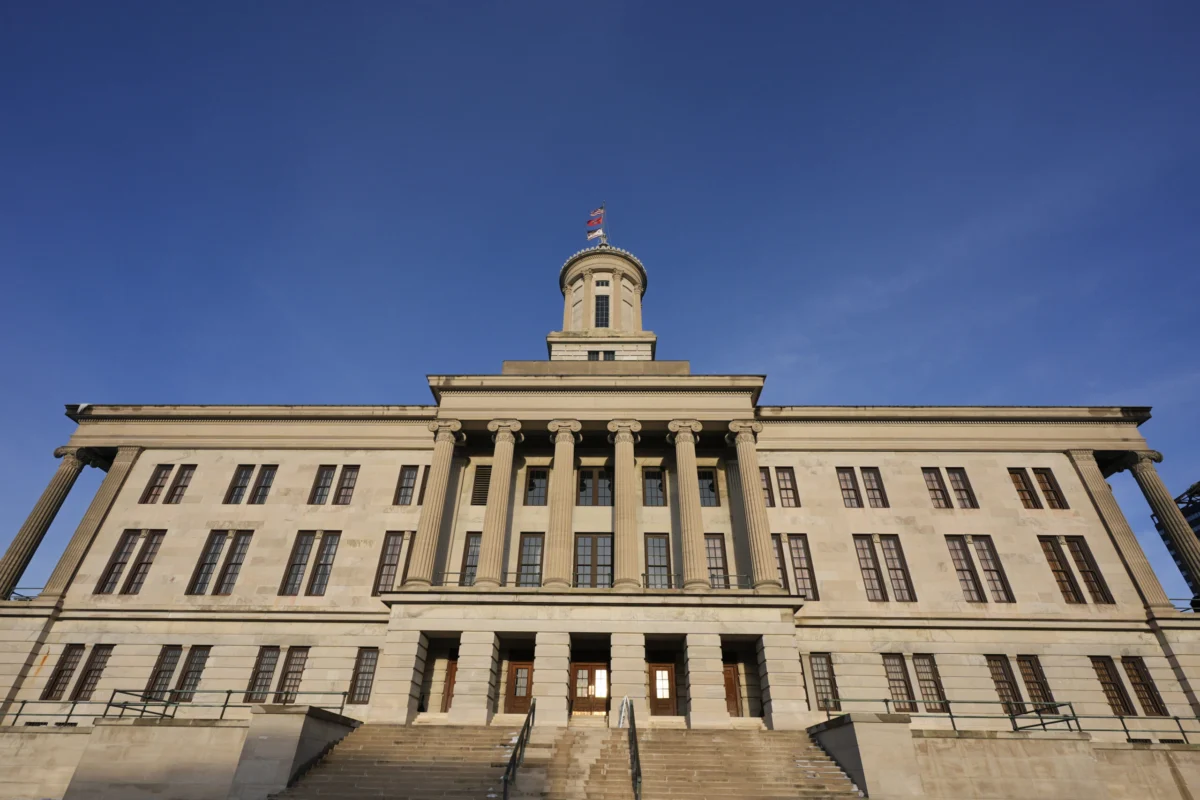
Tennessee lawmakers have enacted significant legislation this week, aiming to rectify the state’s highly controversial "threats of mass violence" law, which has drawn widespread criticism for its severe and often disproportionate application. Governor Bill Lee is expected to sign the bill, marking a pivotal shift in how student threats are addressed within the state’s educational system. The core amendment mandates that school officials will now only be required to report student threats to law enforcement if the threat is deemed "credible," signifying it is reasonably expected to be carried out. This change directly addresses a legal framework that previously led to children, some as young as six, being charged with felonies over what advocates and investigations revealed were often misunderstandings, jokes, or statements stemming from disabilities.
The Genesis of a Problematic Law and its Unintended Consequences
The original "threats of mass violence" law in Tennessee, like many similar statutes across the United States, was born out of a heightened national concern for school safety in the wake of tragic mass shootings. Enacted to deter violence and ensure rapid response to potential dangers, the law cast a wide net, making it a misdemeanor for school administrators to fail to report any threat of mass violence, regardless of its apparent credibility. While the intent was to create a robust reporting system, its implementation led to a "zero-tolerance" environment that frequently prioritized punitive measures over understanding context or individual circumstances.
This broad mandate created a chilling effect within schools. Administrators, fearing legal repercussions themselves, often felt compelled to report every utterance that could be construed as a threat, even if it lacked any genuine intent or capacity to be executed. The result was a dramatic increase in criminal charges against students, transforming disciplinary issues into serious legal battles. Many of these children, often vulnerable due to disabilities such such as autism or intellectual impairments, found themselves ensnared in the juvenile justice system, facing felony charges that could irrevocably alter their futures. Furthermore, data and anecdotal evidence consistently pointed to a disproportionate impact on students of color, raising concerns about systemic biases within the reporting and charging processes.
A Wake-Up Call: Investigations and Advocacy
The impetus for this legislative reform largely stems from sustained pressure by child advocates and a groundbreaking investigative series by ProPublica and WPLN. These journalistic efforts meticulously documented the human cost of the law’s stringent application, bringing to light numerous cases where children were subjected to the full force of the criminal justice system for trivial or misinterpreted statements. The investigations highlighted how the lack of a "credibility" standard allowed for an overly punitive approach that often failed to distinguish between genuine danger and childish misbehavior or disability-related communication challenges.
One particularly poignant case brought to national attention by ProPublica and WPLN involved an autistic teenager with an intellectual disability. The student, in what appeared to be a misunderstanding or a coping mechanism, told his teacher that his backpack would "blow up" if anyone touched it. A subsequent police search of the backpack revealed not a bomb, but a stuffed bunny. Despite the obvious lack of a credible threat, the teenager was arrested and charged with making a threat of mass violence. The student’s mother is now pursuing legal action against the school district, a case that remains ongoing and emblematic of the challenges faced by families. This incident underscored the critical need for school officials and law enforcement to apply discernment and consider context, particularly when dealing with students who may have communication difficulties or unique behavioral patterns.
In another high-profile case, a family featured in the ProPublica/WPLN investigation successfully secured a $100,000 settlement against a Chattanooga public charter school. Their federal lawsuit contended that the school wrongly reported their 11-year-old autistic child to the police, leading to undue distress and legal entanglement. These settlements, though offering some relief to affected families, also serve as a stark reminder of the significant financial and emotional toll exacted by the prior law, not just on individuals but potentially on school districts through litigation.
Further illustrating the systemic nature of the problem, multiple parents in Williamson County, a suburb of Nashville, filed a lawsuit against Williamson County Schools. They alleged that their children were wrongfully suspended and arrested after being accused of making threats of mass violence at school. While the school board disputed these claims in court records and sought to dismiss the lawsuit, an initial ruling by the judge determined that the families had presented a "plausible claim," allowing the case to proceed. This judicial decision signaled a recognition that the concerns raised by parents and advocates were not isolated incidents but potentially indicative of broader issues within school districts.
A Timeline of Reform Efforts
- Early 2000s: Post-Columbine era sees a national push for stricter school safety laws, leading to the initial passage of Tennessee’s "threats of mass violence" law, emphasizing zero-tolerance policies.
- Mid-2010s to Present: Growing anecdotal evidence and reports suggest an increase in disproportionate charges against students, particularly those with disabilities.
- 2022-2023: ProPublica and WPLN launch their in-depth investigation, bringing widespread public and legislative attention to the law’s flaws through compelling individual stories.
- Late 2023: Lawsuits by affected families begin to gain traction, challenging the application of the law in court.
- Winter 2023-Early 2024: Advocacy groups intensify their lobbying efforts, presenting data and personal testimonies to state lawmakers, calling for amendments to introduce a credibility standard.
- Winter 2024: Senator Ferrell Haile, despite previous reservations, begins working on a reform bill, citing personal anecdotes and the investigations as inspiration.
- March 2024: The current reform bill successfully navigates legislative committees and passes both chambers of the Tennessee General Assembly.
- April 2024: Governor Bill Lee is expected to sign the bill into law, formalizing the requirement for a "credible" threat assessment.
Shifting Stances in the Legislature
Senator Ferrell Haile (R-Gallatin), who co-authored this year’s landmark bill, explicitly articulated his hope during a late March committee hearing that the new legislation would prevent students with disabilities from being "needlessly arrested for statements they have no ability to carry out." He revealed that his motivation was deeply personal, inspired by the story of a fifth-grader with a disability in his own district. This child, acting out of frustration, made a statement one day at school. Despite the school police officer’s reluctance and personal belief that the threat was not credible, the officer felt legally bound by the existing law to report it, leading to the child being charged with a felony by his superiors. "In some counties, it has become a standard practice to charge every threat even if it has been deemed not credible," Haile stated, underscoring the systemic nature of the problem.
Haile’s current position represents a significant departure from his prior legislative stance. As recently as last winter, he and many other Tennessee Republicans had resisted similar language aimed at introducing a credibility standard. In a notable instance in 2023, Haile had even proposed legislation that would expand the felony threats law to encompass more locations, including child care agencies, preschools, and churches. At that time, when a Democratic colleague urged him to consider limiting felony charges only to individuals with clear intent to carry out threats, Haile declined, asserting that police and district attorneys – not school principals or counselors – should bear the responsibility for determining a threat’s credibility. This evolution in his legislative perspective highlights the profound impact of compelling real-world cases and sustained advocacy on policy-making.
Supporting Data and Broader Implications
While specific statewide data on the exact number of children charged under the previous law is not consistently aggregated or easily accessible, the pattern of individual cases presented by investigations and lawsuits suggests a significant number of vulnerable students have been affected. A felony charge, even for a juvenile, carries immense long-term consequences. It can impede access to higher education, limit future employment opportunities, affect housing applications, and impose a profound social stigma. Such a record can effectively derail a child’s future before they even reach adulthood, creating a cycle of disadvantage that is difficult to break. The emotional and psychological toll on these children and their families is also substantial, often requiring extensive therapy and legal counsel, placing significant financial strain on households.
The passage of this bill also implicitly acknowledges a broader systemic issue within the juvenile justice system: the need for better training in threat assessment. Many school districts lacked standardized, evidence-based protocols for evaluating threats, relying instead on subjective interpretations or blanket policies. This legislation encourages a more nuanced approach, requiring school officials to develop and apply a standard of reasonable expectation before escalating a situation to law enforcement.
A Step Forward, But Not a Panacea
While child advocates are largely applauding the recent legislative change, they caution that it is not a complete solution. Zoe Jamail, an advocate for children with the nonprofit Raphah Institute, articulated this nuanced perspective. "This is not a total solution to threats of mass violence," Jamail stated, acknowledging the continued need for vigilance. "It is a huge step forward in terms of signifying an intent by the legislature that noncredible threats shouldn’t be prosecuted."
The primary remaining concern for advocates is that Tennessee law still does not explicitly require police officers to consider whether a threat is credible before charging or arresting a youth. While school officials now have this mandate, law enforcement officers retain a degree of discretion that could still lead to charges based on initial reports, even if the "credibility" standard was not met by the school. This gap highlights the need for continued dialogue and potential future legislative efforts to ensure that the spirit of the new law extends consistently throughout the entire legal process.
Looking ahead, the implementation of this new law will require robust training for school administrators, teachers, and support staff across Tennessee. Clear guidelines must be developed and disseminated to ensure a consistent and fair application of the "credible threat" standard. Furthermore, there is an ongoing need to bolster mental health resources within schools, allowing educators to address the underlying issues that may lead a child to make concerning statements, rather than immediately resorting to criminalization. The goal, ultimately, is to foster safe learning environments that protect all students, while simultaneously safeguarding the rights and futures of vulnerable children from overly punitive measures. The bill represents a significant acknowledgment of past failures and a crucial pivot towards a more humane and effective approach to school safety in Tennessee.

 Jia Lissa
 Joko Widodo
 Eva Lovia

 Pevita Pearce