
 Eva Lovia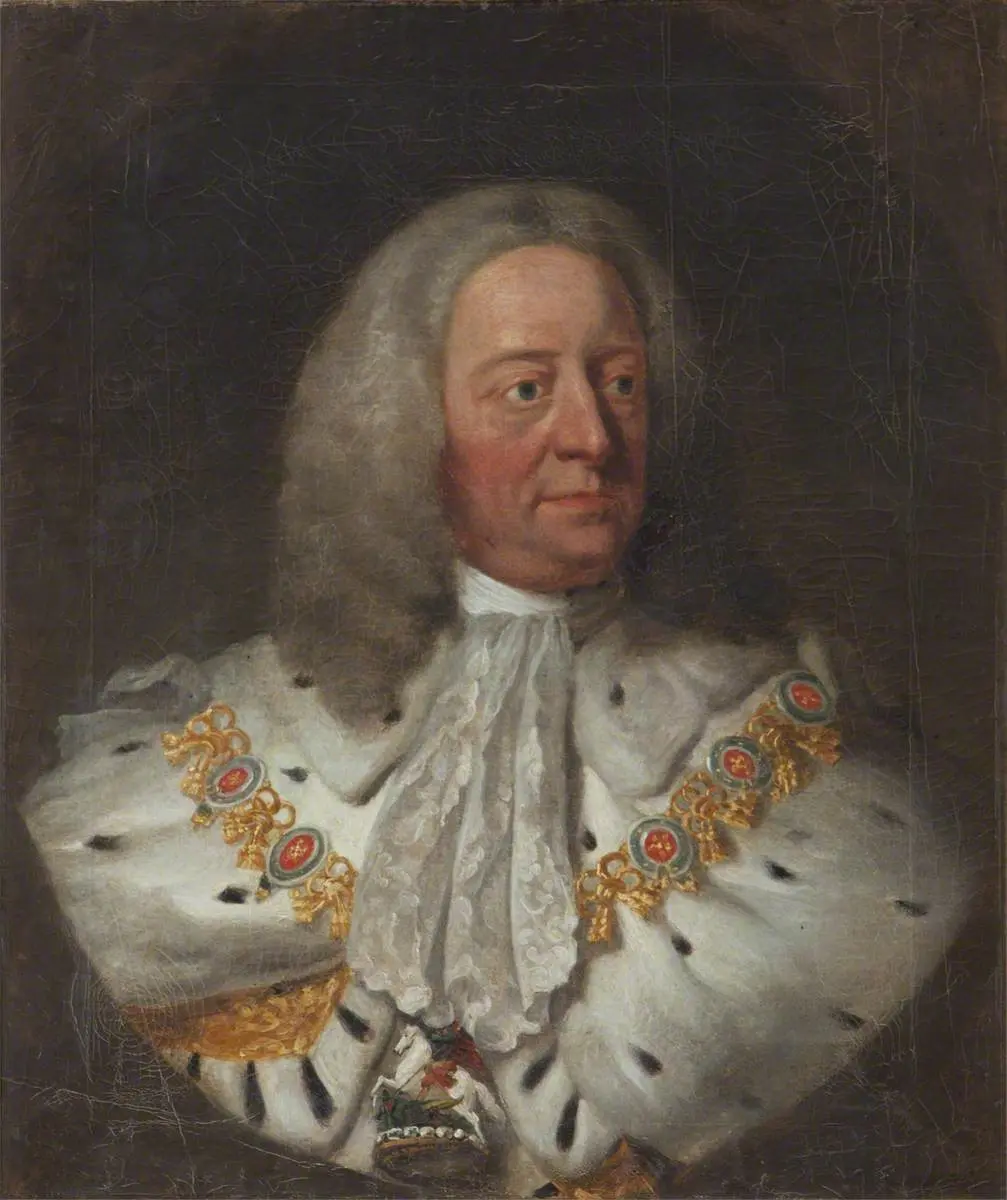
October, a month painted in hues of amber and crimson, has a distinct royal resonance, having witnessed the births of five English monarchs who ascended to the throne, each with a unique journey to the crown. These "October Kings" – Henry III, Richard III, Edward VI, James II, and George II – represent a fascinating tapestry of succession, ambition, and circumstance, their lives intertwined with pivotal moments in British history. Their birthdays, falling within this evocative autumn period, serve as a temporal marker for reigns that shaped the nation in profound and often contrasting ways.
Henry III: The Boy King’s Precarious Ascent
Henry III, the first English king to celebrate his birthday in October, was born on October 1, 1207, in Winchester. His arrival was a critical moment for his father, King John, a monarch whose reign was marked by significant controversy, including the loss of Normandy and the imposition of the Magna Carta. John’s urgent need for a male heir to secure the Plantagenet dynasty’s future made Henry’s birth a matter of national importance. His mother, Isabella of Angoulême, was approximately 19 years old at the time of his birth, a relatively young age for a queen consort.
Henry’s path to the throne was thrust upon him at a tender age. Following his father’s death on October 18, 1216, during the First Barons’ War, the nine-year-old Henry was proclaimed King of England on October 19th. His coronation took place on October 28, 1216, at Gloucester Cathedral, underscoring his status as an "October King" from his very inception to the throne. His early reign was largely managed by regents, including William Marshal, 1st Earl of Pembroke, who played a crucial role in stabilizing the kingdom and upholding Henry’s claim against French invasion and baronial dissent. Henry III’s reign, which lasted until 1272, was one of the longest in English history, characterized by his devout piety, his extensive rebuilding of Westminster Abbey, and his ongoing struggles with the nobility, culminating in the Second Barons’ War.
Richard III: A King Forged in Conflict
In stark contrast to Henry III’s predetermined destiny, Richard III’s birth on October 2, 1453, at Fotheringhay Castle, Northamptonshire, placed him far from the immediate prospect of kingship. He was the twelfth child of Richard, Duke of York, a powerful magnate whose ambitions were deeply entwined with the turbulent political landscape of the mid-15th century. At the time of Richard’s birth, his father had assumed the role of Protector of England due to the incapacitating mental health issues of King Henry VI. Richard, therefore, entered the world as a member of the nobility, a younger son within a prominent and ambitious family, rather than a direct heir to the throne.
The political climate of England was dominated by the Wars of the Roses, a brutal dynastic struggle between the Houses of Lancaster and York. Richard’s father, the Duke of York, eventually made a bid for the throne, but was killed at the Battle of Wakefield in 1460. Richard, alongside his elder brother Edward, continued the Yorkist cause. Edward IV ascended the throne in 1461, but the ensuing years were marked by instability and renewed conflict. Richard III’s path to kingship was a complex and controversial one. Following the death of Edward IV and the subsequent deposition of his young nephew, Edward V, Richard seized the throne in 1483. His brief reign, ending with his death at the Battle of Bosworth Field in 1485, remains one of the most debated in English history, shrouded in accusations of usurpation and murder, particularly concerning the fate of the "Princes in the Tower."
Edward VI: The Protestant Hope and a Short Reign
Edward VI, born on October 12, 1537, at Hampton Court Palace, represented a significant moment for his father, King Henry VIII. The birth of a male heir was a long-cherished ambition for Henry, who had broken with the Roman Catholic Church and dissolved the monasteries in his quest for a legitimate son to continue the Tudor dynasty. Edward’s mother, Jane Seymour, Henry VIII’s third wife, tragically died from childbed fever just days after his birth, a poignant footnote to this momentous royal event.

Like Henry III, Edward VI ascended to the throne at the young age of nine upon his father’s death on January 28, 1547. His reign, however, was markedly shorter and primarily guided by a council of regency, dominated by his uncle, Edward Seymour, Duke of Somerset, and later by John Dudley, Duke of Northumberland. Edward VI presided over the further implementation of the English Reformation, solidifying England’s Protestant identity. His reign saw significant changes in religious practice and doctrine, with the introduction of the Book of Common Prayer. Edward VI died in 1553, just shy of his sixteenth birthday, after a brief illness. His attempt to bypass his legitimate half-sisters, Mary and Elizabeth, by naming Lady Jane Grey as his successor, led to a brief and ultimately unsuccessful claim to the throne for Lady Jane, further highlighting the precariousness of succession.
James II: A Life of Turmoil and a Lost Crown
James II, born on October 14, 1633, at St. James’s Palace in London, began his life with little expectation of wearing the crown. As the younger son of King Charles I and Henrietta Maria of France, the throne was already secured by his elder brother, Charles II. His mother, a devout Catholic, faced challenges in gaining widespread public acceptance, despite her patronage of the arts and her success in producing several children.
James’s formative years were overshadowed by the English Civil War, a conflict that ultimately led to his father’s execution in 1649. He spent his youth in exile, gaining military experience in continental Europe. The Restoration of the Monarchy in 1660 saw James return to England and assume a prominent, though increasingly controversial, position as heir presumptive. His conversion to Catholicism, which became public knowledge, generated significant unease and political opposition within a predominantly Protestant nation. Despite these concerns, James succeeded his brother, Charles II, in 1685. His reign, however, was marked by attempts to promote religious tolerance for Catholics and to assert royal prerogative, which clashed with parliamentary power and Protestant sensibilities. This led to the Glorious Revolution of 1688, during which he was deposed by his Protestant daughter, Mary II, and her husband, William of Orange. James II’s reign lasted just three years, ending his monarchical line in England, though he later attempted to reclaim his throne from exile in Ireland.
George II: The Hanoverian King’s Unforeseen Reign
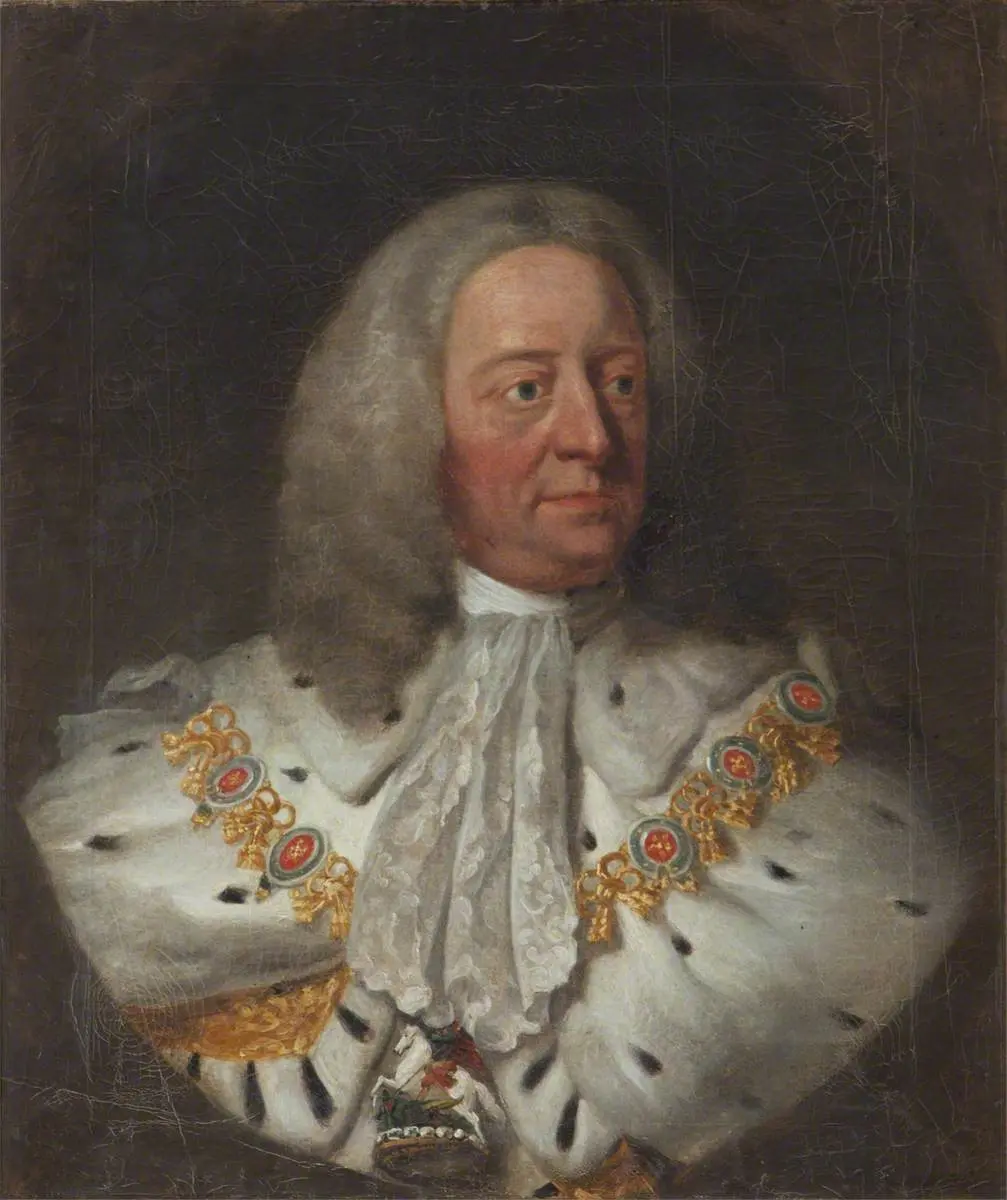
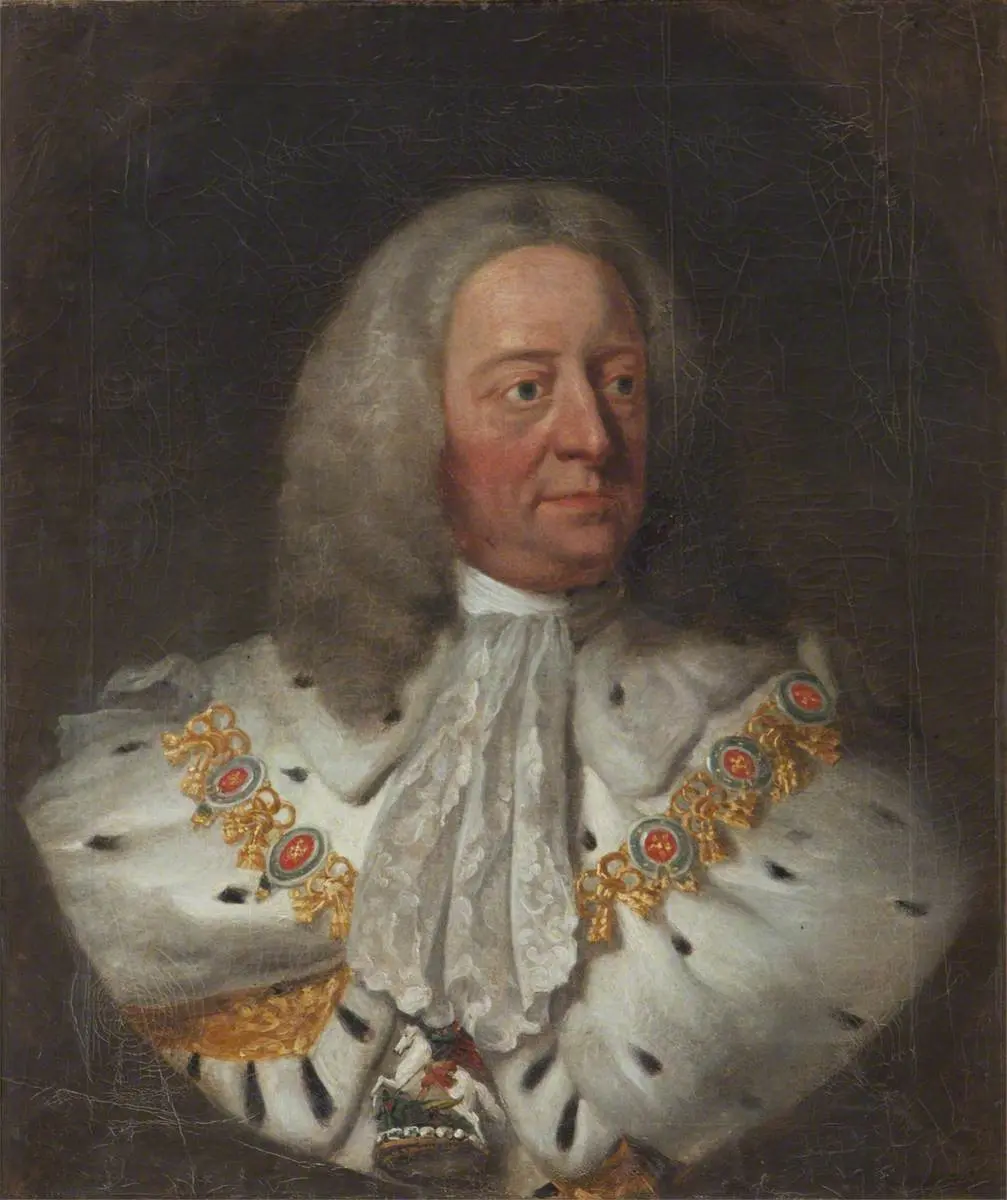
George II, born on October 30, 1683, in Hanover, was not initially destined for the British throne. His mother, Sophia Dorothea of Celle, gave birth to her first child, a boy who was then heir to a dukedom in the Holy Roman Empire. The course of succession shifted dramatically when the Protestant line of the British monarchy, represented by Queen Anne, began to face extinction with the death of her last surviving child. The Act of Settlement 1701 designated Sophia of Hanover, George’s grandmother, and her Protestant descendants as heirs to the British throne, bypassing closer Catholic relatives. This pivotal legislation laid the groundwork for the Hanoverian dynasty.
By 1706, George had become Duke of Cambridge, preparing for his family’s eventual accession to the British crown. He arrived in England in 1714, following the death of Queen Anne and the accession of his father, George I. George II ascended to the throne in 1727 and reigned for 33 years, a substantial period that saw Britain emerge as a major European power. His reign was characterized by the consolidation of the Hanoverian monarchy, the development of the office of Prime Minister (most notably under Robert Walpole), and Britain’s involvement in several significant conflicts, including the War of the Austrian Succession and the Seven Years’ War. George II was the last British monarch to be born outside of Great Britain and remains the final "October King" to date, his birthday marking the end of a distinctive chronological pattern of royal births.
The lives and reigns of these five October-born monarchs offer a compelling narrative of how birthright, political machinations, religious shifts, and sheer historical circumstance converge to shape the course of a nation. From the boy king’s early responsibilities to the controversial usurpation, the hope for a Protestant heir, and the unexpected ascent to power, their stories are indelibly etched into the fabric of English and British history.


 Yuyun Lusiyani
 Ana Megawati
 Joko Widodo
 Jia Lissa
 Pevita Pearce