
 Eva Lovia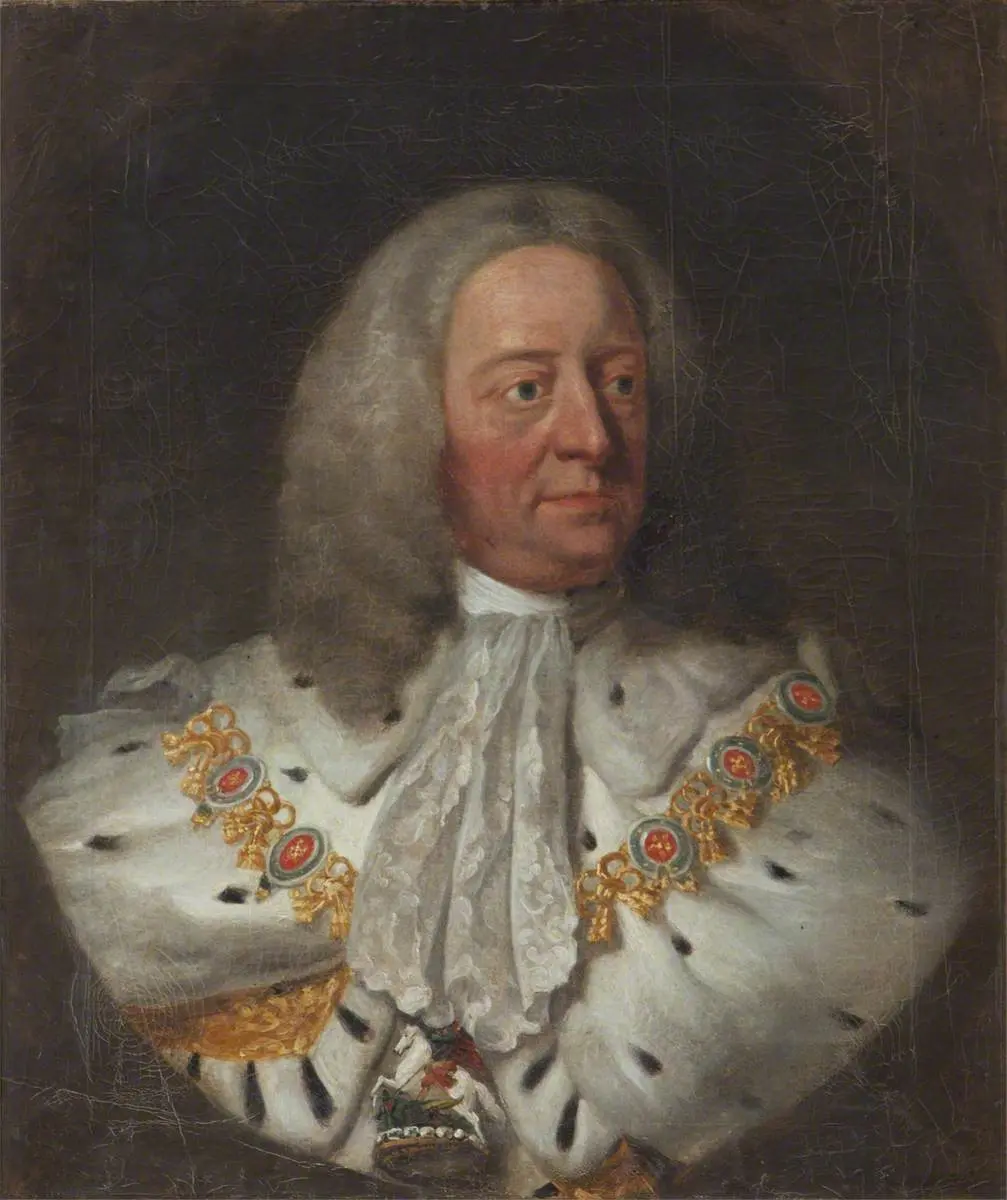
October, a month often synonymous with the vibrant transformation of nature, the crispness in the air, and the gentle descent of twilight, has also been the birthplace of five English monarchs. These kings, each with their unique trajectories, ascended to the throne, leaving indelible marks on the tapestry of British history. Their lives, shaped by dynastic ambitions, political upheaval, and personal destinies, offer a fascinating glimpse into the evolution of the English monarchy. This exploration delves into the lives and reigns of Henry III, Richard III, Edward VI, James II, and George II, all born under the autumn sky, charting their journeys from noble birth to the pinnacle of royal power.
The Dawn of October Kings: Henry III and the Succession
The distinction of being the first English king born in October falls to Henry III, whose arrival on October 1st, 1207, in Winchester marked a pivotal moment for the dynasty. His birth was a critical development for his father, King John, a monarch whose reign was fraught with controversy. John, who had ascended the throne in 1199, desperately needed a legitimate male heir to solidify his claim and ensure the continuity of the Plantagenet line. His second wife, Isabella of Angoulême, approximately 19 years old at the time of Henry’s birth, provided the much-anticipated successor.
Henry’s early life was defined by the precariousness of his father’s reign. John’s loss of Normandy in 1204 and his conflict with the Pope significantly weakened his position. The Magna Carta, forced upon him by his barons in 1215, was a stark symbol of his diminished authority. It was in this turbulent atmosphere that Henry, barely nine years old, unexpectedly inherited the crown. His father died on October 18th, 1216, and the young Henry was proclaimed King Henry III of England on October 19th, with his coronation following swiftly on October 28th of the same year. This rapid succession solidified his status as an "October King" by both birth and coronation.
The Early Reign of Henry III: Navigating a Fragile Kingdom
Henry III’s reign, which lasted for over half a century (1216-1272), was one of the longest in English history. However, his minority years were dominated by a council of regents, most notably William Marshal, 1st Earl of Pembroke, who skillfully guided the kingdom through the final stages of the First Barons’ War. Upon reaching his majority, Henry began to assert his own authority, but his reign was characterized by a deep piety, a devotion to the cult of Edward the Confessor, and a fascination with continental affairs, particularly those in France.
His rebuilding of Westminster Abbey, a monumental Gothic structure, stands as a testament to his religious fervor and his desire to emulate his saintly predecessor. However, his foreign policy, including his costly and ultimately unsuccessful claim to the Kingdom of Sicily for his son Edmund, placed a significant strain on royal finances. This, coupled with his perceived favoritism towards his Poitevin relatives and his increasingly absolutist tendencies, led to renewed baronial discontent. The Provisions of Oxford in 1258, which established a council of barons to oversee royal administration, marked a significant challenge to his authority. The ensuing Second Barons’ War (1264-1267), led by Simon de Montfort, saw Henry briefly imprisoned. Despite his eventual victory, the latter part of his reign was marked by a lingering sense of instability and the ongoing struggle to balance royal prerogative with baronial power.
Richard III: A King Not Born to the Crown
In stark contrast to Henry III’s predestined ascent, Richard III’s life began without immediate prospects of kingship. Born on October 2nd, 1453, at Fotheringay Castle in Northamptonshire, he was the twelfth child of Richard, Duke of York. His father was a formidable figure who had recently assumed the role of Protector of England due to King Henry VI’s recurrent bouts of mental illness. While the Duke of York possessed significant power and a strong claim to the throne, young Richard entered the world as a member of the English nobility, not as an heir apparent.
The political landscape of mid-15th century England was deeply fractured, teetering on the brink of the Wars of the Roses. The Duke of York’s ambition and the deep-seated animosity between the houses of Lancaster and York would irrevocably shape Richard’s destiny. His father’s assertion of his claim to the throne, though ultimately unsuccessful in his lifetime, set the stage for the bloody conflict that would define Richard’s formative years. The death of his father at the Battle of Wakefield in 1460, followed by his elder brother’s accession as Edward IV, further complicated his path.
The Wars of the Roses and Richard’s Rise
Richard’s early life was spent amidst the violence and uncertainty of the Wars of the Roses. He served his brother, Edward IV, with distinction, demonstrating considerable military acumen. He played a crucial role in securing Edward’s throne after its brief usurpation by the Lancastrian king Henry VI. However, Edward IV’s death in 1483 dramatically altered Richard’s circumstances. As Lord Protector for his young nephew, Edward V, Richard found himself at the epicenter of power.
The subsequent declaration that Edward V and his younger brother, Richard of Shrewsbury, Duke of York, were illegitimate, thereby disqualifying them from the succession, paved the way for Richard’s own coronation as Richard III on July 6th, 1483. This controversial ascent, shrouded in mystery and suspicion surrounding the fate of the "Princes in the Tower," remains one of the most debated episodes in English history. His reign was tragically short-lived, ending with his defeat and death at the Battle of Bosworth Field on August 22nd, 1485, at the hands of Henry Tudor, marking the end of the Plantagenet dynasty and the beginning of the Tudor era.
Edward VI: The Protestant Hope and a Brief Reign
October 12th, 1537, marked the birth of Edward VI at Hampton Court Palace, a moment of immense significance for his father, King Henry VIII. After two daughters, Mary and Elizabeth, Henry’s relentless pursuit of a male heir was finally fulfilled. This longed-for birth, however, came at a tragic cost. His mother, Jane Seymour, Henry VIII’s third wife, succumbed to childbed fever just twelve days after Edward’s birth. This personal tragedy cast a somber shadow over the royal succession.
Edward VI, much like Henry III, ascended the throne at the tender age of nine upon his father’s death on January 28th, 1547. His reign was profoundly shaped by the religious reforms initiated by his father and furthered by his Protestant advisors. Edward was raised a devout Protestant, and his reign saw the formal establishment of the Church of England along Protestant lines. The Book of Common Prayer, introduced in 1549, became a cornerstone of Anglican worship, standardizing liturgy and solidifying the break from Roman Catholicism.

The Reformation Under Edward VI: Policy and Succession Crisis
Edward’s reign was characterized by the vigorous implementation of the Protestant Reformation. Under the guidance of powerful regents, notably Edward Seymour, Duke of Somerset, and later John Dudley, Duke of Northumberland, sweeping changes were enacted. Church lands were dissolved, images were removed from churches, and the theological doctrines of the Church of England were further defined in the Forty-Two Articles.
However, Edward’s own health was a constant concern. He suffered from a chronic illness, likely tuberculosis, and his death on July 6th, 1553, just shy of his sixteenth birthday, precipitated a succession crisis. In a desperate attempt to prevent his Catholic half-sister, Mary, from inheriting the throne, Northumberland orchestrated a plan to place Lady Jane Grey, his daughter-in-law, on the throne. This "Nine Days’ Queen" was quickly overthrown, and Mary I ascended, restoring Catholicism to England. Edward VI’s reign, though brief, was instrumental in solidifying England’s Protestant identity, a legacy that would continue to shape the nation’s future.
James II: A Tumultuous Path to a Lost Crown
James II’s entry into the world on October 14th, 1633, at St. James’s Palace in London, placed him as a younger son in a royal family already blessed with an heir. His father, Charles I, had been king for eight years, and his mother, Henrietta Maria of France, a devout Catholic, faced the challenge of garnering popular support in a predominantly Protestant nation. James’s early life was irrevocably marked by the turmoil of the English Civil War, a conflict that pitted Crown against Parliament and ultimately led to the execution of his father in 1649.
Following his father’s execution, James, along with the rest of the royal family, went into exile. His teenage years were spent in the shadow of the Commonwealth and Oliver Cromwell’s Protectorate. The Restoration of the Monarchy in 1660, with his elder brother Charles II on the throne, saw James return to England. He played a significant role in military affairs, notably serving with distinction in the Anglo-Dutch Wars. However, his open adherence to Catholicism, a faith deeply distrusted by the majority of the English populace, made him a controversial figure.
The Reign and Deposition of James II: Religious Tensions and the Glorious Revolution
Despite widespread apprehension, James II succeeded his brother Charles II on February 6th, 1685. His early reign was marked by the suppression of the Monmouth Rebellion, a brief but significant uprising led by his illegitimate nephew, the Duke of Monmouth. James’s initial popularity, however, began to wane as his commitment to religious toleration for Catholics, coupled with his attempts to suspend laws against them and appoint Catholics to positions of power, intensified fears of a return to Catholic absolutism.
His actions, such as the Declaration of Indulgence in 1687, which suspended penal laws against religious minorities and granted broad toleration, were seen by many as an overreach of royal authority and an attempt to undermine the established Church of England. The birth of his son, James Francis Edward Stuart, on June 10th, 1688, a Catholic heir, proved to be the final catalyst. Fearing a permanent Catholic dynasty, a group of prominent Protestant nobles invited William of Orange, the stadtholder of the Dutch Republic and James’s son-in-law, to invade England.
William landed in Devon in November 1688, and James, facing widespread desertion and lacking significant support, fled the country. This event, known as the Glorious Revolution, led to the abdication of James II and the joint accession of William III and Mary II. James’s reign, though lasting only three years, was a watershed moment, fundamentally altering the balance of power between the monarch and Parliament and establishing the principle of parliamentary supremacy.
George II: The Hanoverian Ascendant and an Extended Reign
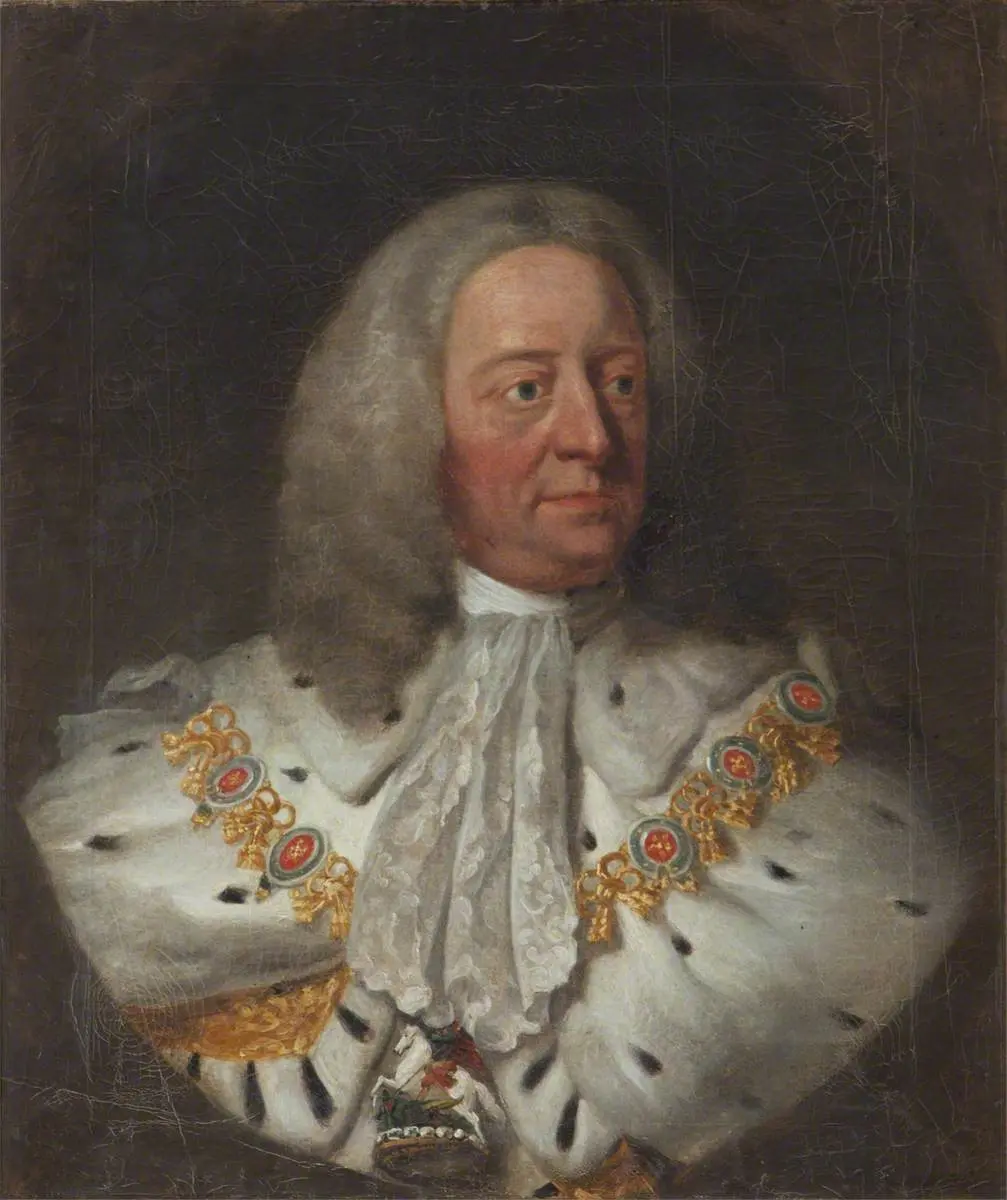
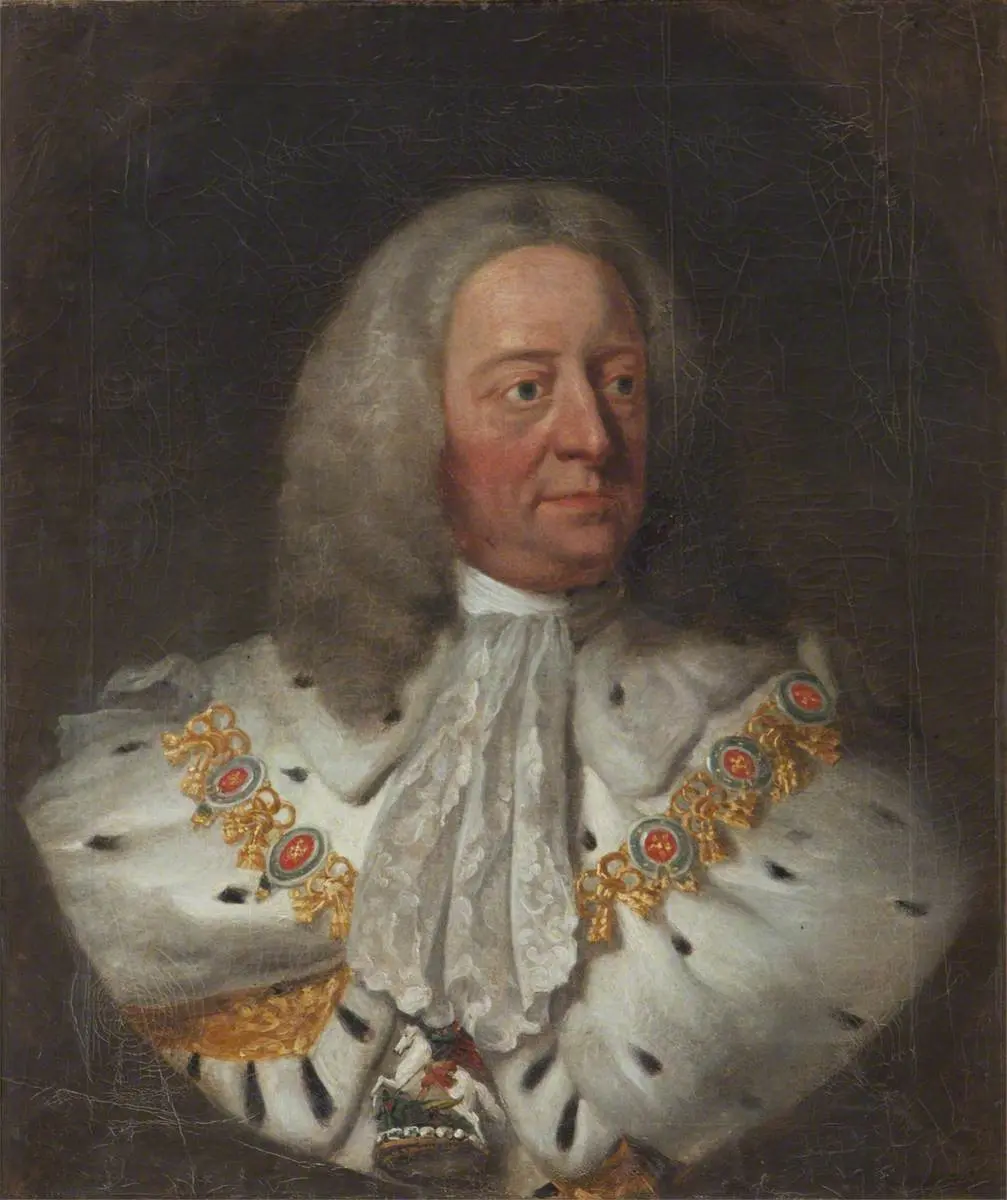
The final "October King" to date is George II, born on October 30th, 1683, in Hanover, Germany. His birth occurred at a time when his prospects of wearing the British crown were distant. He was the first child of Sophia Dorothea of Celle and George I, who was then heir to the dukedom of Brunswick-Lüneburg. The succession to the British throne was complex, with the Protestant Hanoverian line only coming into prominence due to the Act of Settlement in 1701, which stipulated that only Protestant heirs of Sophia, granddaughter of James I, could inherit the crown. This act was a direct response to the perceived threat of a Catholic succession following Queen Anne.
George’s father, George I, became King of Great Britain in 1714, following the death of Queen Anne. George II, as the heir apparent, moved to England and was created Prince of Wales in 1714. His relationship with his father was notoriously strained, marked by mutual animosity and public disputes. Despite these familial tensions, George II ascended the throne on June 11th, 1727, upon his father’s death.
The Reign of George II: Stability and the Jacobite Threat
George II’s reign (1727-1760) was one of relative stability and prosperity for Britain, despite the lingering threat of Jacobite rebellions. He was the last British monarch to lead his troops into battle, notably at the Battle of Dettingen in 1743 during the War of the Austrian Succession. His reign saw the flourishing of the arts and sciences, with figures like Handel and Hogarth achieving prominence.
The most significant challenge to his rule came with the Jacobite Rising of 1745, led by Charles Edward Stuart, the "Young Pretender," who claimed the throne on behalf of his father, James II. The rebellion, which aimed to restore the Stuart dynasty, was ultimately defeated at the Battle of Culloden in 1746, effectively ending the Jacobite threat and securing the Hanoverian succession. George II’s reign also coincided with Britain’s growing global power, particularly its involvement in the Seven Years’ War (1756-1763), which laid the foundations for the British Empire. He died on October 25th, 1760, leaving behind a nation that had navigated significant internal and external challenges, firmly establishing the Hanoverian dynasty on the British throne.
The lives of these five October kings—Henry III, Richard III, Edward VI, James II, and George II—are a testament to the dynamic and often unpredictable nature of royal succession. Their births in autumn, a season of transition and change, seem to echo the shifts and transformations that characterized their reigns and the eras in which they lived. From the pious piety of Henry III to the tragic fate of Richard III, the religious fervor of Edward VI, the ill-fated ambition of James II, and the steady hand of George II, their stories weave a rich narrative of English monarchy, power, and destiny.


 Yuyun Lusiyani
 Ana Megawati
 Joko Widodo
 Jia Lissa
 Pevita Pearce