
 Eva Lovia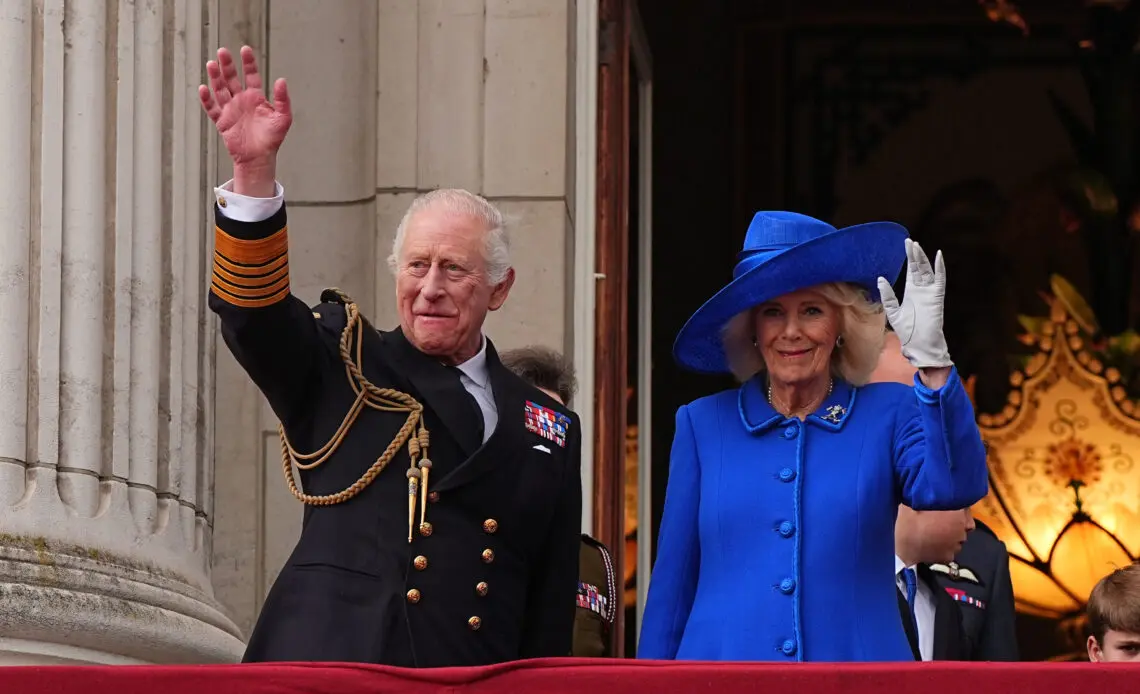
A unique and intriguing opportunity has emerged within the hallowed halls of Buckingham Palace, offering a rare window into the intricate machinery that facilitates the direct communication between the British public and the Royal Family. The Royal Household is actively seeking a Correspondence Officer to join the esteemed Records section of the Private Secretary’s Office. This pivotal role underscores the enduring significance of written correspondence in maintaining the connection between the monarchy and its subjects, a tradition stretching back centuries.
The primary responsibility of the successful candidate will be to meticulously manage and respond to the vast volume of letters addressed to His Majesty King Charles III, Her Majesty Queen Camilla, and Their Royal Highnesses The Prince and Princess of Wales. The job advertisement explicitly emphasizes the paramount importance of ensuring that every member of the public receives a “thoughtful, timely and well-crafted response.” This statement highlights not only the operational demands but also the profound symbolic weight attached to such communications. Each letter represents a personal connection, a plea, an expression of gratitude, or a concern voiced by an individual citizen, and the Royal Household’s commitment to responding reflects a dedication to acknowledging and engaging with these sentiments.
This fixed-term position is slated to commence in December 2026 and conclude in December 2027, offering a year-long immersion into the workings of royal communications. The remuneration package is set between £28,860 and £31,024.50 annually, reflecting the specialized nature of the role and the responsibilities involved. The position is a full-time commitment, requiring 37.5 hours of work per week, from Monday to Friday, typical of administrative and private office functions within the Royal Household.
A Glimpse Behind the Palace Gates: The Mechanics of Royal Correspondence
The advertisement for this role provides an unusually transparent look at how correspondence from the public is managed within the Royal Household. This is not merely a clerical position; it is a crucial interface between the monarchy and the nation. The successful applicant will be entrusted with their own portfolio of correspondence and related projects, tasked with responding to letters that traverse a wide spectrum of social, community, and national issues. This necessitates not only excellent administrative skills but also a profound understanding of discretion, sensitivity, and the ability to articulate complex sentiments with clarity and grace.
The core of the role involves drafting letters that are not only clear, succinct, and appropriate to the subject matter but also meticulously reflect the established tone and values of the Royal Household. The advert poetically articulates the aspiration for the role to involve “drafting a letter that someone will always remember.” This speaks to the potential for these written communications to have a lasting impact on the recipients, reinforcing the personal touch that is so often associated with the Royal Family. It suggests a commitment to crafting responses that are not formulaic but are imbued with genuine consideration and understanding.
Beyond drafting, the Correspondence Officer will be expected to engage in crucial liaison activities. This includes working closely with the Private Office, collaborating with other departments within the Royal Household, and engaging with external organizations, including government agencies. Such collaboration is vital for ensuring that responses are accurate, well-informed, and align with broader governmental or institutional perspectives where appropriate. This multifaceted aspect of the role highlights the interconnectedness of the Royal Household with various sectors of public life.
Furthermore, the position involves contributing to the development and maintenance of both standard and bespoke response templates. This initiative aims to ensure consistency and efficiency across the entire correspondence operation, while still allowing for personalized and tailored responses. The ability to balance standardization with individual attention is a hallmark of effective high-volume communication management.
The Scale of Public Engagement: Thousands of Letters Annually
The Royal Household acknowledges that thousands of letters are dispatched to the King, Queen, and The Prince and Princess of Wales each year. This staggering figure underscores the immense public interest and the desire of individuals to communicate directly with the highest echelons of the monarchy. The Correspondence Officer will play an integral part in ensuring that this substantial flow of communication is managed with the utmost efficiency and professionalism.
The duties extend to the initial stages of the correspondence process, including assisting with the opening, sorting, and logging of incoming mail. This initial triage is crucial for ensuring that letters reach the appropriate teams or individuals within the Royal Household swiftly. The successful candidate will also be involved in data entry and tracking the figures related to the correspondence operation. This data-driven approach is essential for monitoring the volume of correspondence, identifying trends, and evaluating the effectiveness of response strategies.
The role also encompasses the management of correspondence related to seasonal events, such as Christmas and birthdays, which typically see a surge in public well-wishes. Additionally, the Correspondence Officer will handle public and commercial gifts, a task requiring careful adherence to protocol and record-keeping. The tracking of parcels arriving for the Royal Household is another important logistical aspect of the role, ensuring that all deliveries are accounted for and managed appropriately.
Essential Skills and Application Process
The Royal Household is specifically seeking an individual with robust written communication skills. The ideal candidate will possess demonstrable experience in drafting clear, succinct, and sensitive letters, particularly in response to complex or topical issues. The ability to navigate potentially sensitive subjects with tact and diplomacy is paramount.
The demands of the role necessitate a candidate who can remain composed and effective while managing a high volume of work. The ability to prioritize competing deadlines and manage time efficiently is therefore a critical requirement. This suggests an environment that, while steeped in tradition and protocol, also operates with the efficiency and responsiveness expected of modern administrative functions.
The application window for this prestigious position closes at 11:55 PM on October 18, 2026. Interested individuals are encouraged to visit the official Royal Household careers portal to submit their applications. This opportunity represents more than just a job; it is a chance to contribute to the functioning of one of the world’s most recognized institutions and to play a direct role in shaping public perception and engagement with the British monarchy.
Historical Context and Enduring Relevance of Royal Correspondence
The practice of individuals writing to their sovereigns is deeply embedded in British history. From petitions to Parliament to personal missives to the monarch, this form of direct communication has long been a conduit for public sentiment. During times of national celebration or crisis, letters to the Crown often reflect the collective mood of the nation. The sheer volume of correspondence received by the Royal Family today is a testament to the enduring symbolic power of the monarchy, even in an era dominated by digital communication.
The establishment of dedicated offices to manage royal correspondence dates back centuries, evolving from the personal scribes of monarchs to the sophisticated Private Secretary’s Office of today. The Private Secretary’s Office, in particular, acts as the monarch’s chief advisor and gatekeeper, managing a wide range of the sovereign’s affairs, including communications. The decision to publicize the recruitment for a Correspondence Officer highlights a commitment to transparency and a recognition of the importance of professionalizing these vital functions.
Broader Implications: Maintaining the Monarchy’s Connection with the People
The existence of such a role and the detailed job description offer valuable insights into the operational priorities of the modern monarchy. It signals a conscious effort to maintain a direct and personal connection with the public, an aspect often cited as crucial for the continued relevance and popularity of the institution. In an age where social media and instant messaging dominate, the continued emphasis on written correspondence suggests a belief in its lasting impact and its ability to convey a more considered and personal message.
The role of the Correspondence Officer, therefore, transcends mere administrative duties. It is a role that involves diplomacy, communication strategy, and a deep understanding of the public’s relationship with the Crown. The ability to craft a memorable letter, as stated in the advertisement, is a subtle yet powerful tool in fostering goodwill and reinforcing the monarchy’s place within the hearts and minds of the British people. This position, while temporary, offers a significant contribution to the ongoing narrative of the Royal Family and their engagement with the nation. The successful applicant will not just be processing mail; they will be helping to write the ongoing story of the British monarchy.


 Yuyun Lusiyani
 Ana Megawati
 Joko Widodo
 Jia Lissa
 Pevita Pearce