
 Yuyun Lusiyani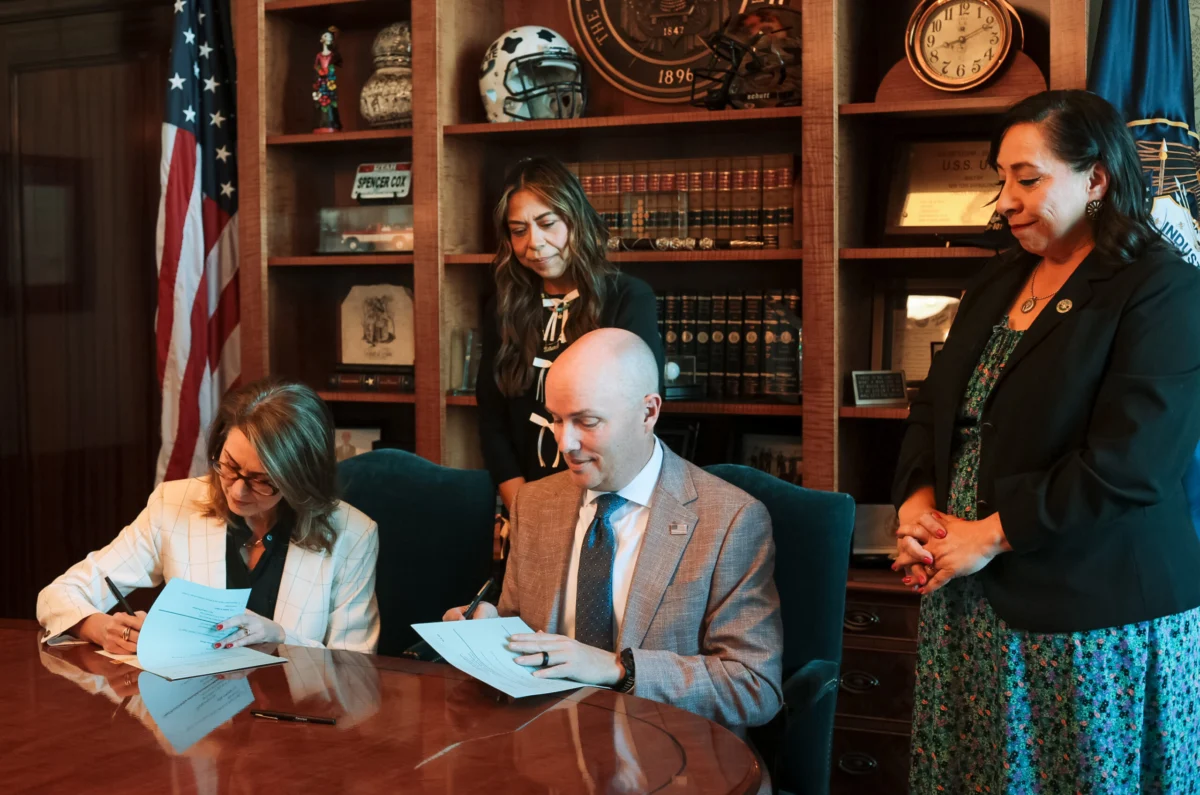
For years, Utah stood as an outlier among states, permitting government officials to request polygraph examinations from individuals reporting sexual assault, a practice widely criticized for its scientific unreliability and potential to re-victimize survivors. This controversial policy is now set to change. Earlier this month, state lawmakers successfully passed a pivotal bill, HB174, which explicitly prohibits law enforcement and other government officials from mandating or requesting polygraph tests for alleged victims of sexual assault. Governor Spencer Cox formalized this legislative victory by signing the bill into law on Thursday, with its provisions slated to take effect in May, ushering in a new era for how Utah’s justice system approaches these sensitive cases.
A Victory for Victims and Evidence-Based Justice
The passage of HB174 represents a significant legislative and ethical advancement for Utah, aligning the state with a growing national consensus against the use of polygraphs in sexual assault investigations. Experts in psychology, forensics, and victim advocacy have long highlighted the inherent flaws in polygraph technology, particularly when applied to individuals who have experienced trauma. The very nature of recounting a sexual assault—a deeply distressing and often re-traumatizing experience—can induce physiological responses such as elevated heart rate, increased anxiety, and stress. These reactions, which are natural manifestations of trauma, can be misinterpreted by polygraph machines as indicators of deception, casting unwarranted doubt on a victim’s truthful testimony. Many other states have already banned the use of polygraphs for sexual assault victims for precisely this reason, recognizing the profound harm and injustice such tests can inflict.
The arduous journey to enact this crucial legislation spanned two years and three legislative sessions, spearheaded by Utah state Representative Angela Romero, who also serves as the House Minority Leader. Romero’s unwavering determination was fueled by powerful investigative journalism and the harrowing experience of a specific sexual assault survivor. When she first introduced the bill in 2024, Rep. Romero powerfully cited comprehensive reporting from The Salt Lake Tribune and ProPublica, which meticulously detailed the damaging effects polygraph tests had on individuals brave enough to report sexual abuse. Her advocacy underscored the urgent need to protect victims from a flawed investigative tool that, instead of aiding justice, often compounded their trauma and allowed perpetrators to evade accountability.
The Catalyst: The Scott Owen Case and "Andrew’s" Ordeal
The impetus for this legislative reform was deeply rooted in the disturbing case of Scott Owen, a therapist who sexually abused multiple patients. The investigative reporting by The Salt Lake Tribune and ProPublica brought to light the story of a man identified by the pseudonym "Andrew," who reported Owen to state licensors in 2016. Andrew’s initial complaint to Utah’s Division of Professional Licensing (DOPL) detailed inappropriate touching, encouragement to undress, and kissing during therapy sessions. As part of their investigation, state licensors offered polygraph tests to both Andrew and Owen. Owen, exercising his right, declined the test. Andrew, however, agreed, recalling that an investigator suggested a successful polygraph could bolster his complaint, effectively transforming a "he said, she said" scenario into a more credible accusation.
The outcome was devastating for Andrew. The polygraph results suggested he was being deceptive. As Andrew later articulated to the news outlets, "I had so much trauma. And so, certainly, when they asked me questions about the particular things that happened in therapy, it’s going to elicit a very strong emotional response." This profound emotional response, a natural consequence of reliving his abuse, was tragically misinterpreted by the machine. The negative result severely impacted Andrew’s mental health and sense of credibility, leading him to ultimately withdraw his complaint.
In a 2016 public reprimand, Owen admitted to giving Andrew "hugs" — touching he characterized as "inappropriate but non-sexual." However, the communications between Andrew and the investigator strongly indicated that DOPL’s decision not to pursue harsher disciplinary action against Owen was heavily influenced by his denial and Andrew’s polygraph results. This meant that Scott Owen, despite Andrew’s truthful report, was allowed to continue practicing for two more years, during which time he went on to harm other vulnerable patients. It wasn’t until The Tribune and ProPublica’s subsequent reporting in 2023, which brought forward Andrew and three other men with similar allegations, that Provo police began a full criminal investigation into Owen. These former patients had sought Owen’s help because he had cultivated a reputation as a specialist for gay men who were members of The Church of Jesus Christ of Latter-day Saints, with some sessions even being funded by church resources.

A Timeline of Justice and Reform:
- 2016: Andrew reports therapist Scott Owen to Utah’s Division of Professional Licensing (DOPL) for sexual abuse. Andrew undergoes a polygraph test, which falsely indicates deception, leading him to drop his complaint. Owen receives a public reprimand for "inappropriate but non-sexual" touching and continues to practice.
- 2023: The Salt Lake Tribune and ProPublica publish extensive investigative reporting detailing Andrew’s case and similar allegations from other former patients against Scott Owen. This reporting reignites public and legislative attention. Provo police initiate a criminal investigation into Owen.
- 2024 (Early): State Representative Angela Romero introduces HB174, a bill to prohibit polygraph tests for sexual assault victims, citing the investigative journalism and the devastating impact on victims like Andrew.
- 2024 (Legislative Sessions): HB174 faces debate across three legislative sessions, garnering support from prosecutors and police, but encountering resistance from some defense attorneys and legislators.
- February 2025: Scott Owen pleads guilty to felony charges, admitting to sexually abusing two patients and leading them to believe sexual touching was part of therapy. He also pleads no contest in a third patient’s case.
- March 2025: Owen is sentenced to at least 15 years in prison. Andrew, identified by a pseudonym to protect his privacy, and more than half a dozen other men deliver powerful victim impact statements at the sentencing hearing, detailing the profound harm Owen inflicted. Andrew states, "The experience with Scott Owen has been the worst thing I’ve ever gone through. I don’t think he belongs in society anymore."
- Earlier this Month (March 2026): Utah state lawmakers pass HB174.
- Thursday (March 2026): Governor Spencer Cox signs HB174 into law, praising Rep. Romero for her dedication, stating she "has been such a champion, and made a difference and saved lives." The Governor also explicitly acknowledged the critical role of The Tribune and ProPublica’s reporting in driving this legislative change.
- May 2026: HB174 officially goes into effect, banning polygraph tests for sexual assault victims across Utah.
The Flawed Science of Deception Detection
The scientific community has largely dismissed the polygraph as a reliable tool for determining truthfulness, particularly in complex emotional contexts like sexual assault. Polygraphs function by measuring physiological responses — heart rate, blood pressure, respiration, and galvanic skin response (sweating) — while an individual answers a series of questions. The underlying assumption is that deceptive answers will trigger involuntary physiological changes indicative of stress or anxiety. However, critics argue that these physiological responses are not uniquely linked to deception. Anxiety, fear, anger, or trauma, all of which are common for sexual assault victims recounting their experiences, can produce similar physiological fluctuations, leading to false positives.
The National Academy of Sciences, in a comprehensive 2003 report, concluded that "polygraph research has not produced any convincing scientific evidence that polygraph tests are valid or reliable for distinguishing truth tellers from liars." Similarly, the American Psychological Association (APA) states that "there is little evidence that polygraph tests can accurately detect lies." This lack of scientific consensus is why polygraph test results are generally inadmissible as evidence in criminal courts in Utah, as in most jurisdictions across the United States. Despite this, some law enforcement agencies and licensing boards have historically relied on them as an investigative aid, often to the detriment of victims.
A National Trend Toward Protection
Utah’s decision to ban polygraphs for sexual assault victims places it firmly within a national trend. Currently, approximately half of all U.S. states have laws that explicitly prohibit law enforcement from conducting polygraph tests with individuals reporting sexual assault. Some states have even broader prohibitions, extending the ban to a wider range of government employees beyond just law enforcement. This growing legislative movement reflects a deeper understanding of trauma-informed care and the imperative to remove barriers that prevent victims from reporting sexual violence. Victim advocacy groups, such as RAINN (Rape, Abuse & Incest National Network), have consistently championed such bans, arguing that polygraphs create an unnecessary and harmful hurdle for survivors seeking justice. The new law in Utah is a testament to the persistent efforts of these organizations and dedicated legislators to prioritize victim well-being over unproven investigative techniques.
The Legislative Debate: Balancing Perspectives
During the legislative process, HB174 sparked considerable debate. While Rep. Romero’s bill garnered crucial support from prosecutors and police departments in each session it was proposed, it also faced pushback from some defense attorneys and a faction of legislators. Opponents argued that in the absence of other witnesses, which is often the case in sexual assault allegations, polygraph tests could serve as a valuable tool for investigators and prosecutors to assess credibility before deciding whether to pursue criminal charges. Steve Burton, representing the Utah Defense Attorney Association, stated in a legislative hearing that polygraph results, though inadmissible in court, were "often one of the only things that a defense attorney can ask for or use in order to try to show that their client may be telling the truth."
Rep. Romero vehemently countered this perspective, emphasizing the profound re-victimization potential of polygraphs. She asserted that alternative, trauma-informed interview techniques exist to help authorities determine the veracity of an individual’s account. "This is not a way," Romero stated, referring to polygraphs. "Especially when you’re dealing with someone who has been a victim. You could re-victimize that person. And it also could discourage that person from going forward and participating in the process of criminally prosecuting their perpetrator." Her argument underscored the critical balance between investigative expediency and the ethical imperative to protect and support victims throughout the justice process.

Beyond the Ban: Addressing Systemic Shortcomings
The legislative reforms in Utah extend beyond the polygraph ban. The state is also taking proactive steps to address broader systemic shortcomings identified by The Tribune and ProPublica’s investigations, particularly concerning sexual misconduct by licensed professionals. A new state task force has been established to delve into a concerning rise in sexual misconduct complaints against licensed professionals, focusing specifically on healthcare, mental health, and massage therapy professions—sectors that state officials acknowledge have historically generated the highest percentage of such complaints.
The task force’s mandate is comprehensive. It aims to propose critical changes to state law, develop new resources to simplify the reporting process for victims of misconduct, and, crucially, establish a standardized process for sharing reports among various agencies that might have knowledge of an accusation. This last point directly addresses a significant gap highlighted in the Owen case: despite Andrew and at least two other individuals reporting Owen to DOPL, the licensing agency never shared these critical reports with Provo police, allowing a dangerous predator to continue harming patients.
Margaret Busse, Executive Director of the Utah Department of Commerce, which oversees DOPL, issued a strong statement regarding the task force’s mission. She emphasized that licensed professionals who engage in sexual misconduct not only betray their clients’ trust but also erode public confidence in their entire profession. "These heinous acts inflict profound harm to victims and damage the reputations of entire industries," Busse declared. "This task force is our unequivocal declaration: Utah will hold licensed professionals accountable to protect our communities and the integrity of state-regulated industries."
Implications and the Path Forward
The ban on polygraph tests for sexual assault victims in Utah, coupled with the creation of the new task force, marks a monumental shift in the state’s approach to sexual violence and professional misconduct. The implications are far-reaching:
- Increased Victim Reporting: By removing a significant barrier and a potentially re-traumatizing experience, the new law is expected to encourage more victims to come forward and report sexual assaults, fostering greater trust in the justice system.
- Improved Investigations: Law enforcement and licensing agencies will be compelled to rely on more scientifically sound and trauma-informed investigative techniques, potentially leading to more robust and ethical evidence gathering.
- Enhanced Accountability: The task force’s focus on inter-agency information sharing and legal reforms aims to close loopholes that have allowed perpetrators like Scott Owen to continue their abuse, strengthening accountability for licensed professionals.
- Shift in Legal Culture: The legislation reinforces the principle that a victim’s credibility should not be determined by a flawed machine, but by a thorough and compassionate investigation that respects the complexities of trauma.
The passage of HB174 is a testament to the power of persistent advocacy, the critical role of investigative journalism in uncovering systemic injustices, and the willingness of legislators to enact meaningful change in response to compelling evidence. For victims of sexual assault in Utah, this law represents not just a legal reform, but a profound affirmation of their experiences and a commitment to a more just and empathetic path toward healing and accountability. The state is now poised to set a precedent, demonstrating how a focus on victim-centered approaches and evidence-based practices can fundamentally transform the pursuit of justice.


 Jia Lissa
 Joko Widodo
 Eva Lovia

 Pevita Pearce